Short-Term vs Long-Term Capital Gains: A Primer for Traders
How US capital gains are classified by holding period, how short-term and long-term gains are taxed, the $3,000 loss limit, carryforwards and reporting basics.
By the TradeThink team··3 min read
This article is general information about US federal tax rules, not tax advice. Rates and thresholds change; check current IRS guidance and a tax professional.
When you sell an investment for more than you paid, you have a capital gain. For US federal taxes, how long you held it decides how that gain is taxed. The IRS summarizes the rules in Topic 409, Capital gains and losses.
Holding period
Held more than one year: long-term.
Held one year or less: short-term.
Most active trading produces short-term gains.
How they are taxed
Short-term gains are taxed as ordinary income, at your regular income tax rate.
Long-term gains are taxed at lower rates for most taxpayers. The IRS lists rates of 0%, 15% and 20% depending on taxable income and filing status, with some exceptions for specific asset types.
High-income taxpayers may also owe the net investment income tax.
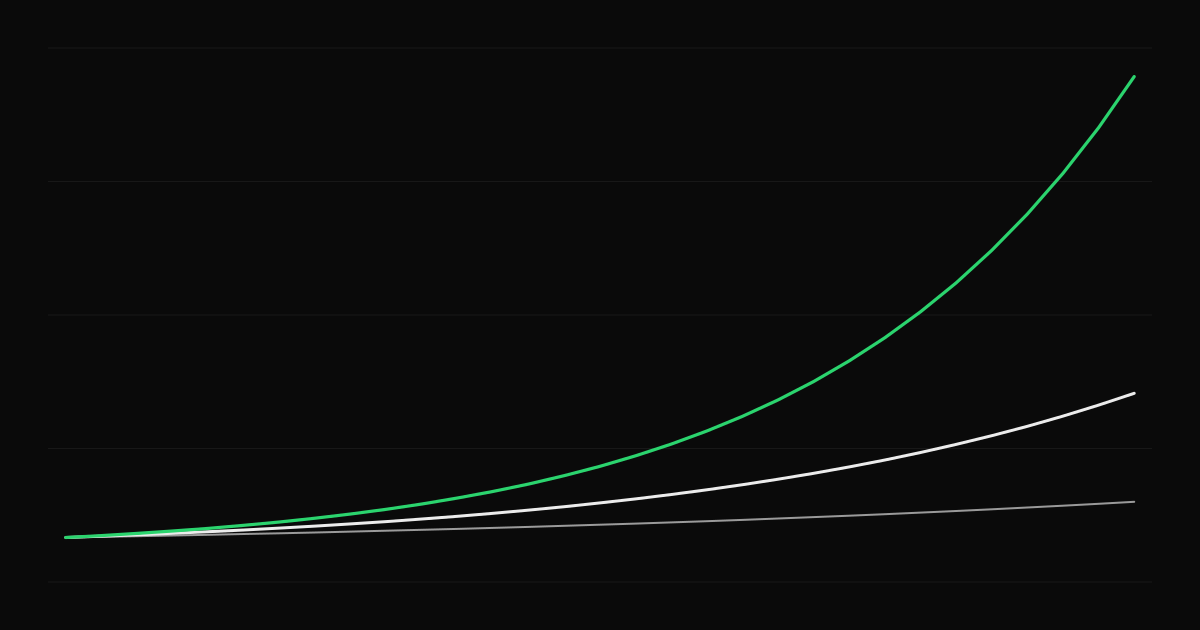
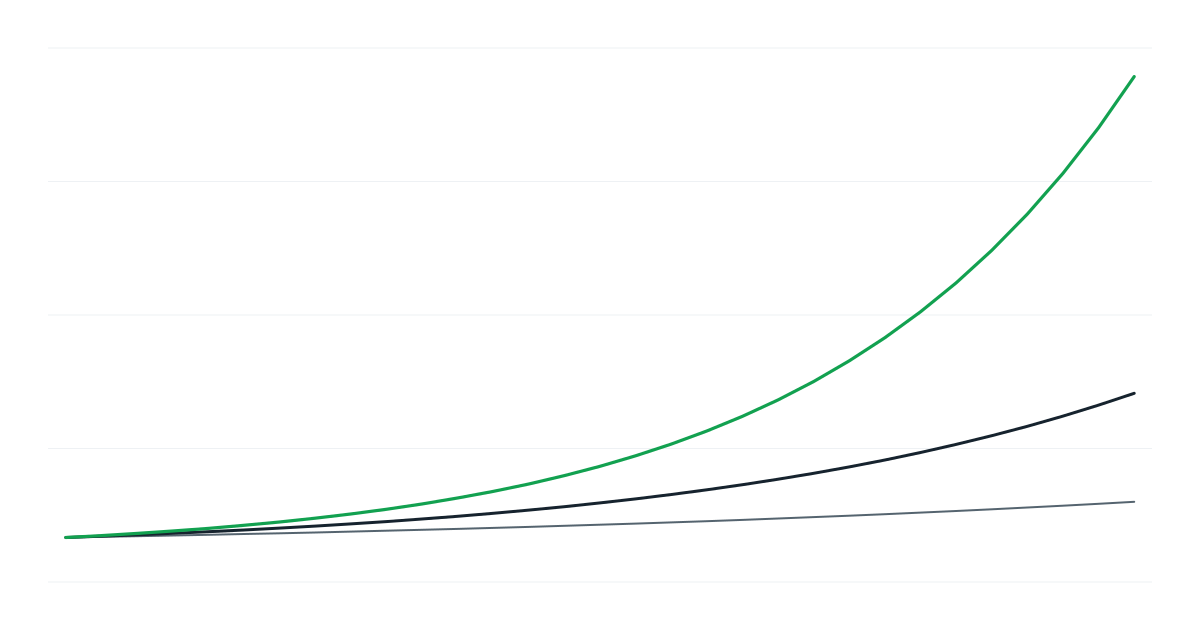
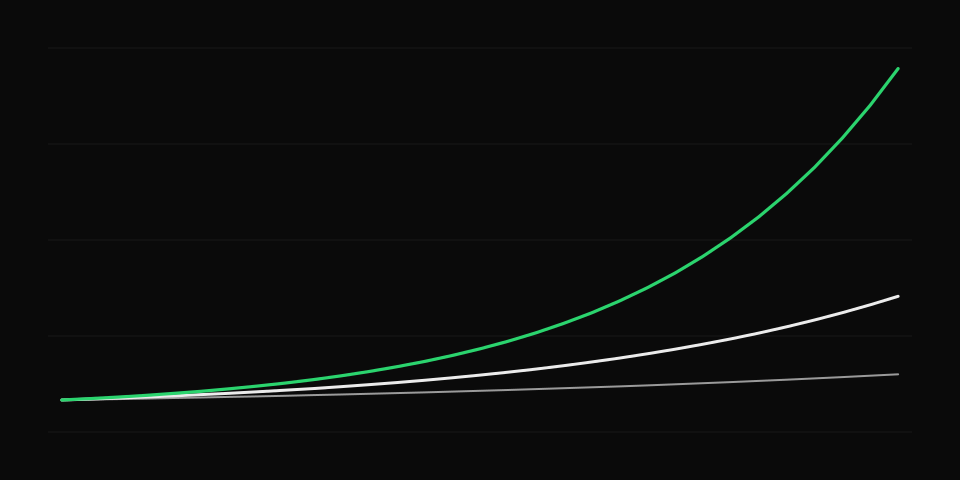
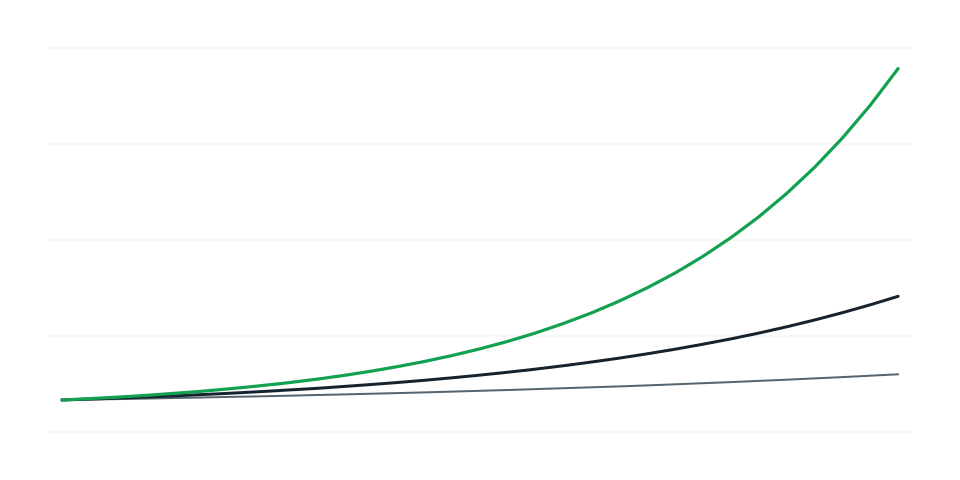
Over time, the difference in tax on gains compounds, just like returns do.
Netting gains and losses
Within a year, gains and losses are netted: short-term against short-term, long-term against long-term, then the two totals against each other.
The capital loss limit
If your capital losses exceed your capital gains, the IRS allows you to deduct up to $3,000 of the excess against other income per year ($1,500 if married filing separately). Any remaining loss carries forward to future years.
For a trader with a large losing year, that means most of the loss may be used only gradually in later years, against future gains or at $3,000 a year.
Reporting
Most sales are reported on Form 8949, with totals carried to Schedule D. Brokers send Form 1099-B with proceeds and, for most securities, cost basis.
Special cases traders meet
Wash sales defer losses when you rebuy within 30 days. See the wash sale rule.
Trader tax status with a mark-to-market election changes the treatment. See trader tax status.
Options: premiums, assignment and exercise affect basis and holding period in specific ways described in Publication 550.
Track holding periods
Your journal should record the exact open and close dates of each position. In TradeThink, every trade shows its open and close times and holding period, and the full history can be exported to CSV. Related: trading records to keep.
Which trading records to keep, for how long, and how to organize statements, confirmations, deposits, fees and journal notes so tax time and analysis are easy.
A guide to the main sections of a brokerage statement, what each line means, how to spot fees and corporate actions, and how to reconcile your statement with your journal.
How to export trades from your broker, which report to choose, common CSV problems with dates, symbols and time zones, and how to check an import is complete.