Risk management
Position Sizing: How Many Shares or Contracts Should You Trade?
A step-by-step guide to position sizing for stocks, options and futures: the fixed-risk formula, worked examples, and the mistakes that make good strategies lose money.
Position sizing, stop losses, drawdowns and the math that keeps a trading account alive.
A step-by-step guide to position sizing for stocks, options and futures: the fixed-risk formula, worked examples, and the mistakes that make good strategies lose money.
The 1% rule says to risk no more than 1% of your account per trade. Learn the math behind it, when 2% or 0.5% may fit better, and how it protects you from ruin.
How to place a stop loss using structure, volatility, percentage, time and indicators, with the pros and cons of each and the common mistakes to avoid.
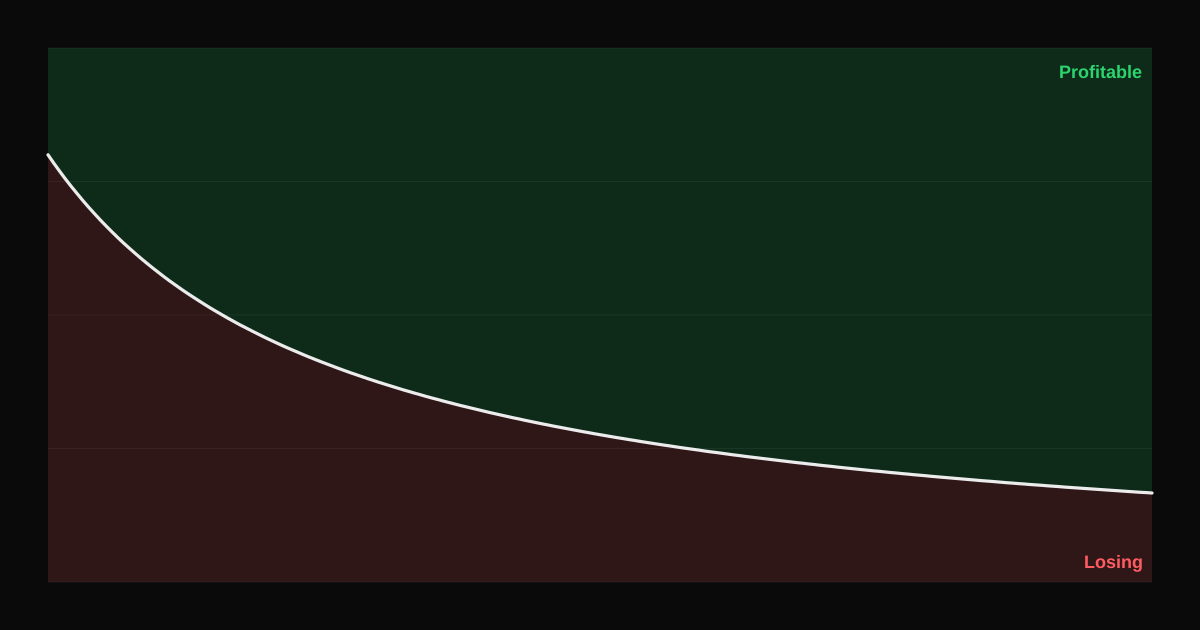
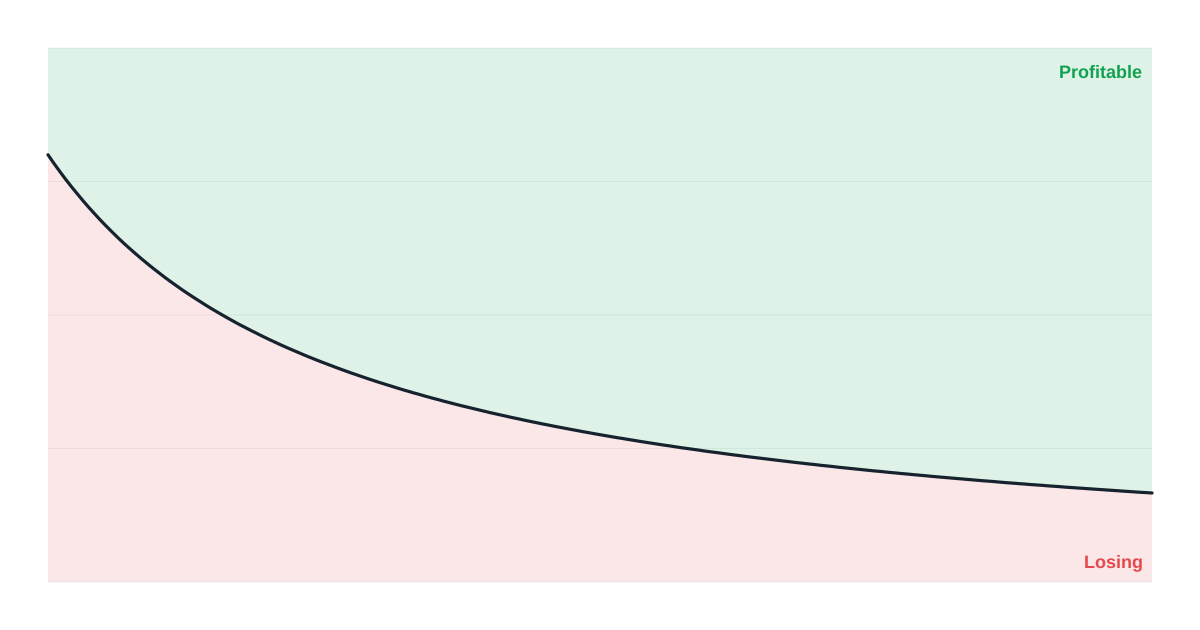
What the risk-reward ratio means, the break-even win rate for each ratio, and why a high ratio alone does not make a strategy profitable.
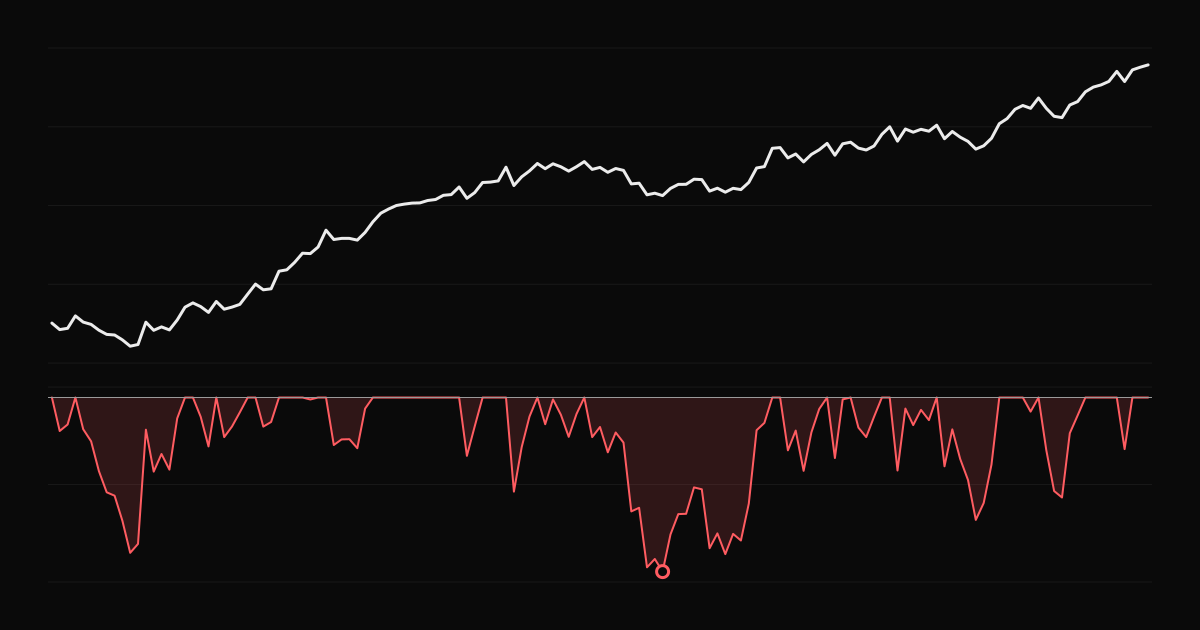
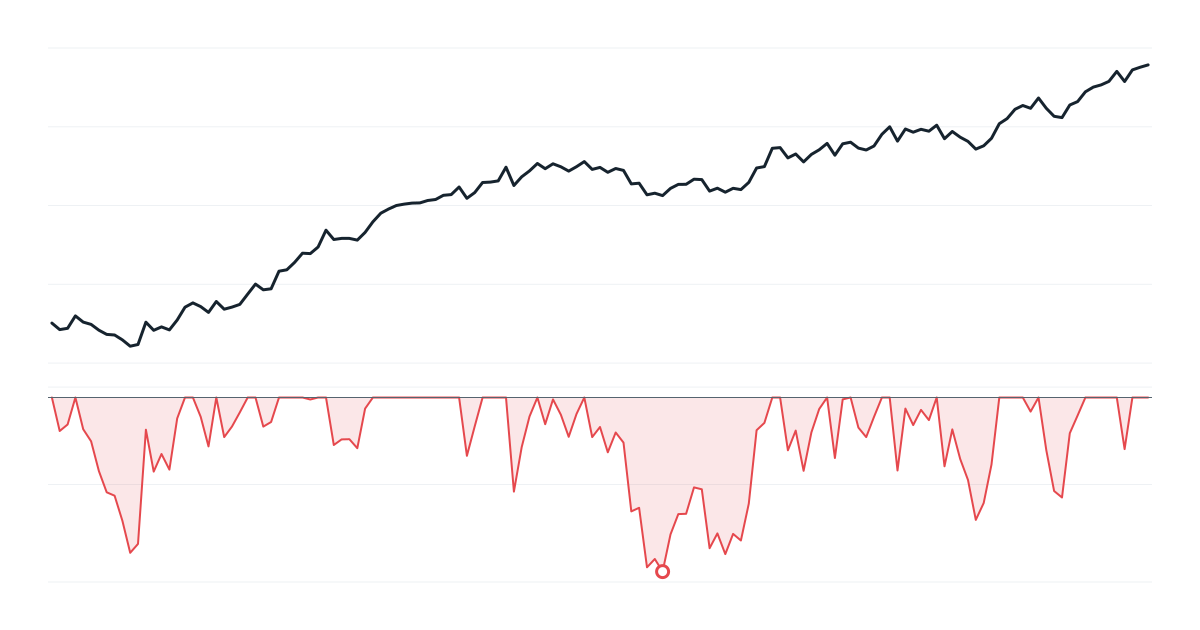
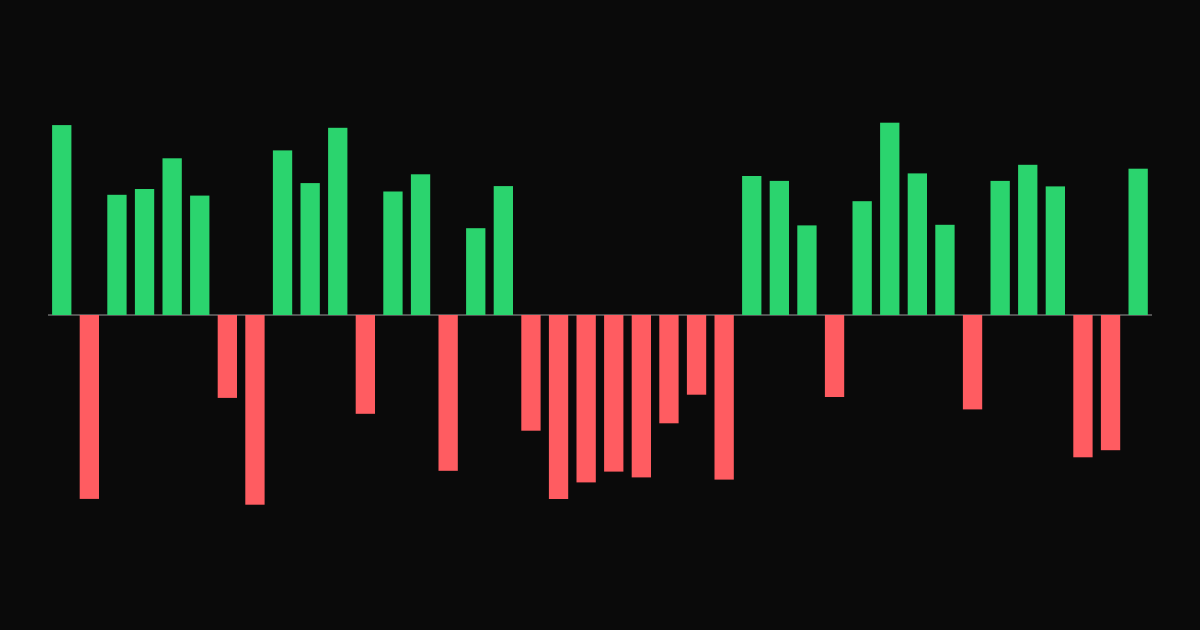
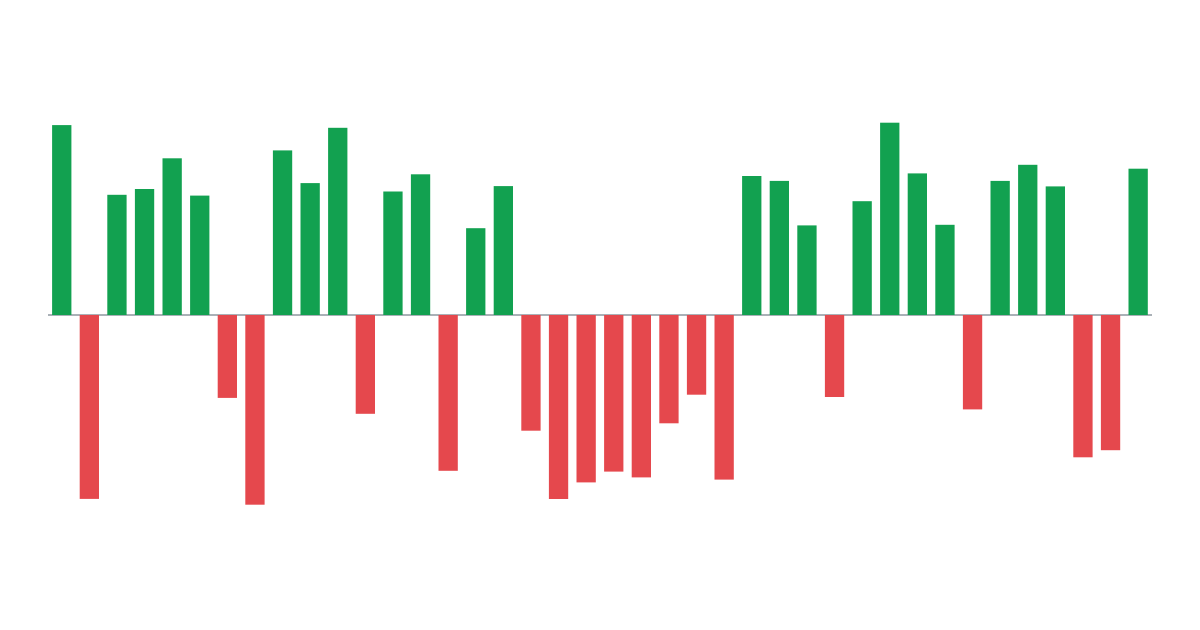
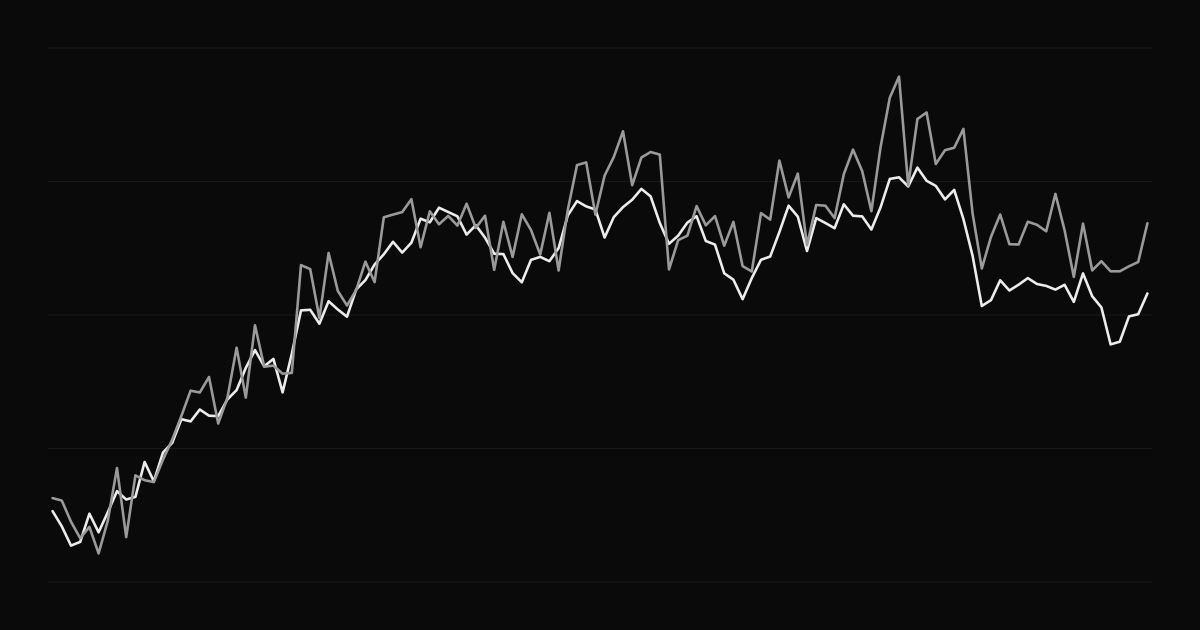
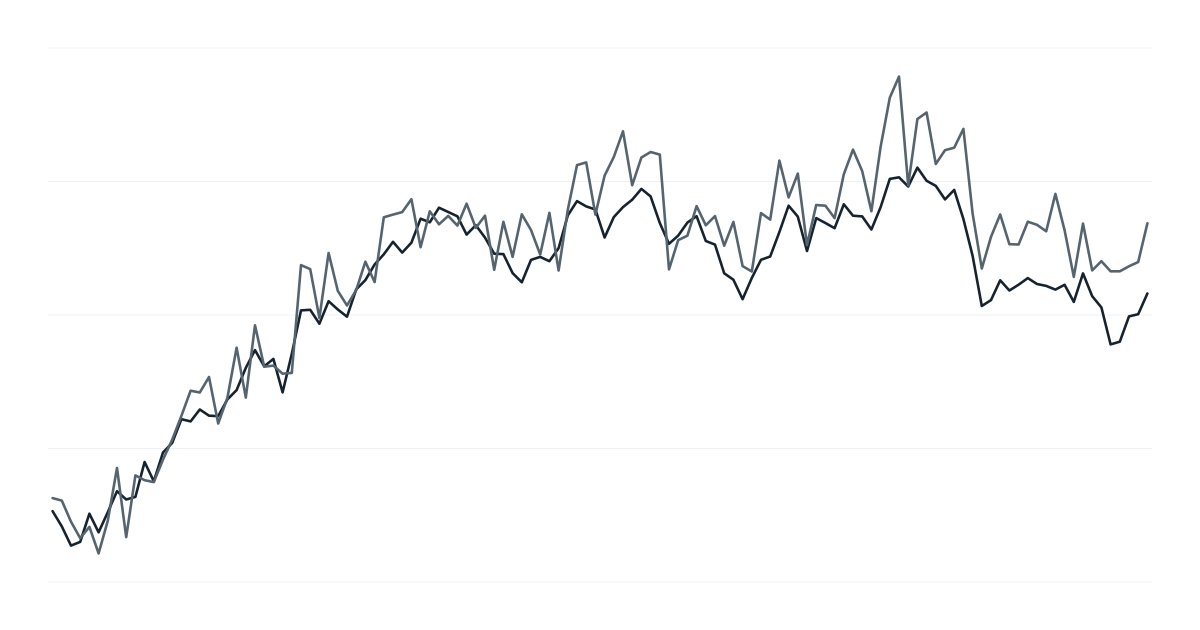
What maximum drawdown is, how to calculate it, the gain needed to recover from each drawdown, and how to keep drawdowns small enough to survive.
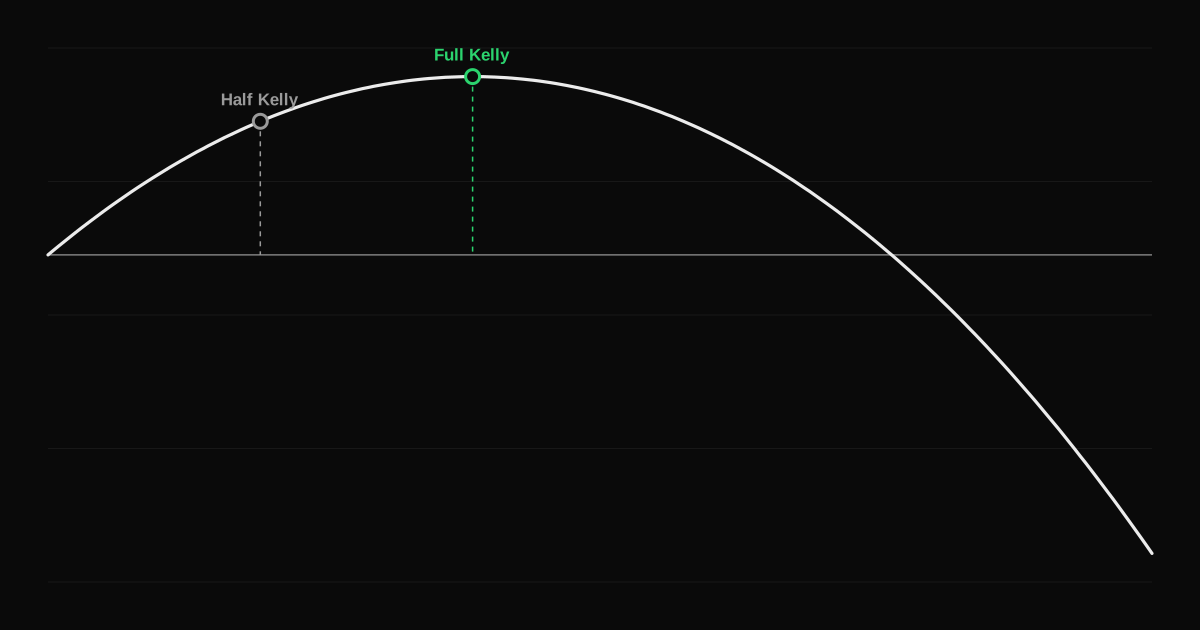
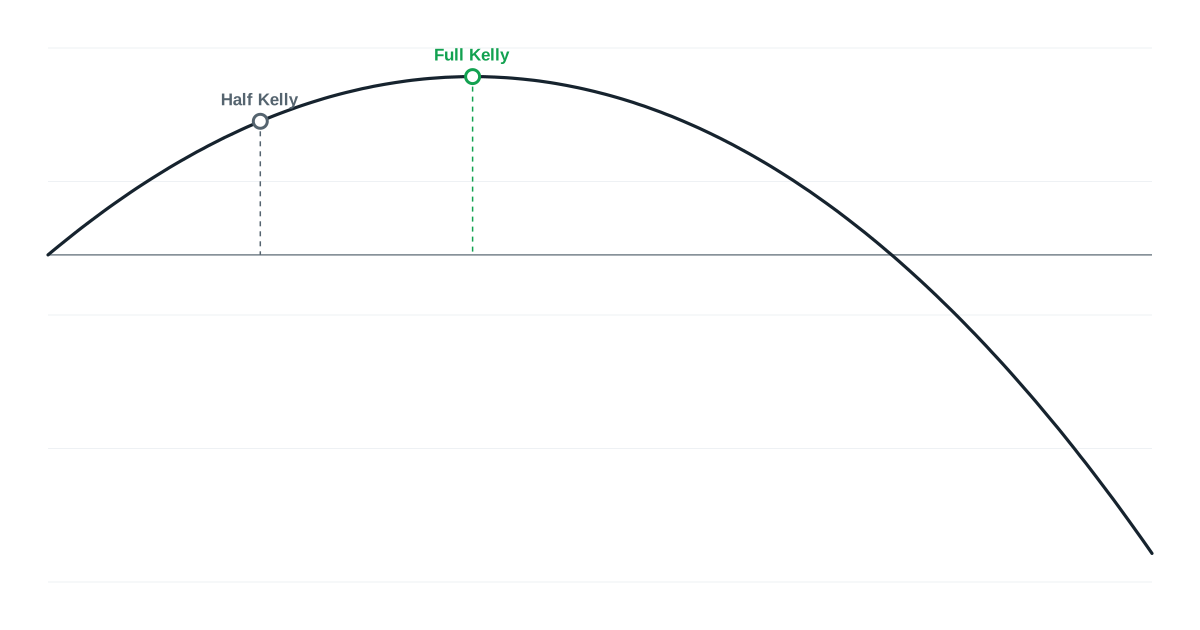
How the Kelly criterion calculates the bet size that maximizes long-term growth, how to apply it to trading, and why most traders use half Kelly or less.
How to set a daily loss limit for day trading, why it works, how big it should be, and how to make sure you actually stop when you hit it.
How to use the average true range (ATR) to set stop losses and position sizes that adapt to volatility, with formulas, multipliers and examples.
What risk of ruin means in trading, the factors that drive it, and how risk per trade, win rate and payoff ratio change your chance of a catastrophic drawdown.
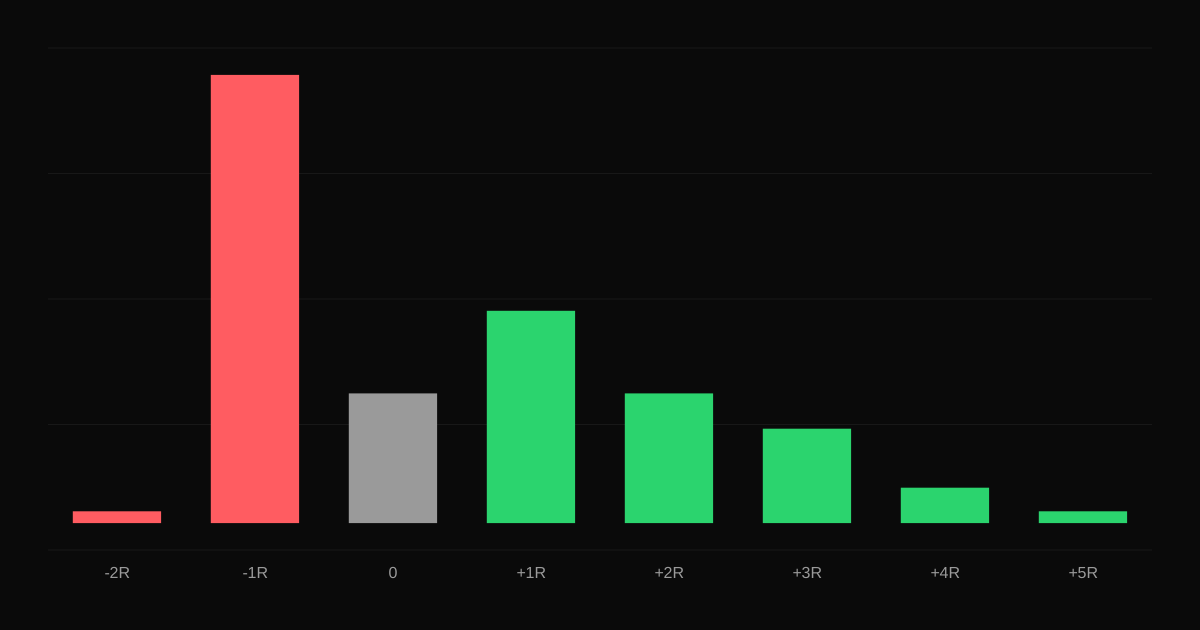
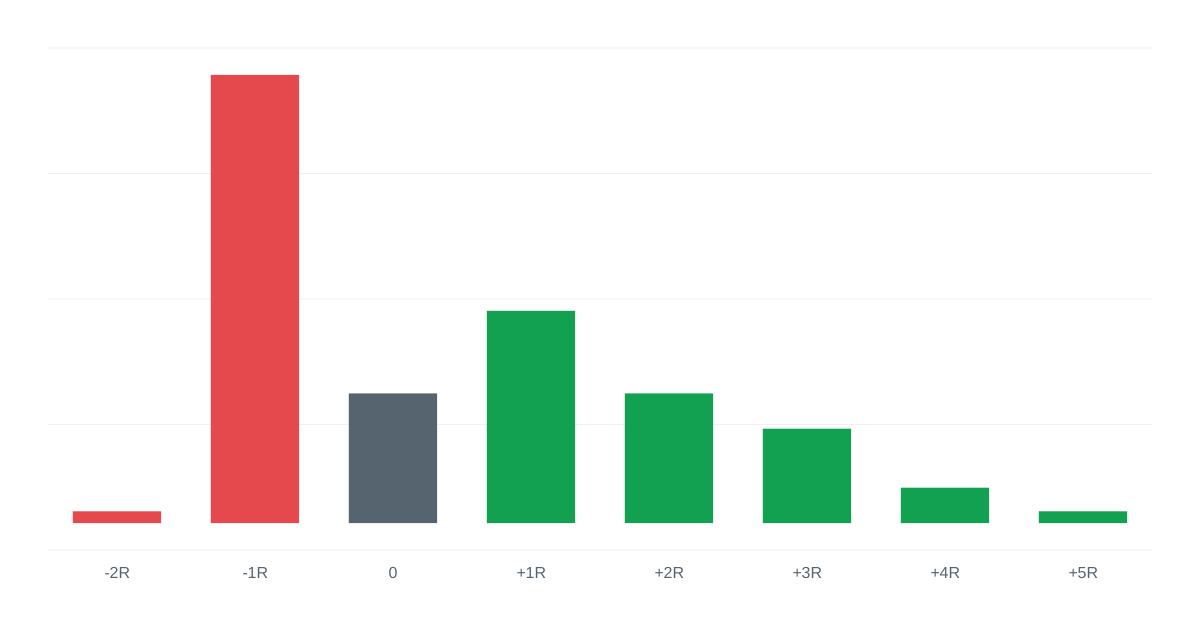
What R-multiples are, how to calculate them, and why measuring trades in units of risk makes your results comparable, honest and easier to improve.
How correlated positions multiply your risk, how to spot hidden correlation across stocks, sectors, currencies and crypto, and how to size around it.
How leverage and margin work in stocks, futures, forex and CFDs, how margin calls happen, and how to think about leverage in terms of risk rather than buying power.
How trailing stops work, the main methods (percentage, ATR, structure and moving average), and how to choose one that fits your strategy.
How scaling into and out of positions works, when it helps, how it changes your risk, and how to track scaled trades correctly in a journal.