The Wash Sale Rule for Traders: How It Works and How to Track It
How the US wash sale rule disallows losses when you rebuy within 30 days, how the disallowed loss carries into the new position, examples, and how active traders keep track.

Record keeping, broker statements, account rules and the tax rules active traders run into. General information, not tax or legal advice.
How the US wash sale rule disallows losses when you rebuy within 30 days, how the disallowed loss carries into the new position, examples, and how active traders keep track.
How the IRS distinguishes investors, traders and dealers, what trader tax status means, how the section 475(f) mark-to-market election works and its deadlines.
What section 1256 contracts are, how the 60/40 rule and year-end mark-to-market work, which instruments qualify, and how they are reported on Form 6781.
How US capital gains are classified by holding period, how short-term and long-term gains are taxed, the $3,000 loss limit, carryforwards and reporting basics.
Which trading records to keep, for how long, and how to organize statements, confirmations, deposits, fees and journal notes so tax time and analysis are easy.
A guide to the main sections of a brokerage statement, what each line means, how to spot fees and corporate actions, and how to reconcile your statement with your journal.
How to export trades from your broker, which report to choose, common CSV problems with dates, symbols and time zones, and how to check an import is complete.
How the old US pattern day trader rule and $25,000 minimum worked, what FINRA's new intraday margin standards change from June 2026, and what still applies.
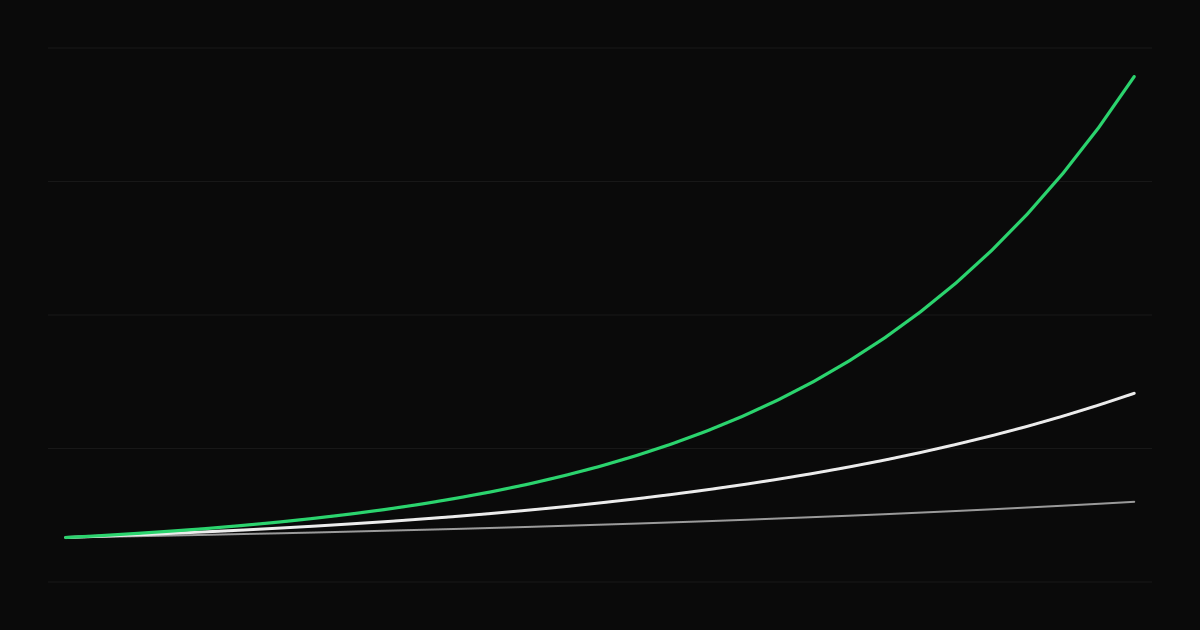
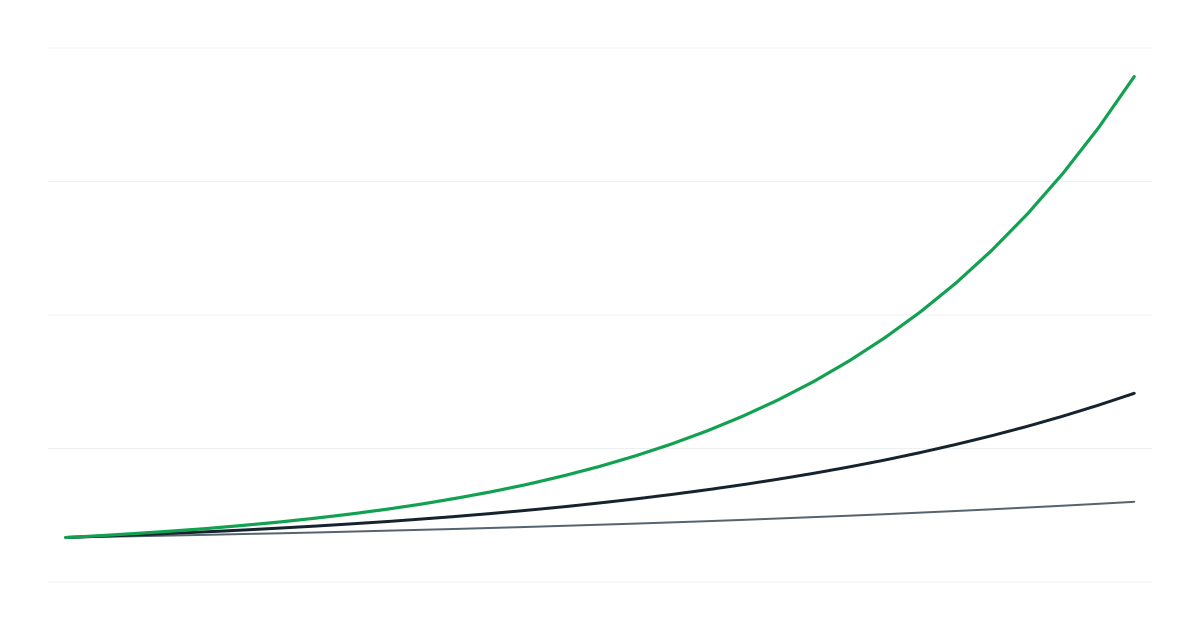
How compounding works in a trading account, why small consistent returns grow large over time, why drawdowns hurt compounding, and how to set realistic expectations.
Why account balance growth is not the same as trading performance, how to separate deposits, withdrawals, fees, dividends and interest, and how to read a cash flow statement for your account.