Performance metrics
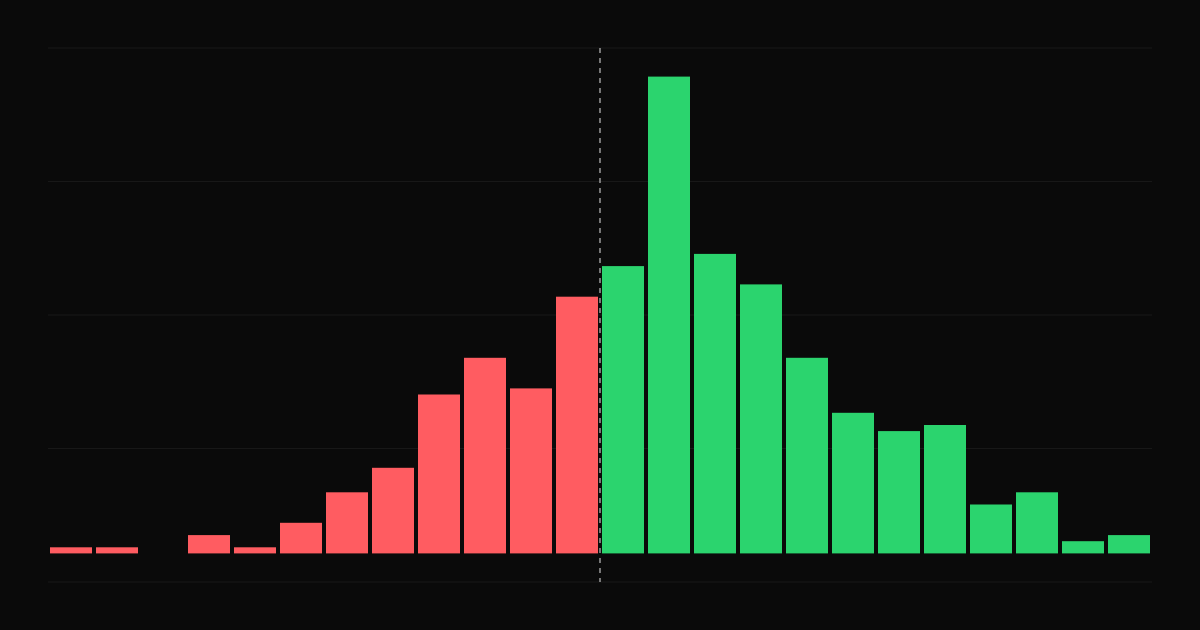
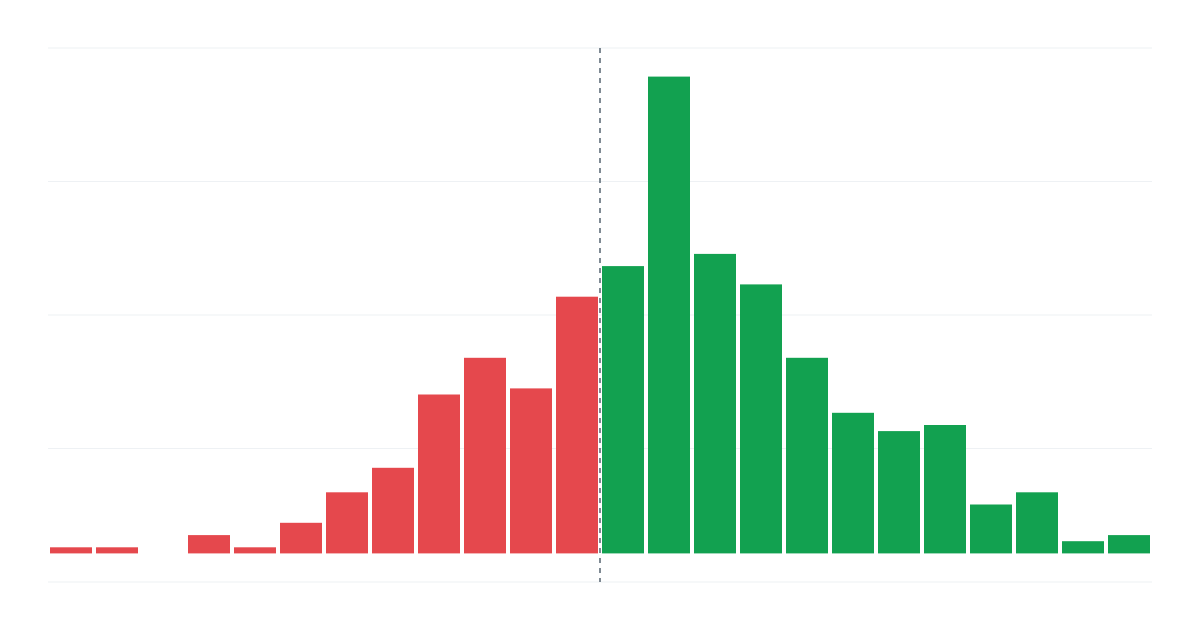
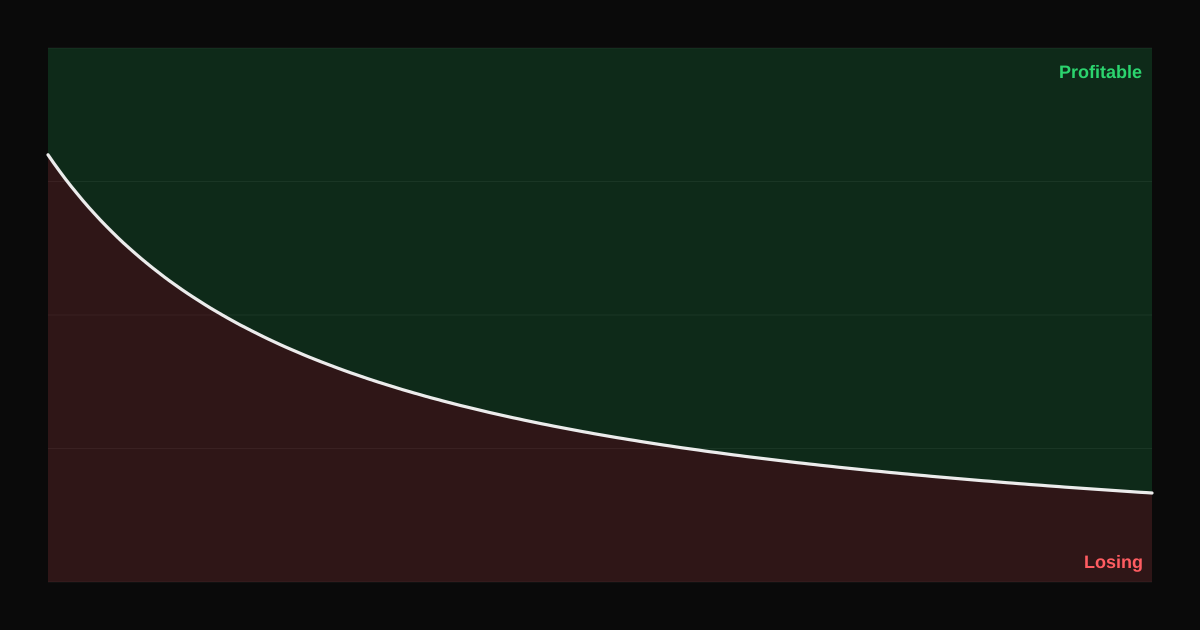
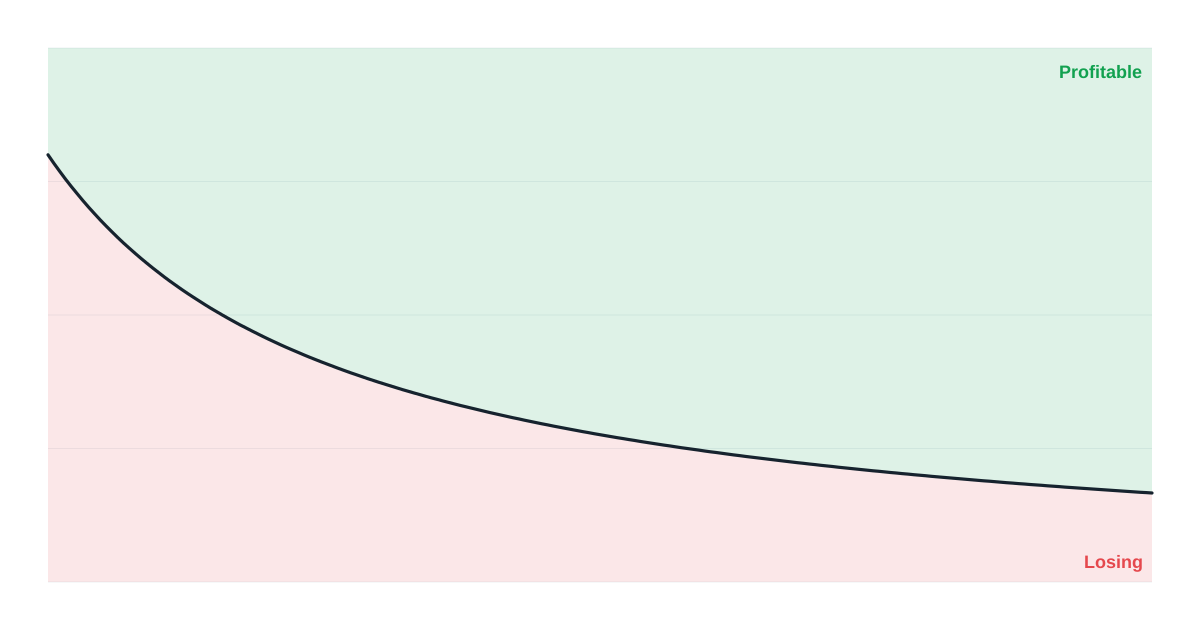
Win Rate vs Profit Factor: Which Metric Really Matters?
Why a high win rate can still lose money, how profit factor captures the full picture, and how to read the two metrics together to judge your trading.
Win rate, profit factor, expectancy, Sharpe and the other numbers that tell you whether you have an edge.
Why a high win rate can still lose money, how profit factor captures the full picture, and how to read the two metrics together to judge your trading.
How to calculate trading expectancy in dollars and in R, worked examples, and how to use expectancy to compare setups and decide what to trade.
How to calculate profit factor, what values are good for day traders and swing traders, its limitations, and how to use it alongside other metrics.
How the Sharpe ratio measures risk-adjusted returns, how to calculate it from daily trading returns, what values are typical, and its limitations for active traders.
How the Sortino ratio differs from the Sharpe ratio, how to calculate downside deviation, and when the Sortino ratio gives a fairer picture of a trading strategy.
How to calculate your average win and average loss, why their ratio matters as much as your win rate, and how to improve it.
Maximum adverse excursion (MAE) and maximum favorable excursion (MFE) reveal whether your stops are too tight and whether you exit winners too early. Here is how to use them.
How the Calmar ratio compares annual return with maximum drawdown, how to calculate it, what good values look like and when it is more useful than the Sharpe ratio.
What the System Quality Number is, how to calculate it from your R-multiples, how to read the scores, and the pitfalls of using it on small samples.
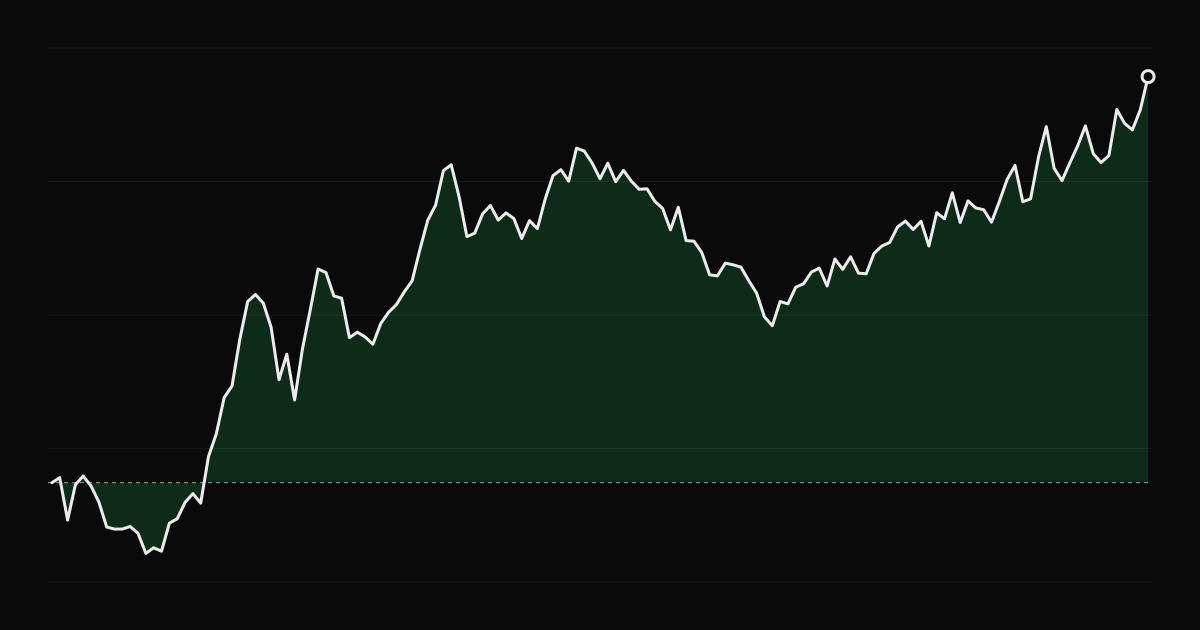
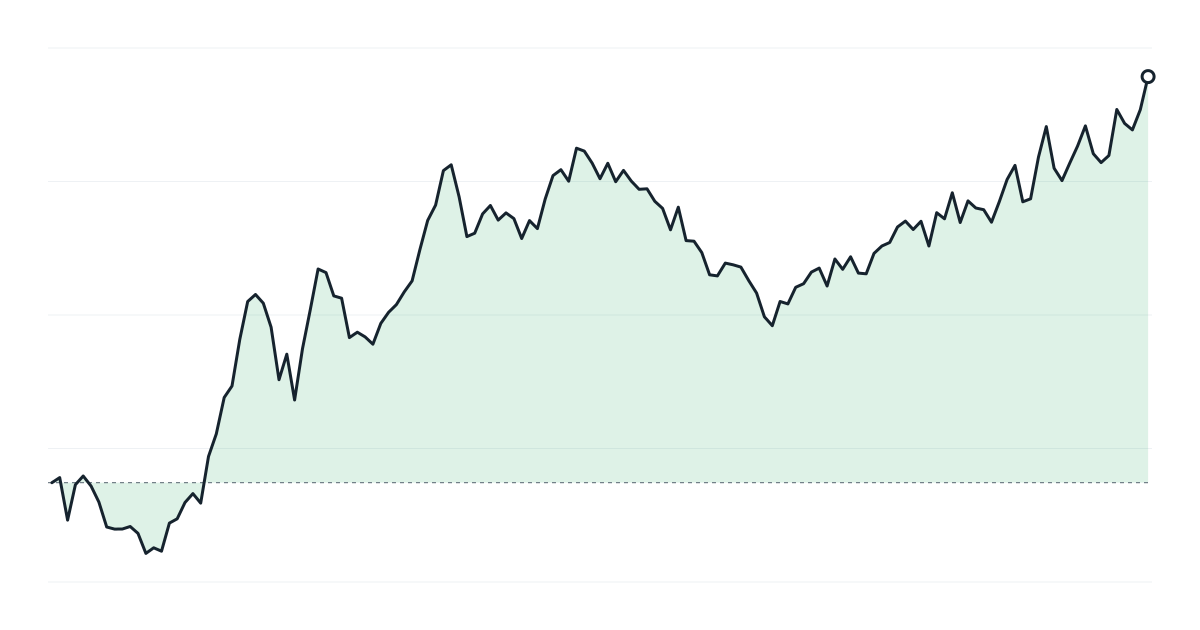
Your equity curve tells the story of your trading. Learn to read slope, smoothness, drawdowns, step changes and flat periods, and what each one suggests you should do.
How to measure whether your trading is consistent, using winning days and weeks, the share of profit from your best days, monthly results and streaks.
Why small samples mislead traders, how the number of trades affects the reliability of win rate and expectancy, and how to use Monte Carlo simulation to test your edge.
How analyzing trade duration reveals hidden habits, why many traders hold losing trades longer than winners, and how to use holding time to improve exits.
How commissions, exchange fees, spreads and slippage add up, how to calculate their impact on your edge, and practical ways to keep trading costs under control.