Strategy and analysis
VWAP Trading: How Day Traders Use the Volume-Weighted Average Price
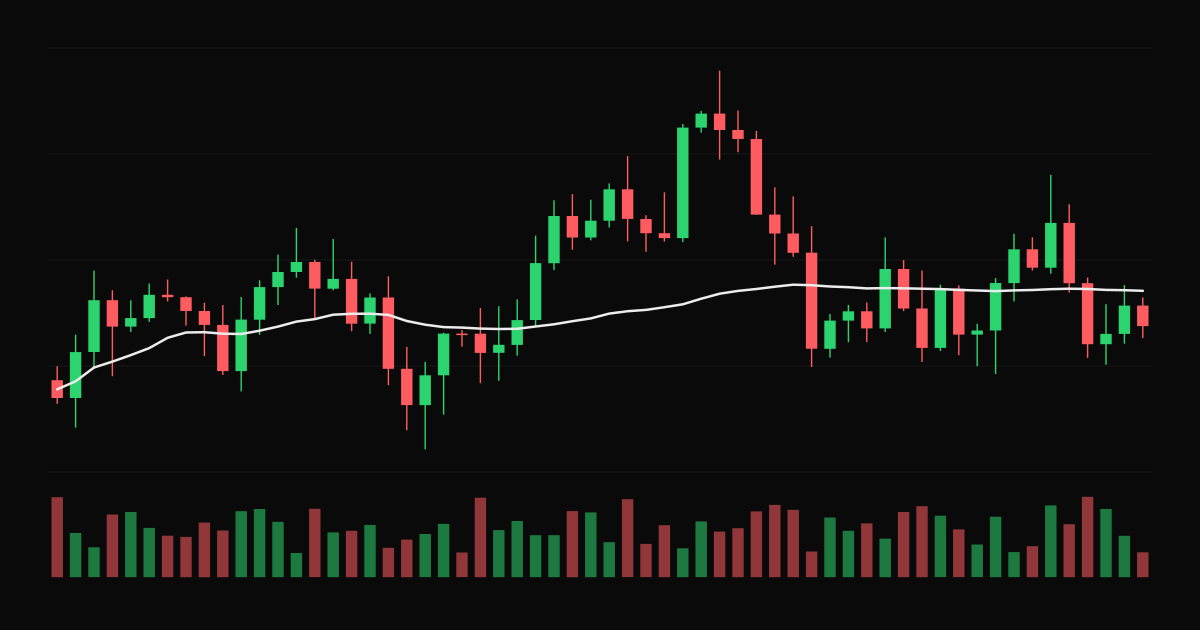
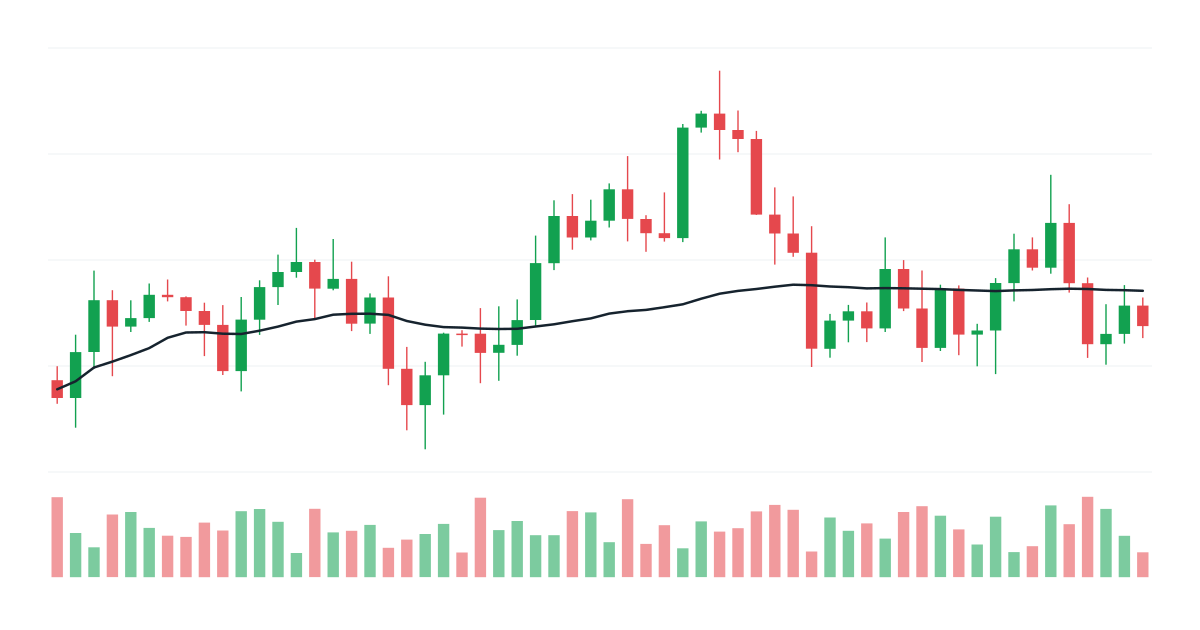
What VWAP is, how it is calculated, why institutions watch it, and how day traders use VWAP for trend bias, pullback entries and reclaim setups.
How breakout trading works, what makes a breakout more reliable, entries, stops and targets, and how to deal with false breakouts.
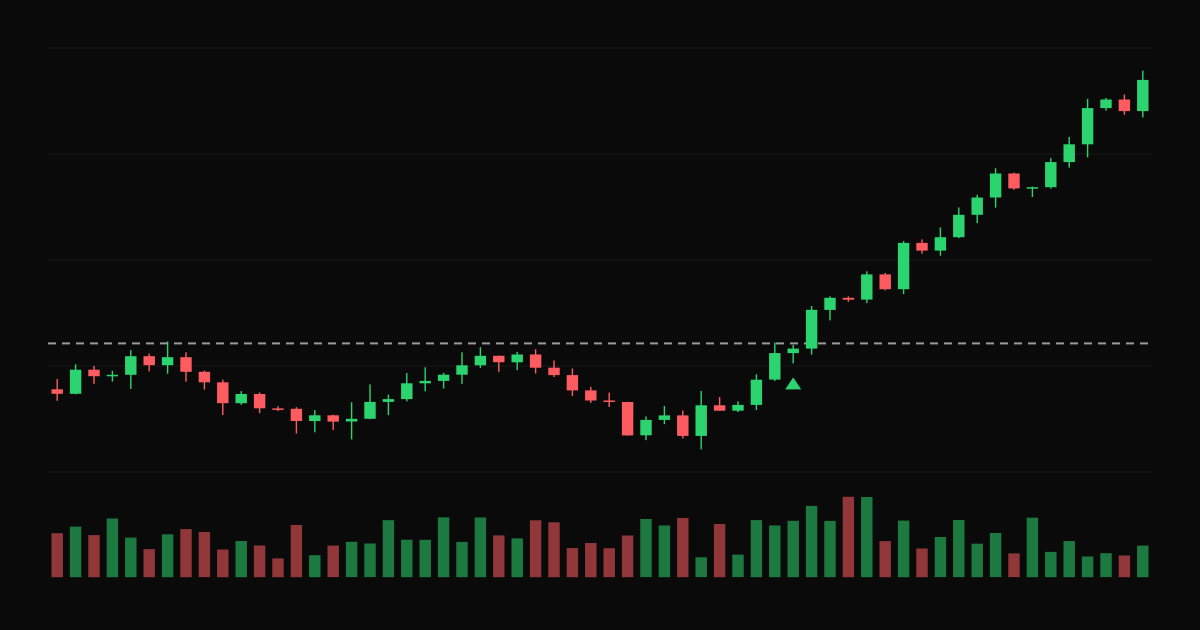
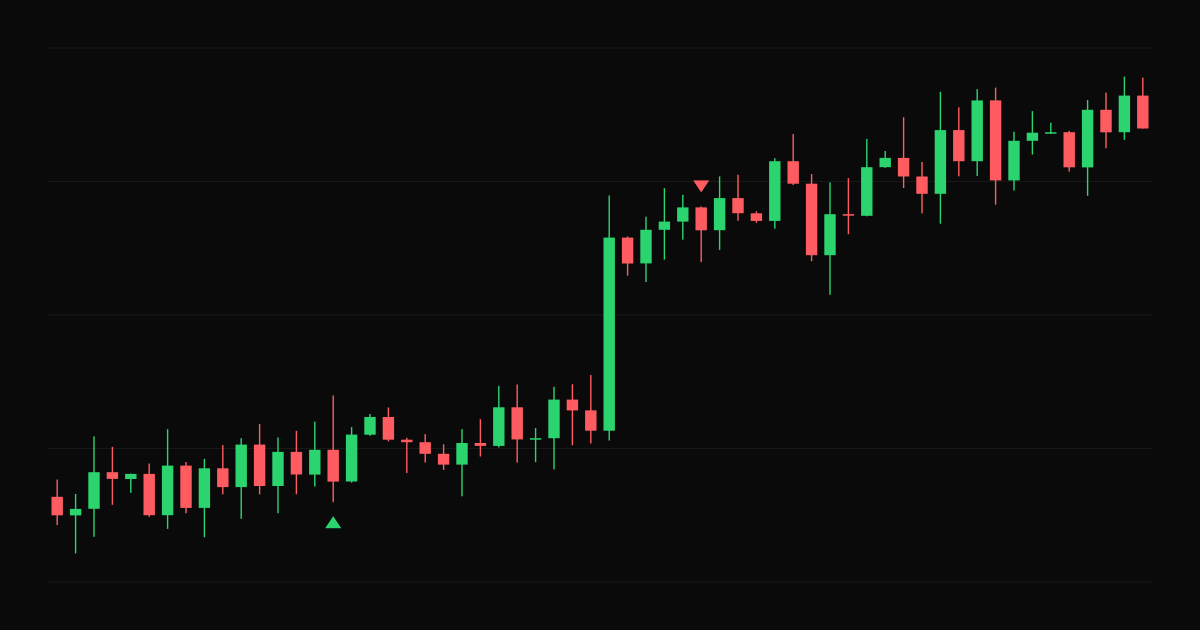
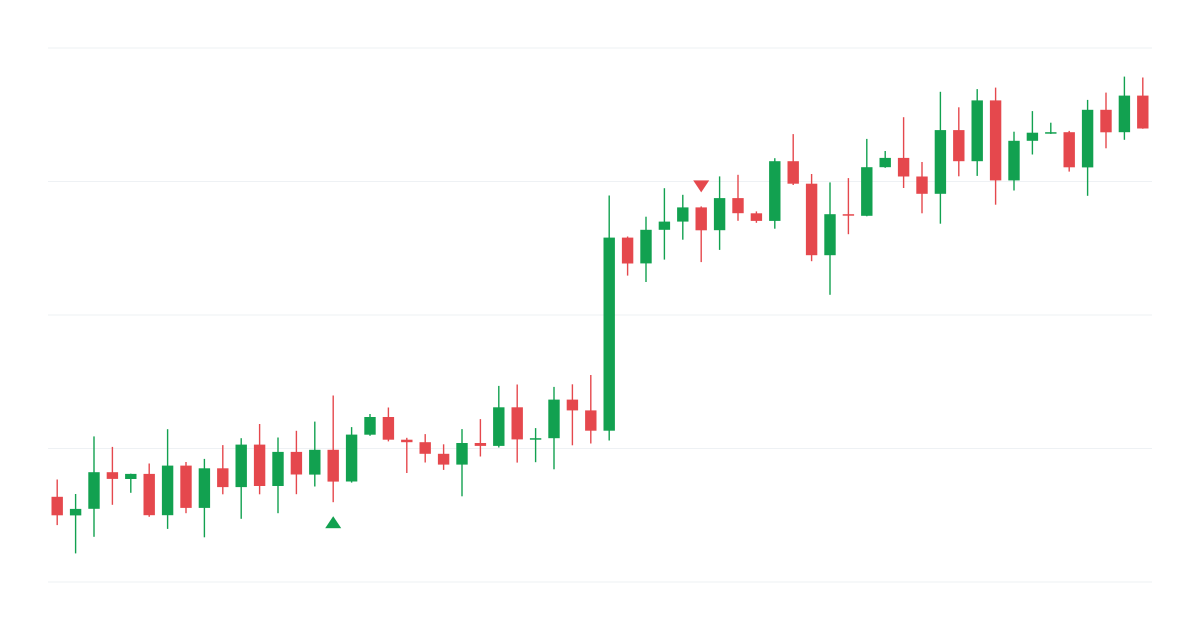
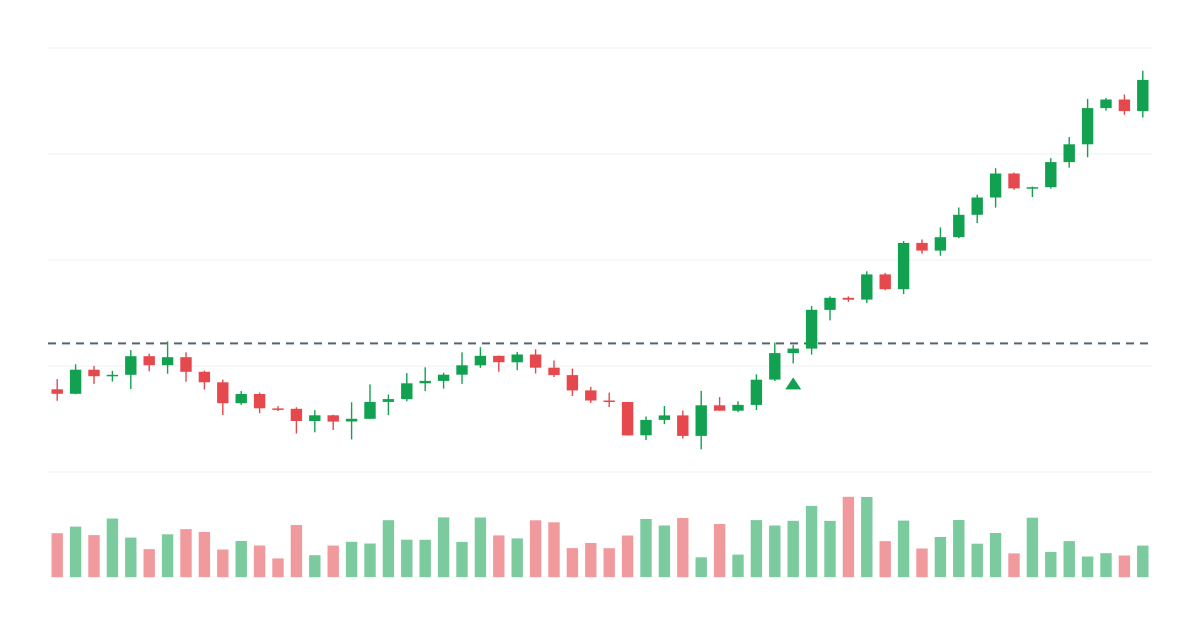
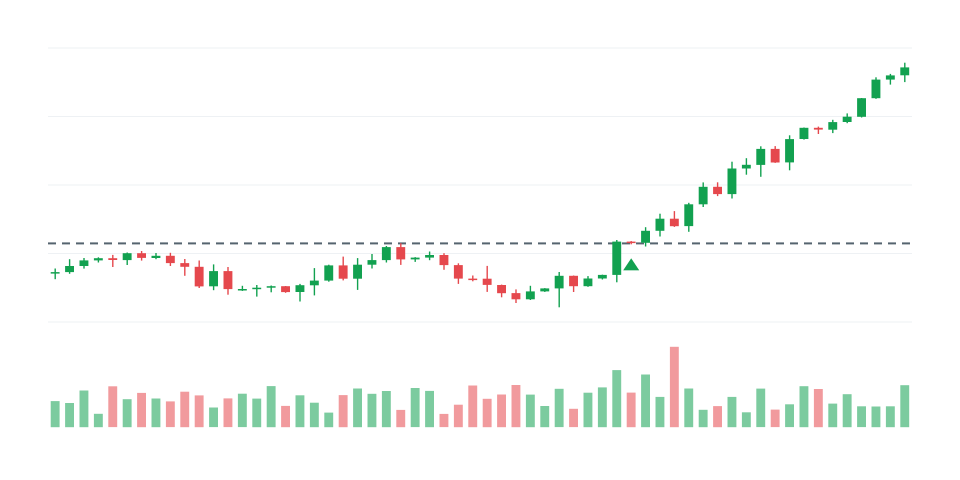
A breakout happens when price moves beyond a level that has contained it, such as the top of a range or a key resistance. Breakout traders aim to catch the start of a new move as orders cluster beyond the level and the price accelerates.
No breakout is certain, but traders often look for:
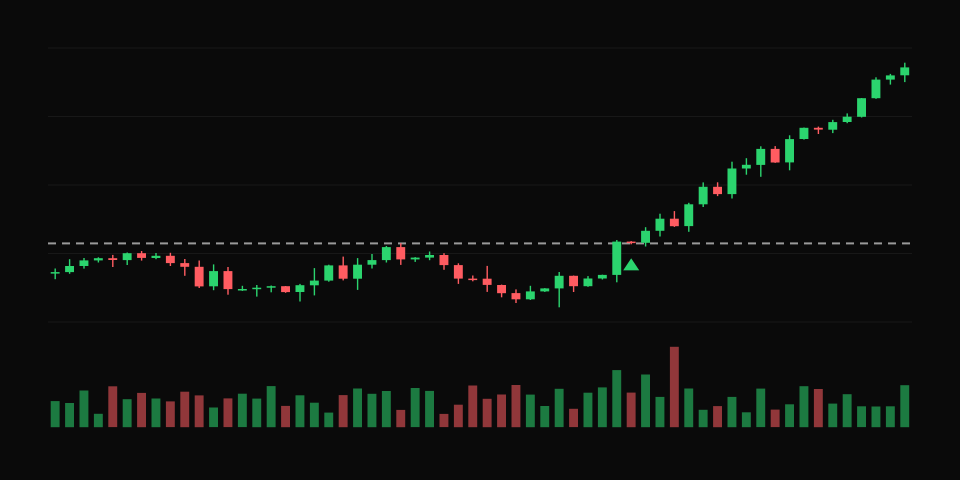
Many breakouts fail. Price pokes through the level, then falls back. To manage them:
Some traders trade the failure itself, entering in the opposite direction when a breakout reverses back into the range.
Breakout strategies often have modest win rates and depend on a few large winners. Judge them with expectancy and average R over a large sample, not by the last few trades.
Tag breakout trades, compare their results with other setups in the reports, and review each one on the price chart. Related: opening range breakout.
What VWAP is, how it is calculated, why institutions watch it, and how day traders use VWAP for trend bias, pullback entries and reclaim setups.
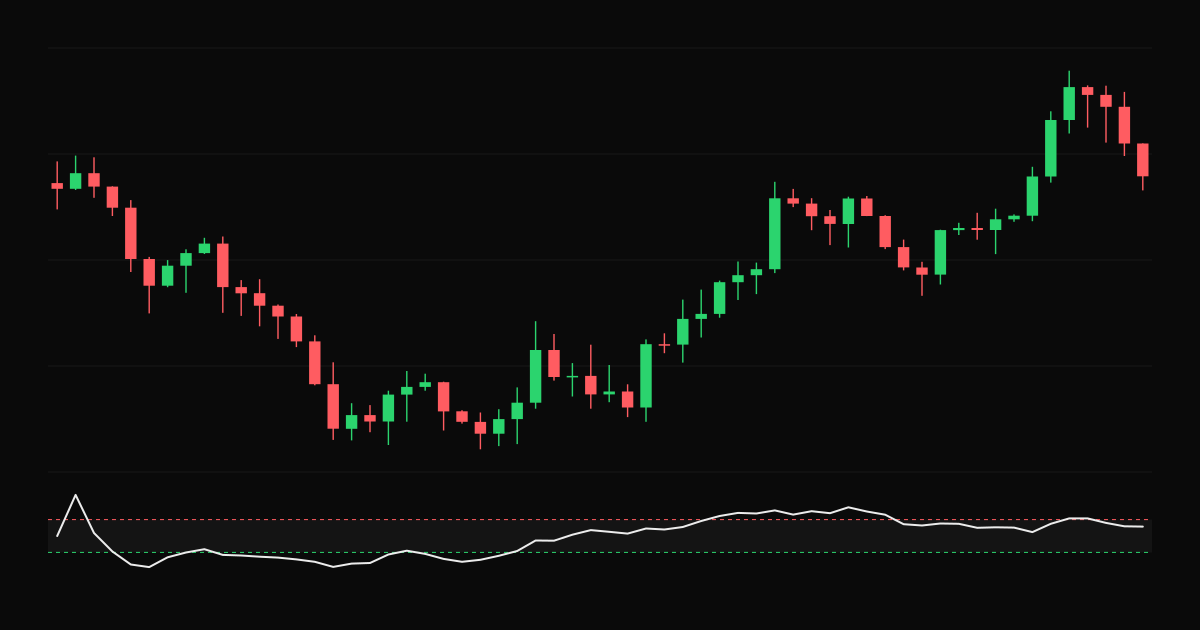
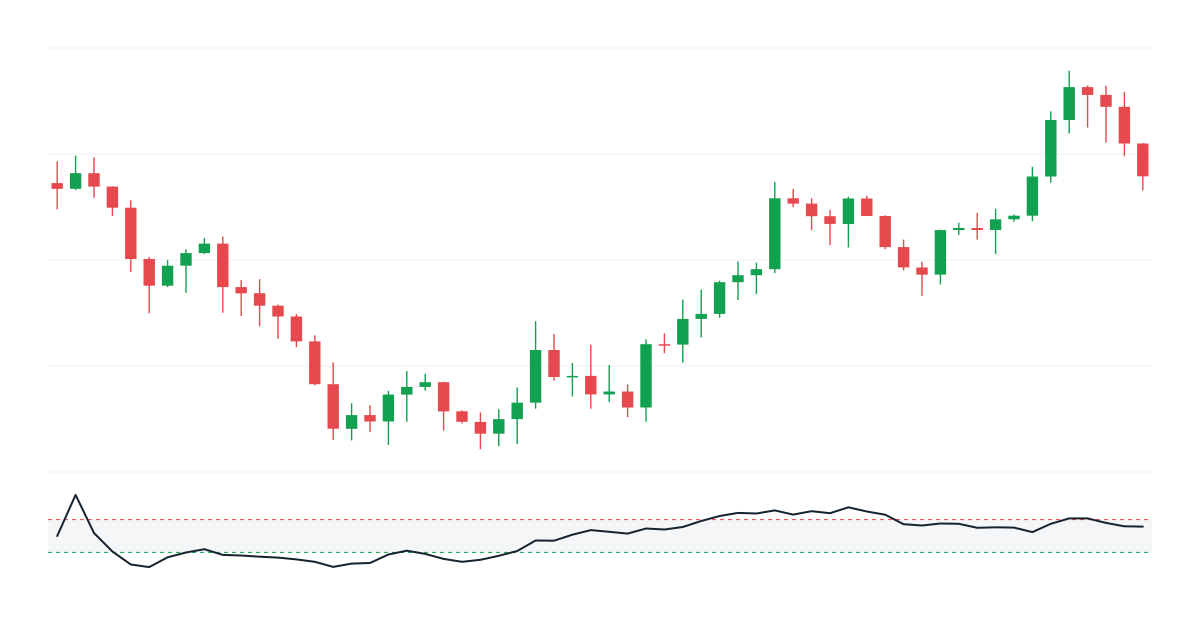
How the relative strength index is calculated, what overbought and oversold really mean, divergences, and how to use RSI as a filter rather than a signal on its own.
Why stocks gap at the open, the difference between gap-and-go and gap-fade setups, what affects which one works, and how to manage the risk of trading gaps.