Trading journal
How to Keep a Trading Journal That Actually Improves Your Trading
A practical guide to keeping a trading journal: what to record, when to write, how to review it each week and how to turn your notes into better rules.
Practical guides on trading journals, risk, performance metrics, options and trading psychology, written for traders who want to understand their own numbers.
A practical guide to keeping a trading journal: what to record, when to write, how to review it each week and how to turn your notes into better rules.
What revenge trading is, why it happens after a loss, the warning signs, and practical rules that stop one bad trade from turning into a bad day.
A step-by-step guide to position sizing for stocks, options and futures: the fixed-risk formula, worked examples, and the mistakes that make good strategies lose money.
Why a high win rate can still lose money, how profit factor captures the full picture, and how to read the two metrics together to judge your trading.
A plain-English guide to the option greeks: what delta, gamma, theta, vega and rho measure, how they change, and how traders use them to understand risk.
A beginner-friendly guide to futures: what a contract is, contract specifications, tick size and value, margin, leverage, expiration and how P&L is calculated.
What backtesting tells you, what it cannot, why live trading results differ, and how a trading journal closes the gap between a strategy on paper and in practice.
How the US wash sale rule disallows losses when you rebuy within 30 days, how the disallowed loss carries into the new position, examples, and how active traders keep track.
The fields every trading journal should have, from entry and exit details to setup, mistakes, emotions and execution rating, with examples of each.
Fear of missing out makes traders chase entries, skip their plan and buy tops. Learn the signs of FOMO and practical ways to trade calmly when a move takes off without you.
The 1% rule says to risk no more than 1% of your account per trade. Learn the math behind it, when 2% or 0.5% may fit better, and how it protects you from ruin.
How to calculate trading expectancy in dollars and in R, worked examples, and how to use expectancy to compare setups and decide what to trade.
How a covered call works, its payoff at expiration, a worked example, the risks of assignment and capped upside, and how to track covered calls in a journal.
How micro futures contracts work, how they compare with standard and E-mini contracts, and why they make risk management easier for smaller accounts.
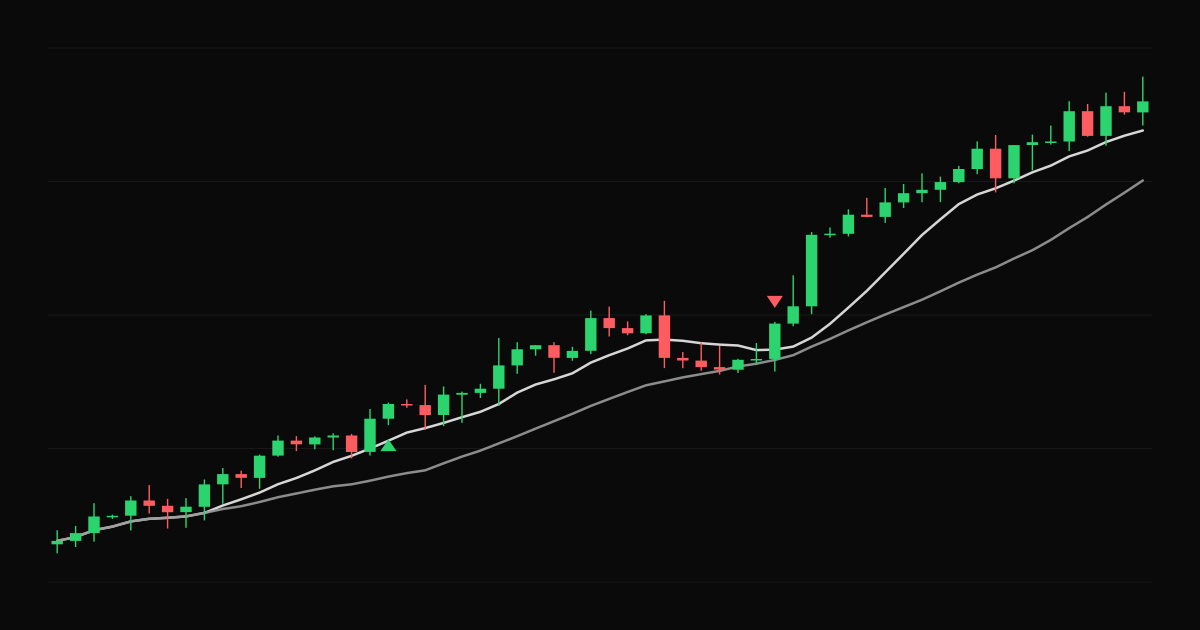
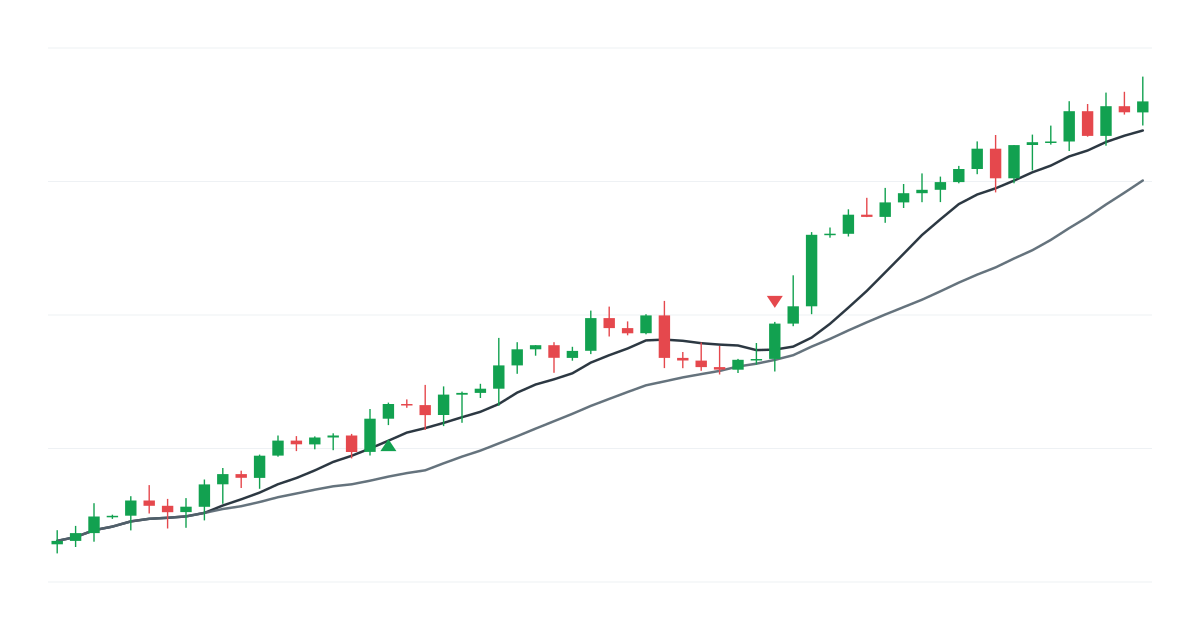
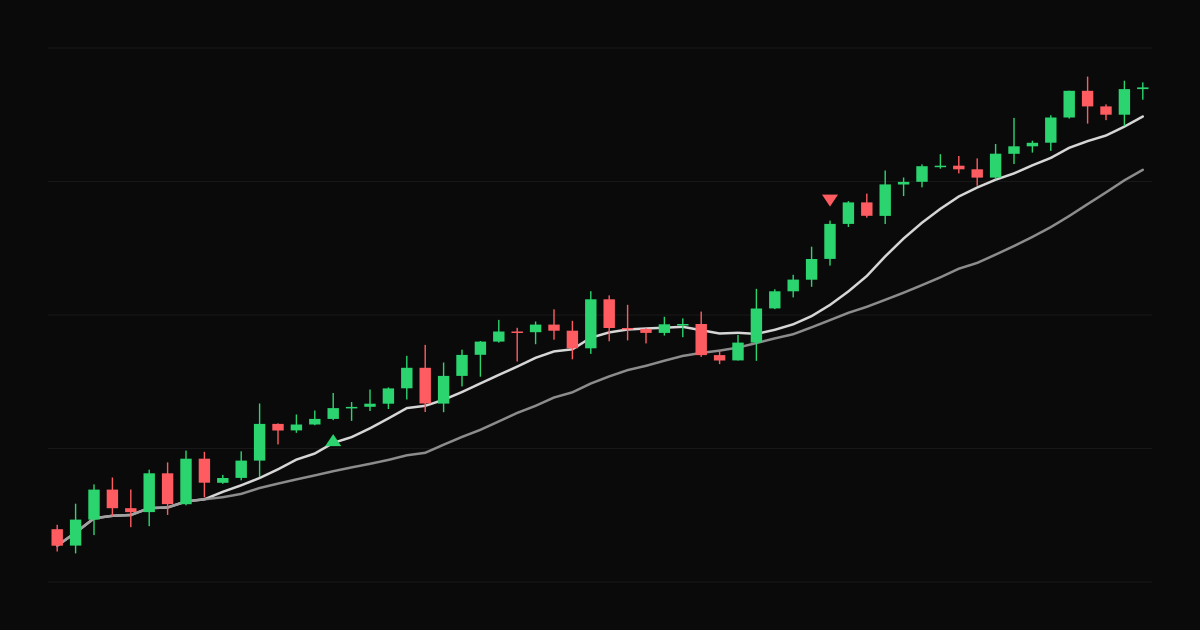
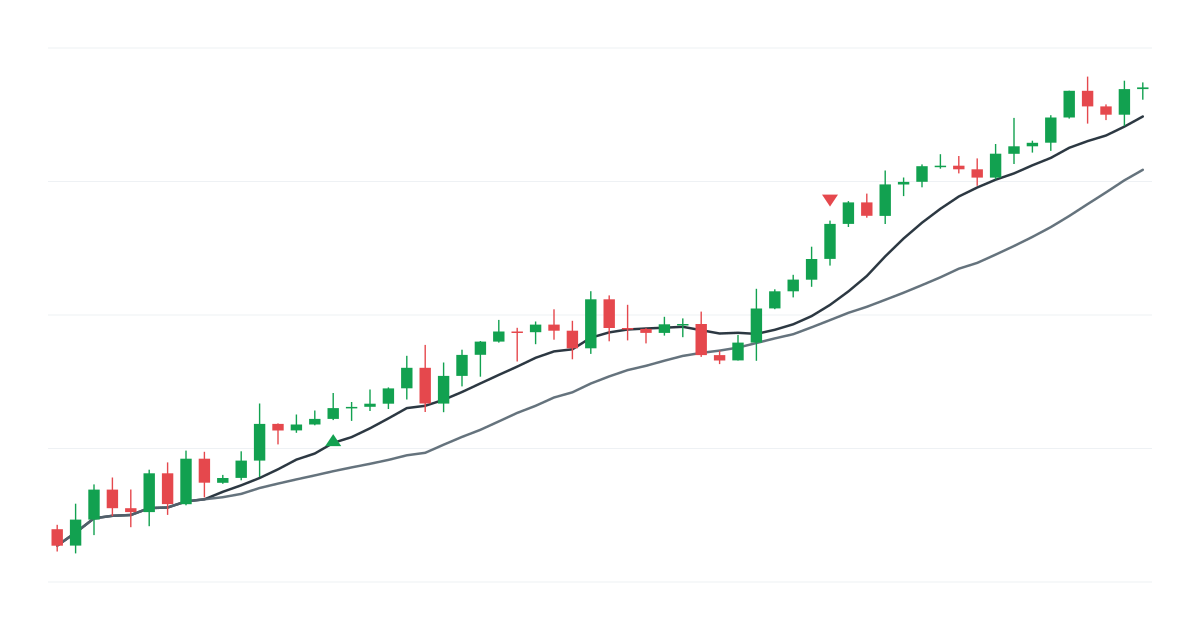
How traders use simple and exponential moving averages for trend direction, crossover signals, pullback entries and trailing stops, and the trade-offs of each approach.
How the IRS distinguishes investors, traders and dealers, what trader tax status means, how the section 475(f) mark-to-market election works and its deadlines.
A free trading journal template for daily, per-trade and weekly entries, with the exact questions to answer and how to adapt it for stocks, options and futures.
How to tell if you are overtrading, why more trades often means lower profits, and practical limits that keep you focused on your best setups.
How to place a stop loss using structure, volatility, percentage, time and indicators, with the pros and cons of each and the common mistakes to avoid.
How to calculate profit factor, what values are good for day traders and swing traders, its limitations, and how to use it alongside other metrics.
How selling a cash-secured put works, its payoff, a worked example with break-even and assignment, the risks, and how it compares with a covered call.
How pips, pipettes and lot sizes work in forex, how to calculate pip value and position size, and how leverage and swap affect your results.
What support and resistance are, how to identify meaningful levels, why levels can flip, and how to use them for entries, stops and targets.
What section 1256 contracts are, how the 60/40 rule and year-end mark-to-market work, which instruments qualify, and how they are reported on Form 6781.
How to run a weekly trading review: the numbers to check, the questions to ask, and how to pick one change for next week. Includes a step-by-step routine.
Loss aversion makes traders hold losers and sell winners too early. Learn how this bias shows up in your trades and how to counter it with rules and data.
What the risk-reward ratio means, the break-even win rate for each ratio, and why a high ratio alone does not make a strategy profitable.
How the Sharpe ratio measures risk-adjusted returns, how to calculate it from daily trading returns, what values are typical, and its limitations for active traders.
How an iron condor works, its four legs, maximum profit and loss, break-even prices, a worked example, and how to manage it before expiration.
What CFDs are, how they work, margin and leverage, overnight financing, the risks for retail traders, and how to track CFD trades from MT4, MT5 and other platforms.
How breakout trading works, what makes a breakout more reliable, entries, stops and targets, and how to deal with false breakouts.
How US capital gains are classified by holding period, how short-term and long-term gains are taxed, the $3,000 loss limit, carryforwards and reporting basics.
The pros and cons of tracking trades in Excel or Google Sheets versus a dedicated trading journal, and when it makes sense to switch.
Taking profits too soon is one of the most common reasons traders with a good win rate still lose money. Here is how to diagnose it and fix it with exit rules.
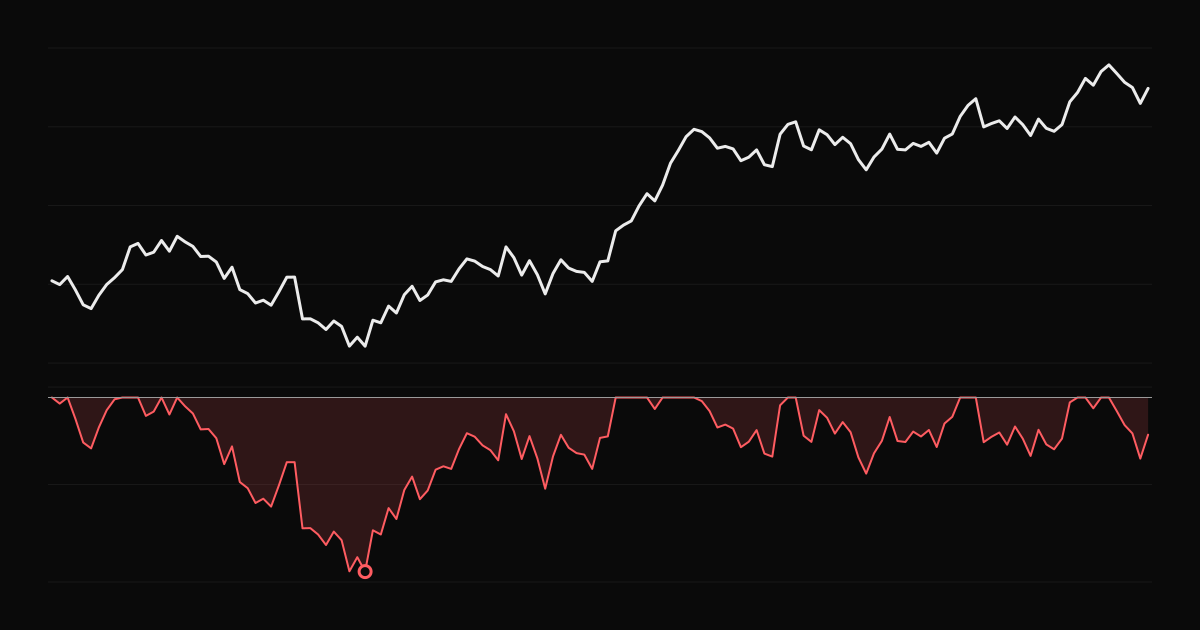
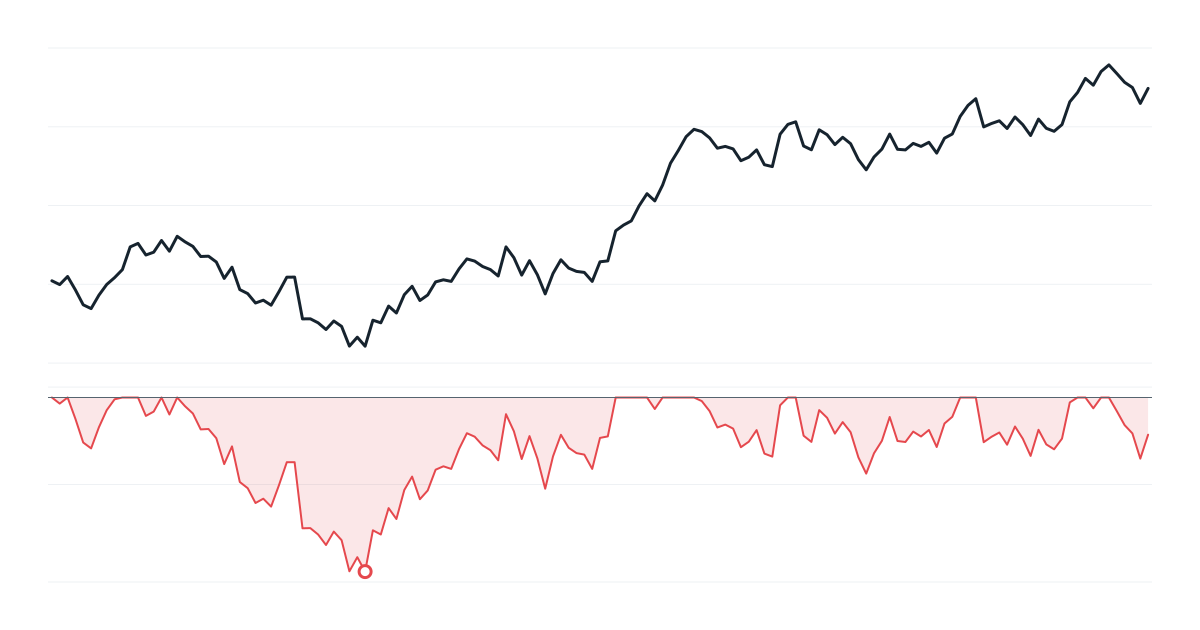
What maximum drawdown is, how to calculate it, the gain needed to recover from each drawdown, and how to keep drawdowns small enough to survive.
How the Sortino ratio differs from the Sharpe ratio, how to calculate downside deviation, and when the Sortino ratio gives a fairer picture of a trading strategy.
How debit vertical spreads work, how to calculate maximum profit, maximum loss and break-even, and why traders use spreads instead of single options.
How to export your trading history from MetaTrader 4 and MetaTrader 5, what the built-in reports miss, and how to analyze forex and CFD trades in a journal.
What VWAP is, how it is calculated, why institutions watch it, and how day traders use VWAP for trend bias, pullback entries and reclaim setups.
Which trading records to keep, for how long, and how to organize statements, confirmations, deposits, fees and journal notes so tax time and analysis are easy.
A simple tagging system for your trading journal that makes it easy to see which setups make money and which mistakes cost the most.
Discipline in trading comes from clear rules and simple routines, not willpower. Here are ten rules most consistent traders use, and how to make them stick.
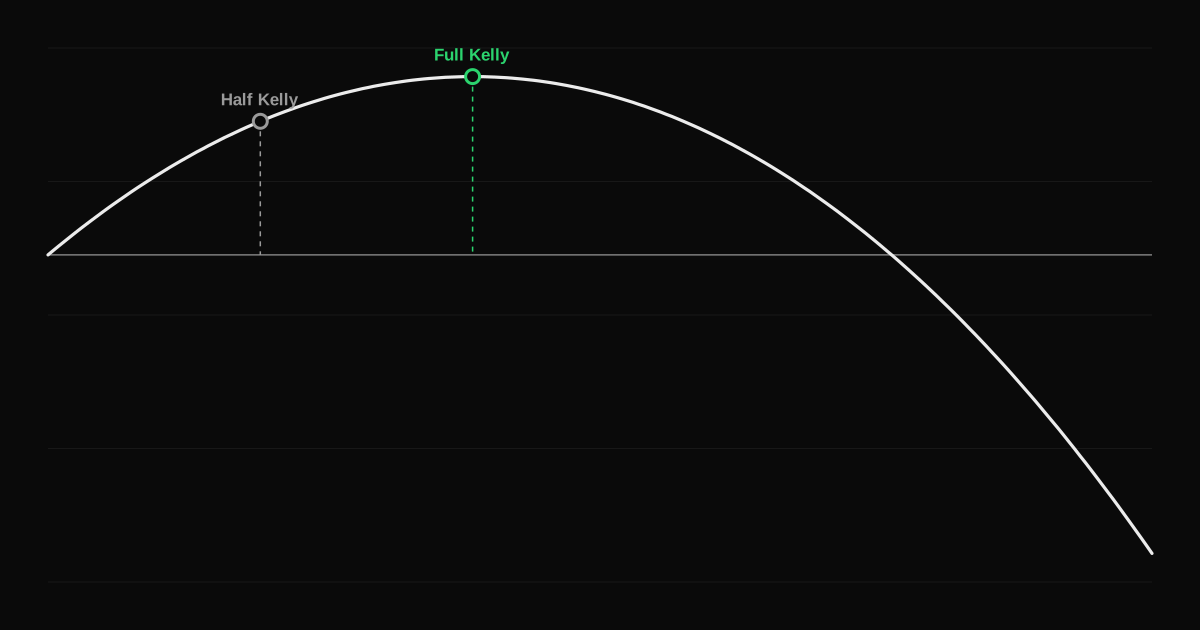
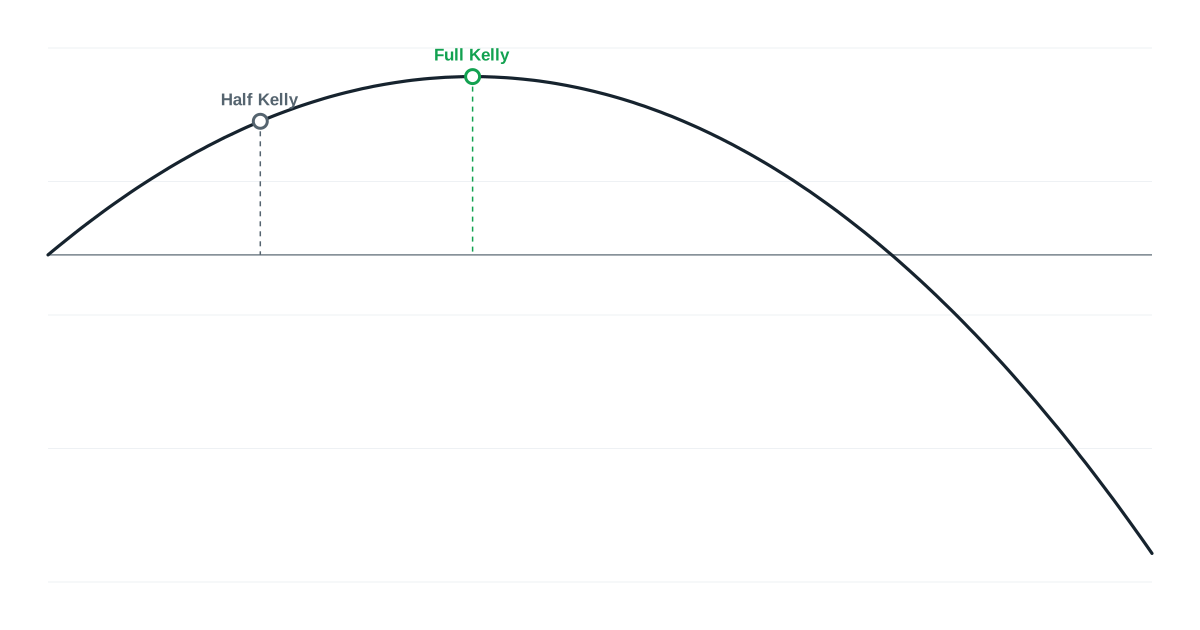
How the Kelly criterion calculates the bet size that maximizes long-term growth, how to apply it to trading, and why most traders use half Kelly or less.
How to calculate your average win and average loss, why their ratio matters as much as your win rate, and how to improve it.
How credit spreads work, how to calculate the credit, maximum loss and break-even, how they compare with naked options, and how to manage them.
How to journal crypto trades across exchanges, handle fees paid in different coins, funding payments and 24/7 markets, and which metrics matter for crypto traders.
How the relative strength index is calculated, what overbought and oversold really mean, divergences, and how to use RSI as a filter rather than a signal on its own.
A guide to the main sections of a brokerage statement, what each line means, how to spot fees and corporate actions, and how to reconcile your statement with your journal.
A step-by-step pre-market routine and checklist for day traders: market context, watchlist, levels, risk limits and a mental check before the open.
Losing streaks are normal even for profitable traders. Learn how long they can last, how to tell bad luck from a broken strategy, and what to do while you are in one.
How to set a daily loss limit for day trading, why it works, how big it should be, and how to make sure you actually stop when you hit it.
Maximum adverse excursion (MAE) and maximum favorable excursion (MFE) reveal whether your stops are too tight and whether you exit winners too early. Here is how to use them.
How long straddles and strangles work, their costs and break-evens, how volatility affects them, and when traders choose one over the other.
Why futures need to be rolled, how to identify the roll period, calendar spreads, the costs of rolling, and how rollover affects your charts and journal.
Why stocks gap at the open, the difference between gap-and-go and gap-fade setups, what affects which one works, and how to manage the risk of trading gaps.
How to export trades from your broker, which report to choose, common CSV problems with dates, symbols and time zones, and how to check an import is complete.
The questions to ask after each trade and each session to separate bad luck from bad decisions, with examples of honest answers.
How confirmation bias leads traders to ignore warning signs, hold losing positions and overrate their ideas, and practical habits that counter it.
How to use the average true range (ATR) to set stop losses and position sizes that adapt to volatility, with formulas, multipliers and examples.
How the Calmar ratio compares annual return with maximum drawdown, how to calculate it, what good values look like and when it is more useful than the Sharpe ratio.
What implied volatility is, how it relates to expected moves, IV rank and percentile, volatility crush after events, and how IV affects option strategies.
The Sydney, Tokyo, London and New York forex sessions, when they overlap, how volatility changes through the day, and how to find the session that suits you.
How to trade pullbacks within a trend, how to tell a healthy pullback from a reversal, entry triggers, stop placement and how to measure your pullback setups.
How the old US pattern day trader rule and $25,000 minimum worked, what FINRA's new intraday margin standards change from June 2026, and what still applies.
Why chart screenshots make your trading journal more useful, what each screenshot should show, and how to review them to find patterns in your entries and exits.
Tilt is the emotional state where frustration takes over your trading. Learn the triggers, the warning signs, and a step-by-step plan to stop before the damage is done.
What risk of ruin means in trading, the factors that drive it, and how risk per trade, win rate and payoff ratio change your chance of a catastrophic drawdown.
What the System Quality Number is, how to calculate it from your R-multiples, how to read the scores, and the pitfalls of using it on small samples.
How theta and time decay work, why decay speeds up near expiration, how it affects long and short option positions, and how to use it in your strategy.
How funded trader and prop firm evaluations typically work, the common rules on daily loss, trailing drawdown and consistency, and how to track them so you do not fail on a technicality.
The core principles of trend following, typical entry and exit rules, the low win rate and long drawdowns to expect, and how a journal helps you stay disciplined.
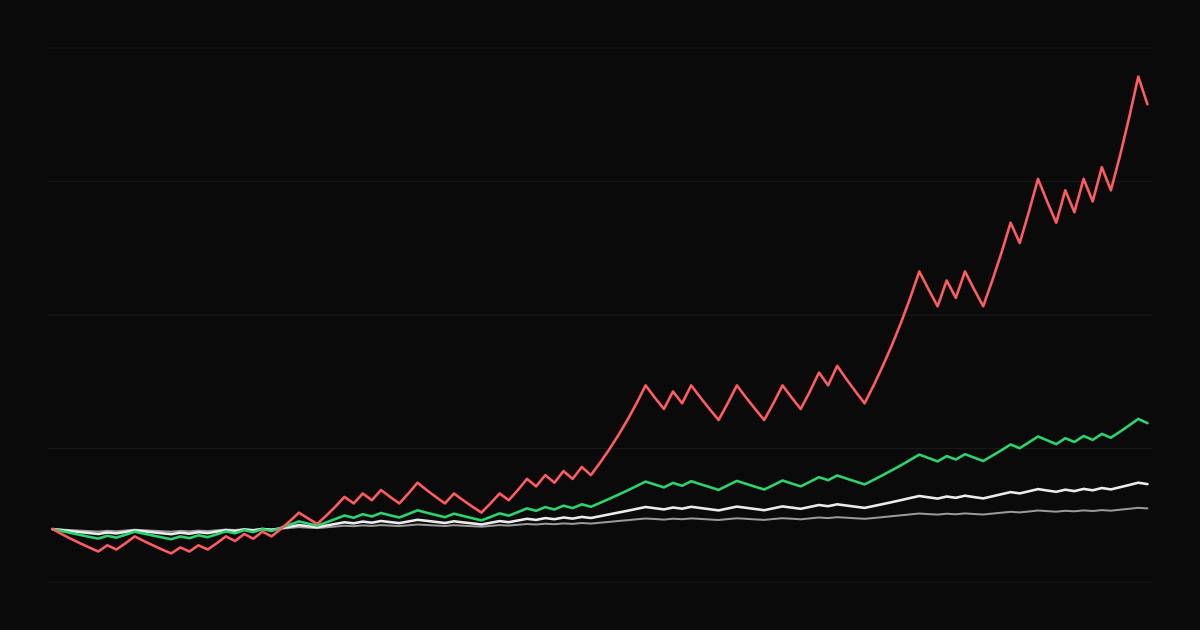
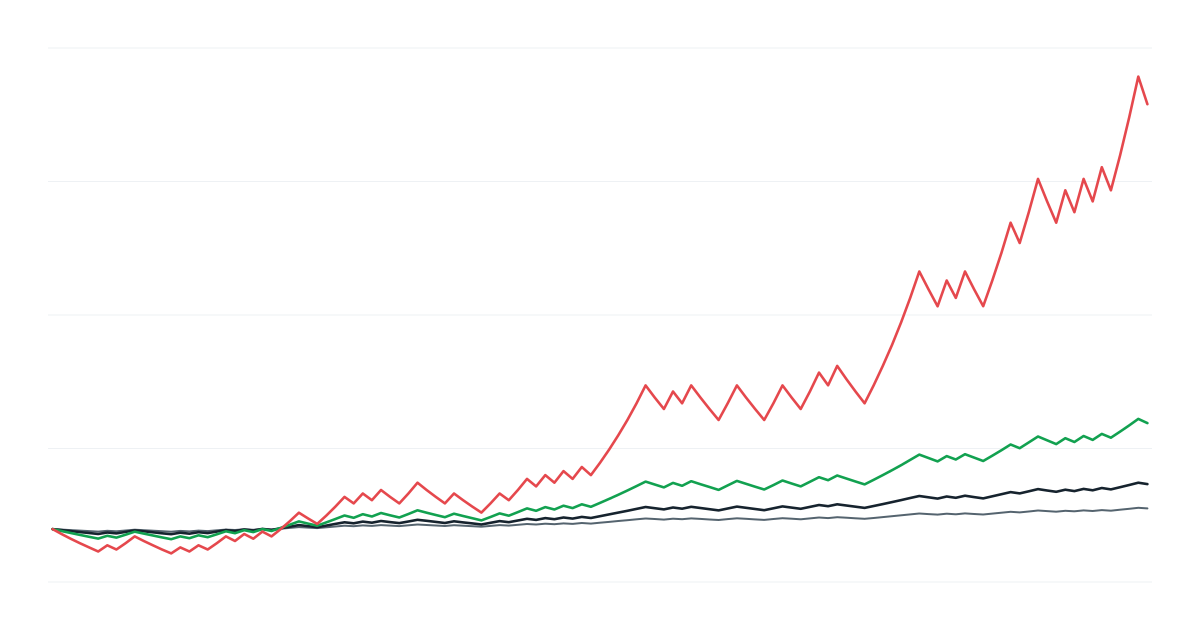
How compounding works in a trading account, why small consistent returns grow large over time, why drawdowns hurt compounding, and how to set realistic expectations.
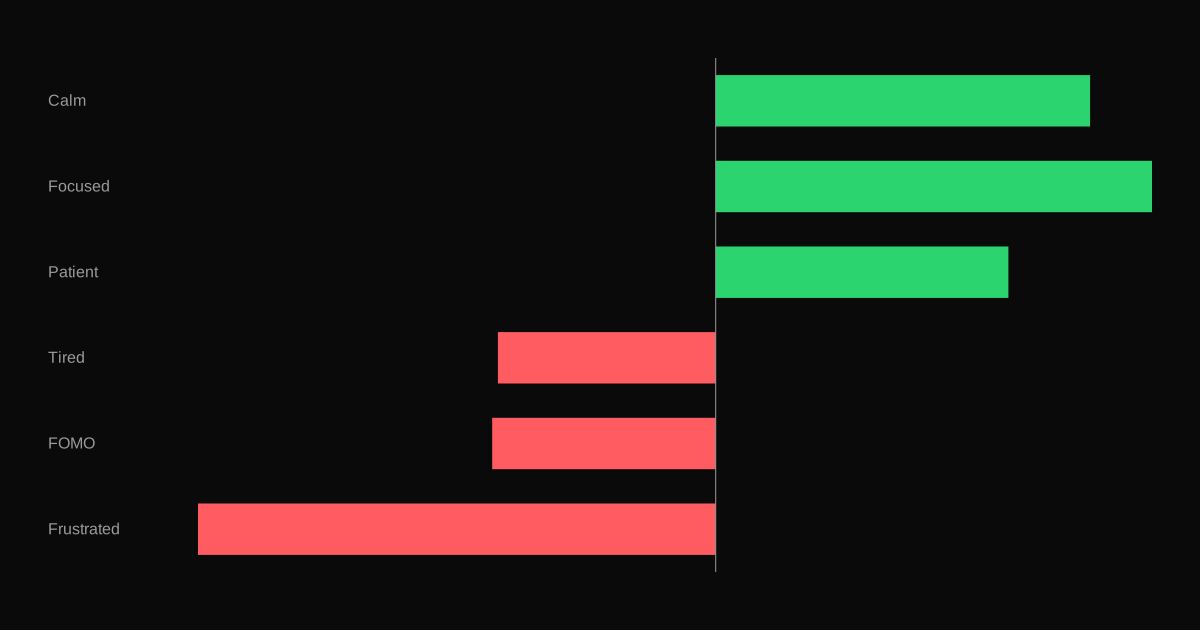
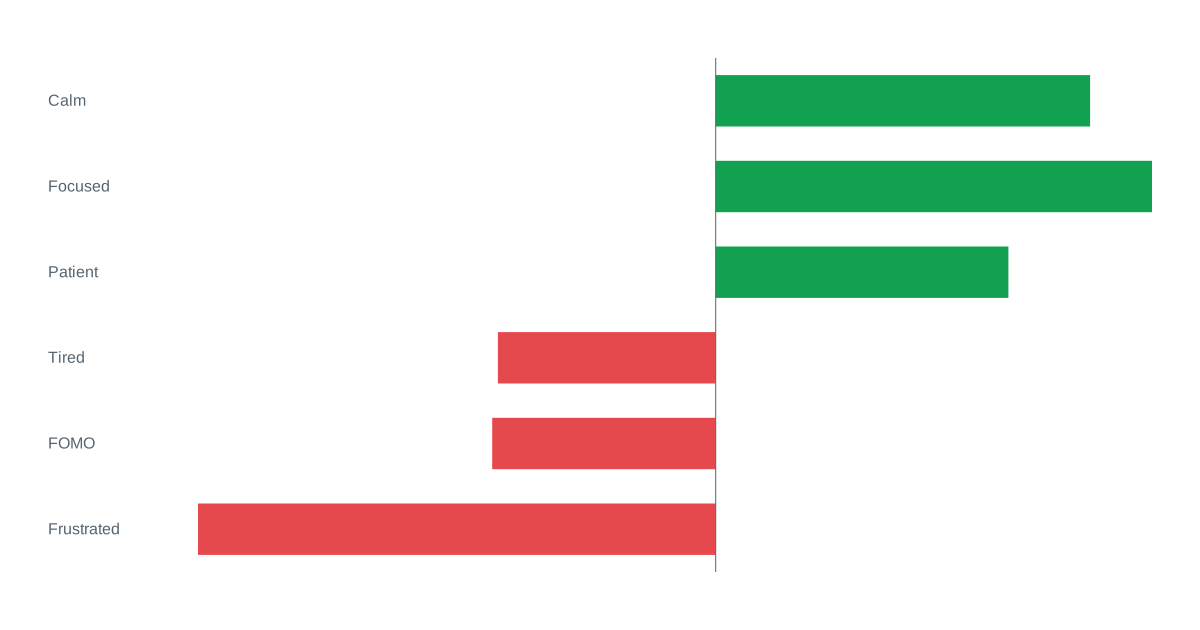
Recording your mood before and after trading reveals how emotions affect your results. Here is a simple method and how to analyze what you find.
Long hours, constant screen time and emotional swings can lead to trading burnout. Here are the signs and the habits that keep trading sustainable for the long run.
What R-multiples are, how to calculate them, and why measuring trades in units of risk makes your results comparable, honest and easier to improve.
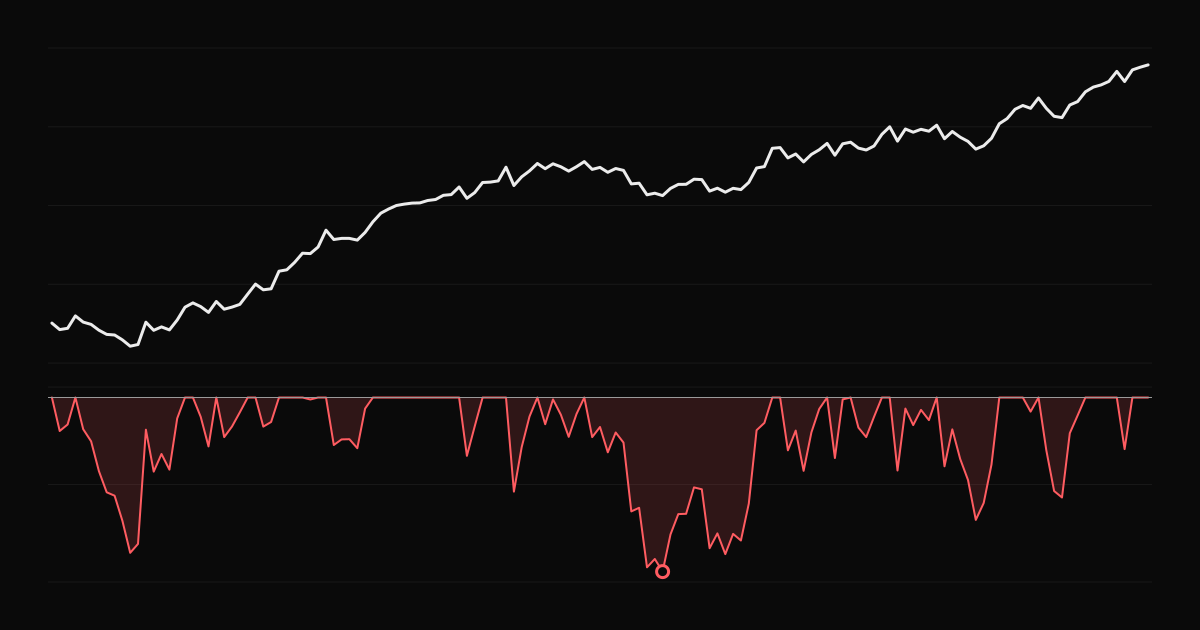
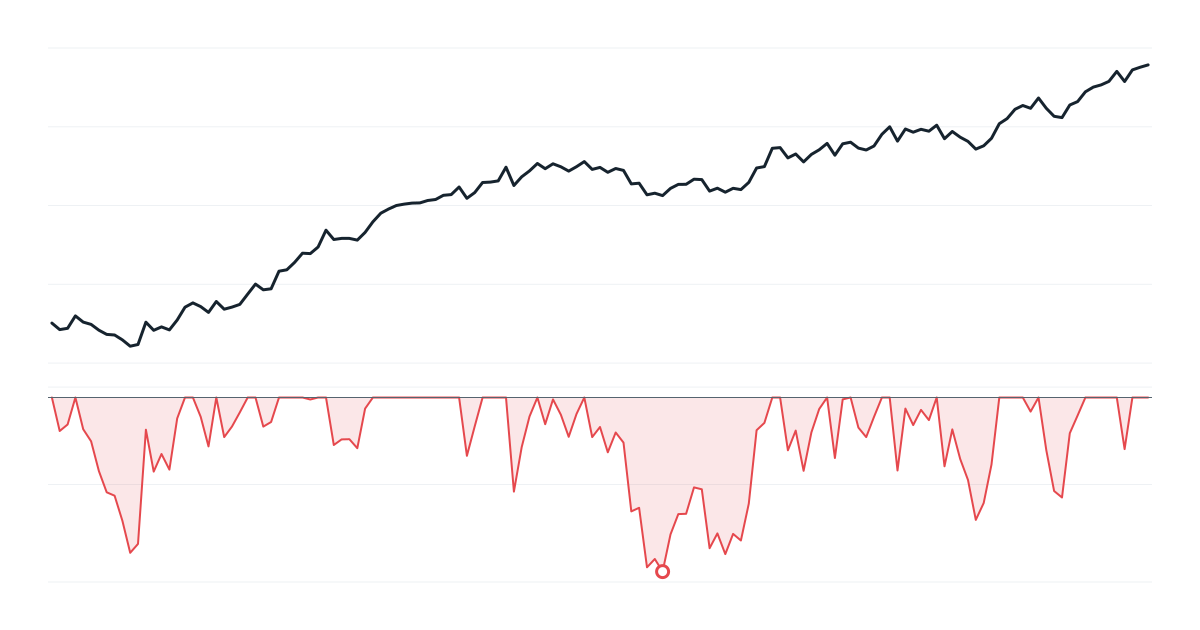
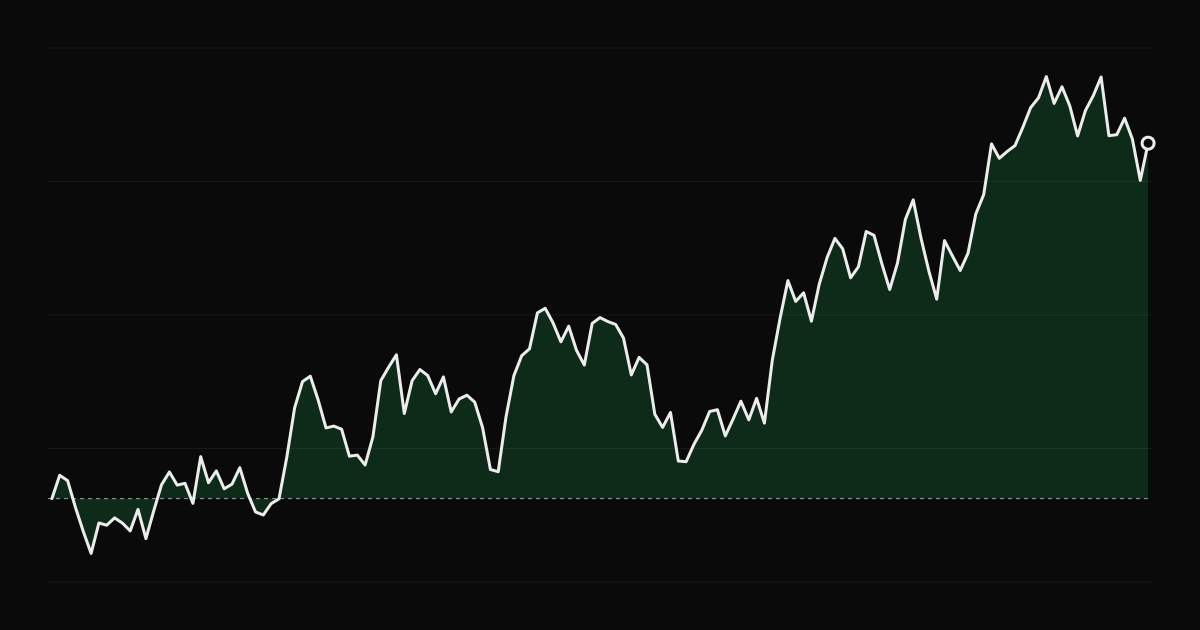
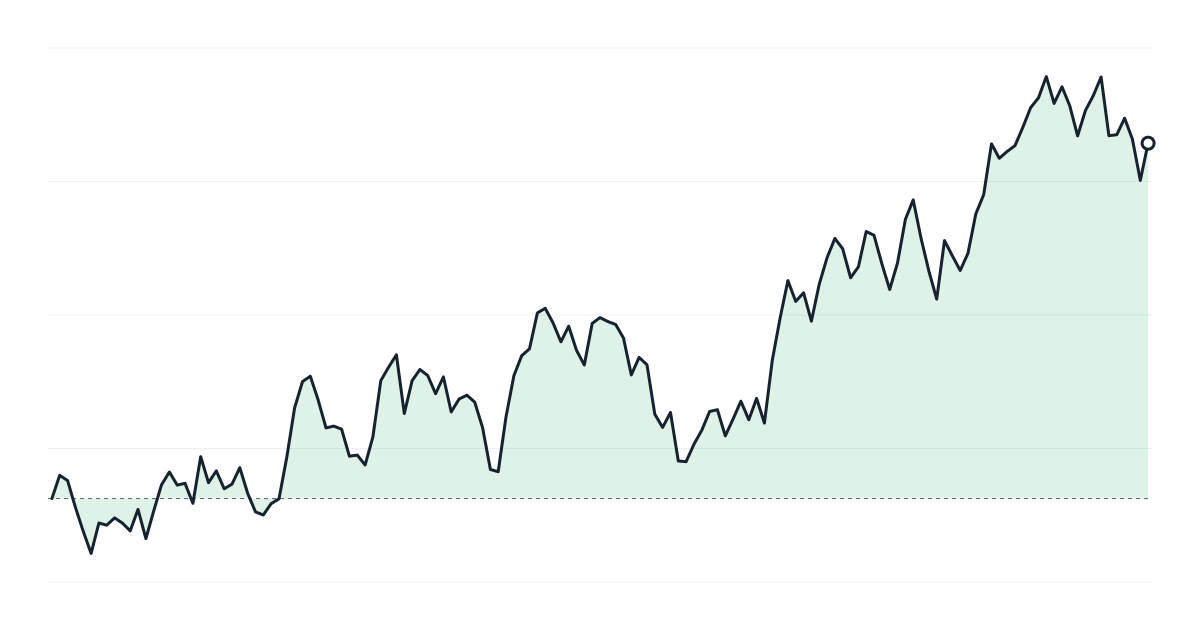
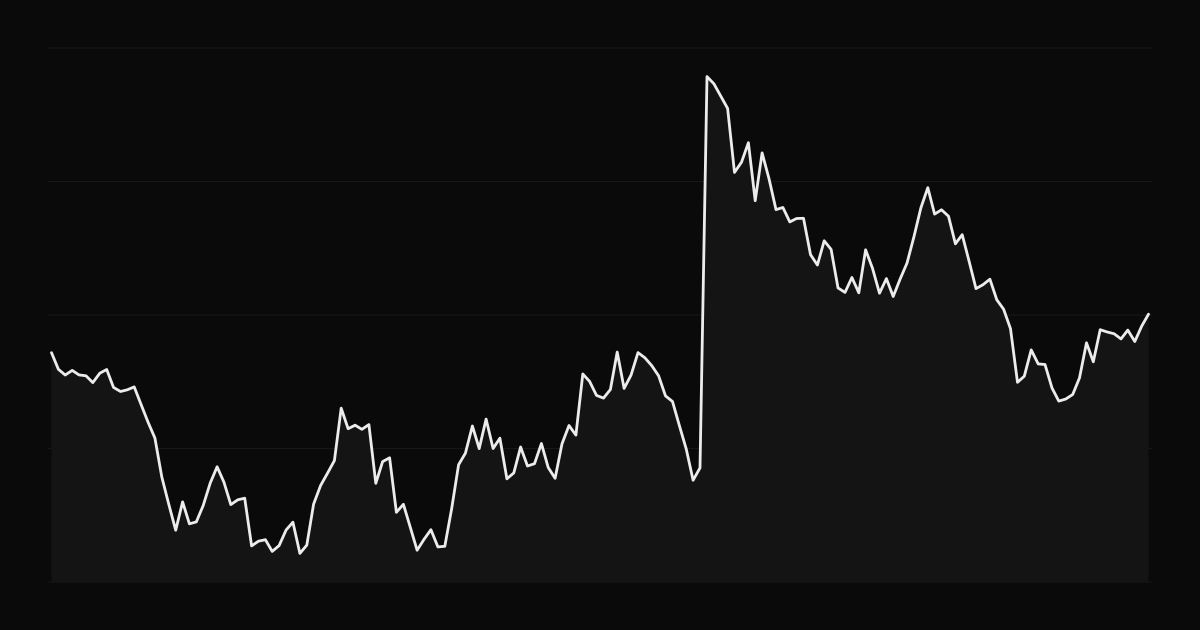
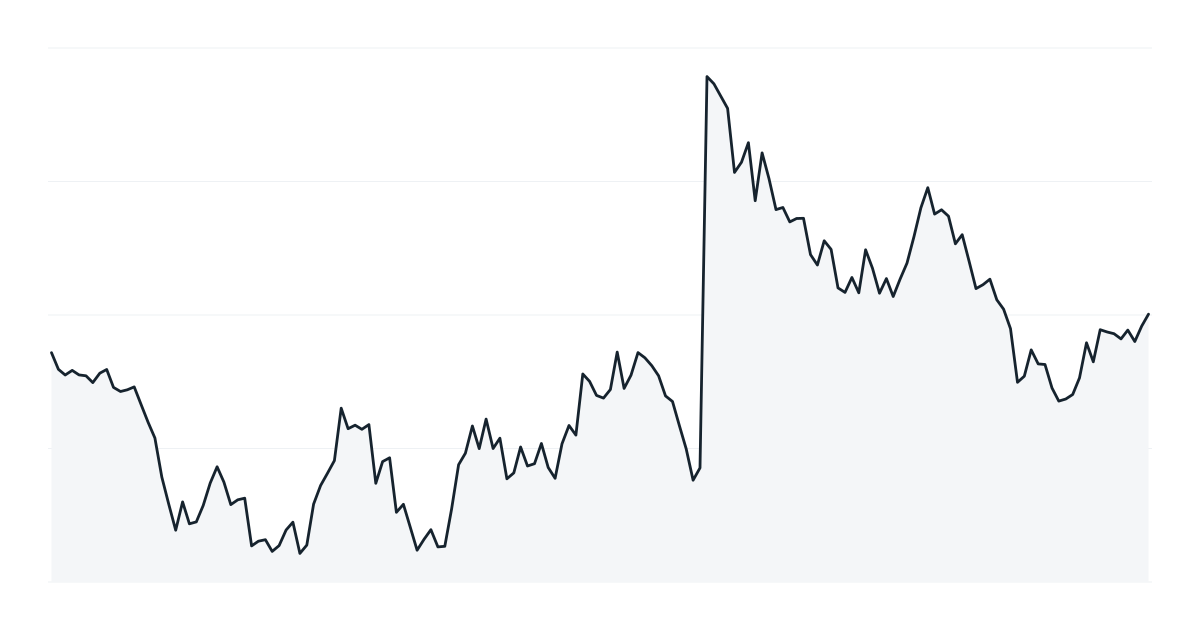
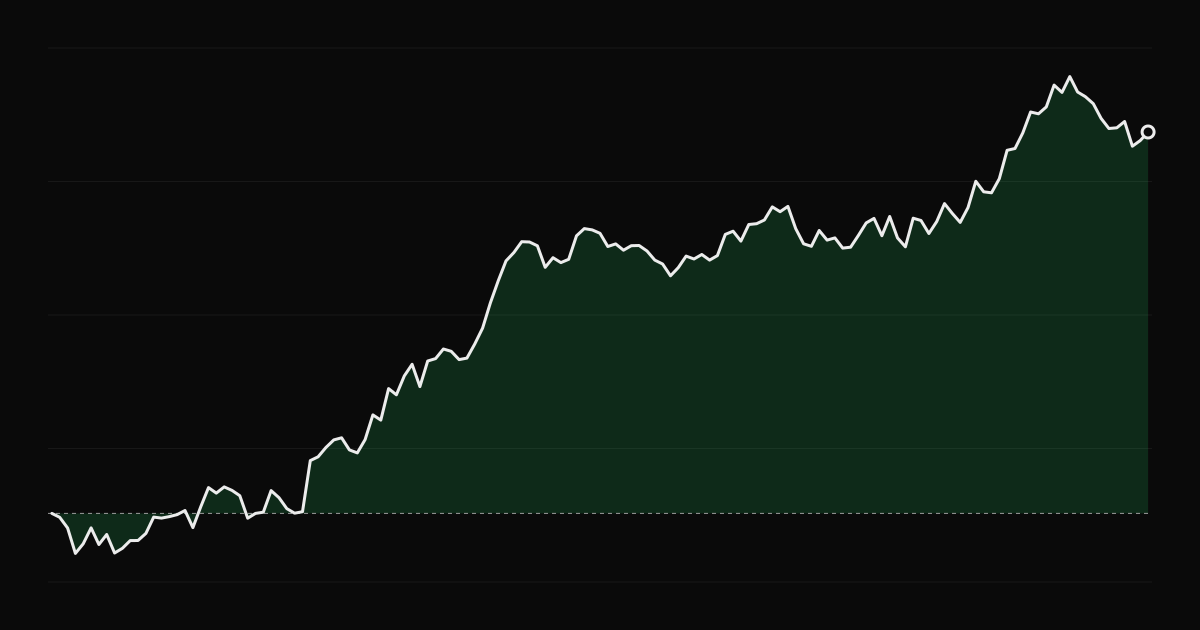
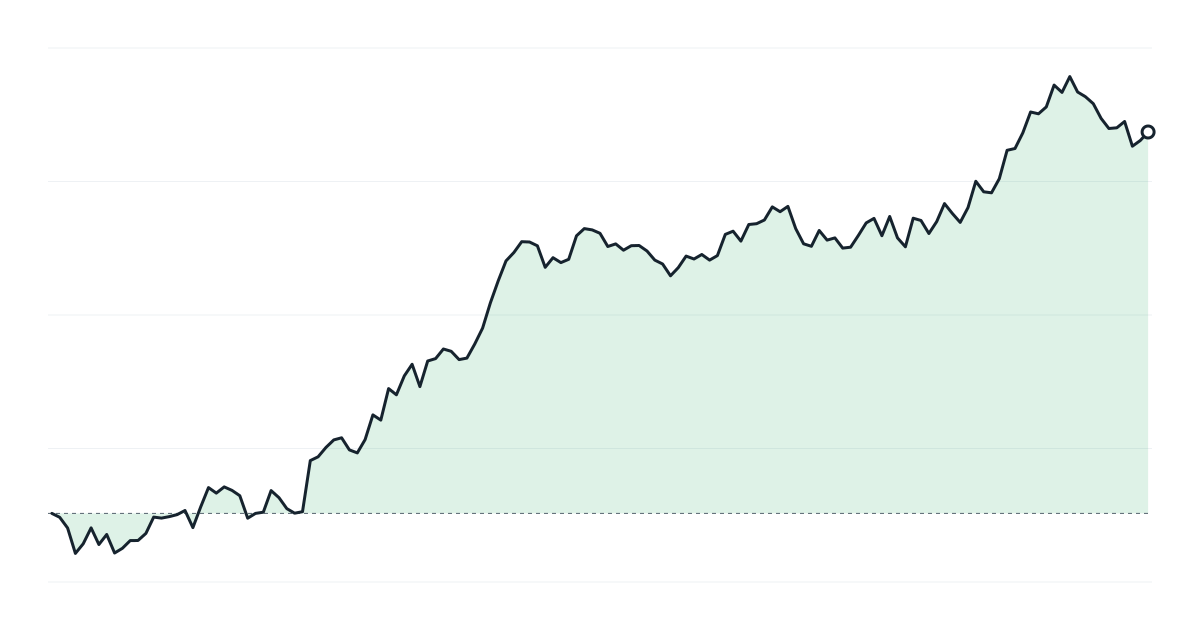
Your equity curve tells the story of your trading. Learn to read slope, smoothness, drawdowns, step changes and flat periods, and what each one suggests you should do.
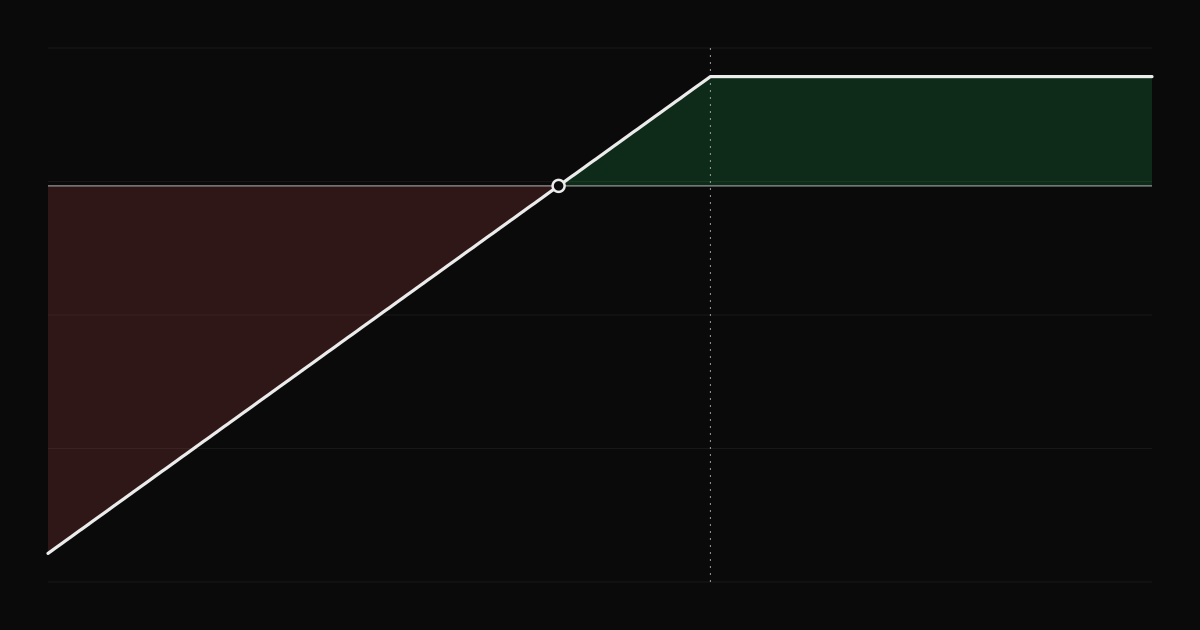
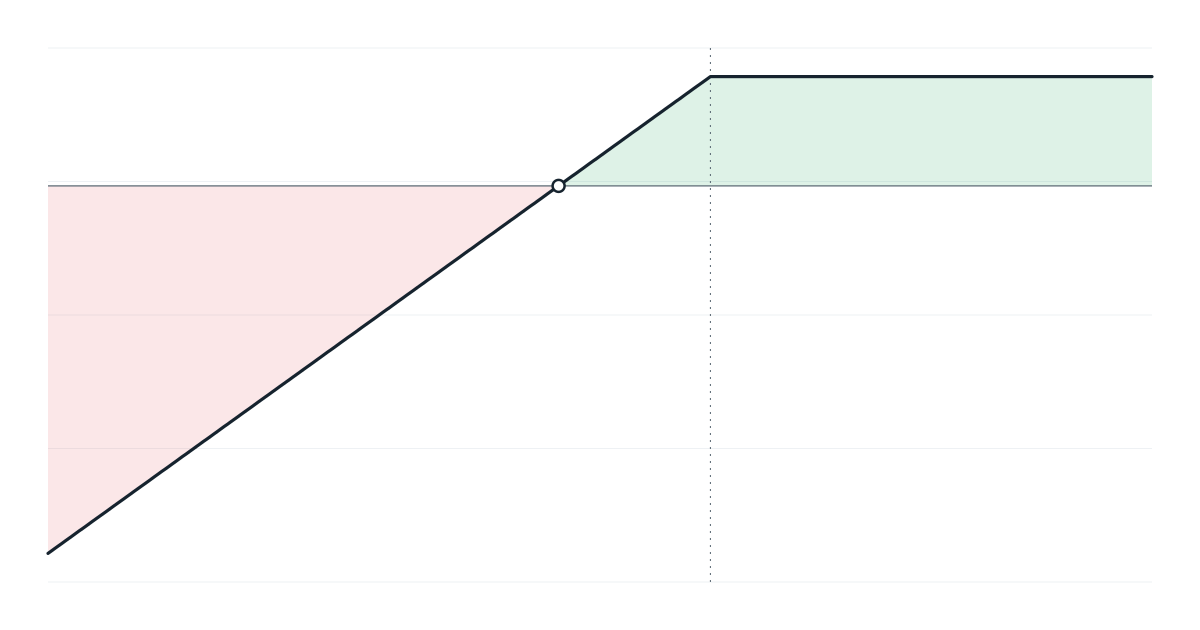
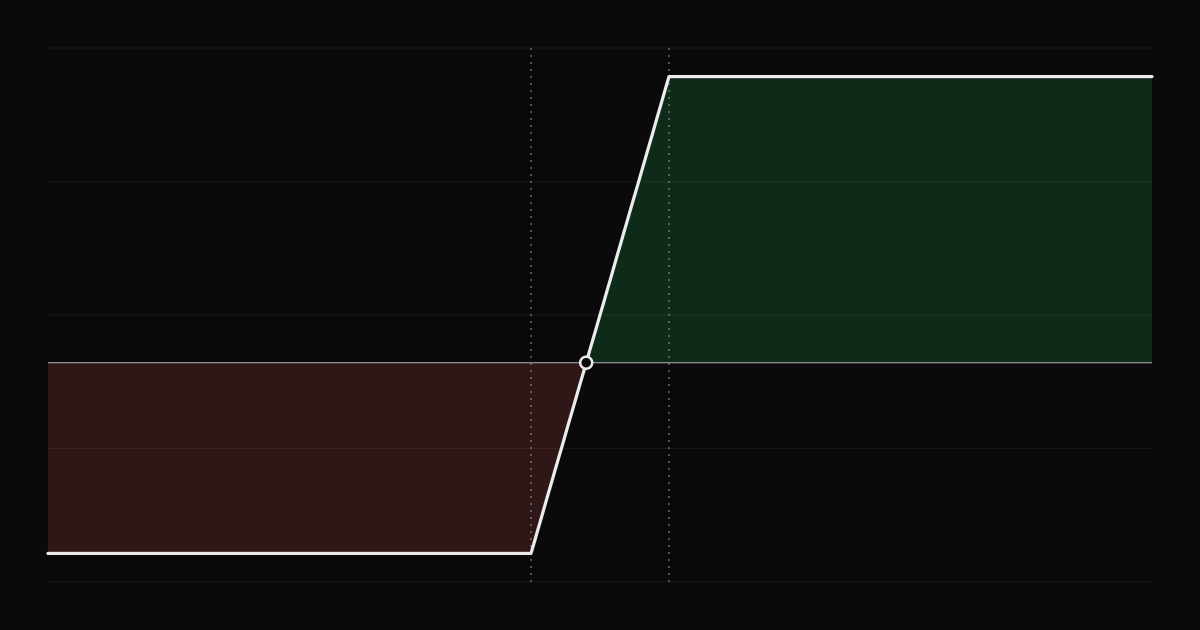
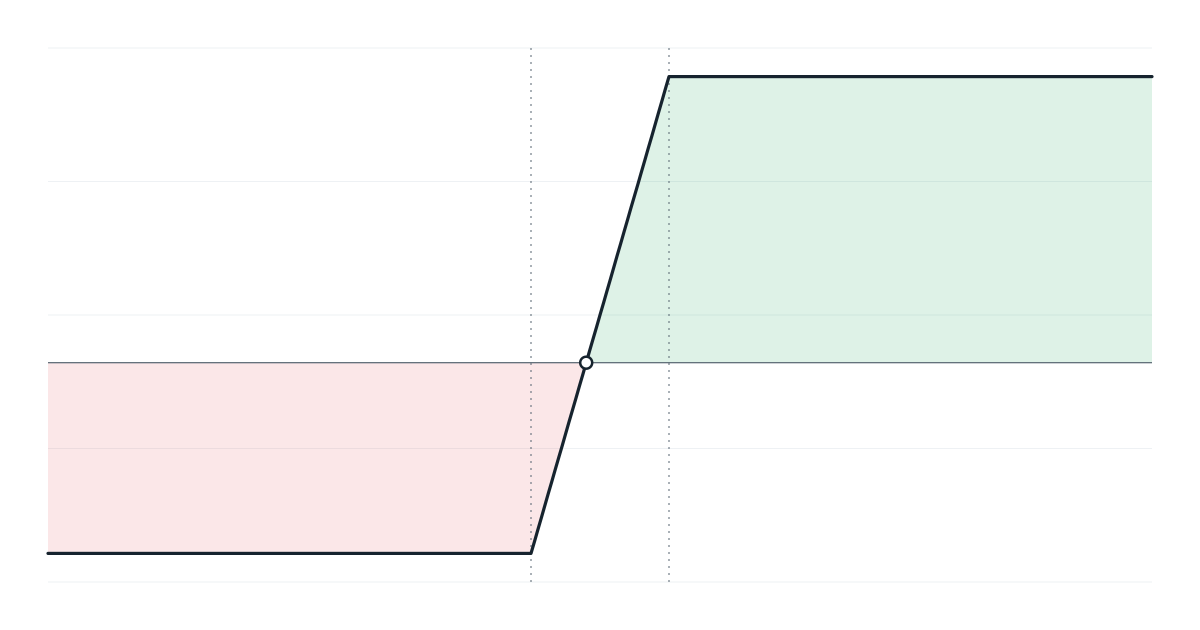
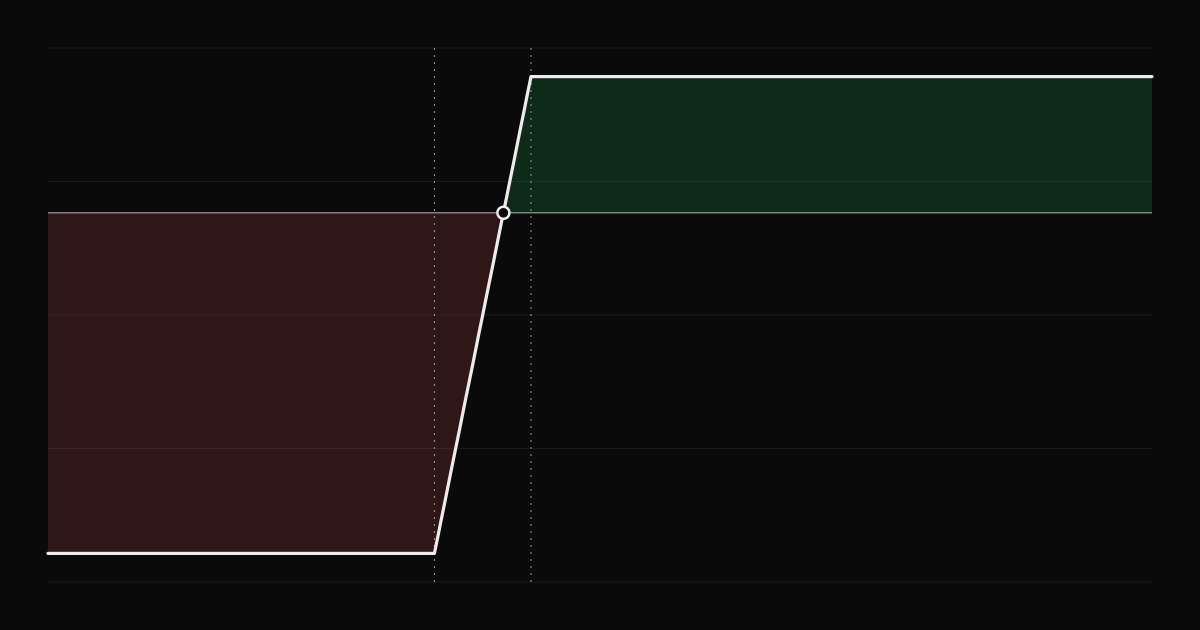
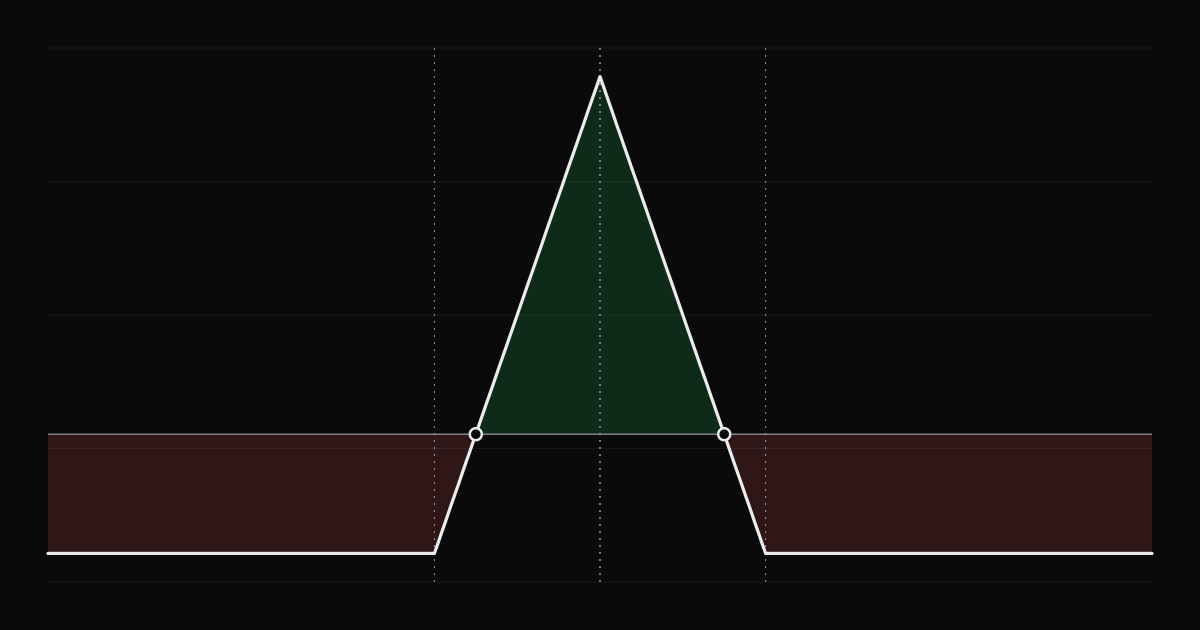
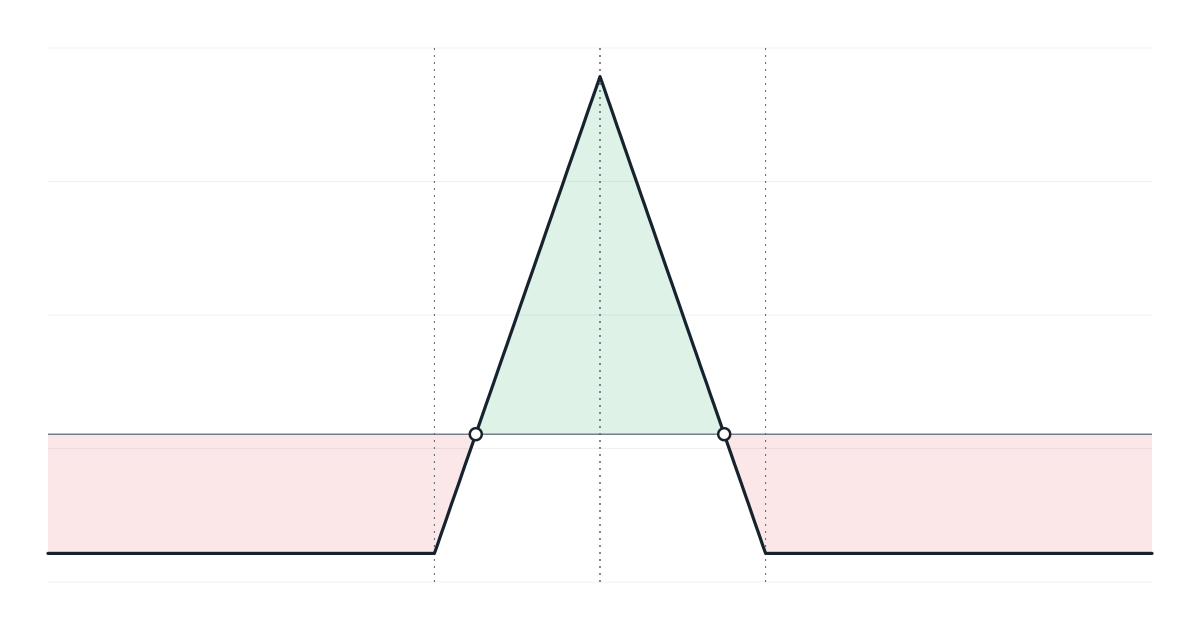
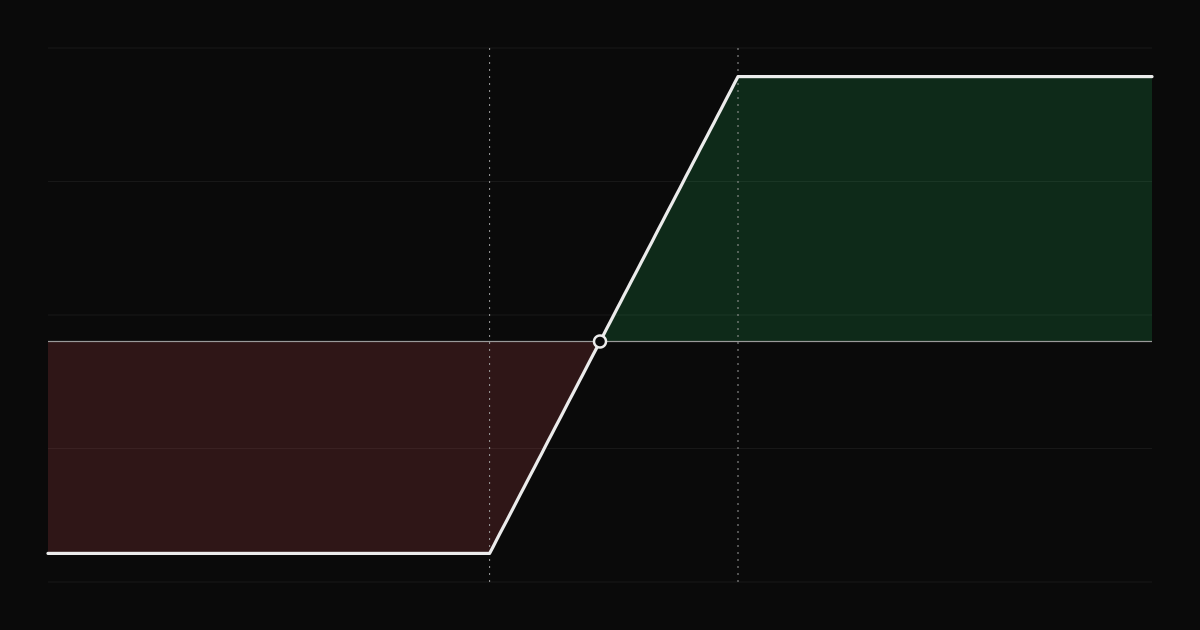
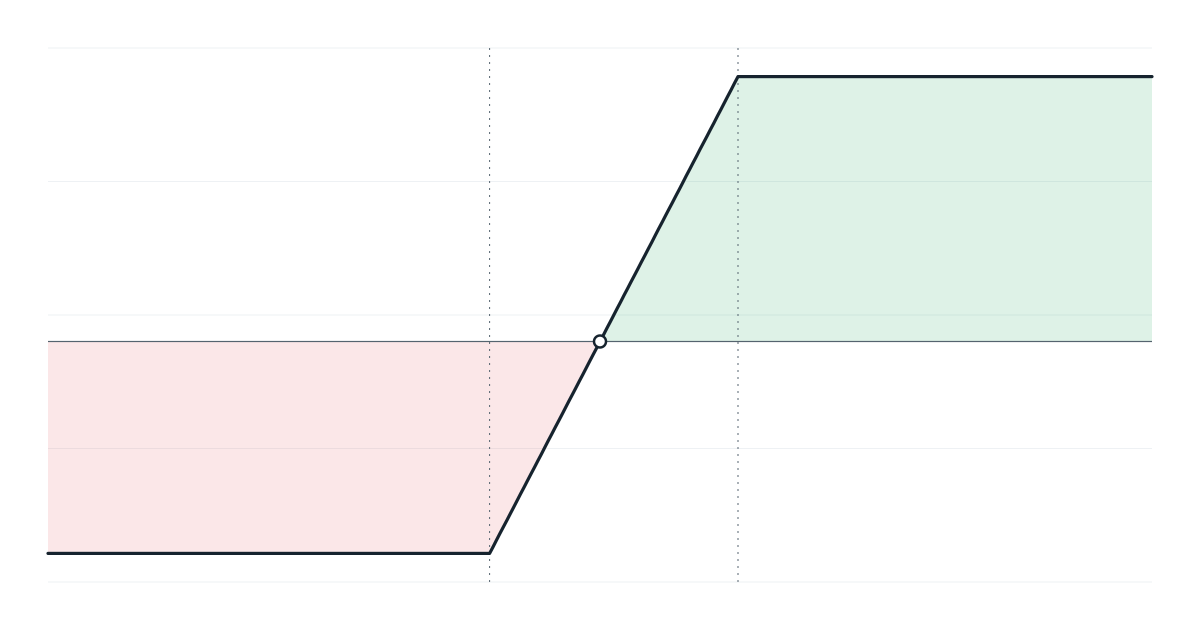
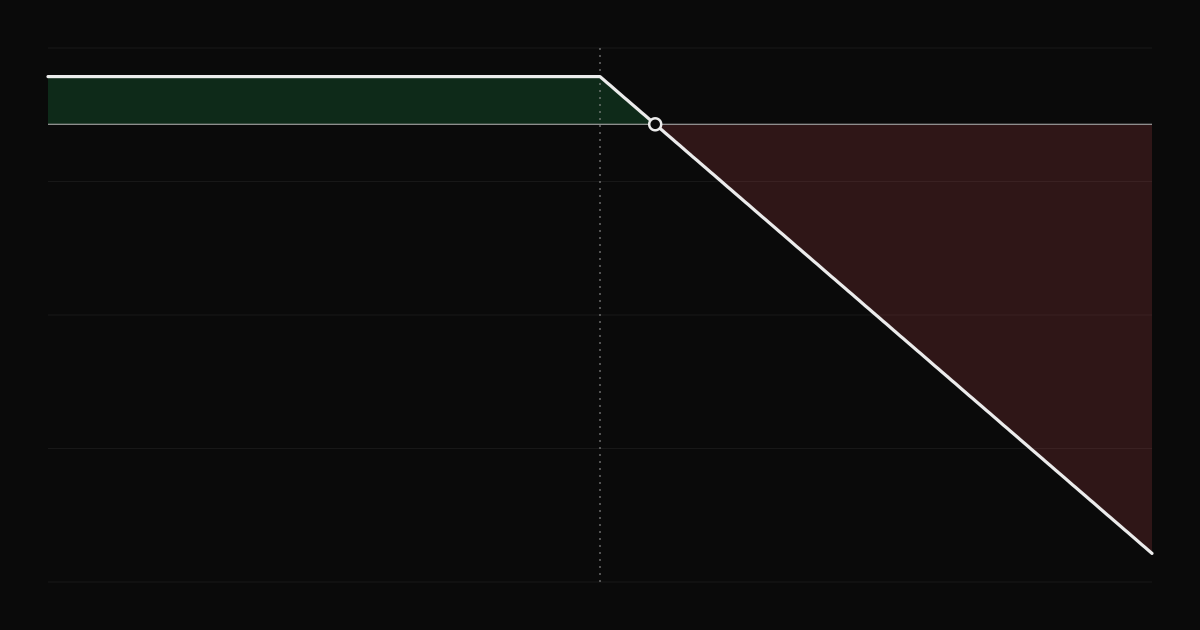
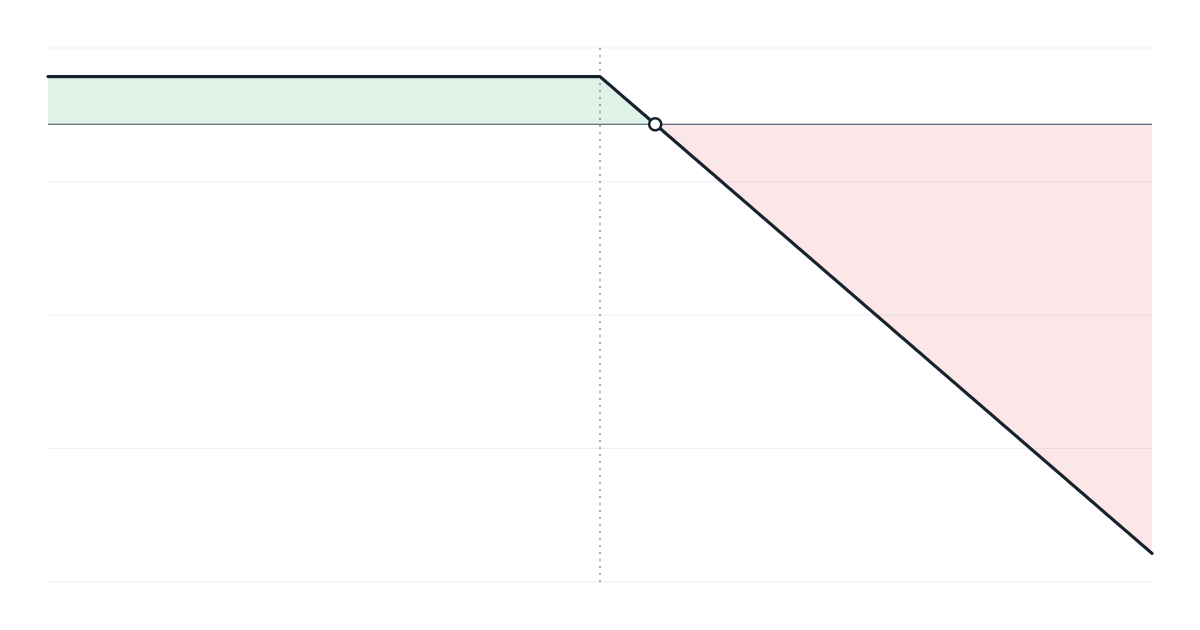
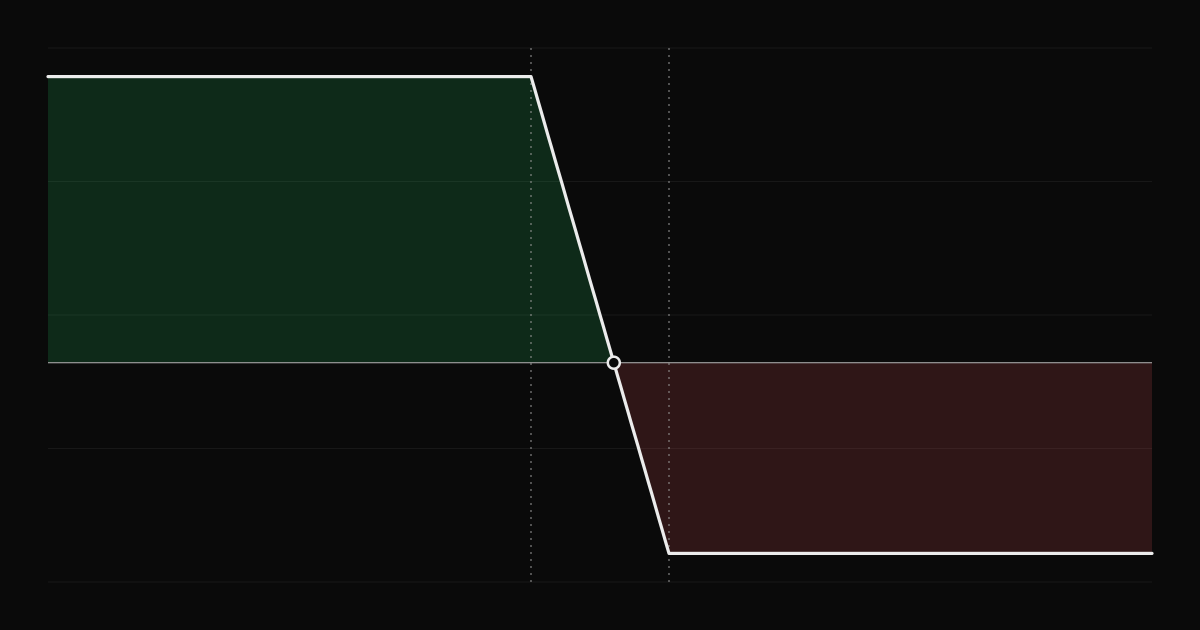
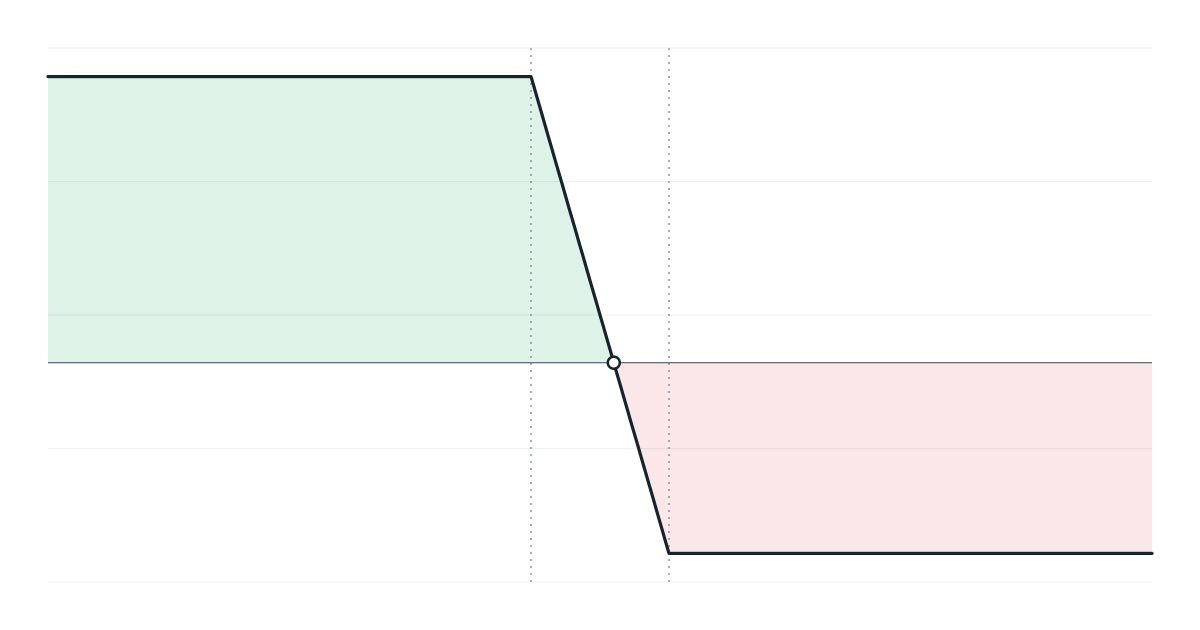
A guide to options risk profile (payoff) charts: the expiration line, the today line, break-evens, maximum profit and loss, and how to use the chart before and during a trade.
How perpetual futures work in crypto, what funding rates are, how funding payments affect your P&L, and how to account for them in your trading journal.
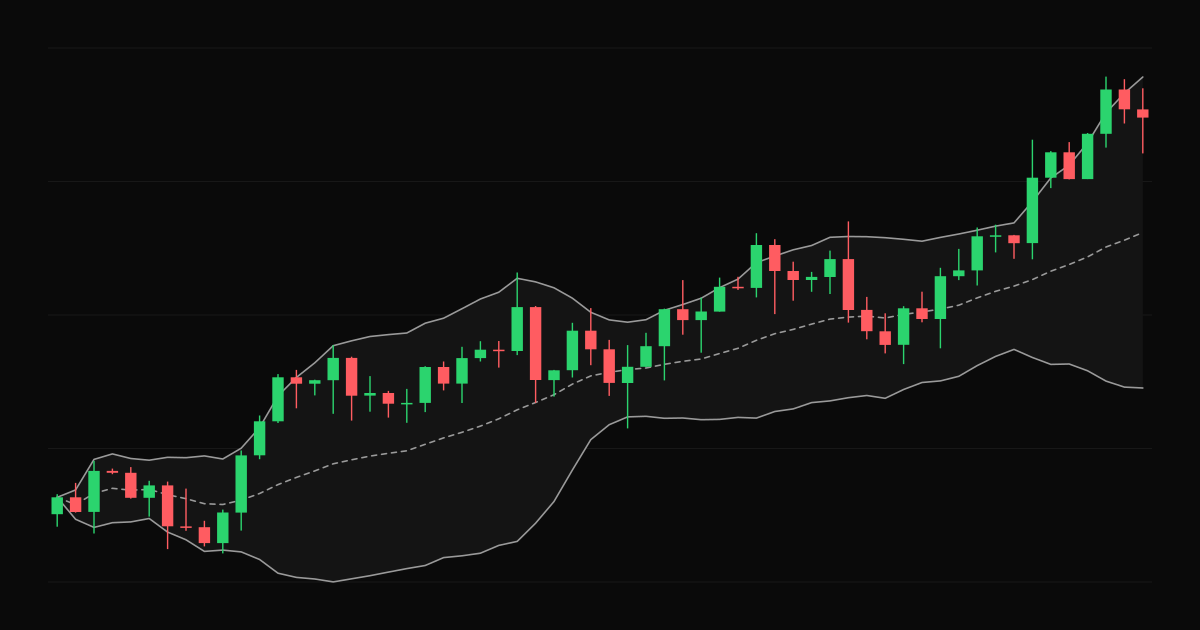
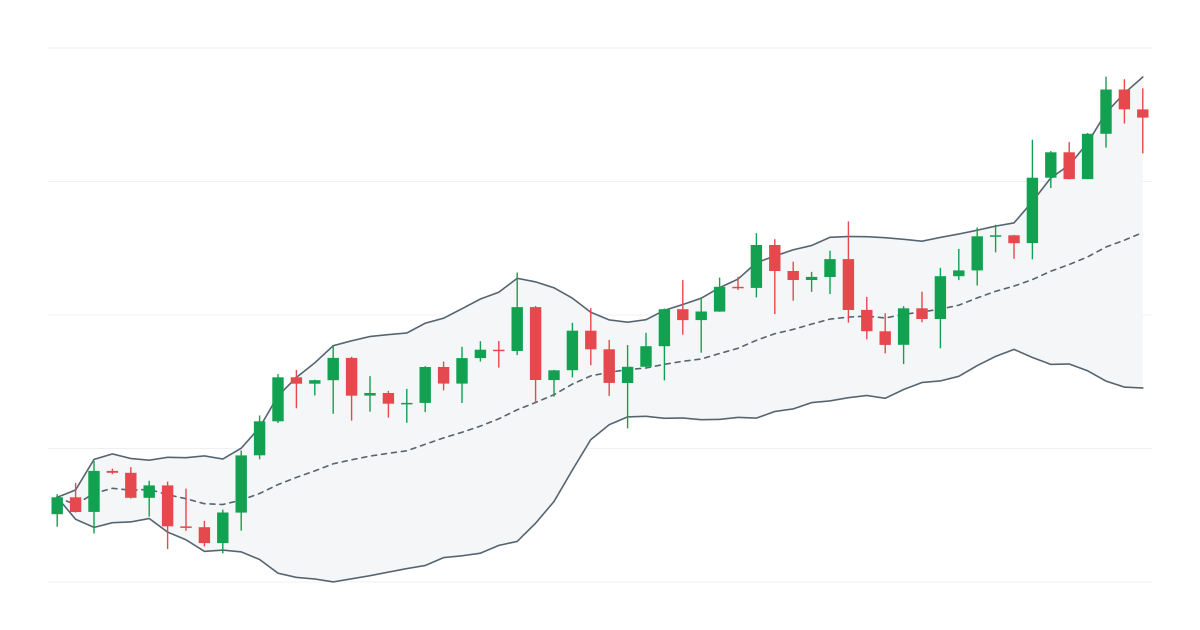
How Bollinger Bands are calculated, what band width tells you about volatility, the squeeze setup, walking the bands in trends, and mean-reversion uses.
Why account balance growth is not the same as trading performance, how to separate deposits, withdrawals, fees, dividends and interest, and how to read a cash flow statement for your account.
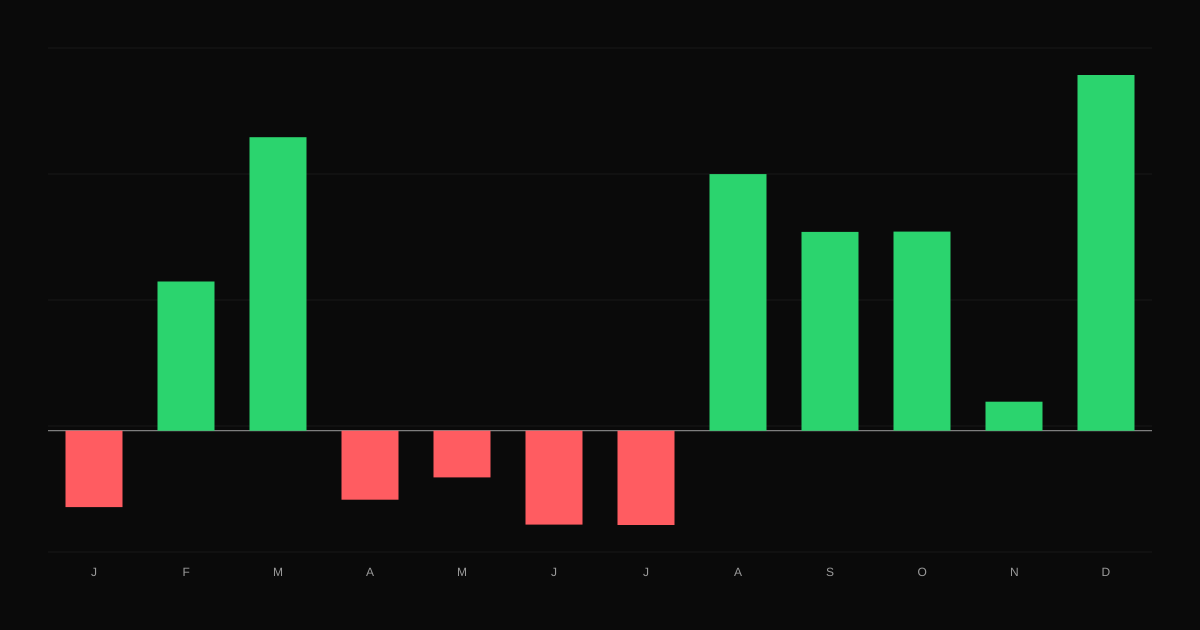
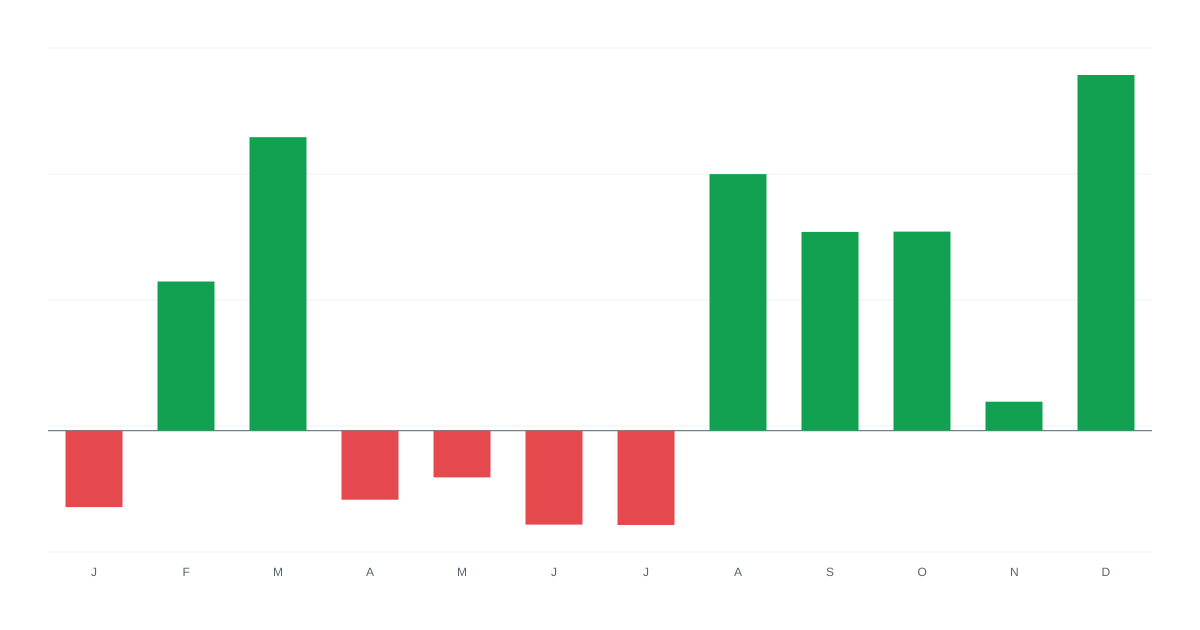
A monthly review routine for traders: the key metrics to track month over month, how to compare months fairly, and how to set goals for the next month.
A single trade's result is mostly luck. Learn why judging trades by process leads to better long-term results, and how to measure your process in a journal.
How correlated positions multiply your risk, how to spot hidden correlation across stocks, sectors, currencies and crypto, and how to size around it.
How to measure whether your trading is consistent, using winning days and weeks, the share of profit from your best days, monthly results and streaks.
How long call butterflies and iron butterflies work, their maximum profit, maximum loss and break-evens, with worked examples and management tips.
How the opening range breakout strategy works, choosing the range length, entries, stops, targets, filters and how to measure whether ORB works for you.
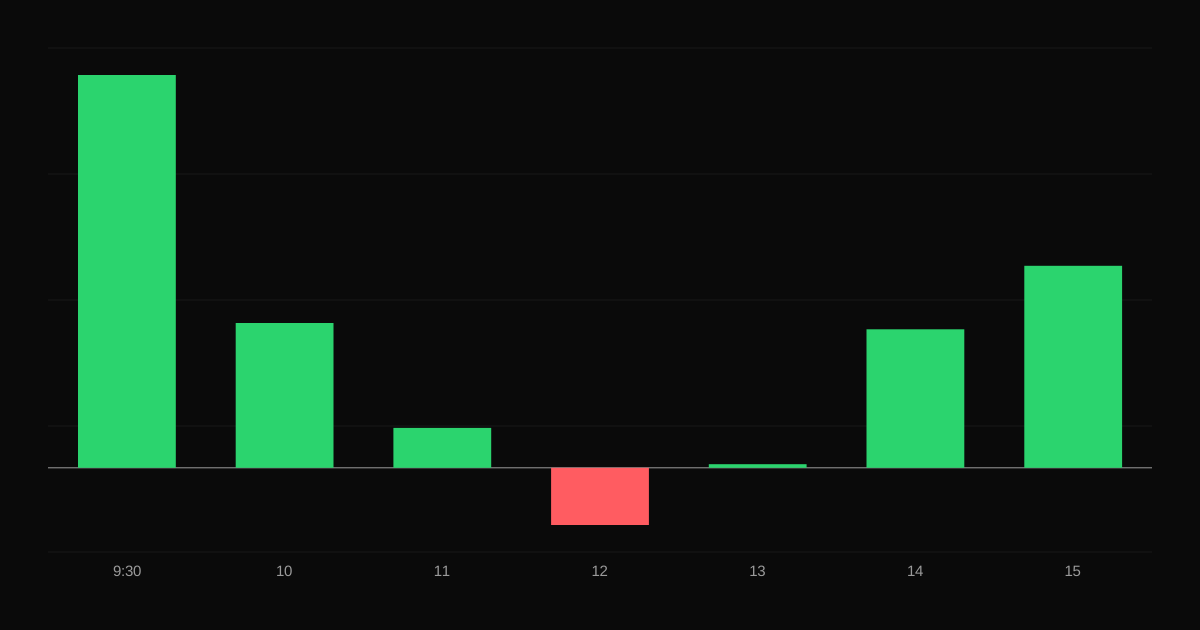
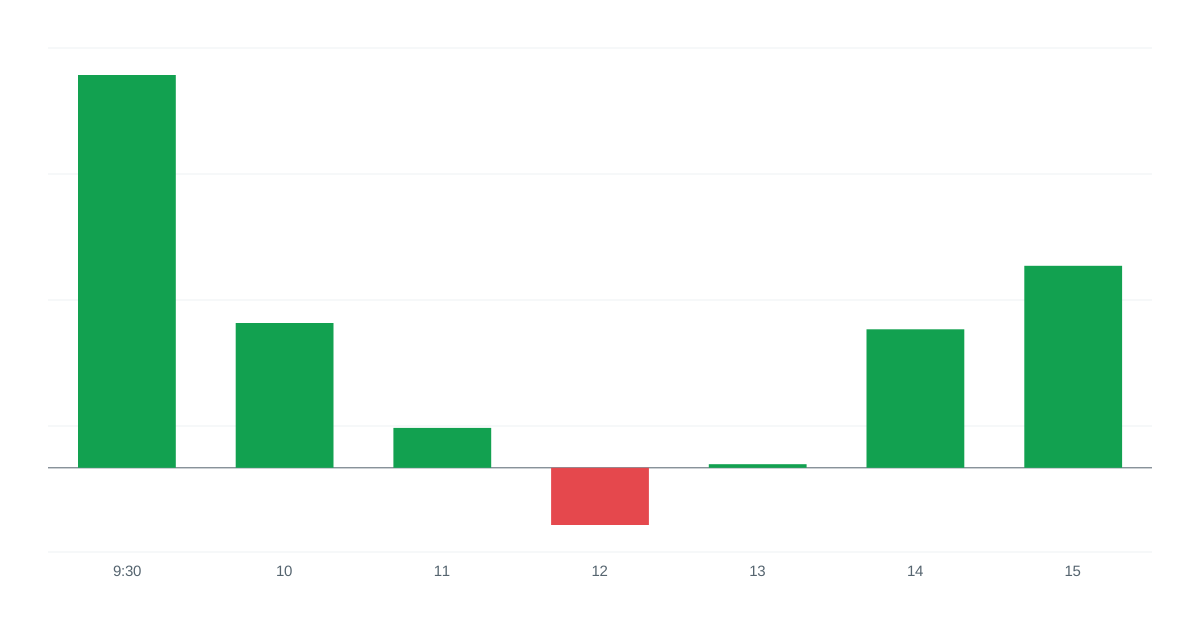
How to analyze your trading results by hour of the day, why most day traders do best in certain windows, and what to do with what you find.
Your worst trading days often follow your best ones. Learn why overconfidence sets in after a big win and how to protect your gains.
How leverage and margin work in stocks, futures, forex and CFDs, how margin calls happen, and how to think about leverage in terms of risk rather than buying power.
Why small samples mislead traders, how the number of trades affects the reliability of win rate and expectancy, and how to use Monte Carlo simulation to test your edge.
How a protective put limits downside on stock you own, how a collar pays for that protection by selling a call, with payoffs, examples and trade-offs.
What a trading plan should include, from goals and markets to setups, risk rules, routines and review, with a template you can adapt.
How to analyze your trading results by weekday, the common patterns traders find, and how to use them without overfitting.
How trailing stops work, the main methods (percentage, ATR, structure and moving average), and how to choose one that fits your strategy.
How analyzing trade duration reveals hidden habits, why many traders hold losing trades longer than winners, and how to use holding time to improve exits.
What happens to options at expiration, how exercise and assignment work, early assignment risk, pin risk, and how to avoid surprises in your account.
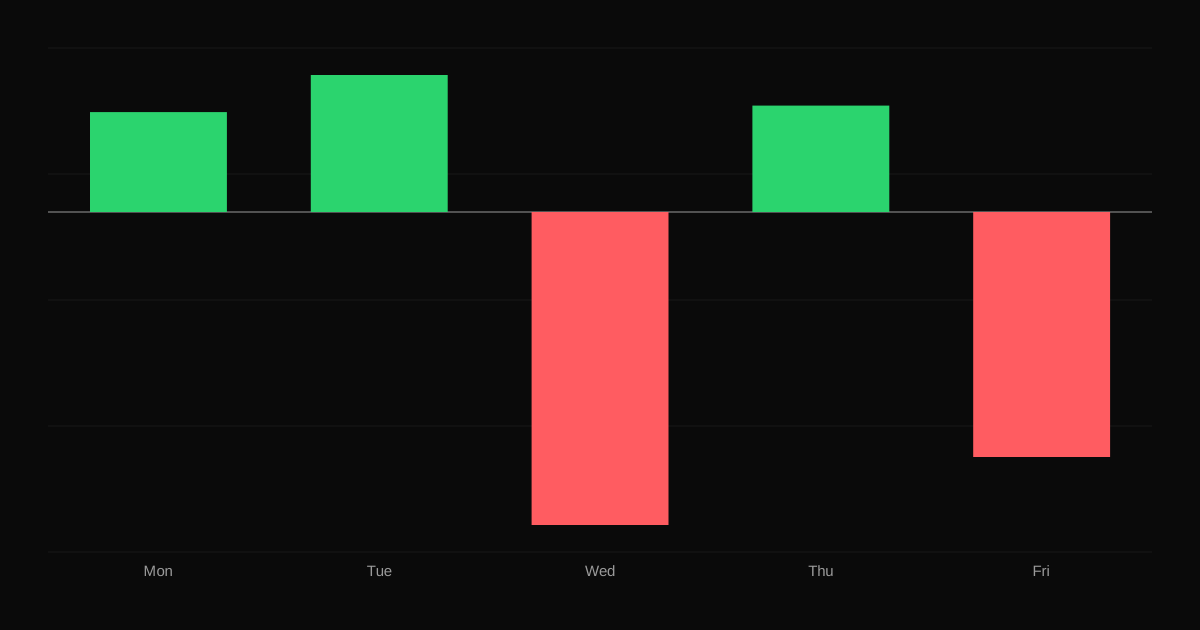
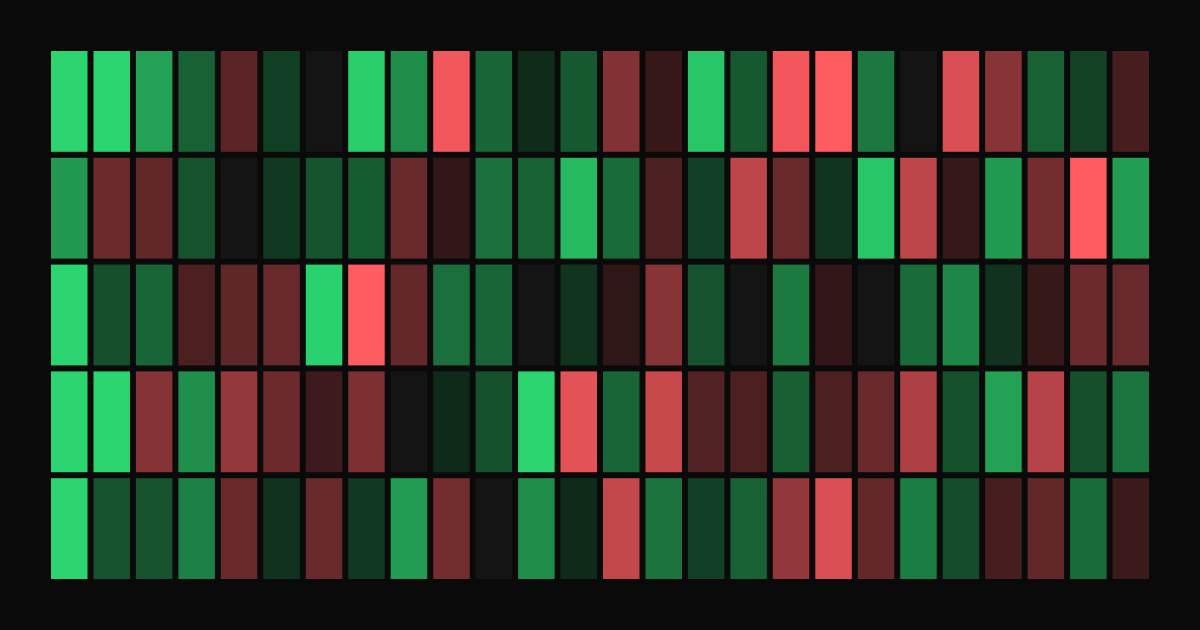
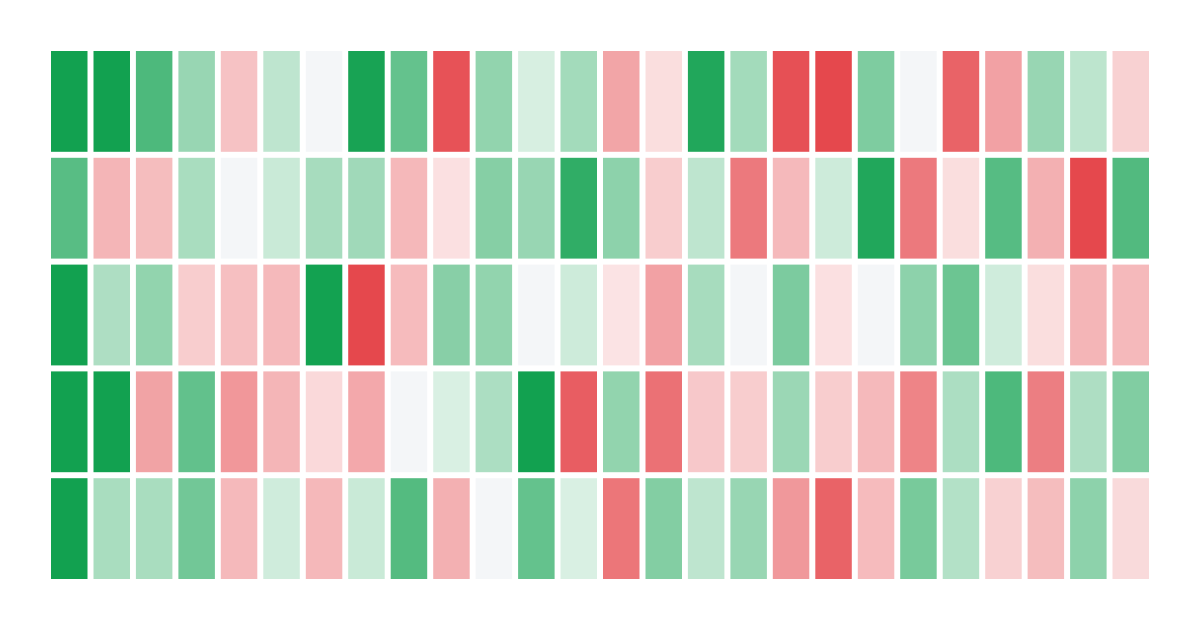
How a P&L calendar heatmap helps you spot losing streaks, overtrading and patterns in your trading, and what to look for when you review it.
How scaling into and out of positions works, when it helps, how it changes your risk, and how to track scaled trades correctly in a journal.
How commissions, exchange fees, spreads and slippage add up, how to calculate their impact on your edge, and practical ways to keep trading costs under control.
What to record for options trades, how to handle multi-leg spreads, rolls, assignment and expiration in a journal, and which metrics matter for options traders.
No articles match your search.