Cash Flow in a Trading Account: Separating Trading Results From Deposits
Why account balance growth is not the same as trading performance, how to separate deposits, withdrawals, fees, dividends and interest, and how to read a cash flow statement for your account.
By the TradeThink team··3 min read
Your account balance went from $20,000 to $30,000 this year. Did you trade well? Not necessarily. If you deposited $12,000, your trading actually lost $2,000. Separating money you put in and take out from what your trading produced is the first step to measuring performance honestly.
The parts of account cash flow
Borrowing the idea of a company's cash flow statement, a trading account's movements fall into groups:
Cash from operations: realized trading P&L, plus dividends and interest received, minus fees, commissions, margin interest and financing.
Cash from financing: deposits and withdrawals, the money you add or take out.
Free cash flow: what operations produced after costs, the part available to withdraw or reinvest.
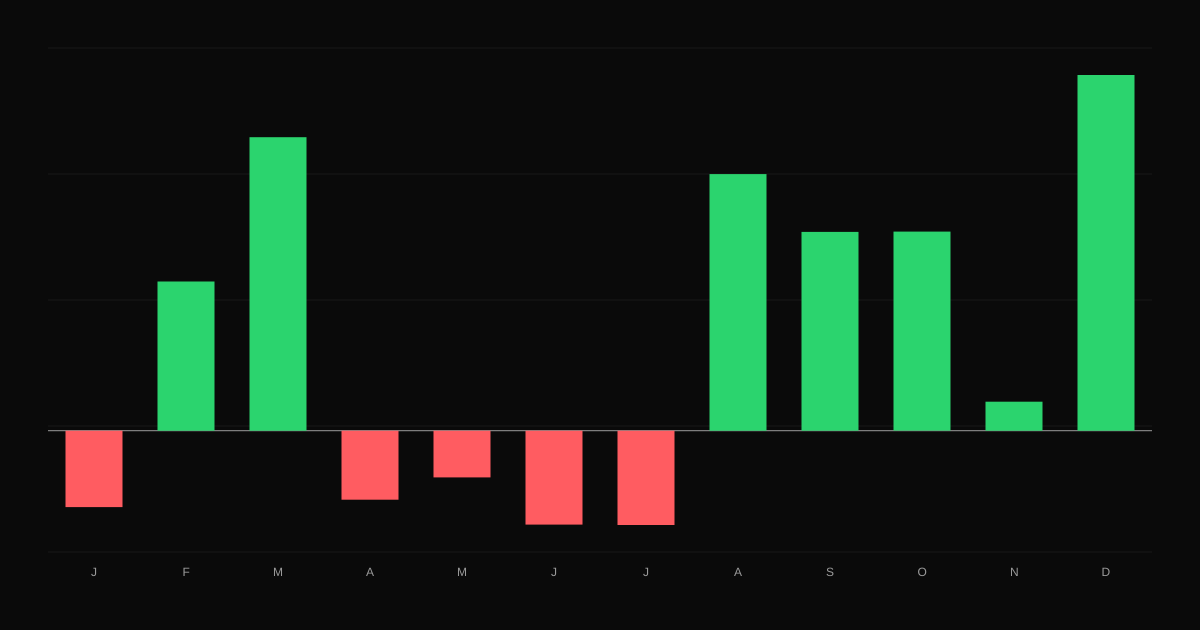
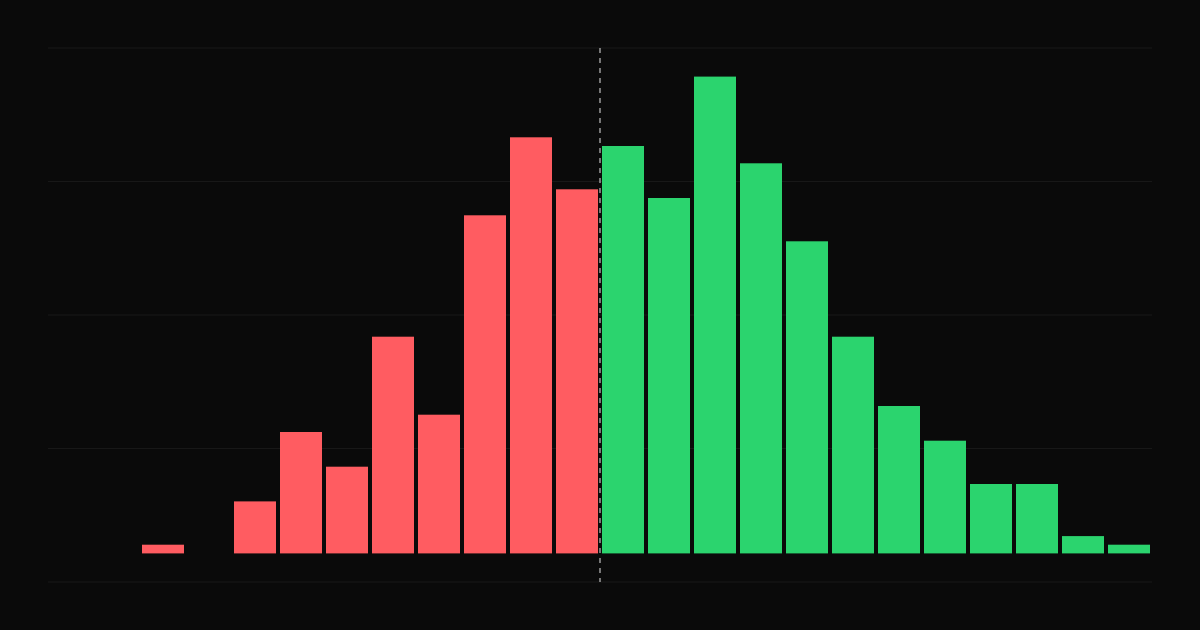
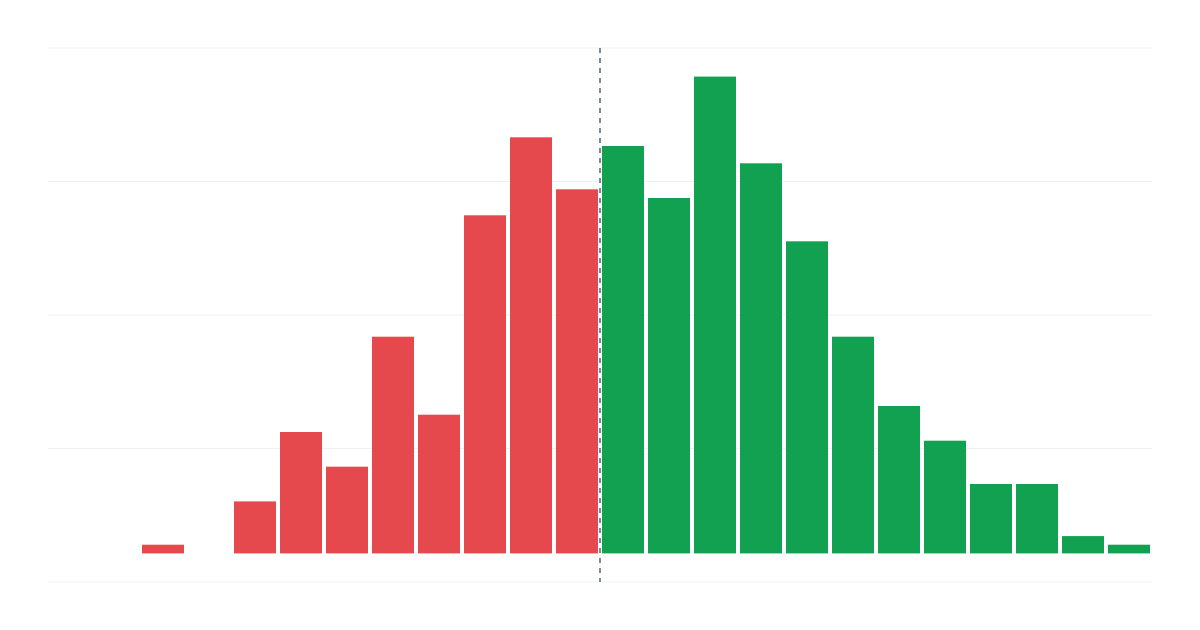
Monthly results by type. Deposits can hide a losing month; withdrawals can hide a winning one.
Why it matters
Balance growth can mislead. Deposits make a losing year look like growth. Withdrawals make a good year look flat.
Costs become visible. Fees, interest and financing are easy to miss when they are scattered across statements. See the impact of fees.
Return calculations depend on it. Percentage returns should account for when money was added or removed, or a large deposit just before a winning month will inflate your return.
A simple monthly view
For each month, track:
Line
Example
Realized trading P&L
+$1,450
Dividends and interest
+$35
Commissions and fees
−$210
Margin interest and financing
−$40
Cash from operations
+$1,235
Deposits
+$2,000
Withdrawals
−$500
Cash from financing
+$1,500
Change in cash
+$2,735
Over a year, this shows whether your account is growing from trading or from saving.
Paying yourself
If you trade for income, regular withdrawals are part of the plan. Tracking them separately shows how much the account produced and how much you took, and helps you avoid withdrawing more than the account earns.
Forecasting
Once you have a few months of history, you can project future cash flow from your average results, deposits and withdrawals. Treat forecasts as rough. Trading results vary much more than salaries. See compound growth.
In TradeThink
The transactions page lists deposits, withdrawals, dividends, interest and fees, and the cash flow page reads your account like a company cash flow statement by month, quarter or year, with cash from operations, financing, free cash flow and a forecast you can switch on or off in the chart. Related: monthly performance review.
How the US wash sale rule disallows losses when you rebuy within 30 days, how the disallowed loss carries into the new position, examples, and how active traders keep track.
How the IRS distinguishes investors, traders and dealers, what trader tax status means, how the section 475(f) mark-to-market election works and its deadlines.
What section 1256 contracts are, how the 60/40 rule and year-end mark-to-market work, which instruments qualify, and how they are reported on Form 6781.