Futures, forex and crypto
Forex Trading Sessions: When Each Market Is Most Active
The Sydney, Tokyo, London and New York forex sessions, when they overlap, how volatility changes through the day, and how to find the session that suits you.
Why futures need to be rolled, how to identify the roll period, calendar spreads, the costs of rolling, and how rollover affects your charts and journal.
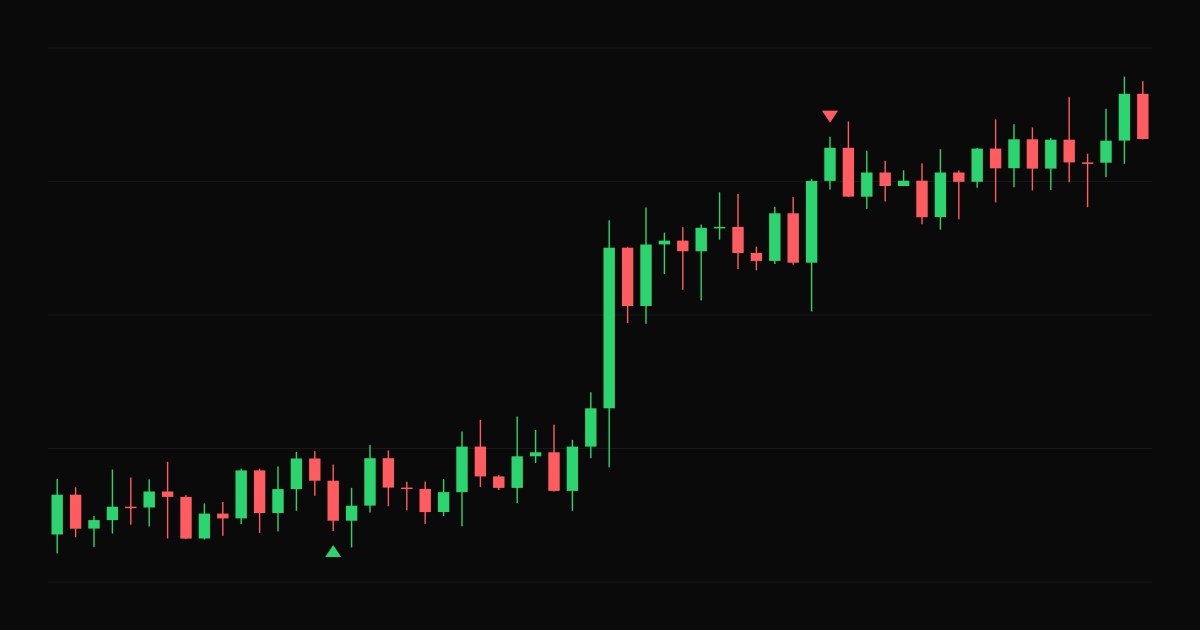
Futures contracts expire. If you want to keep a position beyond expiration, you close the expiring contract and open the same position in a later one. That is a roll. Day traders also need to know about rolls, because liquidity moves from one contract to the next and charts can show gaps.
Each futures contract has a last trading day. After that, it either settles in cash or moves toward physical delivery. Most traders want neither, so they move to the next contract month, the new front month, before expiration.
Liquidity shifts to the next contract before the old one expires. Common signals:
Physically delivered contracts have additional dates, such as first notice day, after which you could be assigned delivery. Most brokers require speculative positions to be closed before then.
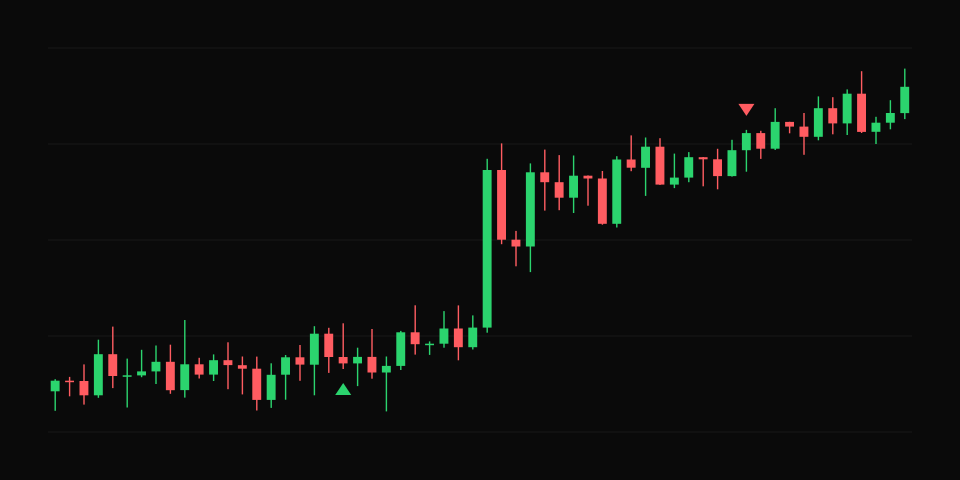
You can roll with two orders, closing one month and opening the next, or with a single calendar spread order that does both at once. The spread order avoids being partly filled with an unhedged position.
A continuous chart stitches contracts together. At the roll, the price can jump. Some platforms adjust older prices to remove the gap (back-adjusted charts), others do not. When you compare levels across a roll, check which method your chart uses.
A rolled position is two trades: the old contract closed and the new one opened. Some traders also tag them as one campaign so the total result is visible. Make sure each contract month is recognized with the correct multiplier.
Imported futures trades keep their contract month, and the right multiplier is applied to each. Expired contracts are not counted as open positions. Related: futures basics.
The Sydney, Tokyo, London and New York forex sessions, when they overlap, how volatility changes through the day, and how to find the session that suits you.
How funded trader and prop firm evaluations typically work, the common rules on daily loss, trailing drawdown and consistency, and how to track them so you do not fail on a technicality.
How perpetual futures work in crypto, what funding rates are, how funding payments affect your P&L, and how to account for them in your trading journal.