Futures, forex and crypto
Micro Futures: Smaller Contracts for Precise Position Sizing
How micro futures contracts work, how they compare with standard and E-mini contracts, and why they make risk management easier for smaller accounts.
A beginner-friendly guide to futures: what a contract is, contract specifications, tick size and value, margin, leverage, expiration and how P&L is calculated.
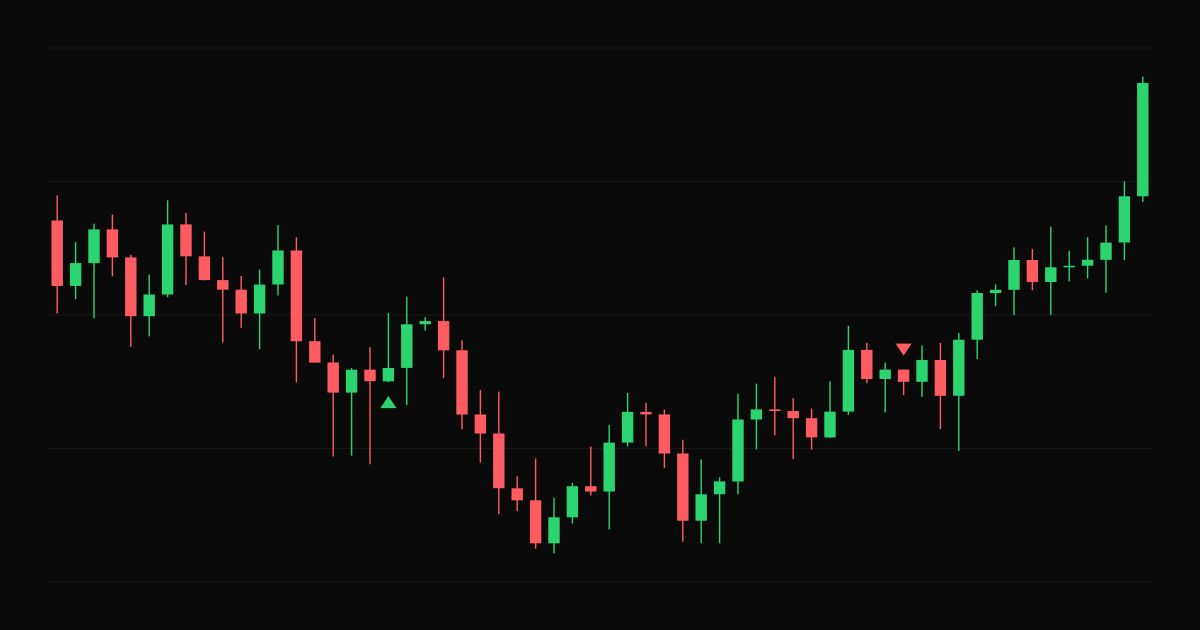
A futures contract is an agreement to buy or sell a set quantity of something, such as an index, a commodity or a currency, at a set price on a future date. Most traders never take delivery. They buy and sell contracts to profit from price changes, closing or rolling positions before expiration.
Every futures contract has a specification, set by the exchange. The key items for traders:
Exchanges such as CME Group publish these. Their education center is a good place to learn the details.
If you buy one contract at 5,000.00 and sell at 5,010.00, the gain is 10 points × $50 = $500, before fees. The Micro E-mini has a $5 multiplier, one tenth the size. See micro futures.
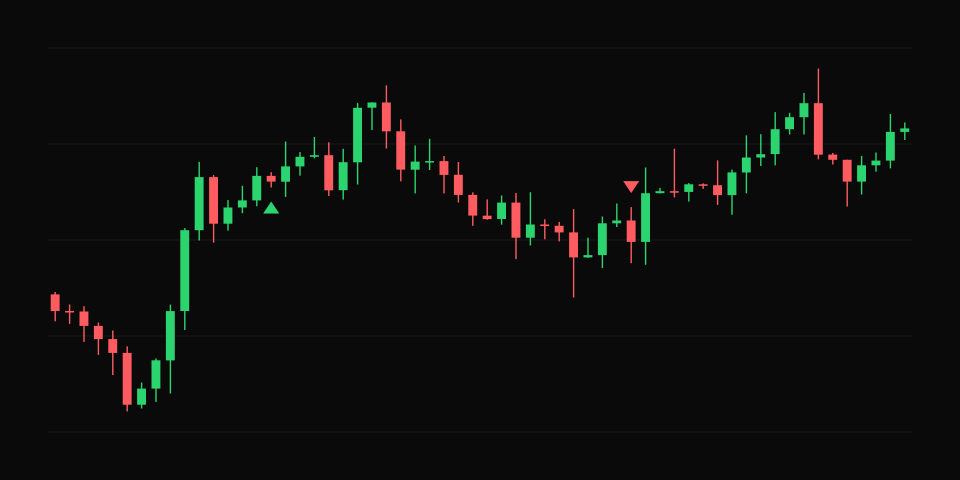
To open a futures position you post initial margin, a performance bond set by the exchange and your broker, typically a small share of the contract's full value. Positions are marked to market every day: gains and losses move through your account daily. If your equity falls below the maintenance margin, you must add funds.
Because margin is small relative to the contract's value, futures are highly leveraged. A move that is small in percentage terms can be large compared with your account. See leverage and margin.
Futures expire. Equity index futures, for example, are typically quarterly. Traders who want to keep a position roll it from the expiring contract to the next one. See futures rollover.
Size by the dollar value of your stop:
Contracts = Risk per trade ÷ (Stop distance in points × Point value)
See the position sizing guide. If even one contract risks too much, micro contracts are often the answer.
In the US, futures are regulated by the CFTC, and brokers are members of the NFA. The CFTC's Learn and Protect pages have plain-language guides and fraud warnings.
Futures P&L depends on the multiplier, so a journal needs the right contract specification for each symbol. TradeThink imports futures trades from futures brokers and platforms such as NinjaTrader, applies each contract's multiplier and shows results in money and in points.
How micro futures contracts work, how they compare with standard and E-mini contracts, and why they make risk management easier for smaller accounts.
How pips, pipettes and lot sizes work in forex, how to calculate pip value and position size, and how leverage and swap affect your results.
What CFDs are, how they work, margin and leverage, overnight financing, the risks for retail traders, and how to track CFD trades from MT4, MT5 and other platforms.