Futures, forex and crypto
Perpetual Futures and Funding Rates: What Crypto Traders Need to Know
How perpetual futures work in crypto, what funding rates are, how funding payments affect your P&L, and how to account for them in your trading journal.
How funded trader and prop firm evaluations typically work, the common rules on daily loss, trailing drawdown and consistency, and how to track them so you do not fail on a technicality.
Proprietary trading firms and funded trader programs let traders trade the firm's capital, or simulated capital, after passing an evaluation. Many traders fail these evaluations not because they lose money overall, but because they break a rule. Knowing the rules and tracking them precisely is half the challenge.
Rules vary widely between firms, so always read the exact terms. Common types include:
Reach a set profit, often a percentage of the account, to pass the evaluation.
Do not lose more than a set amount in a single day. Some firms measure it from the day's starting balance, others from the day's highest equity, and some include open positions. See daily loss limit.
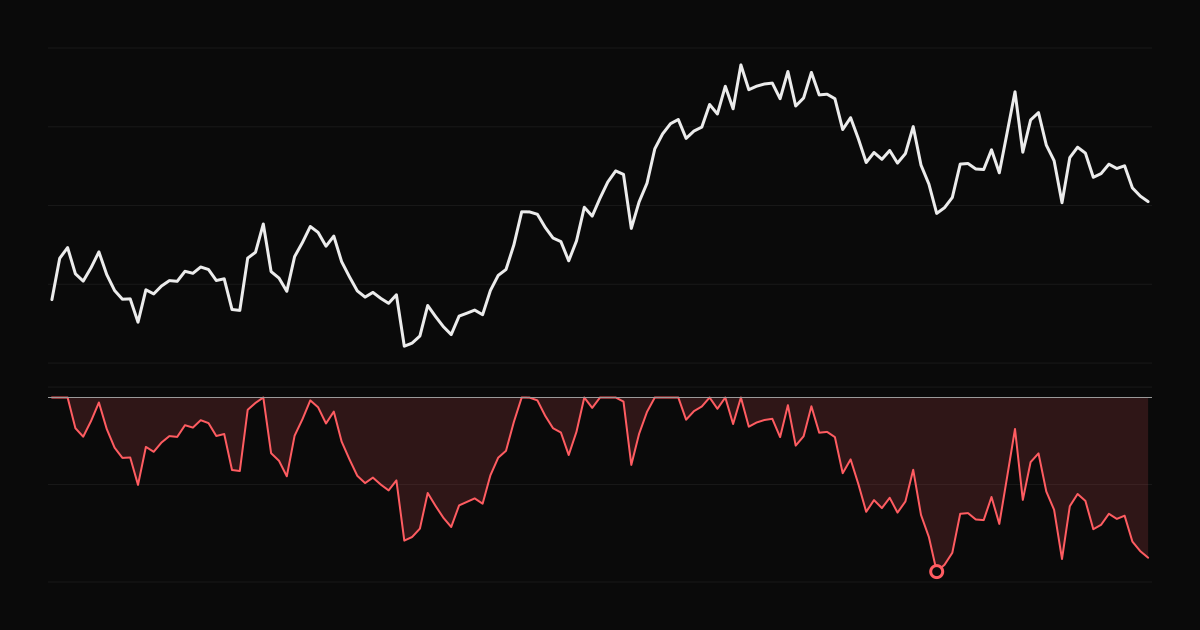
Do not let the account fall more than a set amount. Two common types:
Some firms require that no single day makes up more than a set share of total profit. See consistency metrics.
Minimum trading days, restrictions on trading around news, holding over weekends, or specific instruments.
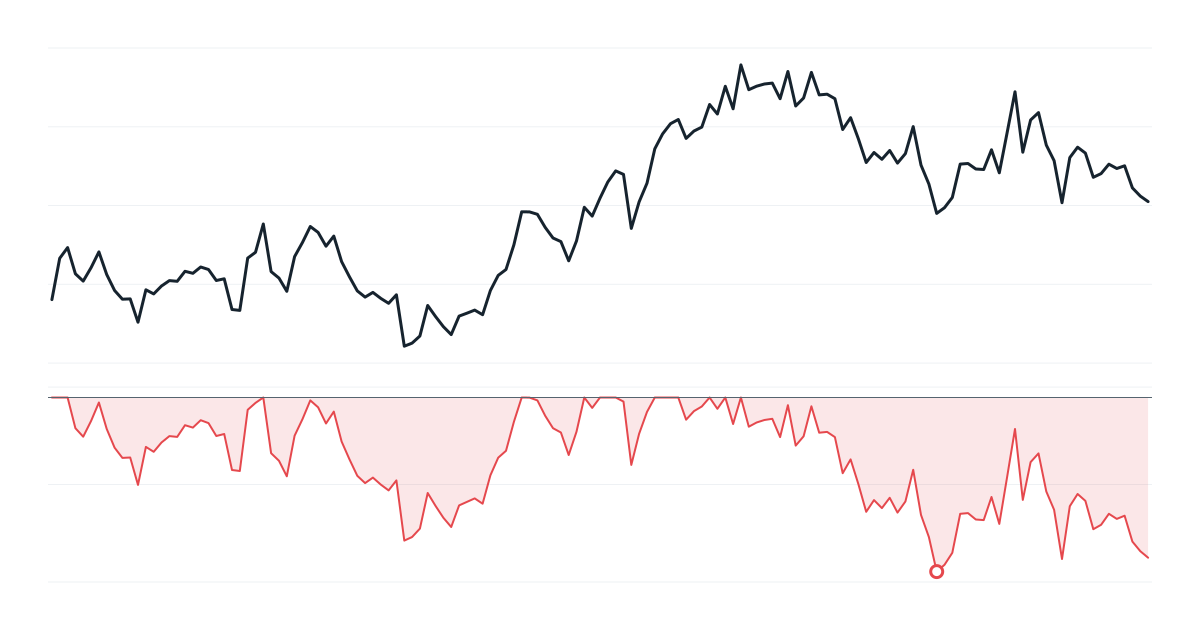
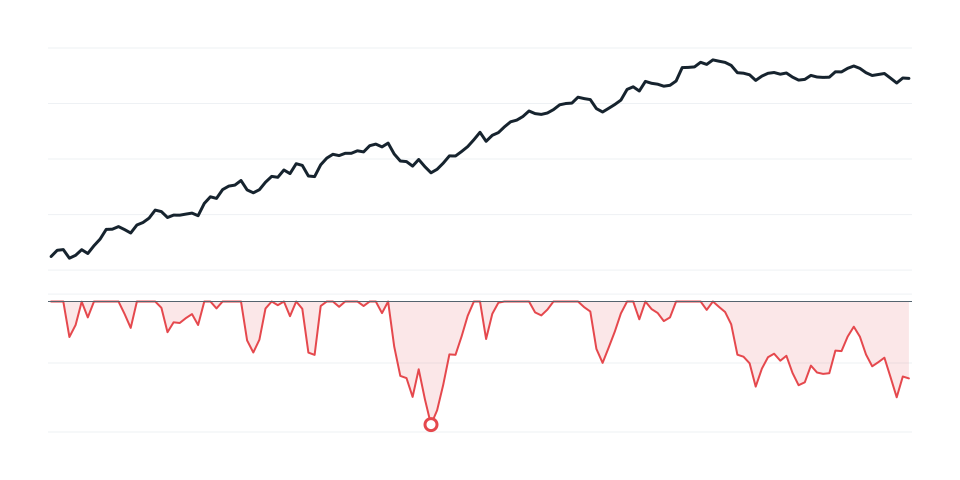
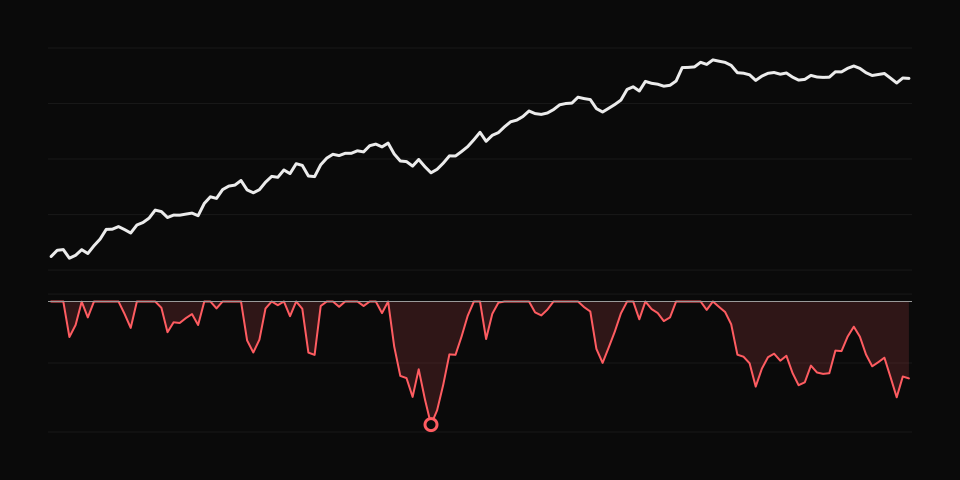
Keep the evaluation account separate in your journal so its statistics are not mixed with others. TradeThink supports multiple trading accounts, and its drawdown chart and calendar make it easy to see how close you came to each limit. Related: maximum drawdown.
How perpetual futures work in crypto, what funding rates are, how funding payments affect your P&L, and how to account for them in your trading journal.
A beginner-friendly guide to futures: what a contract is, contract specifications, tick size and value, margin, leverage, expiration and how P&L is calculated.
How micro futures contracts work, how they compare with standard and E-mini contracts, and why they make risk management easier for smaller accounts.