Options trading
Implied Volatility Explained: What Option Prices Say About Future Moves
What implied volatility is, how it relates to expected moves, IV rank and percentile, volatility crush after events, and how IV affects option strategies.
How long straddles and strangles work, their costs and break-evens, how volatility affects them, and when traders choose one over the other.
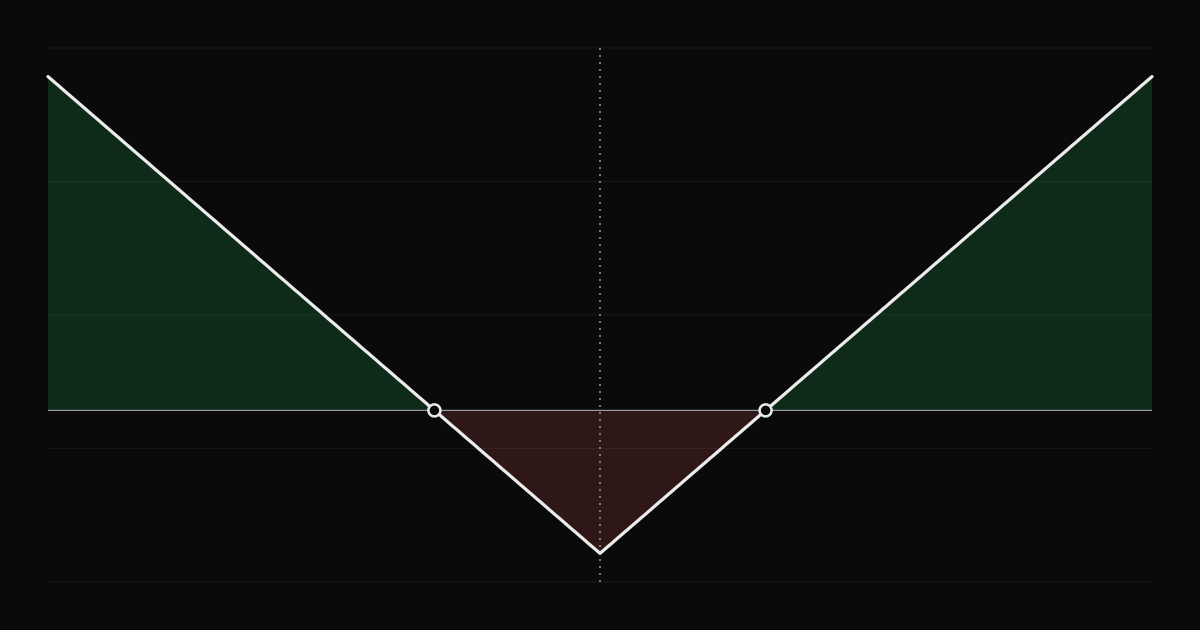
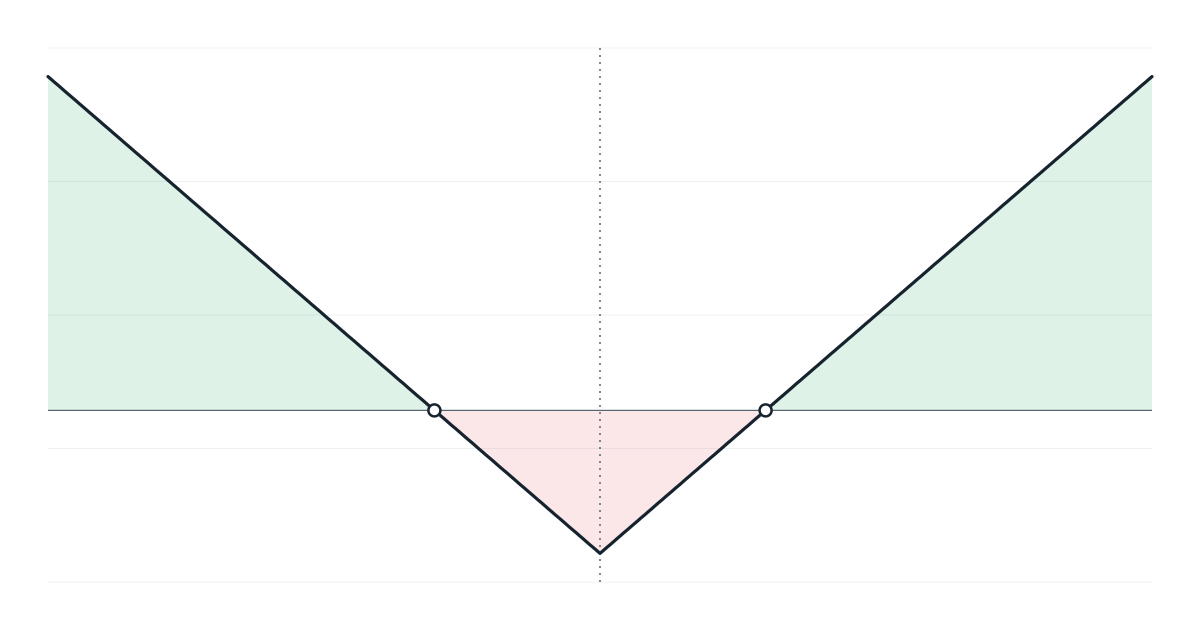
Sometimes you expect a big move but do not know the direction: an earnings report, a court ruling, a product launch. A long straddle or strangle profits from a large move either way. The cost is the premium of two options, and the risk is that the move is not big enough.
Buy a call and a put at the same strike, usually at the money, with the same expiration.
Example: stock at $100. Buy the $100 call for $6 and the $100 put for $6. Total cost: $12 ($1,200).
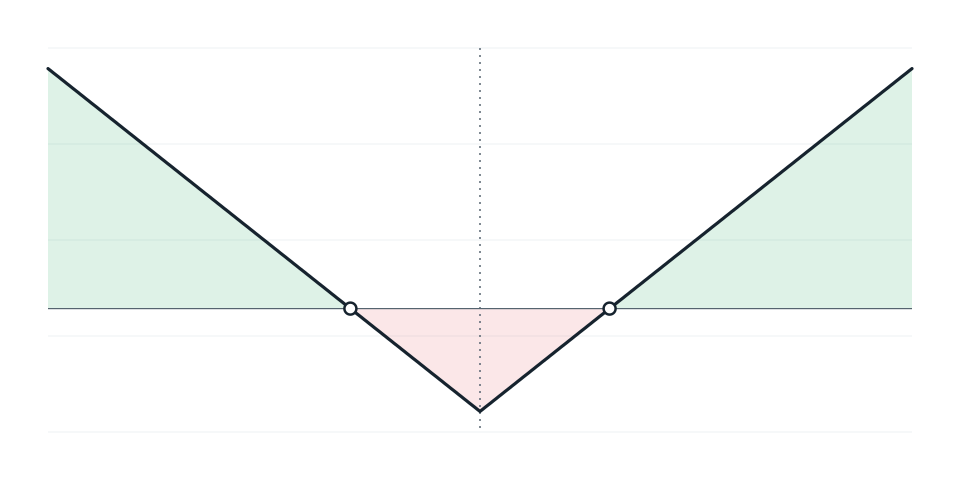
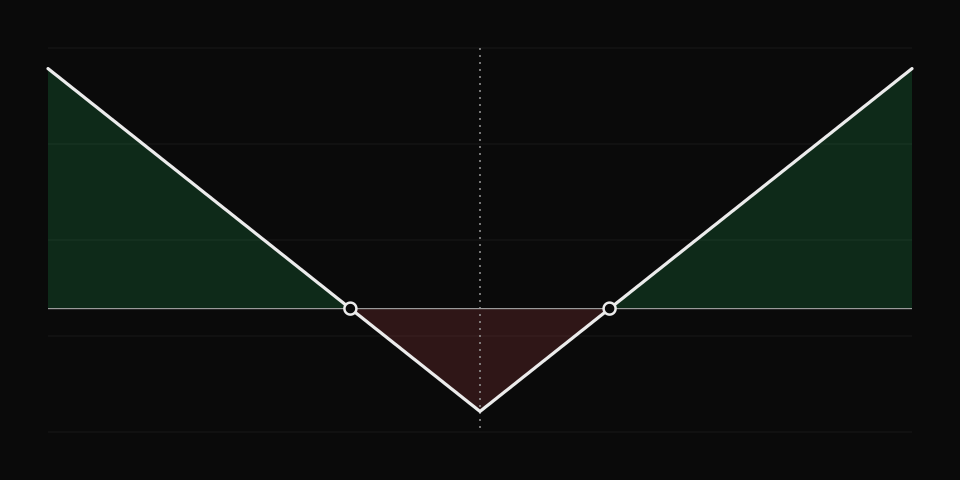
Buy an out-of-the-money call and an out-of-the-money put.
Example: buy the $108 call for $3 and the $92 put for $3. Total cost: $6.
| Straddle | Strangle | |
|---|---|---|
| Cost | Higher | Lower |
| Move needed | Smaller distance from strike | Larger |
| Maximum loss | Larger | Smaller |
| Sensitivity near the strike | Higher delta changes, more gamma | Lower |
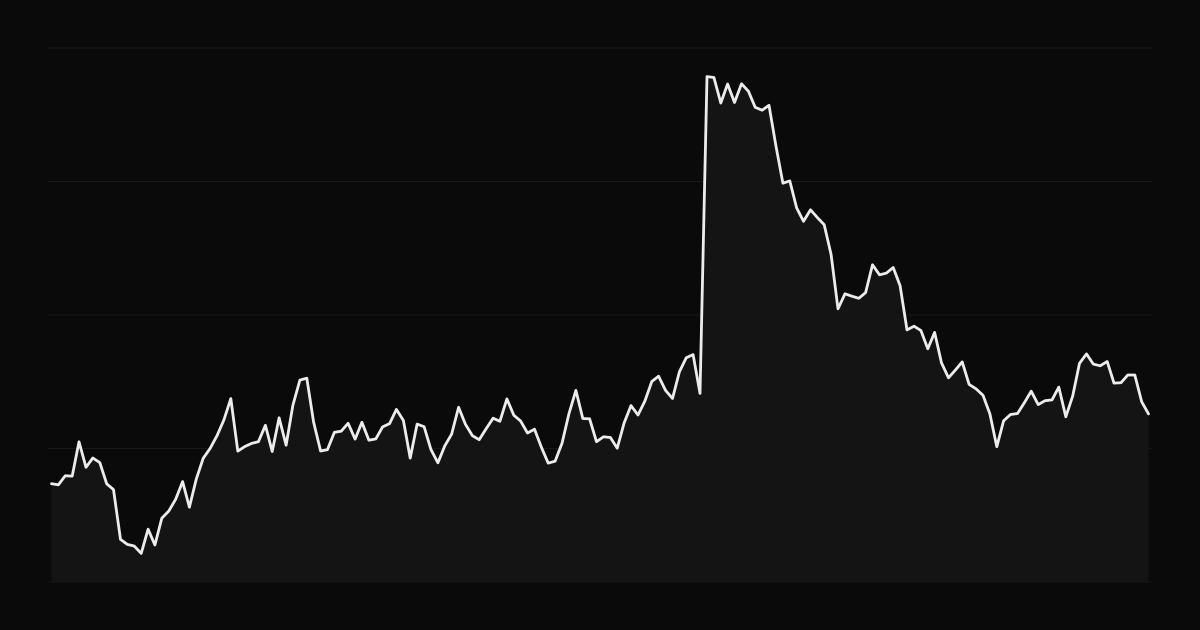
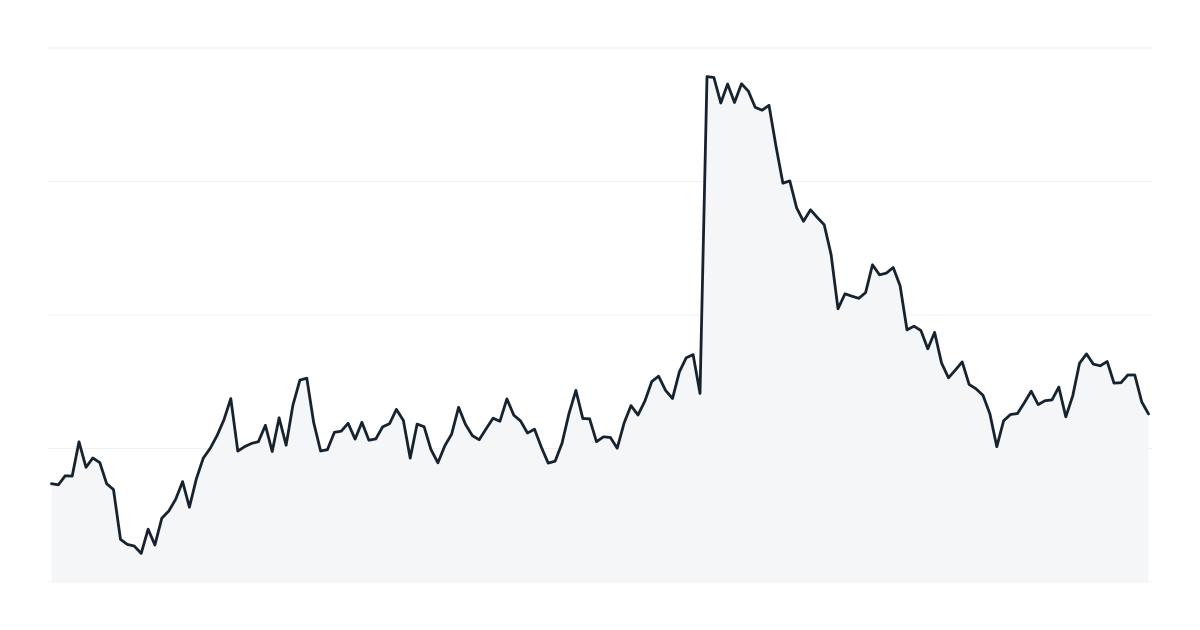
Before known events, implied volatility is often elevated, which makes options expensive. After the event, implied volatility often drops sharply, called a volatility crush. A straddle can lose money even if the stock moves, if the move is smaller than the market expected. The price of the straddle itself is a rough estimate of the move the market is pricing in.
Selling a straddle or strangle is the opposite bet: that the move will be smaller than expected. It collects premium but has potentially unlimited losses on the call side and large losses on the put side. Defined-risk versions are the iron butterfly and the iron condor.
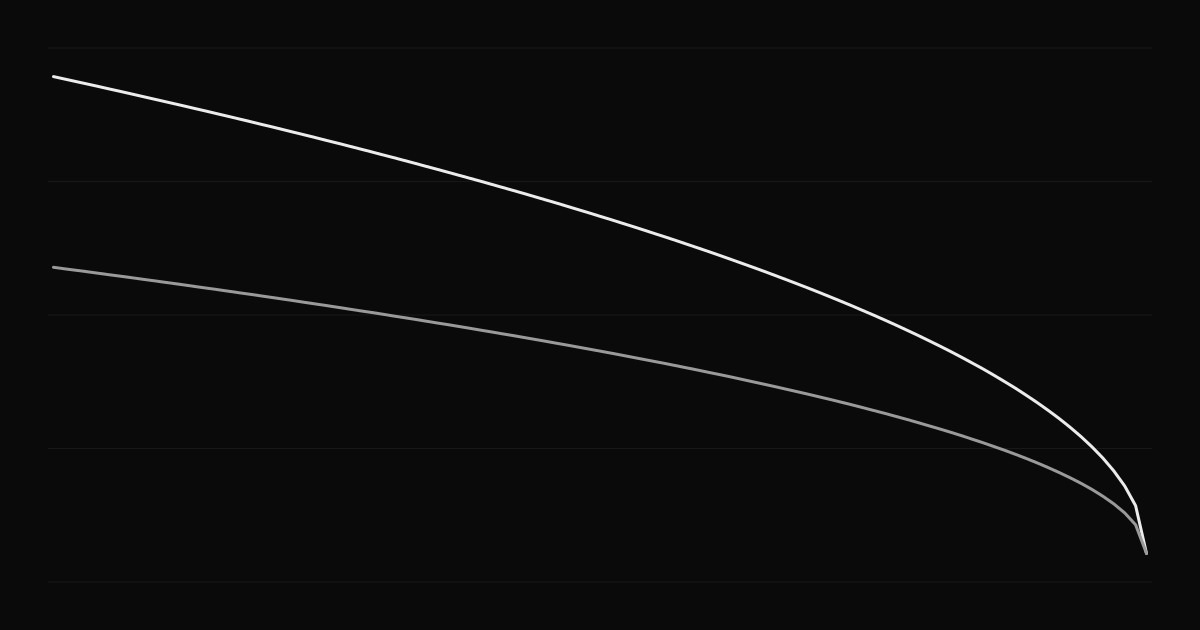
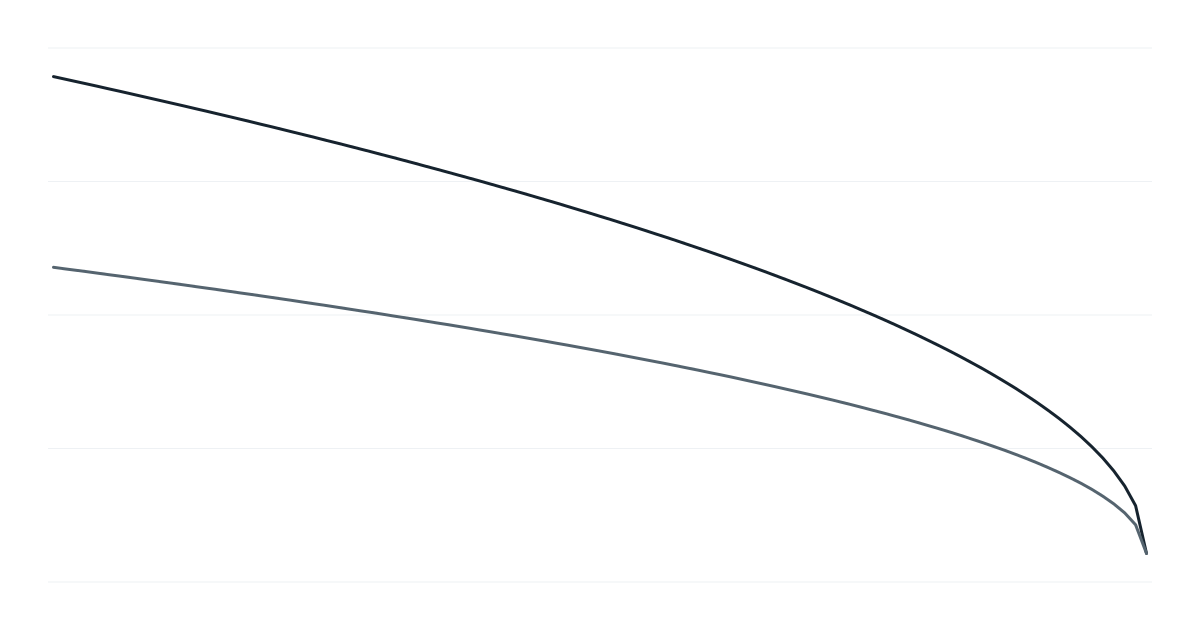
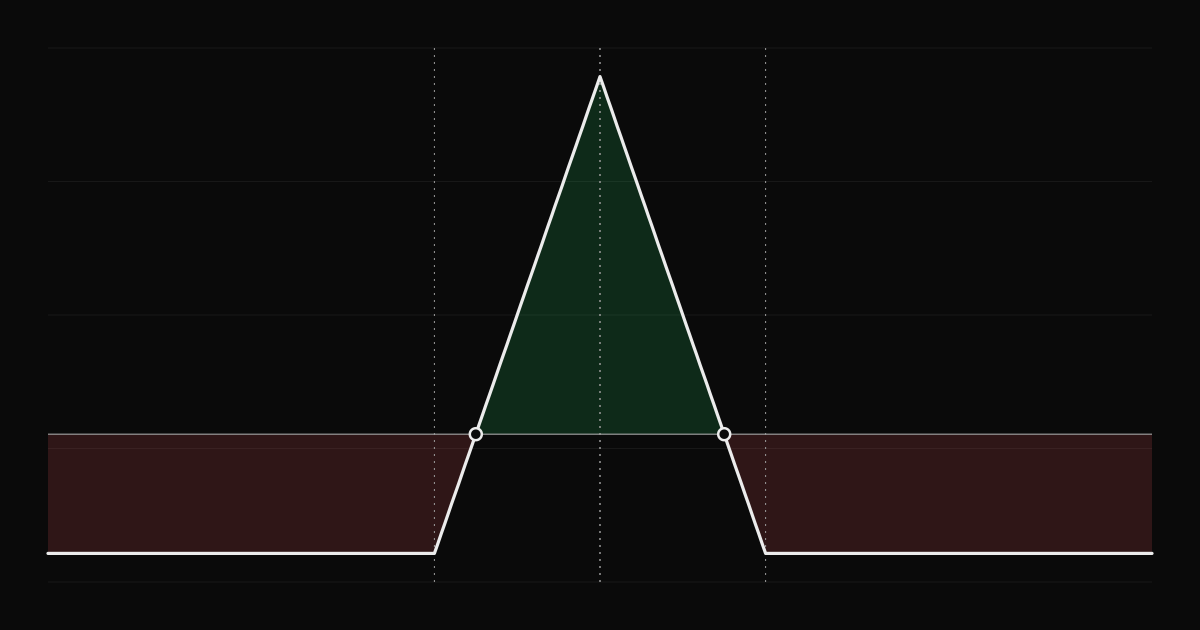
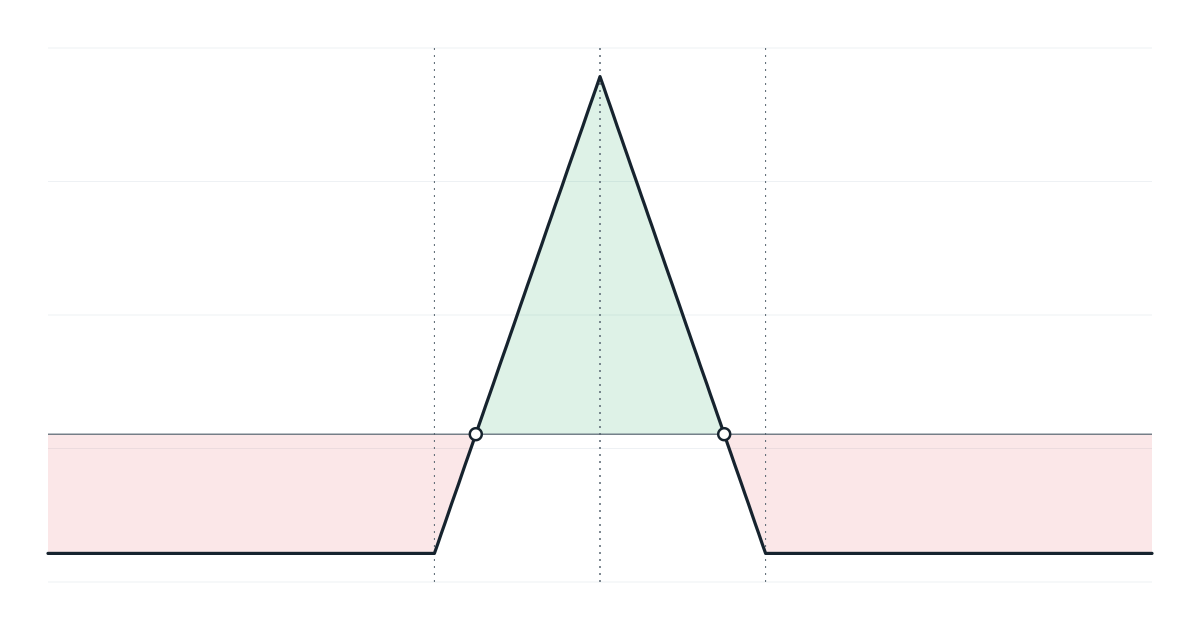
Record the implied volatility at entry and exit along with the trade. In TradeThink, the risk profile shows the payoff today and at expiration, and the positions page shows implied volatility and vega for each leg. Related: theta decay.
What implied volatility is, how it relates to expected moves, IV rank and percentile, volatility crush after events, and how IV affects option strategies.
How theta and time decay work, why decay speeds up near expiration, how it affects long and short option positions, and how to use it in your strategy.
A guide to options risk profile (payoff) charts: the expiration line, the today line, break-evens, maximum profit and loss, and how to use the chart before and during a trade.