Why stocks gap at the open, the difference between gap-and-go and gap-fade setups, what affects which one works, and how to manage the risk of trading gaps.
By the TradeThink team··3 min read
A gap occurs when a stock opens well above or below the previous close, with no trading in between on the regular session chart. Gaps usually follow overnight news: earnings, guidance, analyst changes, economic data or market-wide moves. They create some of the most active trading opportunities of the day.
Two opposite approaches
Gap and go
Trade in the direction of the gap, expecting it to continue. Traders look for:
A strong catalyst, such as a large earnings surprise.
Heavy premarket volume.
A break of the premarket high (for gap ups) shortly after the open.
Gap fade
Trade against the gap, expecting it to fill partly or fully back toward the previous close. Traders look for:
A weak or no clear catalyst.
A gap into a major resistance or support level.
Signs of exhaustion after the open, such as failure to hold the opening price.
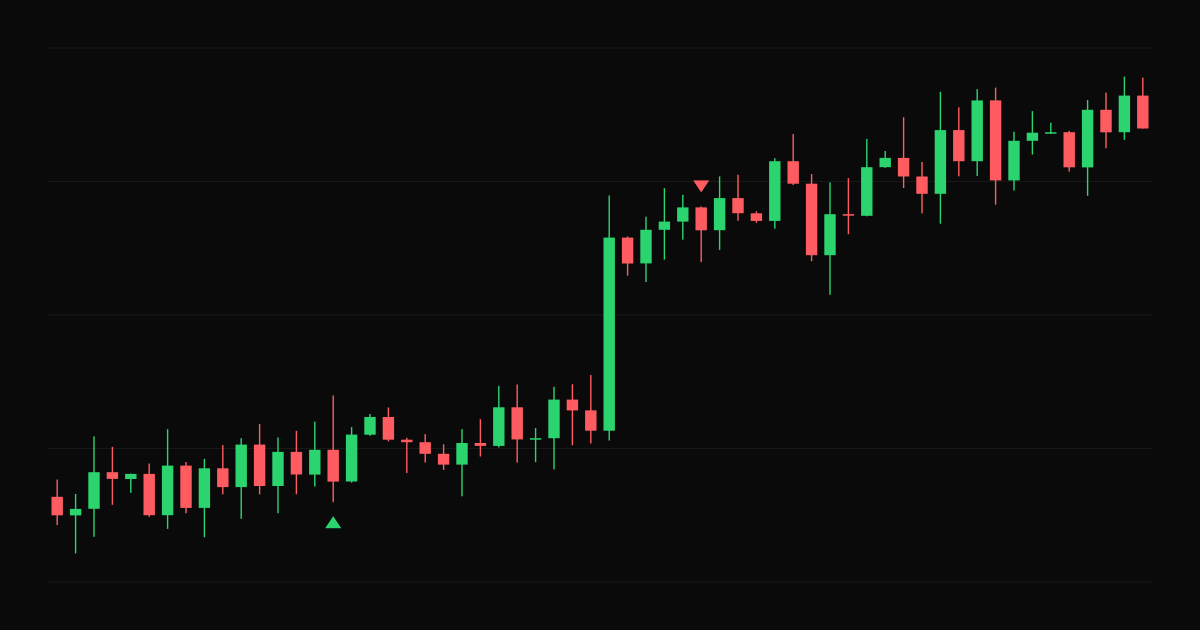
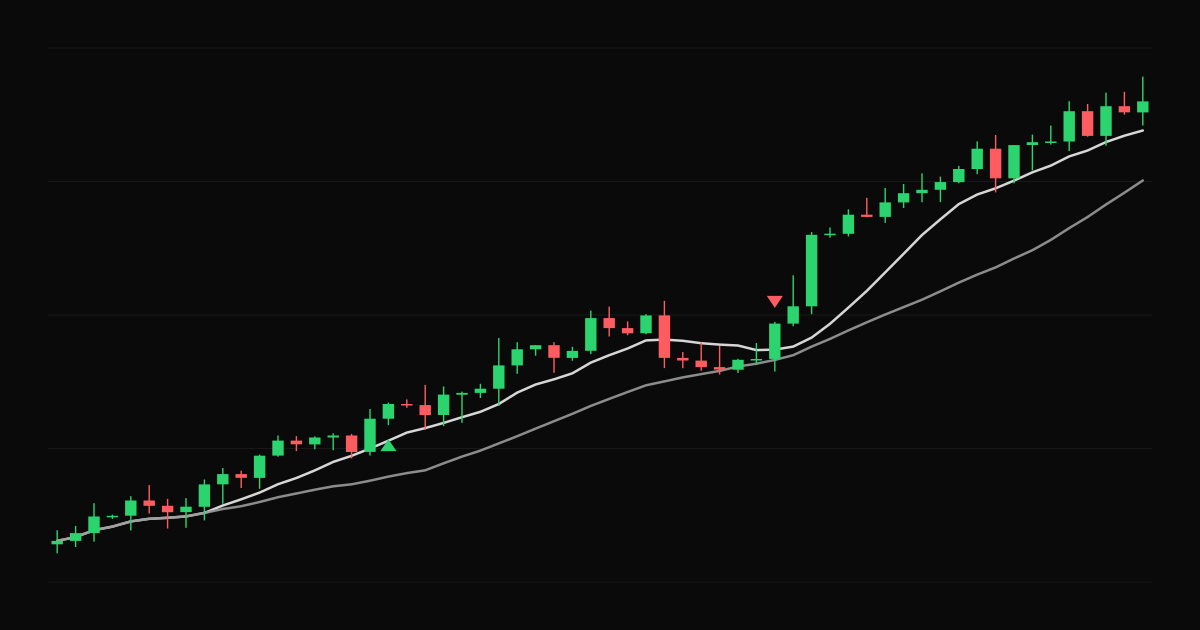
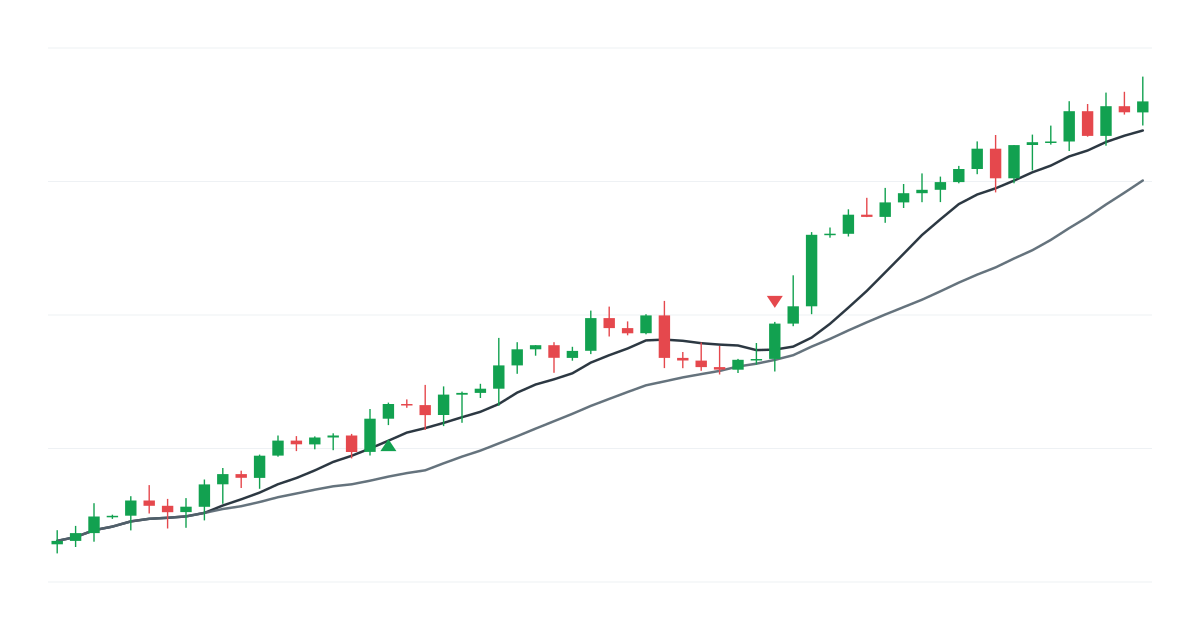
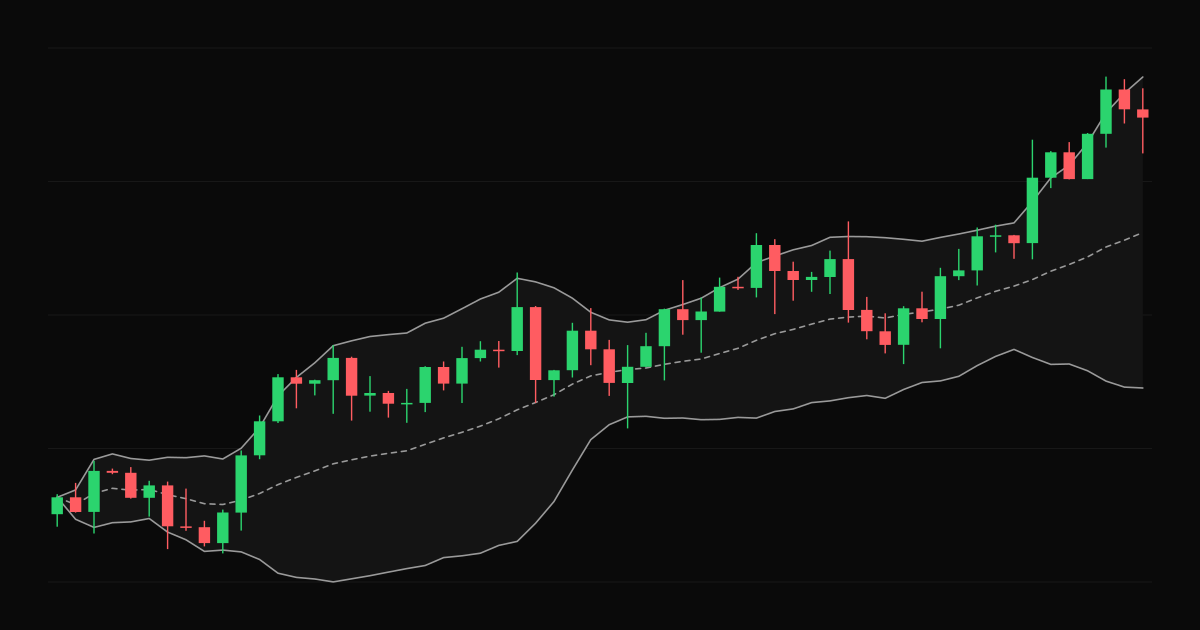
A gap up that holds and continues. The same chart could just as easily have faded back into the gap.
What tends to matter
The catalyst. Fundamental news tends to produce more lasting gaps than technical moves.
Size of the gap relative to the stock's normal range. See ATR.
Volume and float. Low-float stocks can move extremely fast in either direction.
Market direction. A gap up on a weak market day may struggle.
Spreads and slippage are widest at the open. Use limit orders where you can.
Stops: gap-and-go stops often go below the opening range or premarket level; gap-fade stops above the high of the day.
Size down. Opening volatility makes moves larger, so the same dollar risk needs fewer shares. See position sizing.
Do not hold losers waiting for the gap to fill.
Measure which works for you
Tag gap trades as "gap and go" or "gap fade" and add the catalyst type. After enough trades, compare their expectancy. Many traders discover they are good at one and consistently lose on the other. In TradeThink, the reports show results by setup and entry hour, and the first hour is where most gap trades happen. See best trading hours.
How to trade pullbacks within a trend, how to tell a healthy pullback from a reversal, entry triggers, stop placement and how to measure your pullback setups.
The core principles of trend following, typical entry and exit rules, the low win rate and long drawdowns to expect, and how a journal helps you stay disciplined.
How Bollinger Bands are calculated, what band width tells you about volatility, the squeeze setup, walking the bands in trends, and mean-reversion uses.