Trading journal
Pre-Market Routine: A Checklist for Every Trading Day
A step-by-step pre-market routine and checklist for day traders: market context, watchlist, levels, risk limits and a mental check before the open.
A simple tagging system for your trading journal that makes it easy to see which setups make money and which mistakes cost the most.
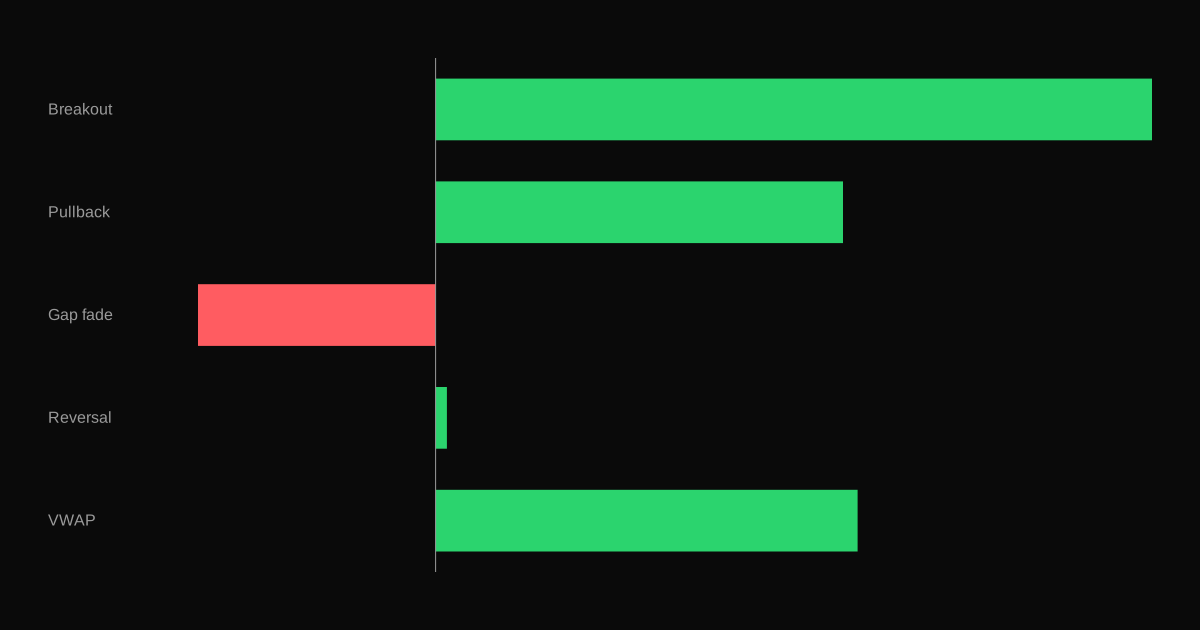
Tags are the most powerful feature of a trading journal, and the most often misused. Good tags let you answer questions like "what does my opening range breakout actually earn?" or "how much did chasing entries cost me this quarter?" Bad tags turn into a cloud of one-off words that answer nothing.
Keep three separate lists, each with a clear purpose.
One setup per trade, from a short fixed list. Examples:
Five to eight setups is plenty. If you trade something new, add it deliberately, not by typing a new name on the fly.
Mistakes describe behavior, not outcomes. A losing trade is not a mistake by itself. Useful mistake tags:
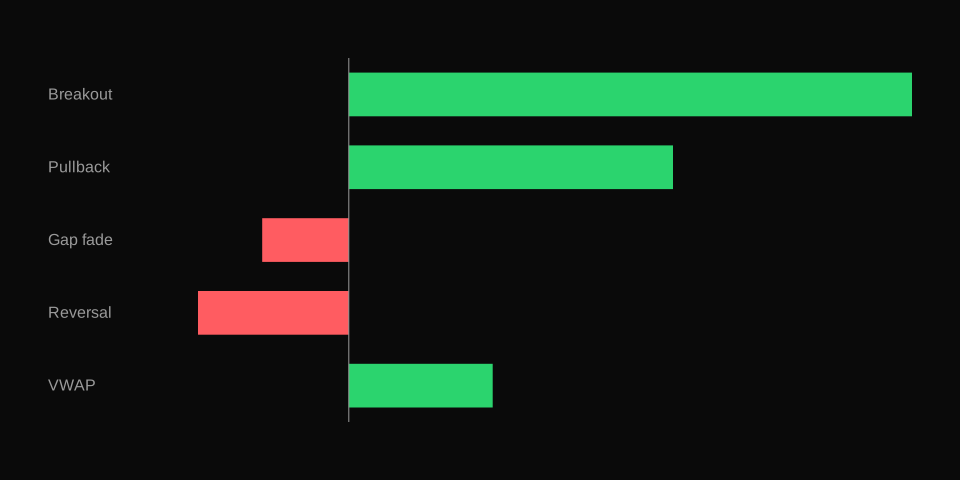
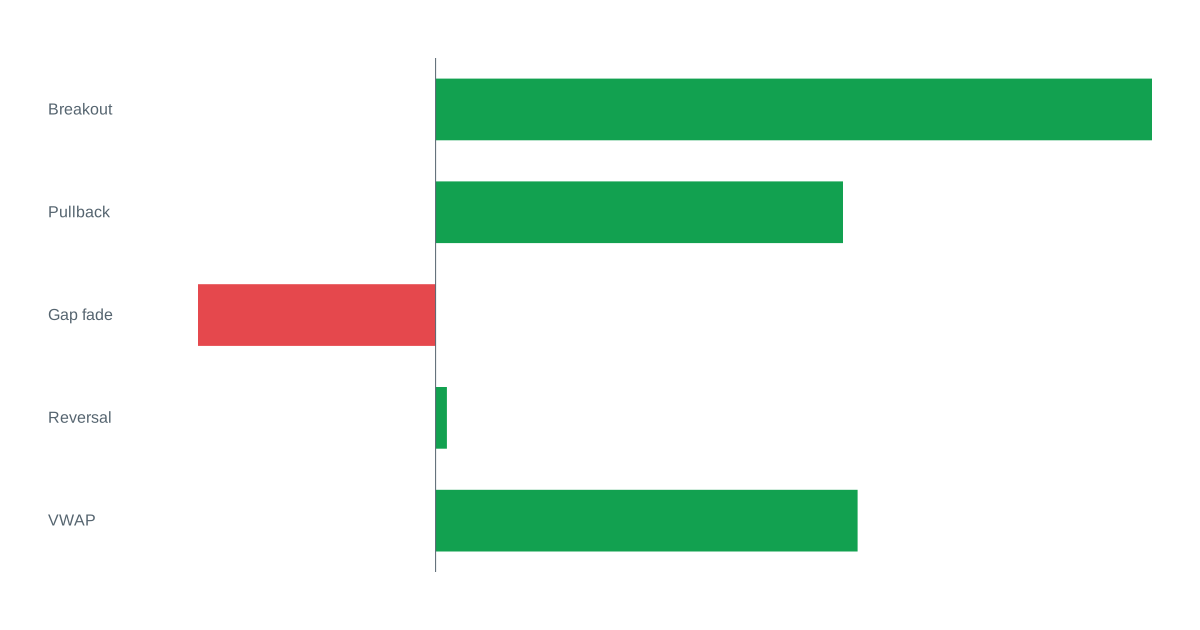
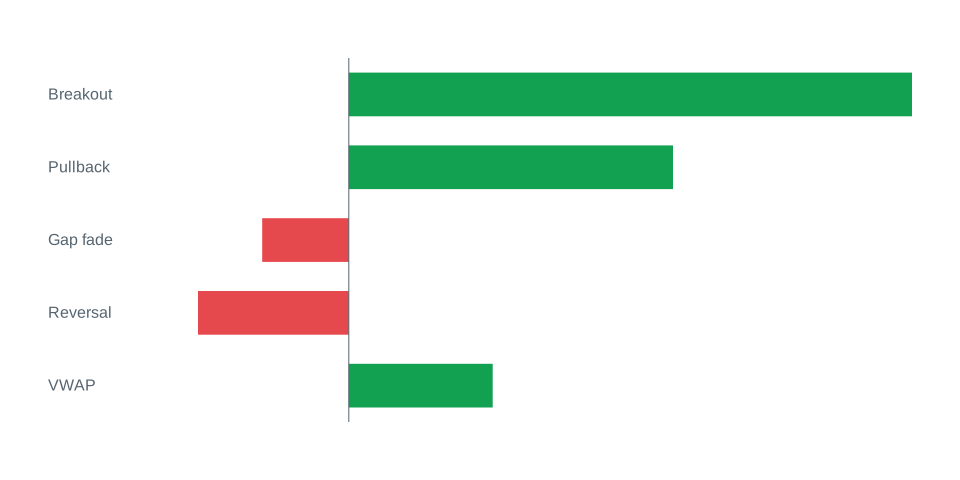
Once you have a few months of tagged trades, the analysis is simple:
Notes explain one trade. Tags let you compare hundreds. Write a note when a trade is unusual. Use tags on every trade.
You can set a setup and add tags from the right-click menu on any trade, or for many trades at once with bulk edit. The reports then break down results by setup, tag, mistake and rating, and filters let you see any combination. Pair your tags with a regular weekly review.
A step-by-step pre-market routine and checklist for day traders: market context, watchlist, levels, risk limits and a mental check before the open.
The questions to ask after each trade and each session to separate bad luck from bad decisions, with examples of honest answers.
Why chart screenshots make your trading journal more useful, what each screenshot should show, and how to review them to find patterns in your entries and exits.