Trading psychology
How to Handle a Losing Streak Without Blowing Up Your Account
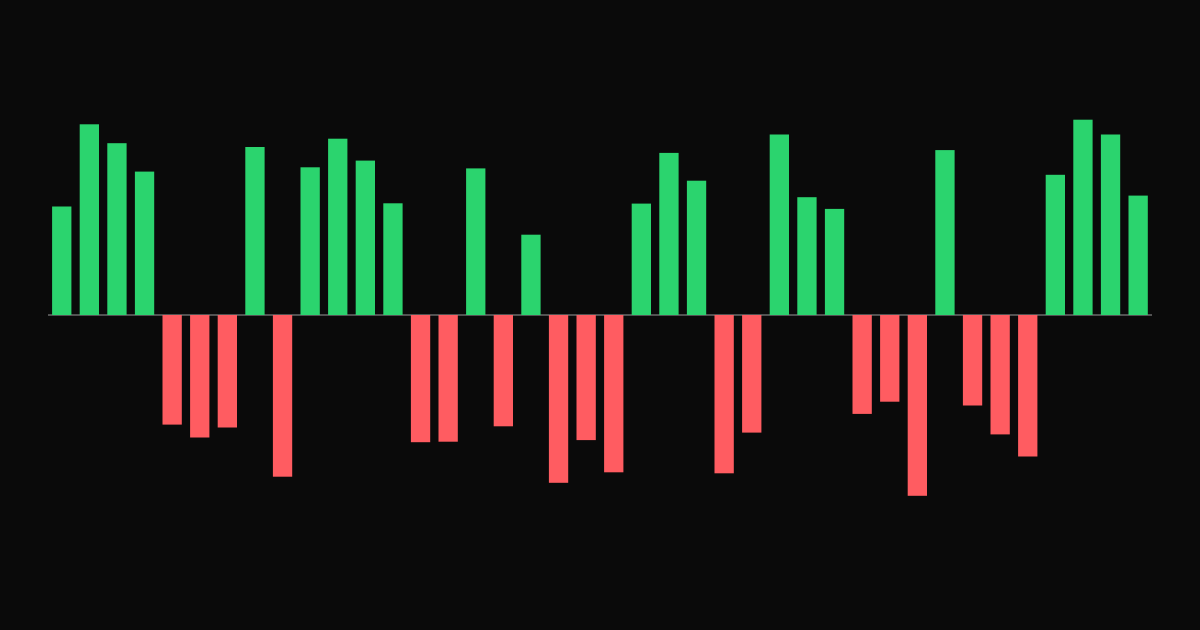
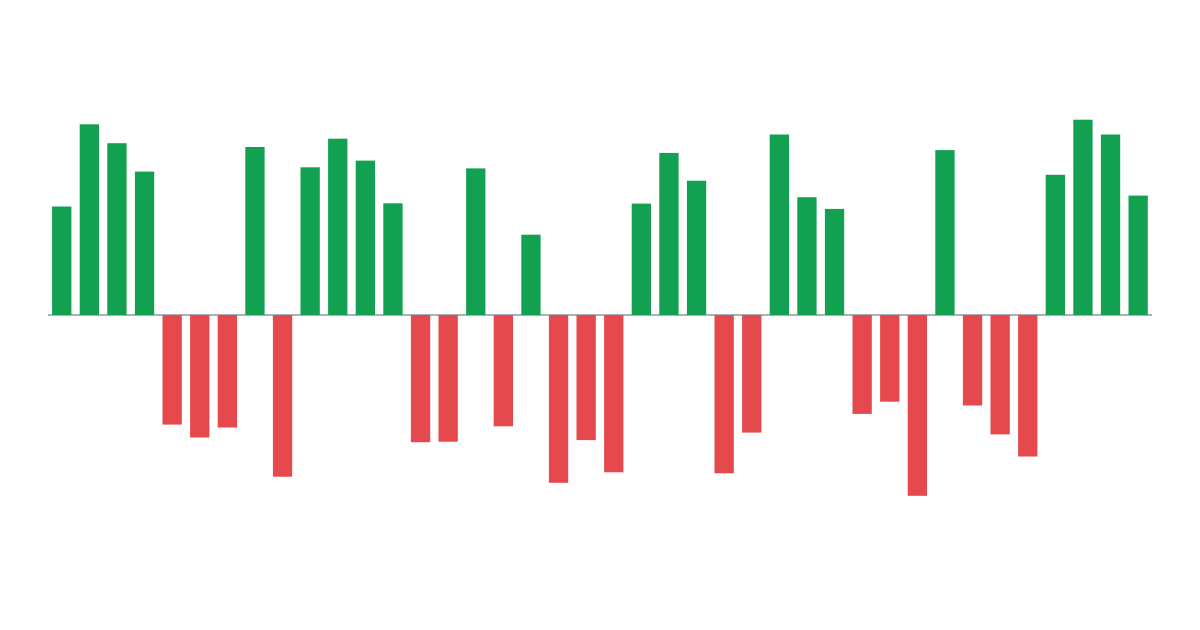
Losing streaks are normal even for profitable traders. Learn how long they can last, how to tell bad luck from a broken strategy, and what to do while you are in one.
Discipline in trading comes from clear rules and simple routines, not willpower. Here are ten rules most consistent traders use, and how to make them stick.
Discipline in trading is not about being a tougher person. It is about making the right decision easy and the wrong one hard. That means writing rules down, keeping them few, and checking whether you followed them.
You do not need all ten. Start with three that address your most expensive mistakes.
In the moment, with money moving, your judgment is at its worst. A rule made calmly the night before is much more reliable. Rules also make your results measurable: you can only check discipline if you know what the rule was.
At the end of each day, answer one question: did I follow my plan? Yes, partly or no. After a month, compare your results on "yes" days with the others. Most traders find a large difference, often the difference between a losing and a winning month. That comparison is the best motivation for discipline you will find.
Rate each trade on how well you followed the rules, not on whether it made money. A disciplined loss is a good trade. An undisciplined win is a bad one that happened to pay. See process vs outcome.
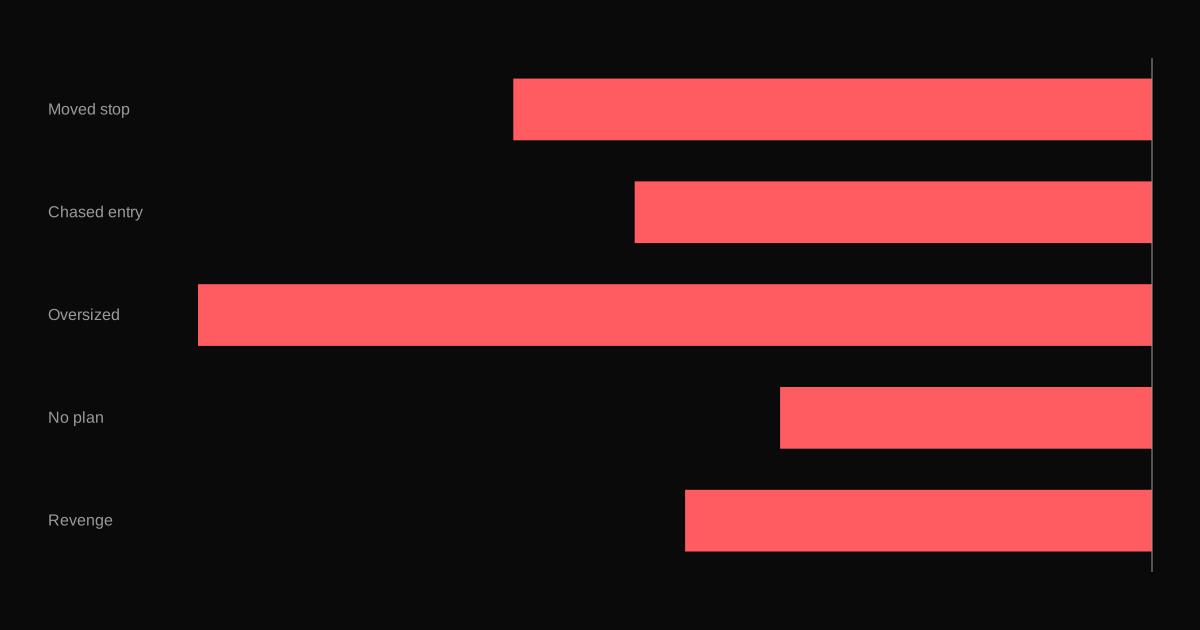
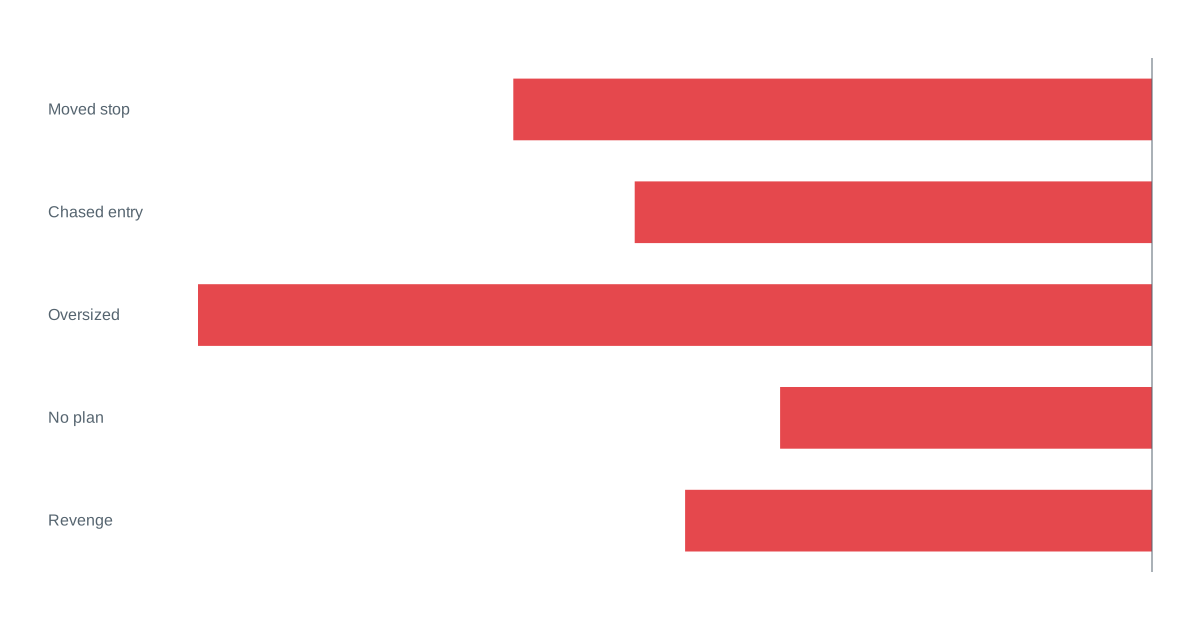
The daily journal asks whether you followed your plan each day and shows your average P&L on days you did and did not. Trades can be rated and tagged with the rule you broke, and the reports show what each broken rule cost.
Losing streaks are normal even for profitable traders. Learn how long they can last, how to tell bad luck from a broken strategy, and what to do while you are in one.
How confirmation bias leads traders to ignore warning signs, hold losing positions and overrate their ideas, and practical habits that counter it.
Tilt is the emotional state where frustration takes over your trading. Learn the triggers, the warning signs, and a step-by-step plan to stop before the damage is done.