Trading journal
Trading Journal App vs Spreadsheet: Which Should You Use?
The pros and cons of tracking trades in Excel or Google Sheets versus a dedicated trading journal, and when it makes sense to switch.
How to run a weekly trading review: the numbers to check, the questions to ask, and how to pick one change for next week. Includes a step-by-step routine.
Daily notes are where you collect information. The weekly review is where you learn from it. Thirty minutes once a week is enough, and it is often the single most valuable half hour of a trader's week.
Pick a time when markets are closed and you are not tired: Saturday morning or Sunday afternoon works for most people. Put it in your calendar. A review that happens "when I have time" does not happen.
Start with a small, fixed set of numbers so weeks can be compared:
Do not judge the week by P&L alone. A week of good execution with a small loss is better than a week of rule-breaking with a lucky gain. See process vs outcome.
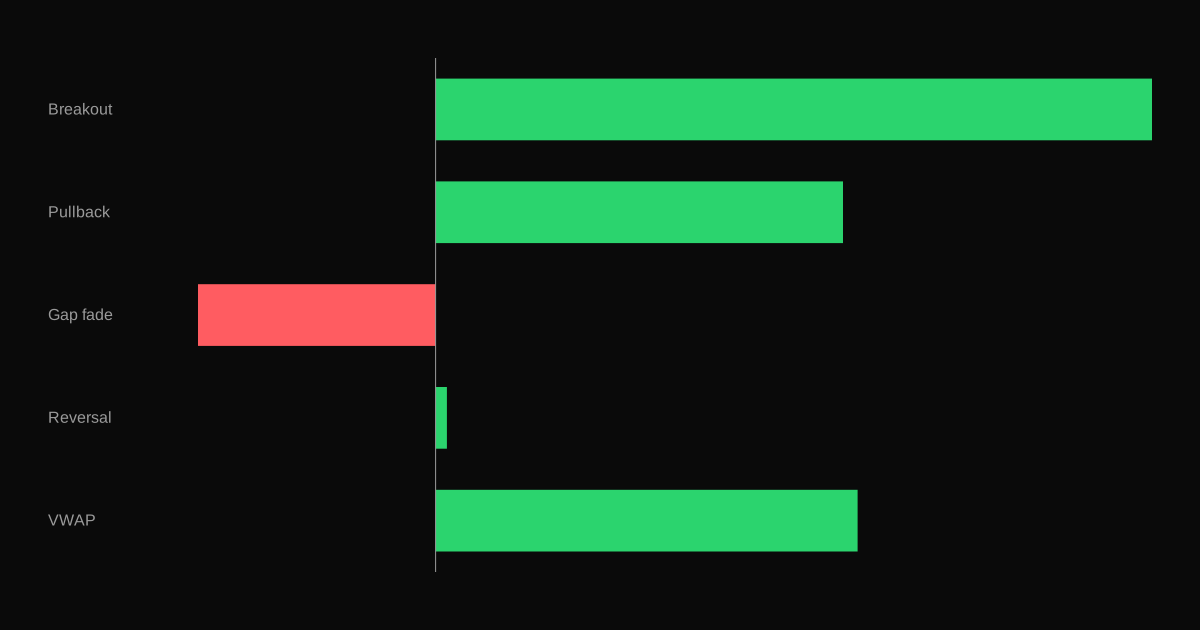
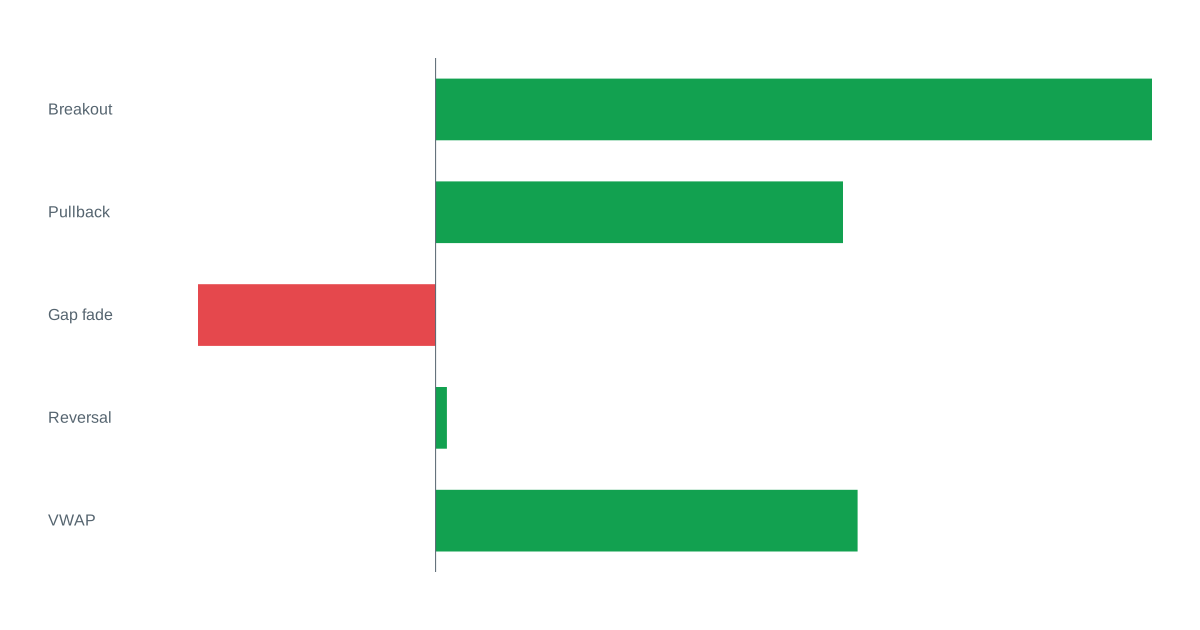
Look at the same numbers split by:
Pick your three best and three worst trades by R-multiple, not by dollars. For each, look at the chart and your notes:
Write one specific change for next week. Good changes are concrete and checkable:
Add it to your pre-market checklist so you see it every day.
Write the week's numbers and your one change in a single line each week. After three months you have a record of what you tried and whether it worked, which is far more useful than memory.
The numbers part should take minutes, not an hour of spreadsheet work. In TradeThink, the reports page breaks results down by setup, tag, weekday, hour, month and holding time, the calendar shows each day's result, and the journal's insights compare days you followed your plan with days you did not. For the monthly version of this routine, see the monthly performance review.
The pros and cons of tracking trades in Excel or Google Sheets versus a dedicated trading journal, and when it makes sense to switch.
A simple tagging system for your trading journal that makes it easy to see which setups make money and which mistakes cost the most.
A step-by-step pre-market routine and checklist for day traders: market context, watchlist, levels, risk limits and a mental check before the open.