Trading journal
Using Chart Screenshots in Your Trading Journal
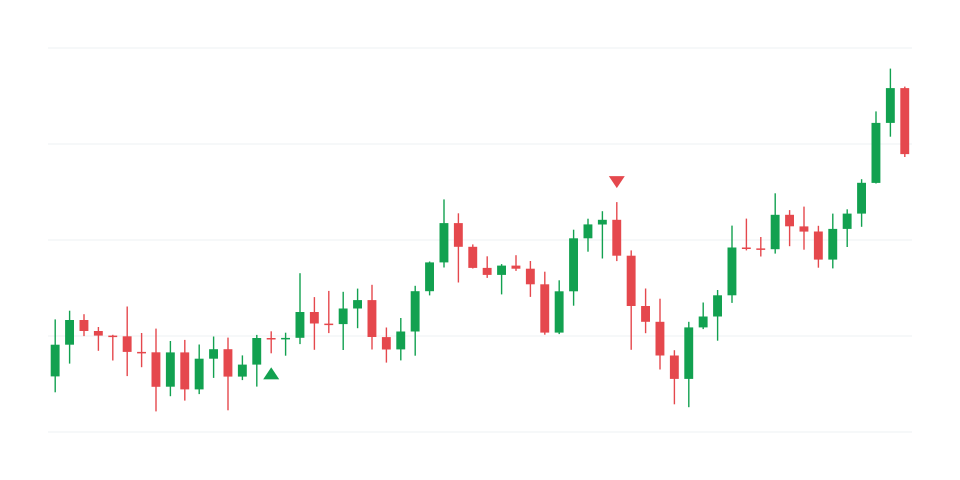
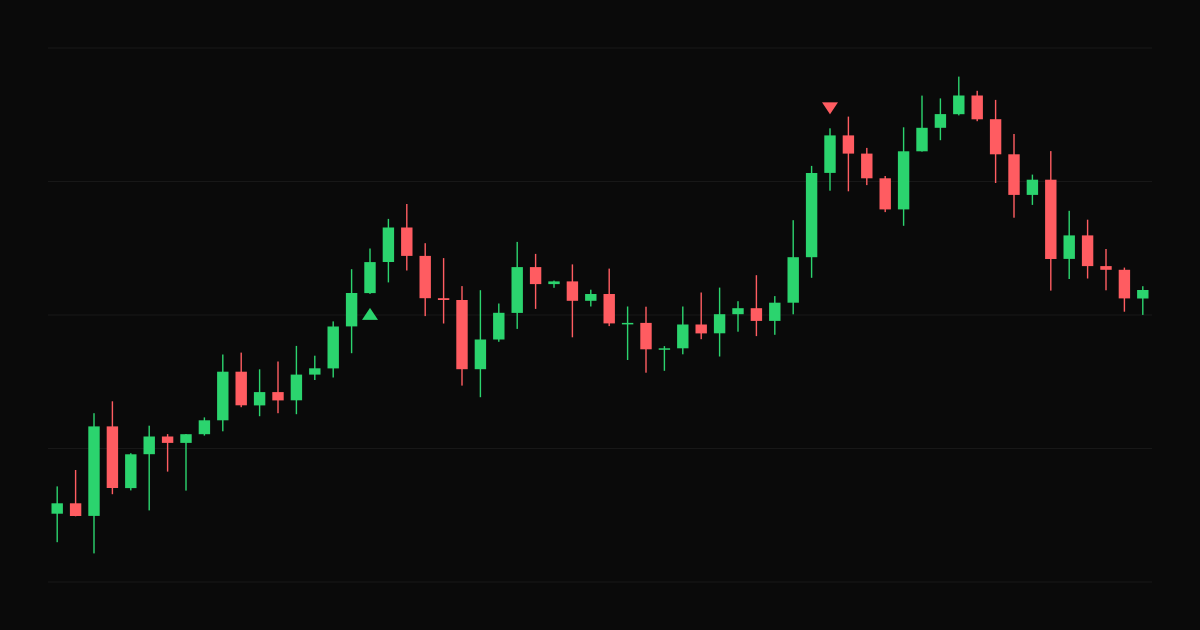
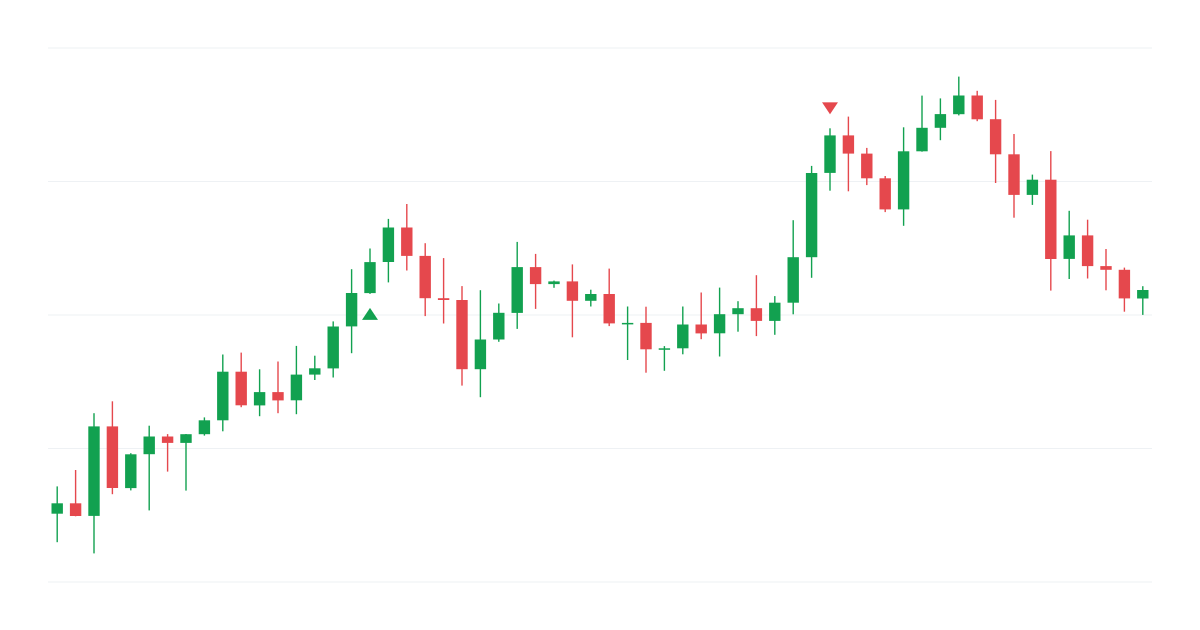
Why chart screenshots make your trading journal more useful, what each screenshot should show, and how to review them to find patterns in your entries and exits.
The questions to ask after each trade and each session to separate bad luck from bad decisions, with examples of honest answers.
After a trade, most traders ask one question: did I make money? It is the least useful question you can ask. The result of a single trade is mostly noise. The decisions behind it are what you control. These questions focus on decisions.
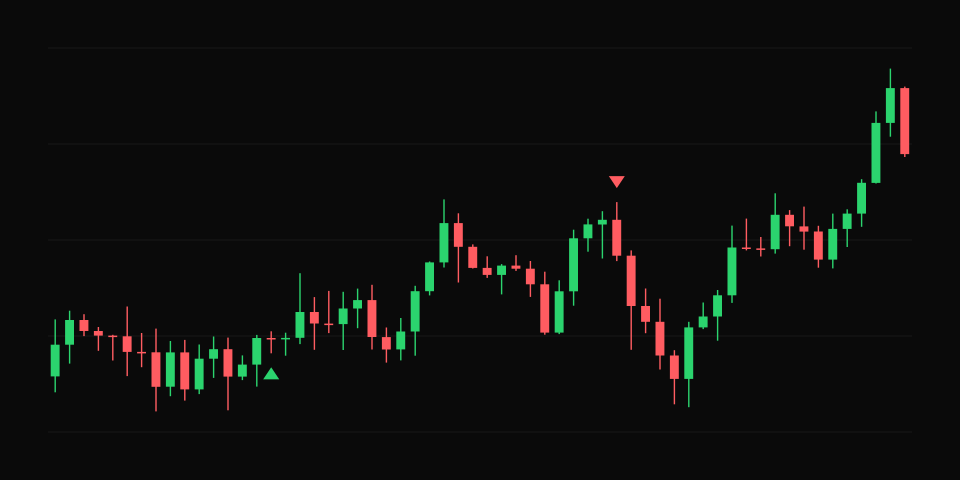
Give each trade a rating from one to five for execution. A losing trade that followed every rule gets five. A winning impulse trade gets one. Over time, compare your results on highly rated trades with low-rated ones. The gap is usually the strongest argument for discipline you will ever see.
At the end of the day, add three more:
You do not need to answer all twelve for every trade. Answer them in full for your biggest win, your biggest loss and any trade that broke a rule. For the rest, a setup, a mistake tag and a rating are enough. In TradeThink you can rate trades, add notes and tags from the trade menu, and write the session review in the daily journal. Then roll it up in your weekly review.
Why chart screenshots make your trading journal more useful, what each screenshot should show, and how to review them to find patterns in your entries and exits.
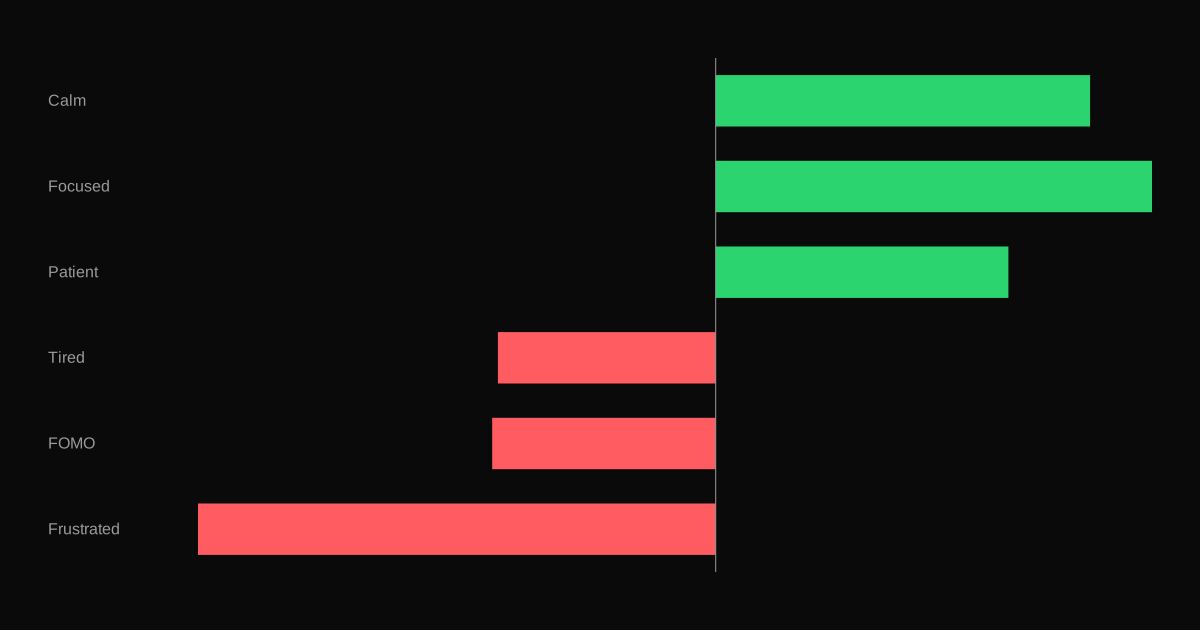
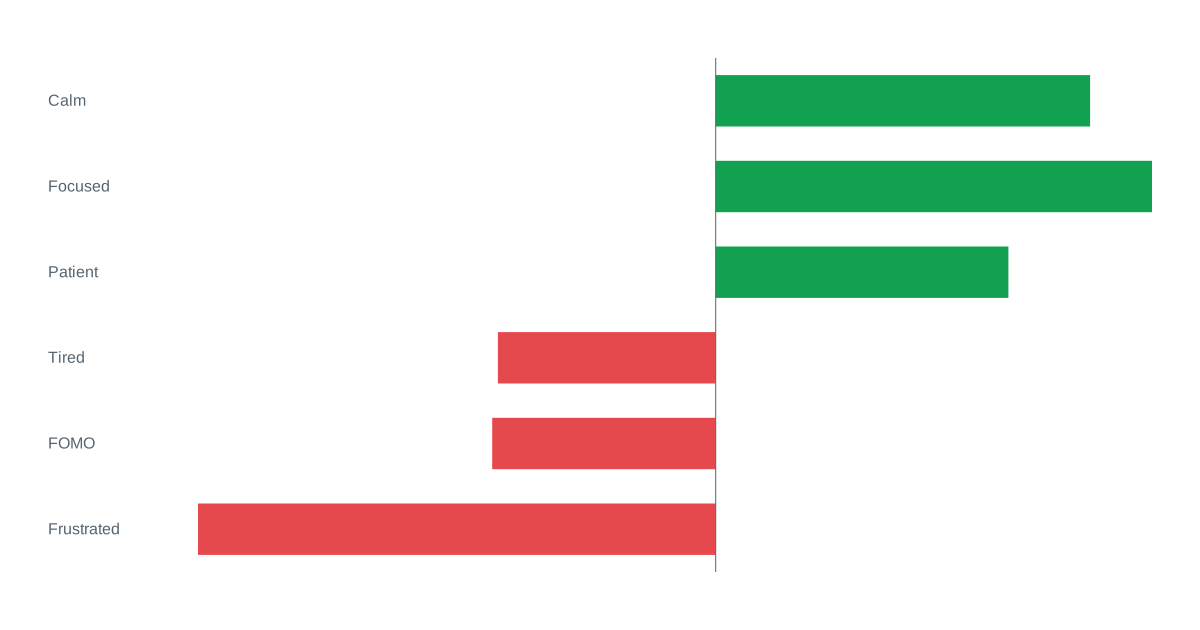
Recording your mood before and after trading reveals how emotions affect your results. Here is a simple method and how to analyze what you find.
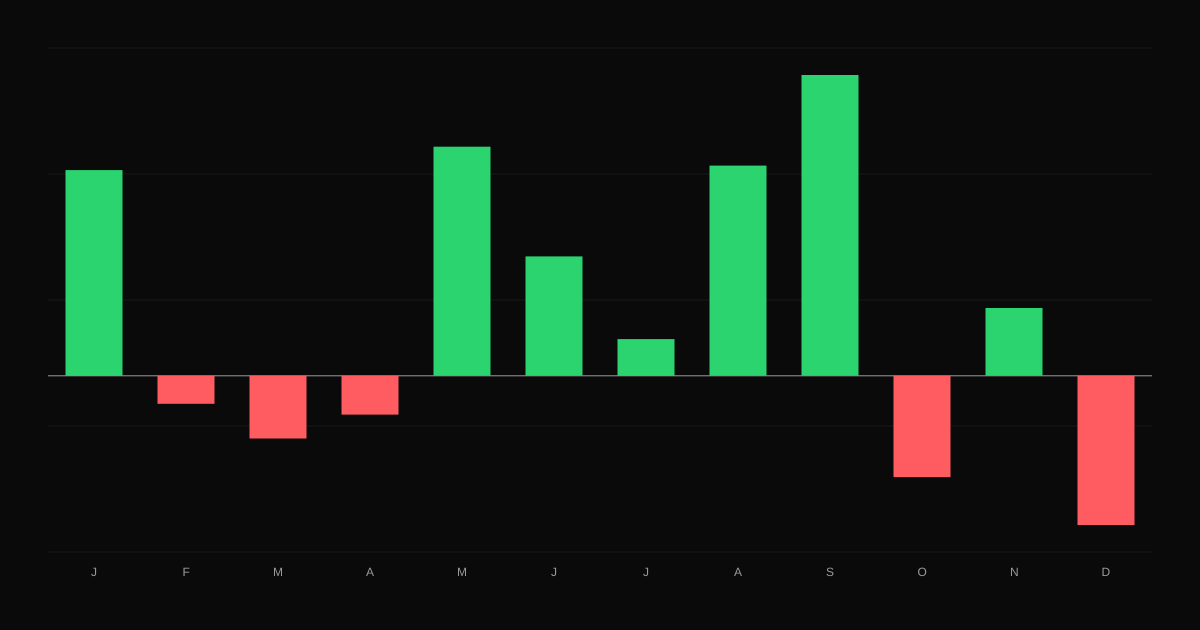
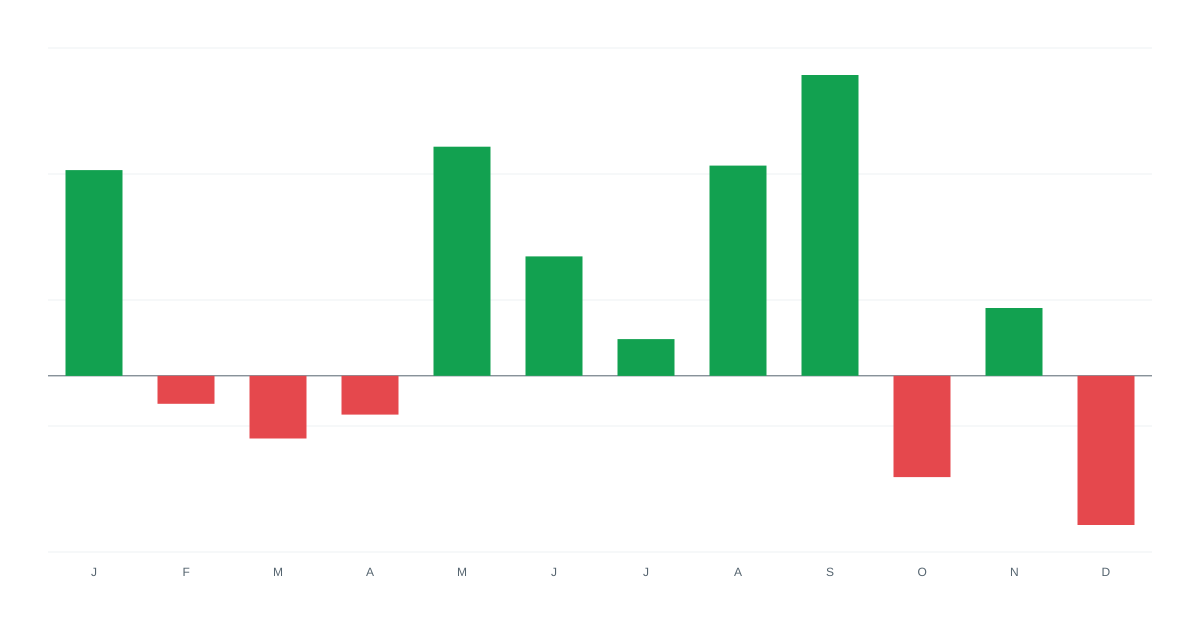
A monthly review routine for traders: the key metrics to track month over month, how to compare months fairly, and how to set goals for the next month.