VWAP Trading: How Day Traders Use the Volume-Weighted Average Price
What VWAP is, how it is calculated, why institutions watch it, and how day traders use VWAP for trend bias, pullback entries and reclaim setups.
By the TradeThink team··3 min read
The volume-weighted average price (VWAP) is the average price paid for an instrument over the day, weighted by how much traded at each price. It resets each session and is one of the most-watched lines on intraday charts.
How it is calculated
For each bar, multiply a representative price (often the average of high, low and close) by the bar's volume. Add these up through the day, and divide by the total volume so far:
VWAP = Σ(Price × Volume) ÷ Σ(Volume)
Early in the session VWAP moves a lot; later it becomes steadier, because each new bar is a smaller share of the total volume.
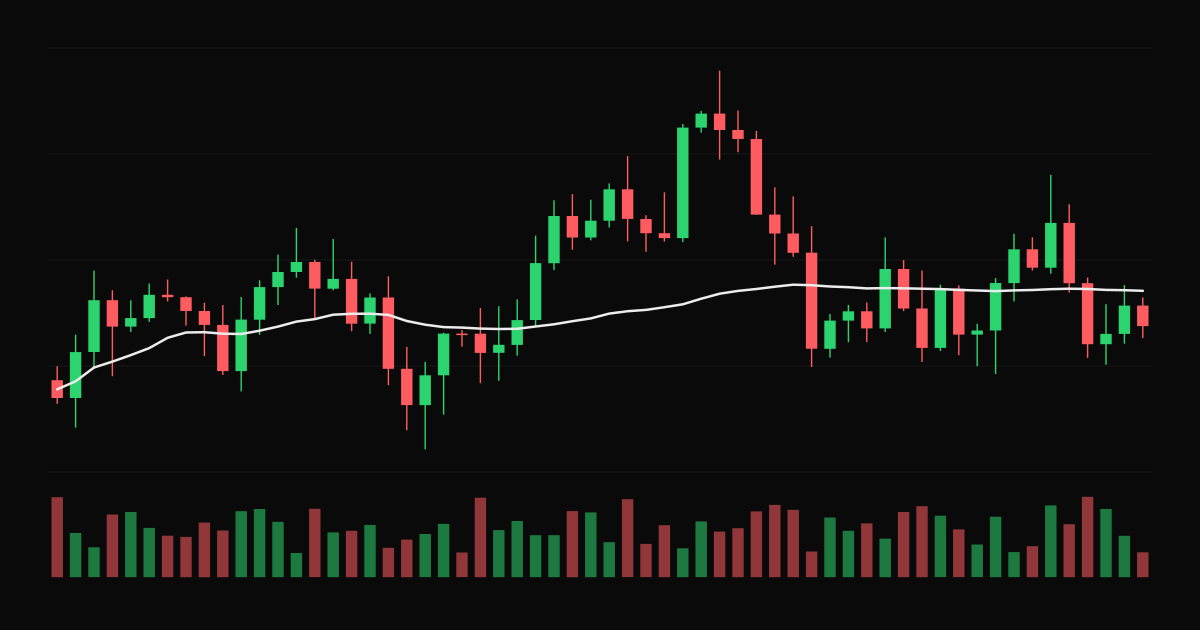
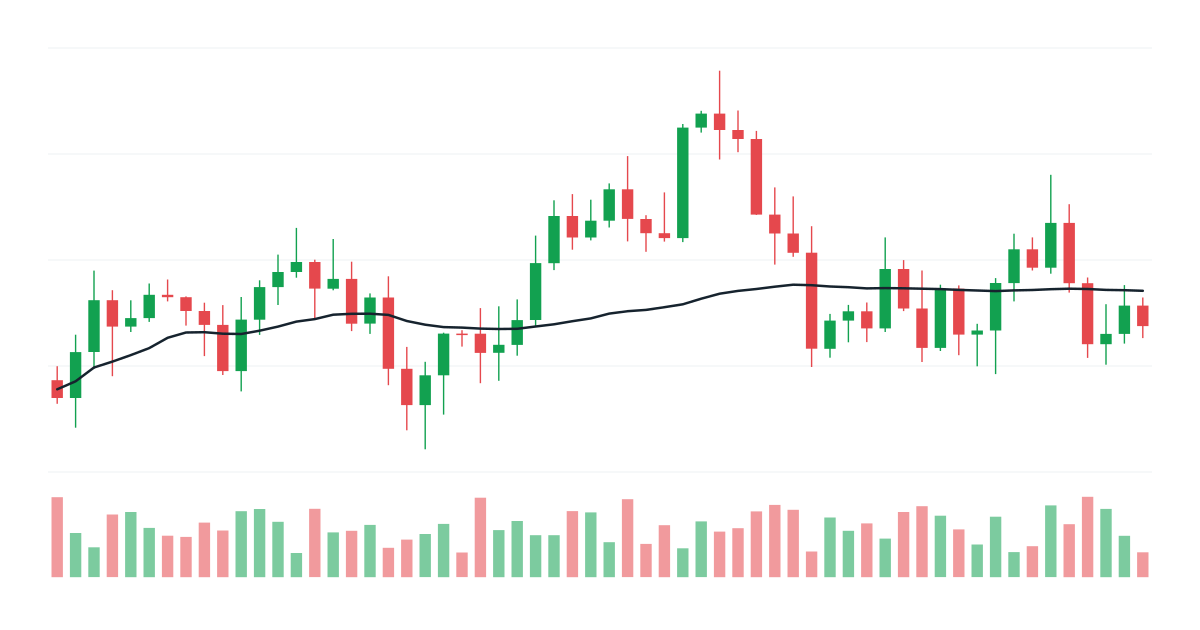
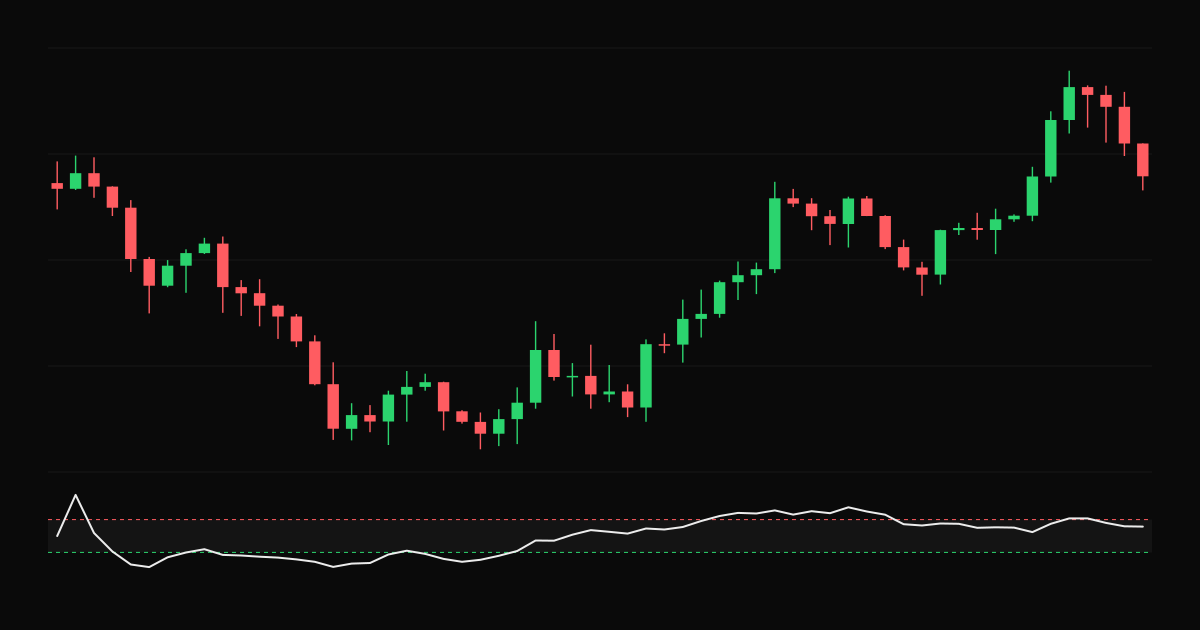
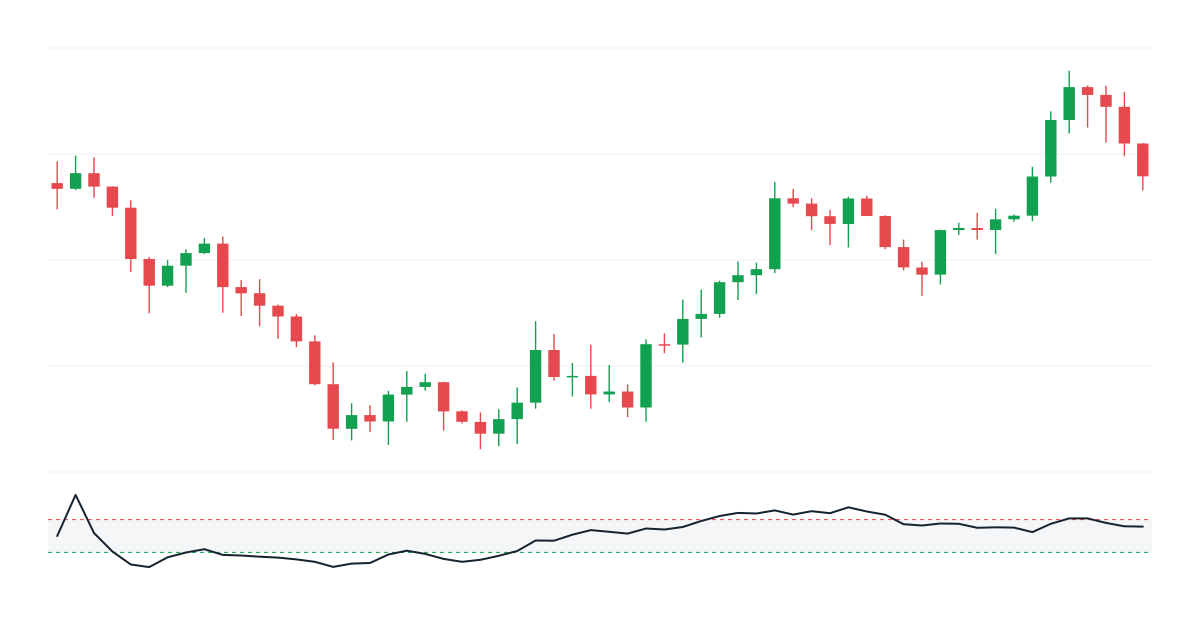
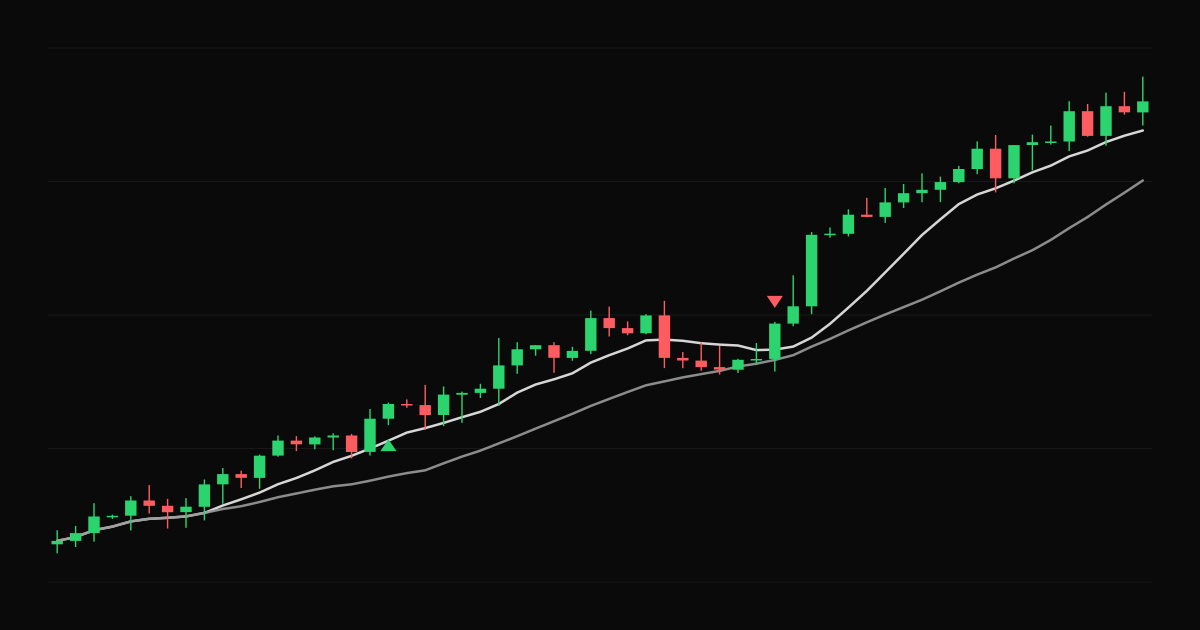
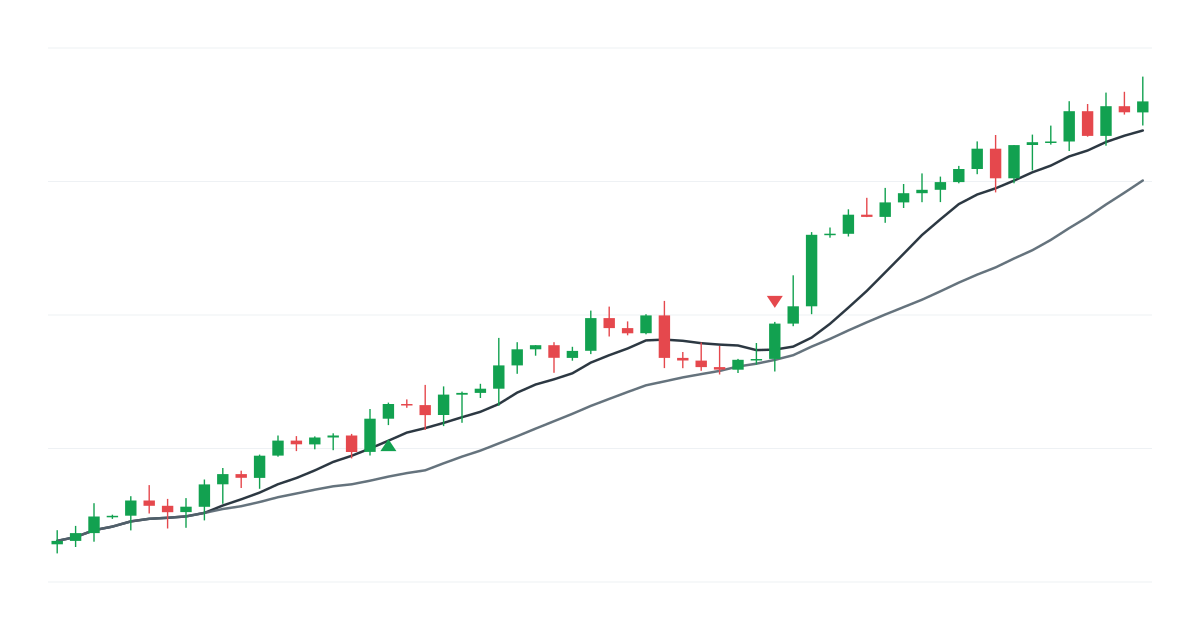
Price and VWAP through a session, with volume below.
Why it matters
A fair value reference. Many institutions measure execution quality against VWAP. Buying below it or selling above it is often considered a good fill.
A shared reference point. Because so many traders watch it, price often reacts near it.
Common ways day traders use VWAP
Trend bias
Price holding above VWAP suggests buyers are in control for the day; below, sellers. Many traders only take longs above and shorts below.
Pullback to VWAP
In a trend, price often pulls back to VWAP before continuing. Traders look for a bounce with a stop just beyond the line. See pullback trading.
VWAP reclaim
Price falls below VWAP, then reclaims it and holds. Traders see this as a shift in control and enter on the reclaim.
Mean reversion
When price stretches far from VWAP, some traders look for moves back toward it, often using bands at standard deviations around VWAP.
Limitations
Intraday only. Standard VWAP resets each day. Anchored VWAP, starting from a chosen event, is used for longer views.
Choppy around the line. On range days, price can cross VWAP many times, producing false signals.
Not a level by itself. Combine it with structure and context.
Measure it
Tag your VWAP setups separately, such as "VWAP pullback" and "VWAP reclaim", and compare their results. In TradeThink, the reports show results by setup and by entry hour, which matters because VWAP behaves differently early and late in the session. See also best trading hours.
How the relative strength index is calculated, what overbought and oversold really mean, divergences, and how to use RSI as a filter rather than a signal on its own.
Why stocks gap at the open, the difference between gap-and-go and gap-fade setups, what affects which one works, and how to manage the risk of trading gaps.
How to trade pullbacks within a trend, how to tell a healthy pullback from a reversal, entry triggers, stop placement and how to measure your pullback setups.