Pullback Trading: Buying Dips in an Uptrend (and Selling Rips in a Downtrend)
How to trade pullbacks within a trend, how to tell a healthy pullback from a reversal, entry triggers, stop placement and how to measure your pullback setups.
By the TradeThink team··3 min read
Trends rarely move in a straight line. They move in waves: a push in the trend's direction, then a pullback, then another push. Pullback traders aim to enter during the pause, at a better price than chasing the push, with a clear place for a stop.
A healthy pullback
Signs that a pullback is a pause rather than a reversal:
The larger trend is intact: higher highs and higher lows (for an uptrend).
The pullback is orderly: smaller candles and lighter volume than the push before it.
It holds a reference area: a prior breakout level, a moving average, VWAP or a support zone.
It does not retrace too much. Very deep pullbacks often signal a change in trend.
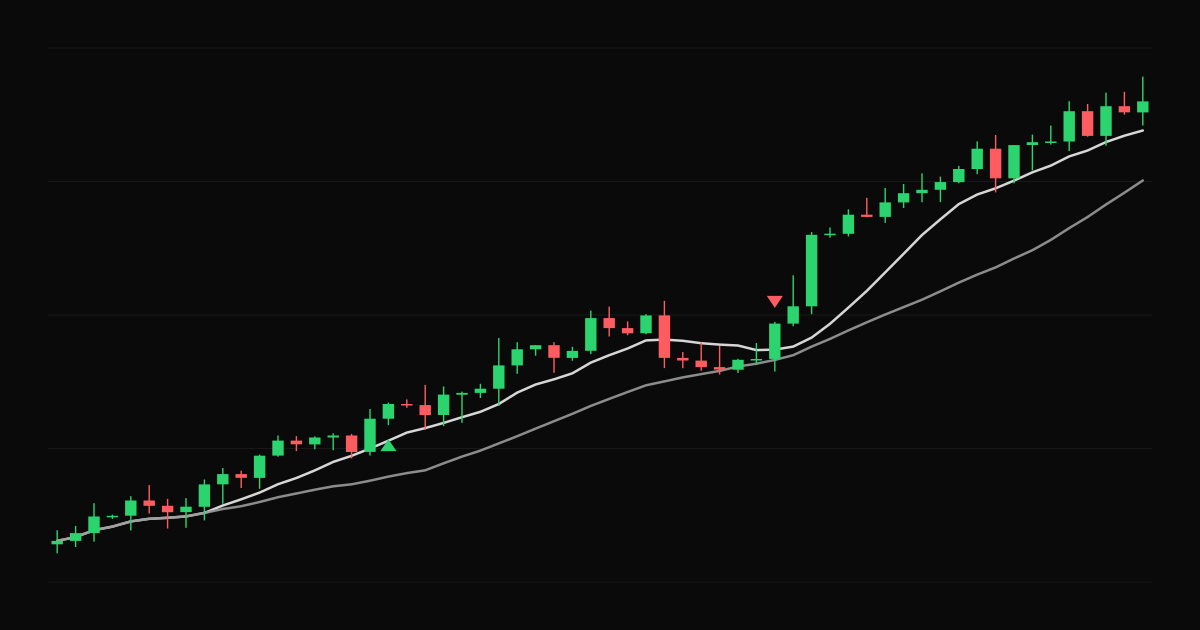
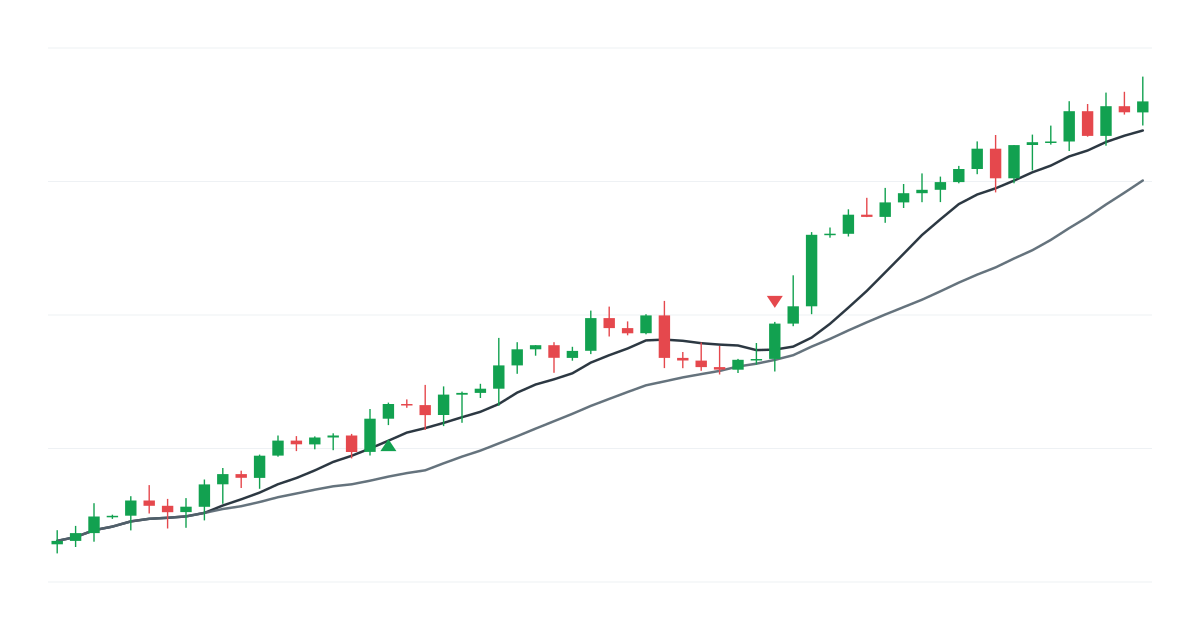
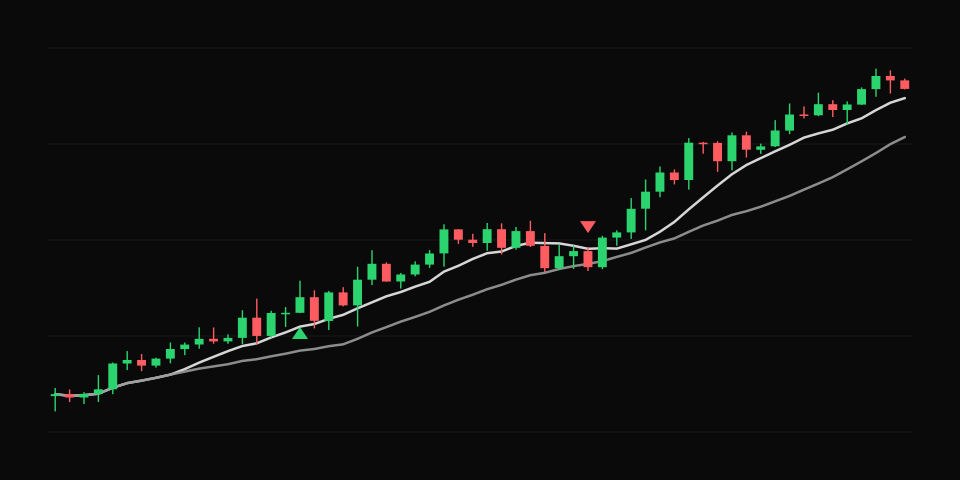
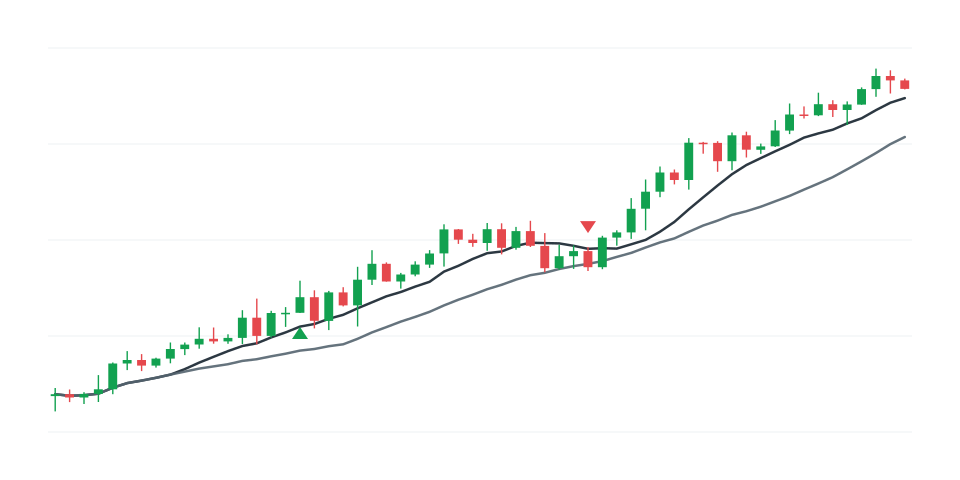
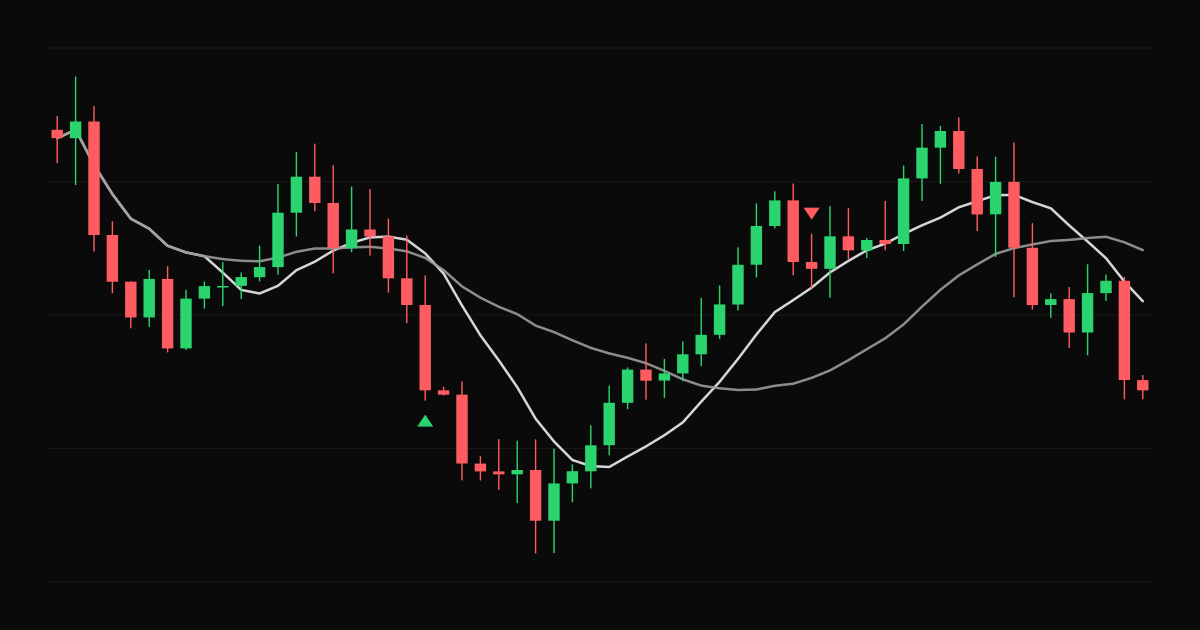
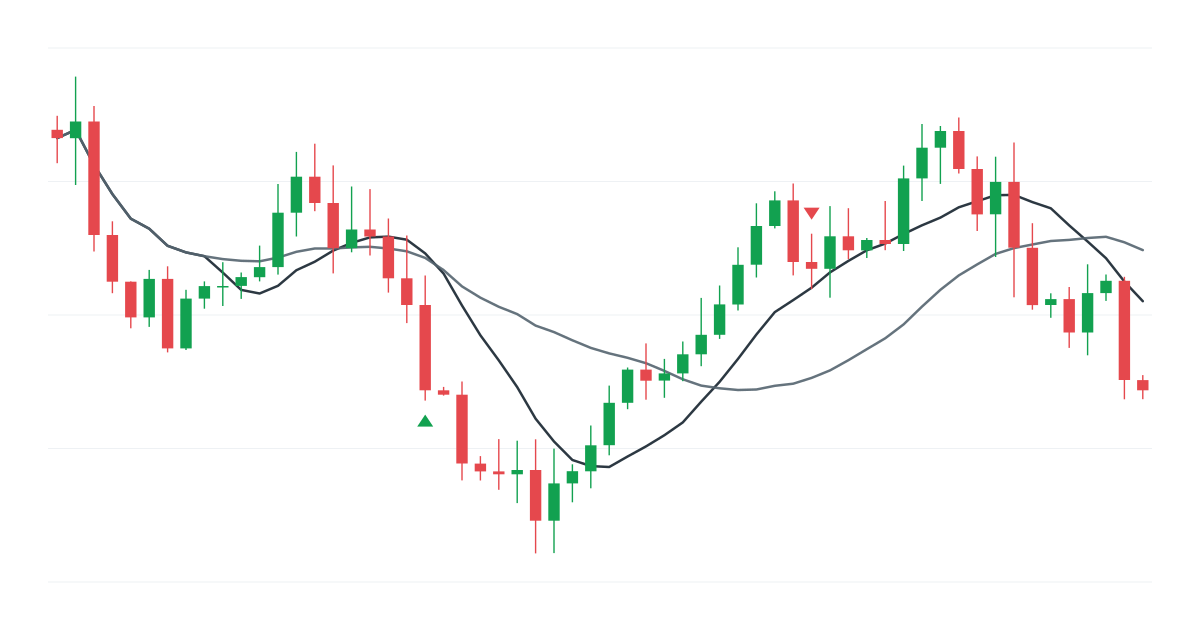
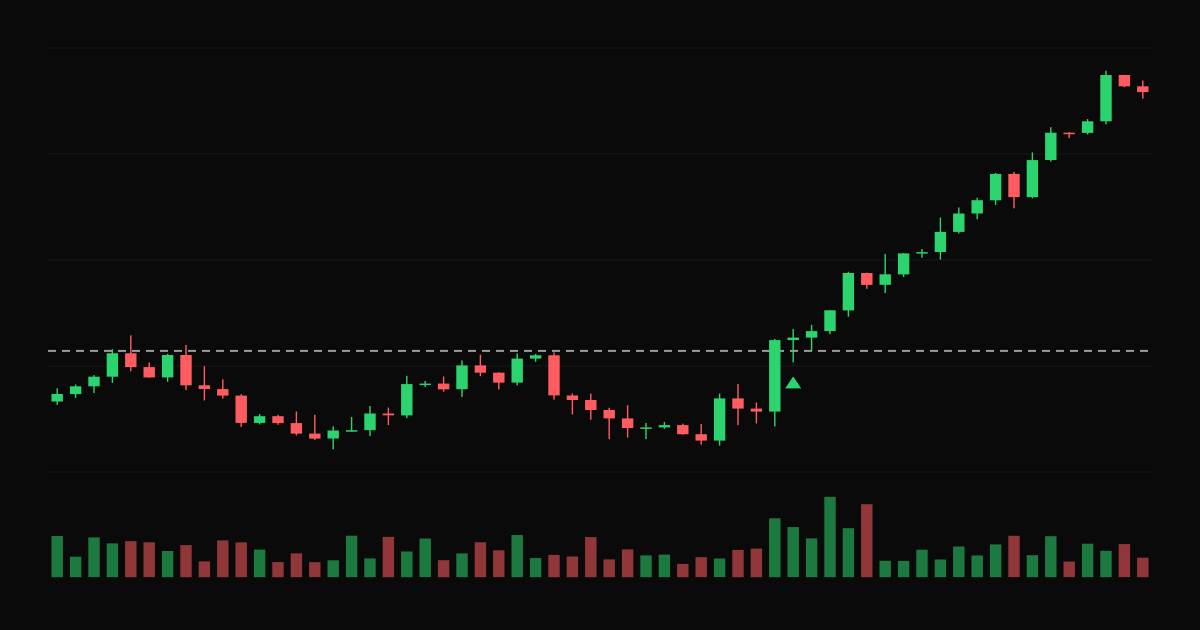
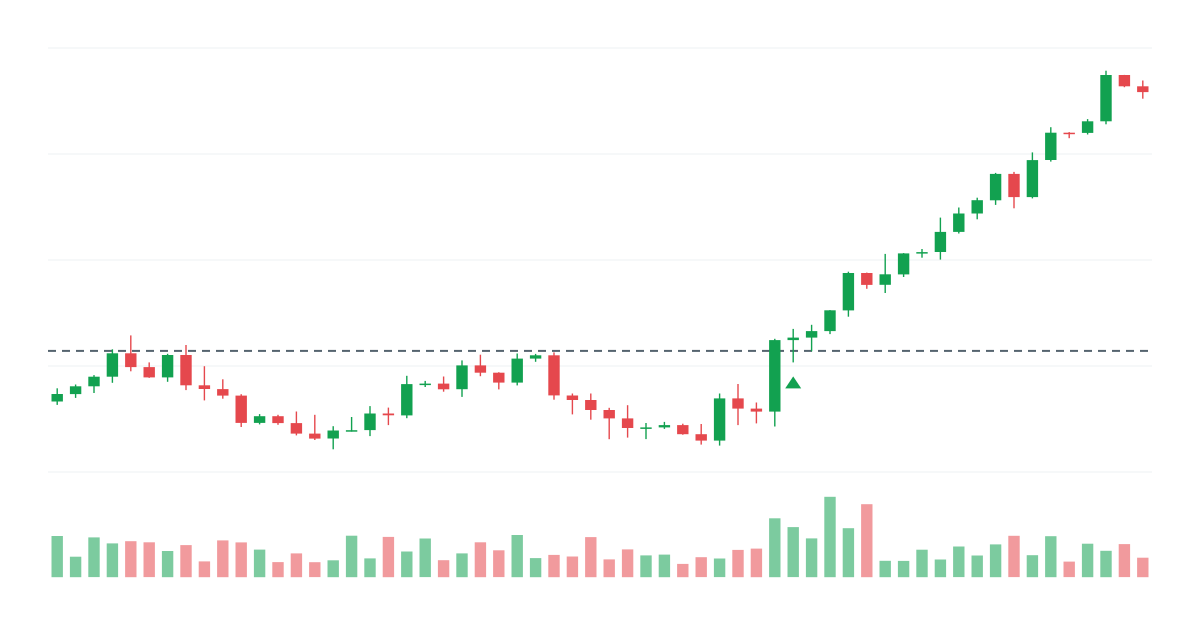
A trend with a pullback, followed by continuation. The entry comes as the pullback ends.
Entry triggers
Waiting for a sign that the pullback is ending helps avoid catching a falling knife:
The usual stop is beyond the pullback's low (for longs). If price breaks that low, the higher-low structure is broken and the idea is wrong. See stop-loss placement.
Targets
The previous high, as a first target.
A trailing stop to stay in for the trend's next leg.
Buying pullbacks in downtrends because the price "looks cheap".
Entering too early, before any sign the pullback is ending.
Stops too tight inside the normal pullback range.
Ignoring the broader market. Pullbacks in individual stocks often fail when the overall market turns.
Measure it
Tag pullback trades with what they pulled back to, such as "20 EMA", "VWAP" or "breakout level". After enough trades, the reports in TradeThink show which version works best for you. Review each trade on the price chart to see how deep your best pullbacks were. Related: trend following and moving average strategies.
The core principles of trend following, typical entry and exit rules, the low win rate and long drawdowns to expect, and how a journal helps you stay disciplined.
How Bollinger Bands are calculated, what band width tells you about volatility, the squeeze setup, walking the bands in trends, and mean-reversion uses.
How the opening range breakout strategy works, choosing the range length, entries, stops, targets, filters and how to measure whether ORB works for you.