Risk management
Leverage and Margin Explained: How Borrowed Money Amplifies Risk
How leverage and margin work in stocks, futures, forex and CFDs, how margin calls happen, and how to think about leverage in terms of risk rather than buying power.
How correlated positions multiply your risk, how to spot hidden correlation across stocks, sectors, currencies and crypto, and how to size around it.
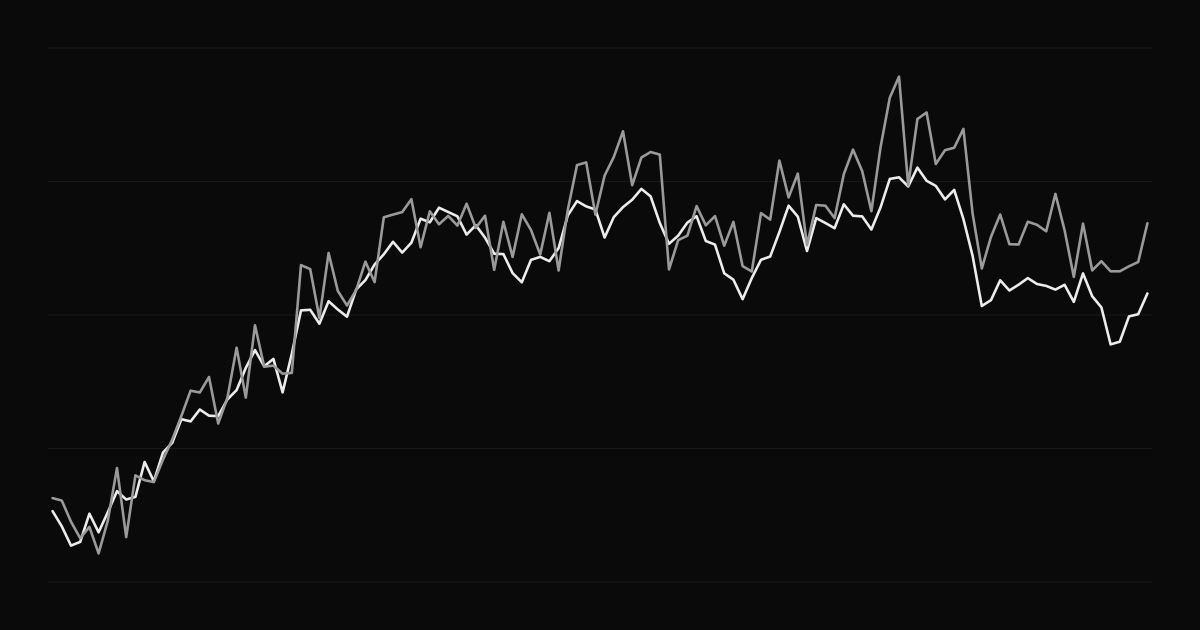
You follow the 1% rule on every trade. You have five positions open. If the market drops sharply, you could lose 5% in one move, because the five positions are not five independent bets. They are one bet, five times. That is correlation risk.
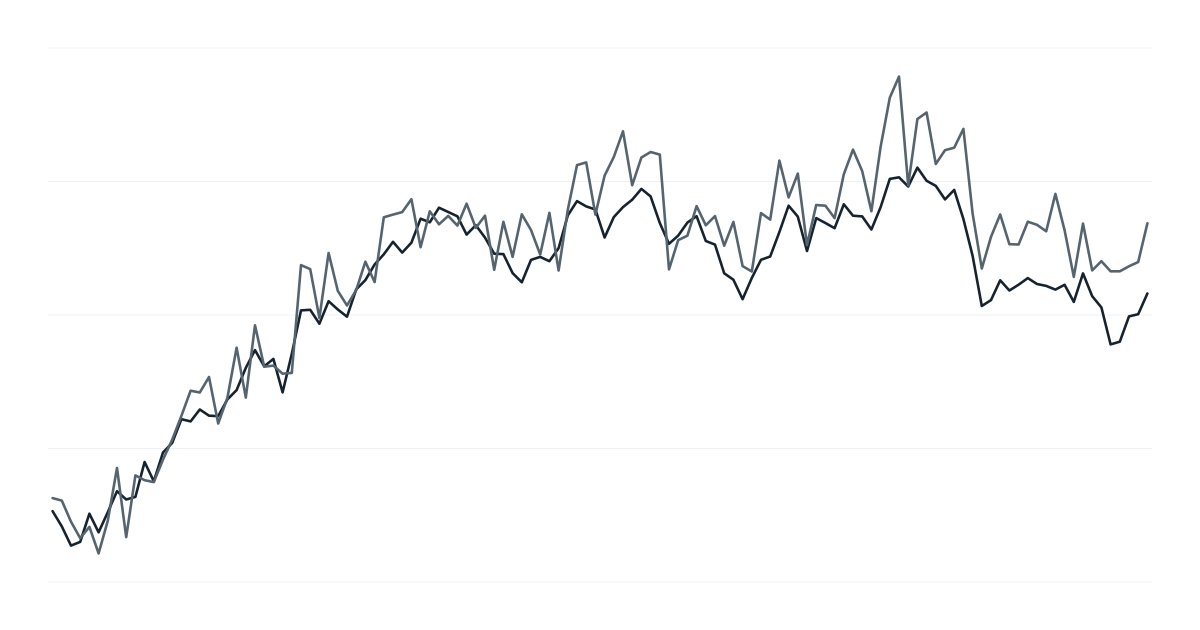
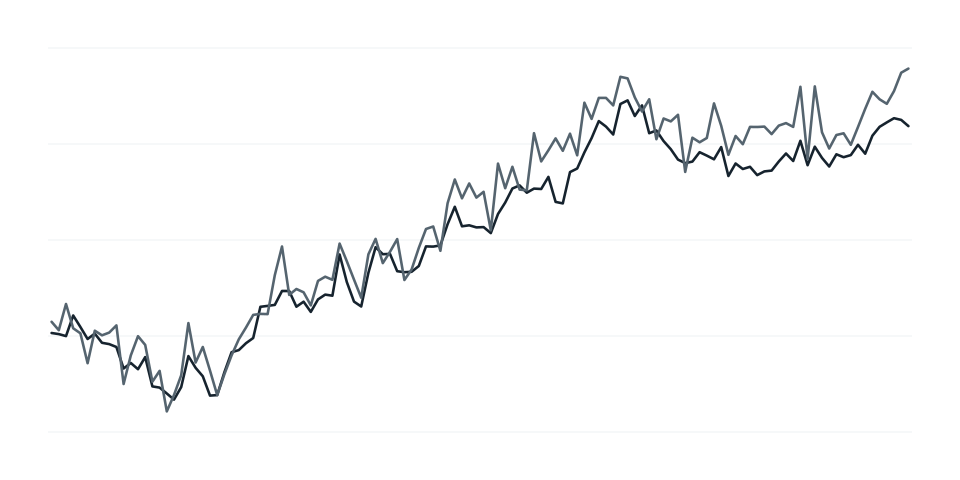
Correlation measures how closely two instruments move together, from −1 (opposite) through 0 (unrelated) to +1 (in lockstep). Many instruments traders hold together are strongly positively correlated:
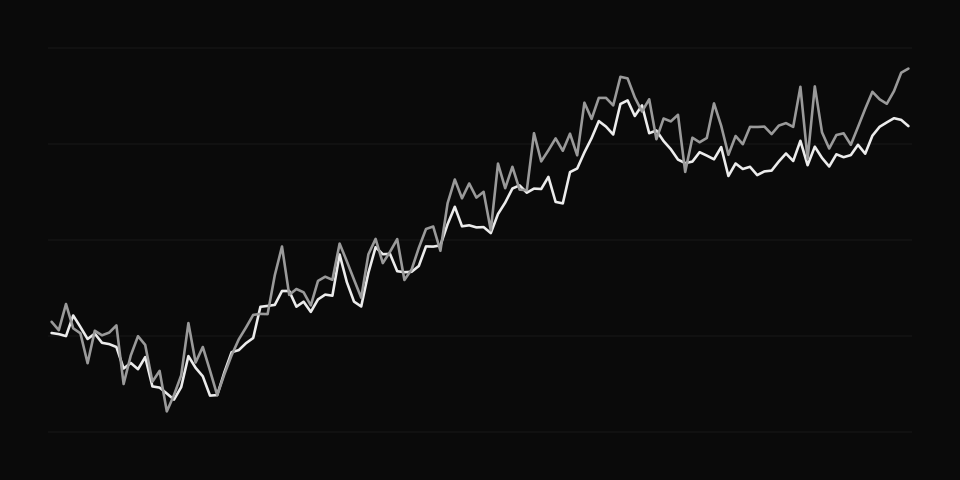
When positions are correlated, their losses arrive together. Your planned 1% risk per trade becomes 3% or 5% per market move. Correlations also tend to rise in sharp selloffs, so diversification often disappears exactly when you need it.
Look at your worst days. Were they days with many positions in the same direction or theme? If so, your maximum drawdown is being driven by correlation, not by individual trades. Tag trades by sector or theme to see your exposure clearly.
The open positions page lists all open positions with filters by asset class, side and more, so you can see how much of your risk is pointing the same way. Use tags for sectors or themes and check results by tag in the reports. Related: leverage and margin.
How leverage and margin work in stocks, futures, forex and CFDs, how margin calls happen, and how to think about leverage in terms of risk rather than buying power.
How trailing stops work, the main methods (percentage, ATR, structure and moving average), and how to choose one that fits your strategy.
How scaling into and out of positions works, when it helps, how it changes your risk, and how to track scaled trades correctly in a journal.