Risk management
Scaling In and Out of Trades: Pros, Cons and Rules
How scaling into and out of positions works, when it helps, how it changes your risk, and how to track scaled trades correctly in a journal.
How trailing stops work, the main methods (percentage, ATR, structure and moving average), and how to choose one that fits your strategy.
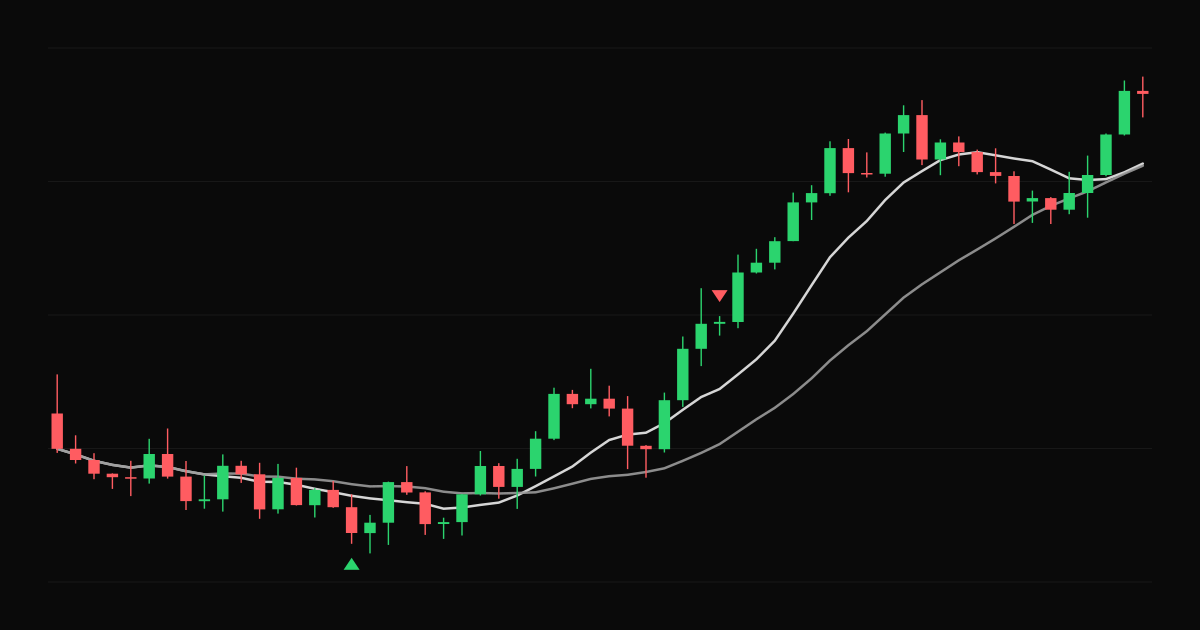
A trailing stop moves in your favor as a trade progresses, but never against you. It lets a winning trade run while protecting part of the gain. Choosing the right method decides whether you ride a trend or get shaken out by the first pullback.
The stop stays a fixed percentage below the highest price since entry. Many brokers offer this as an order type.
The stop stays a multiple of ATR below the highest price (for longs). This is often called a chandelier stop.
Move the stop below each new higher low in an uptrend (or above each lower high in a downtrend).
Exit when price closes below a moving average, such as the 20-period.
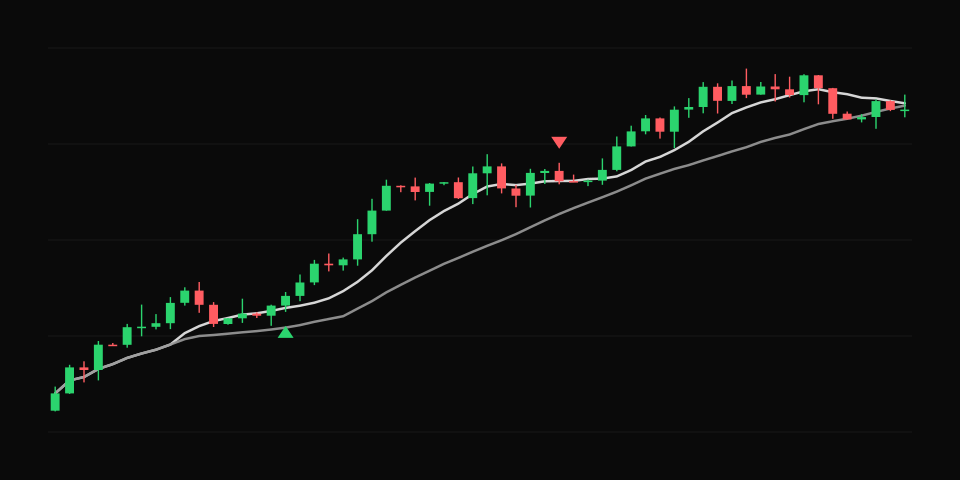
Trailing too early is a common mistake. A trade often needs room in its first stage. Many traders:
Fixed targets give a higher win rate and smaller, predictable wins. Trailing stops give a lower win rate but let you catch the occasional large move, which can make a big difference to expectancy. A popular compromise is to take partial profits at a target and trail the rest. See scaling in and out.
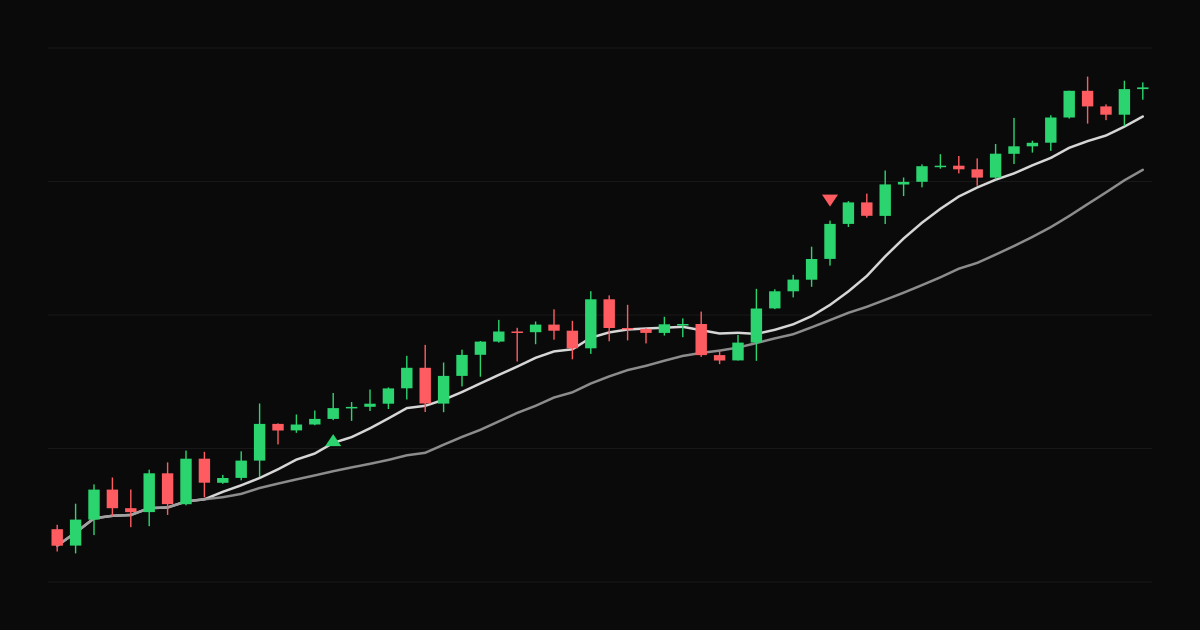
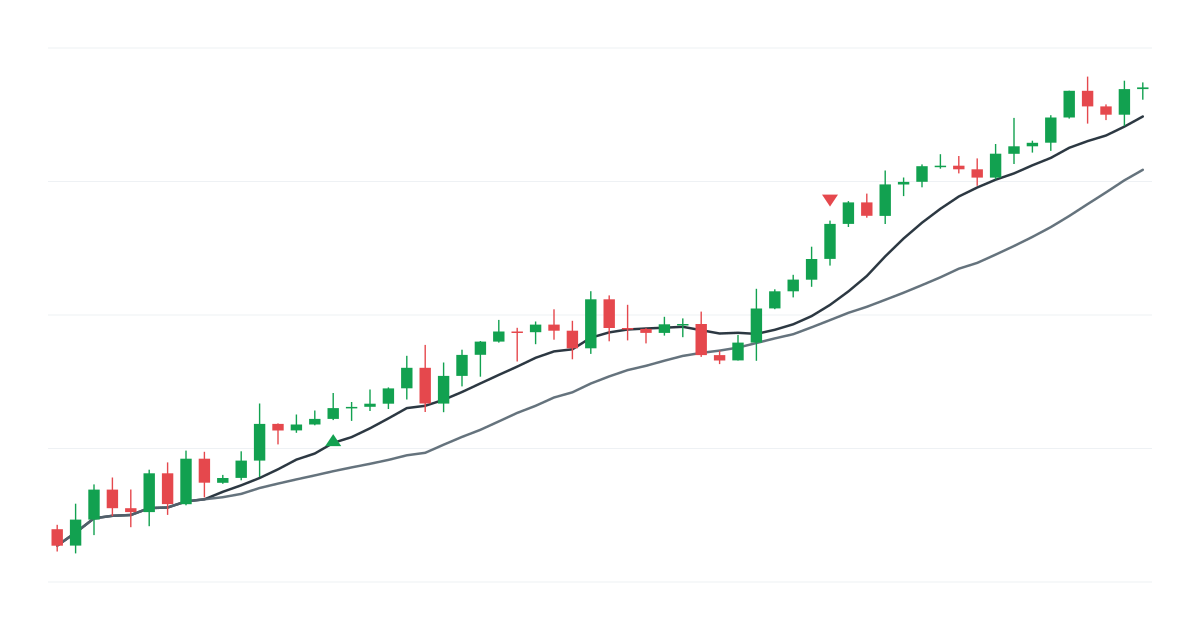
The best trailing method depends on your instruments and timeframe. Look at your past winners in your journal: with each method, where would you have exited? Compare the average win. In TradeThink, each trade's price chart shows your entries and exits on the bars, which makes this review quick, and MFE shows how much more each trade offered.
How scaling into and out of positions works, when it helps, how it changes your risk, and how to track scaled trades correctly in a journal.
A step-by-step guide to position sizing for stocks, options and futures: the fixed-risk formula, worked examples, and the mistakes that make good strategies lose money.
The 1% rule says to risk no more than 1% of your account per trade. Learn the math behind it, when 2% or 0.5% may fit better, and how it protects you from ruin.