Risk management
Position Sizing: How Many Shares or Contracts Should You Trade?
A step-by-step guide to position sizing for stocks, options and futures: the fixed-risk formula, worked examples, and the mistakes that make good strategies lose money.
How scaling into and out of positions works, when it helps, how it changes your risk, and how to track scaled trades correctly in a journal.
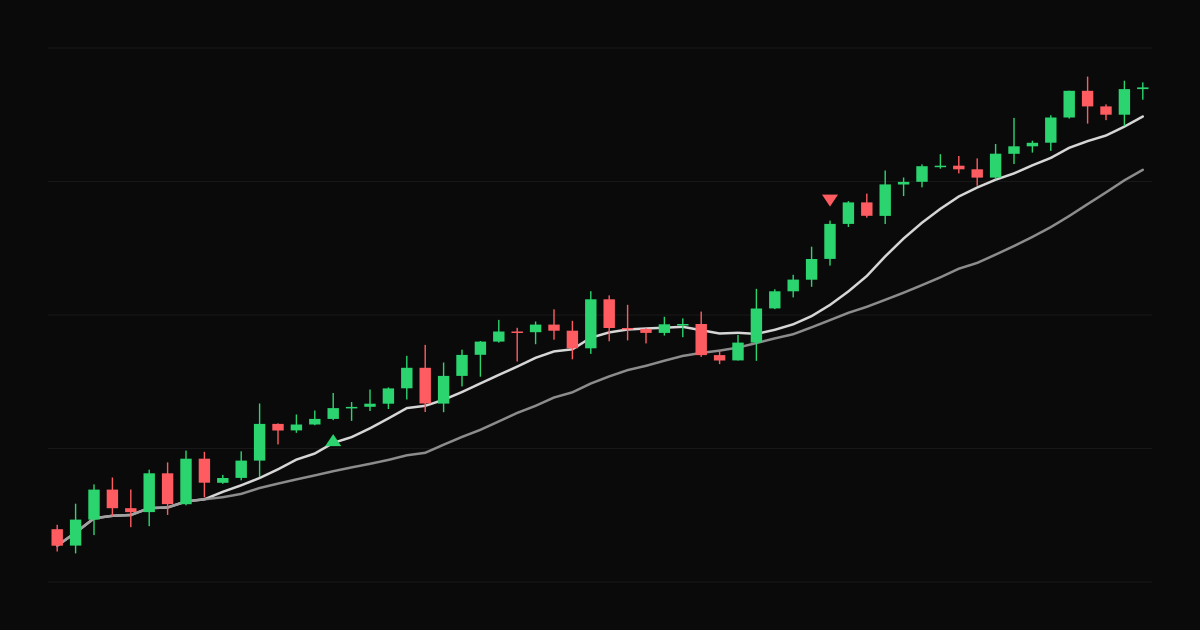
Not every trade has to be one entry and one exit. Scaling means building or reducing a position in parts. Done with rules, it can improve your average price or lock in profit. Done without rules, it can turn a small loser into a large one.
Scaling out means taking partial profits at different levels. A common plan:
Pros: Locks in profit early, reduces stress, and still captures part of large moves. It also helps traders who tend to cut winners early, because some of the position stays on.
Cons: Your average win is smaller than if you held the whole position to the final exit. Whether it improves your results depends on how often trades reach the later targets.
Scaling in means adding to a position after the first entry.
Adding to winners (pyramiding): add more as the trade moves in your favor and confirms the idea. The original stop is moved up so total risk stays within your plan.
Adding to losers (averaging down): add more as price moves against you. This lowers your average price but increases risk on a trade that is already wrong. Without strict limits, it is how small losses become account-threatening ones.
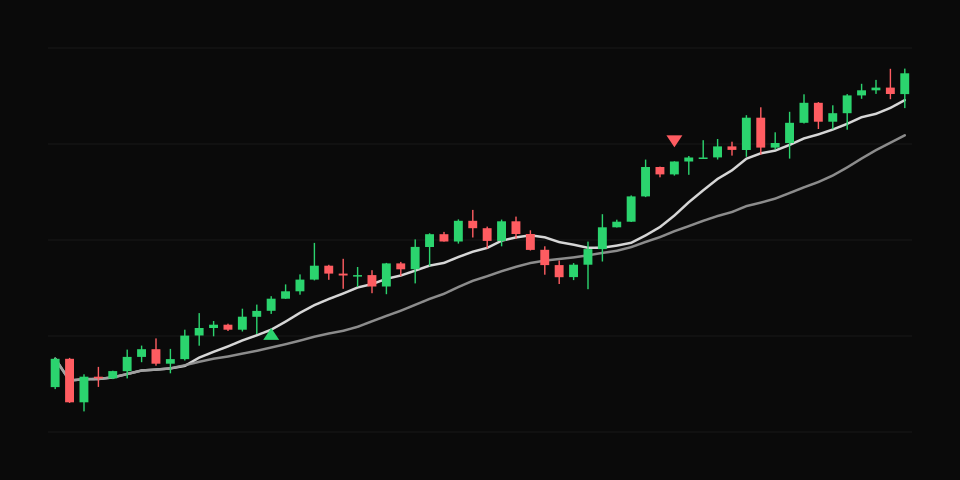
A trade with three entries and two exits is still one trade. Your journal should calculate the average entry and exit prices, the total fees, the total P&L and the R-multiple based on the planned risk. Splitting it into separate rows distorts your win rate and average win vs average loss.
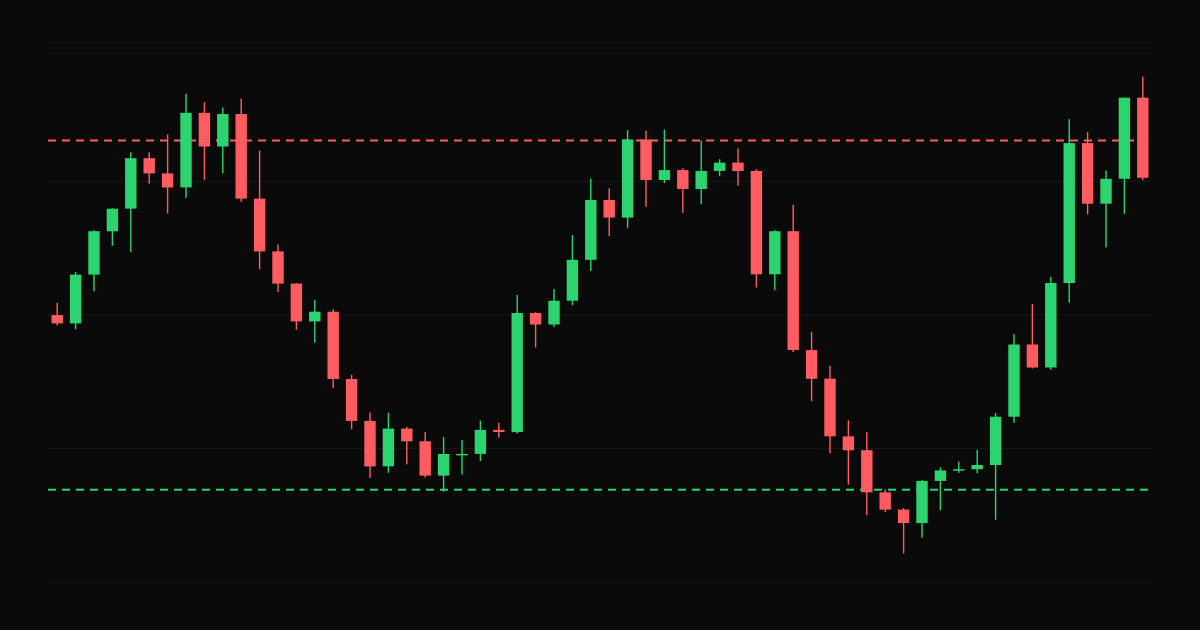
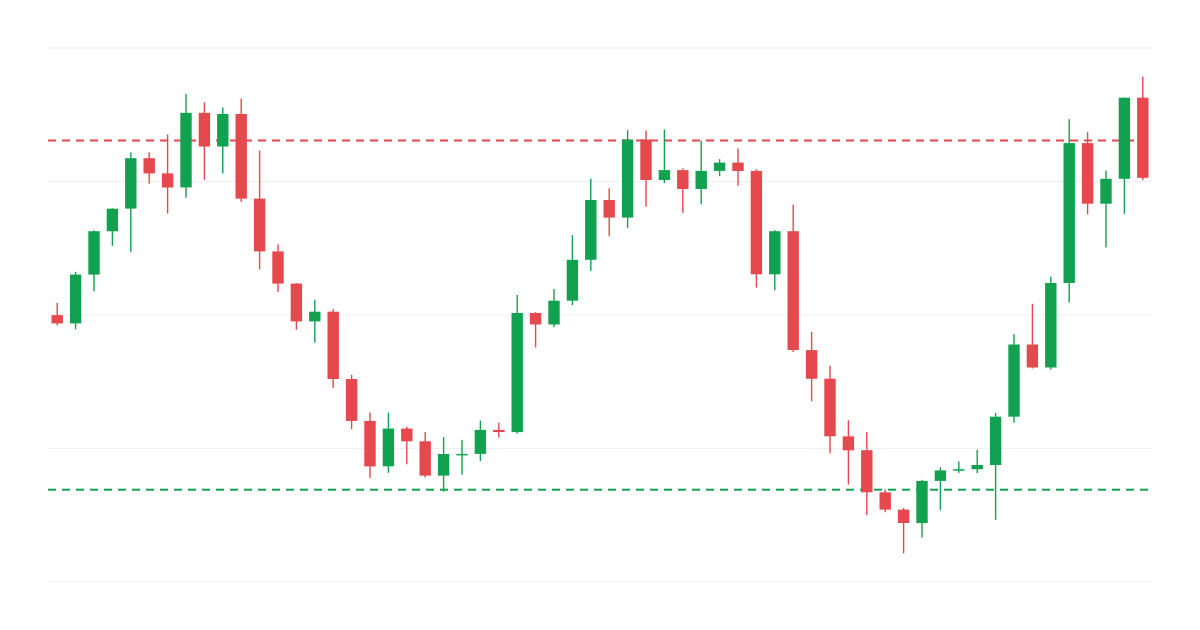
TradeThink groups every fill into trades automatically, including partial entries and exits, and the trade view shows each execution on the price chart. You can compare results for trades with and without scaling by tagging them. Related: position sizing.
A step-by-step guide to position sizing for stocks, options and futures: the fixed-risk formula, worked examples, and the mistakes that make good strategies lose money.
The 1% rule says to risk no more than 1% of your account per trade. Learn the math behind it, when 2% or 0.5% may fit better, and how it protects you from ruin.
How to place a stop loss using structure, volatility, percentage, time and indicators, with the pros and cons of each and the common mistakes to avoid.