Risk management
Trailing Stops: How to Lock In Profits Without Exiting Too Early
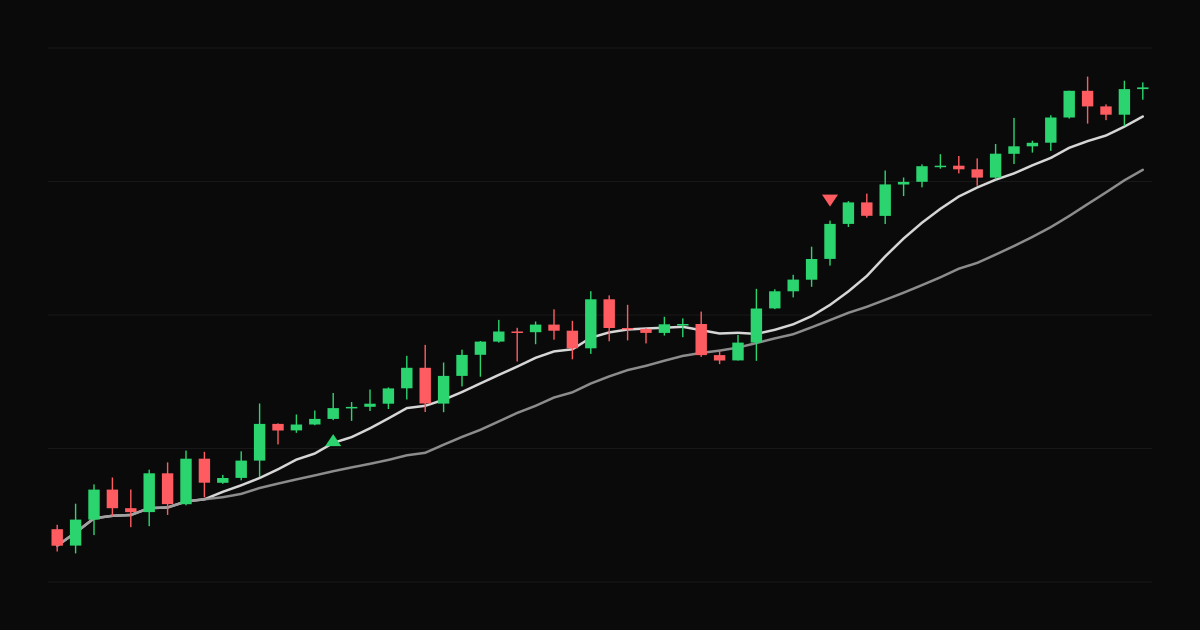
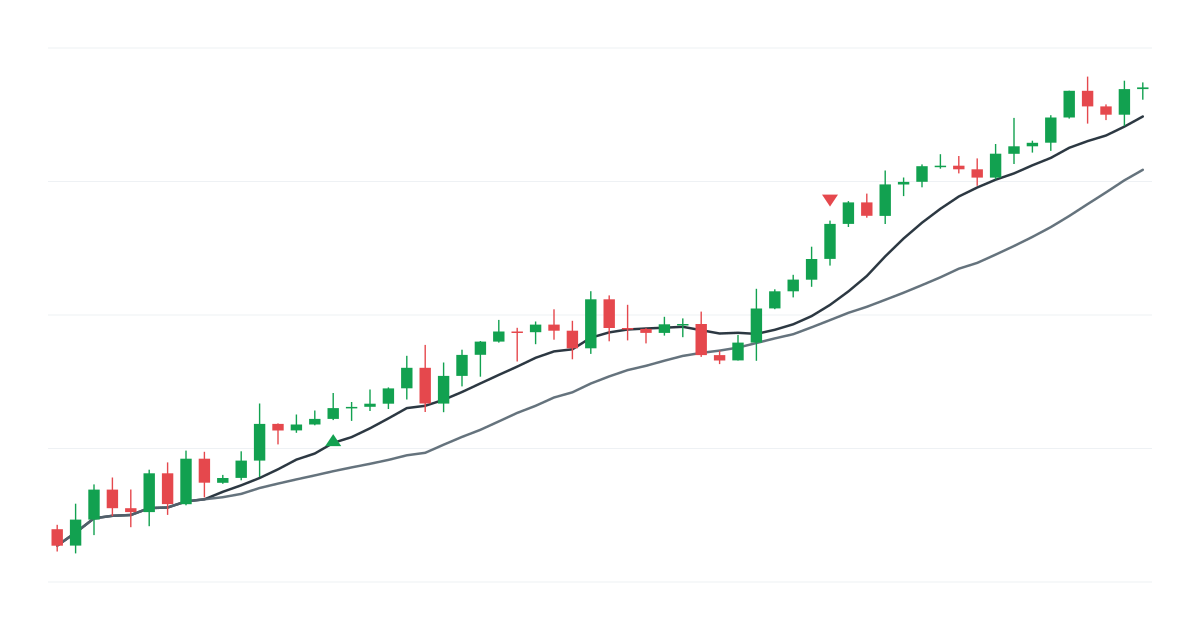
How trailing stops work, the main methods (percentage, ATR, structure and moving average), and how to choose one that fits your strategy.
How leverage and margin work in stocks, futures, forex and CFDs, how margin calls happen, and how to think about leverage in terms of risk rather than buying power.
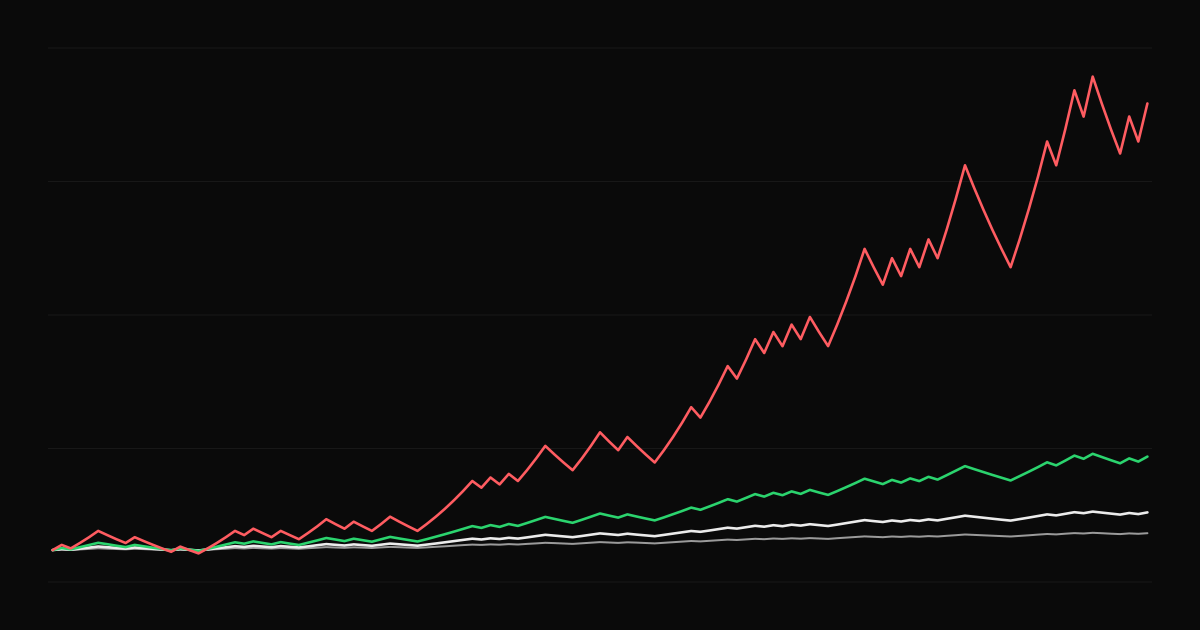
Leverage lets you control a position larger than your cash. It magnifies gains and losses equally. Used carefully, it can make a strategy more capital-efficient. Used carelessly, it is one of the fastest ways to lose an account.
If you control $100,000 of exposure with $20,000 of your own money, your leverage is 5 to 1. A 2% move in the position is a 10% change in your equity.
Different markets provide leverage differently:
If losses reduce your equity below the maintenance margin, your broker issues a margin call. You must add funds or reduce positions. If you do not, or if the market moves fast, the broker can close positions for you, often at poor prices.
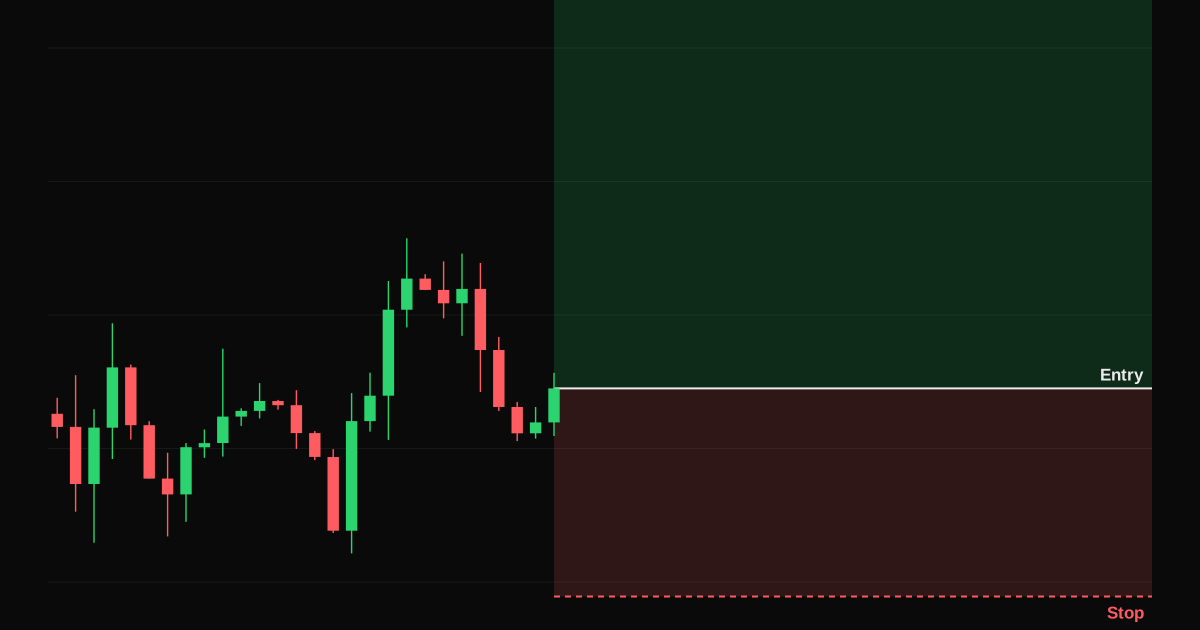
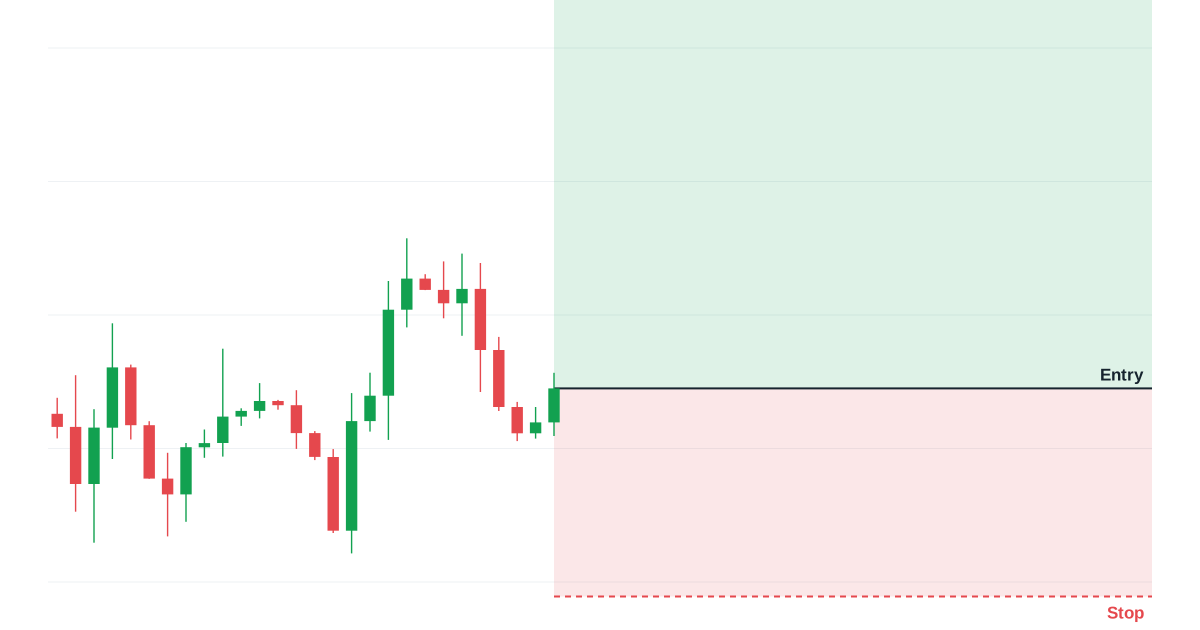
The amount you can trade is not the amount you should trade. Buying power tells you what the broker allows. Your risk per trade should still come from your stop and your position sizing:
If that position uses only a small part of your buying power, good. Leverage you do not use cannot hurt you.
Know your total notional exposure relative to equity. TradeThink's open positions page shows each position's value and P&L, and the cash flow page shows deposits, withdrawals and fees, so you can see how your real equity has changed. Related: maximum drawdown.
How trailing stops work, the main methods (percentage, ATR, structure and moving average), and how to choose one that fits your strategy.
How scaling into and out of positions works, when it helps, how it changes your risk, and how to track scaled trades correctly in a journal.
A step-by-step guide to position sizing for stocks, options and futures: the fixed-risk formula, worked examples, and the mistakes that make good strategies lose money.