Trading psychology
The Danger After a Big Win: Overconfidence in Trading
Your worst trading days often follow your best ones. Learn why overconfidence sets in after a big win and how to protect your gains.
A single trade's result is mostly luck. Learn why judging trades by process leads to better long-term results, and how to measure your process in a journal.
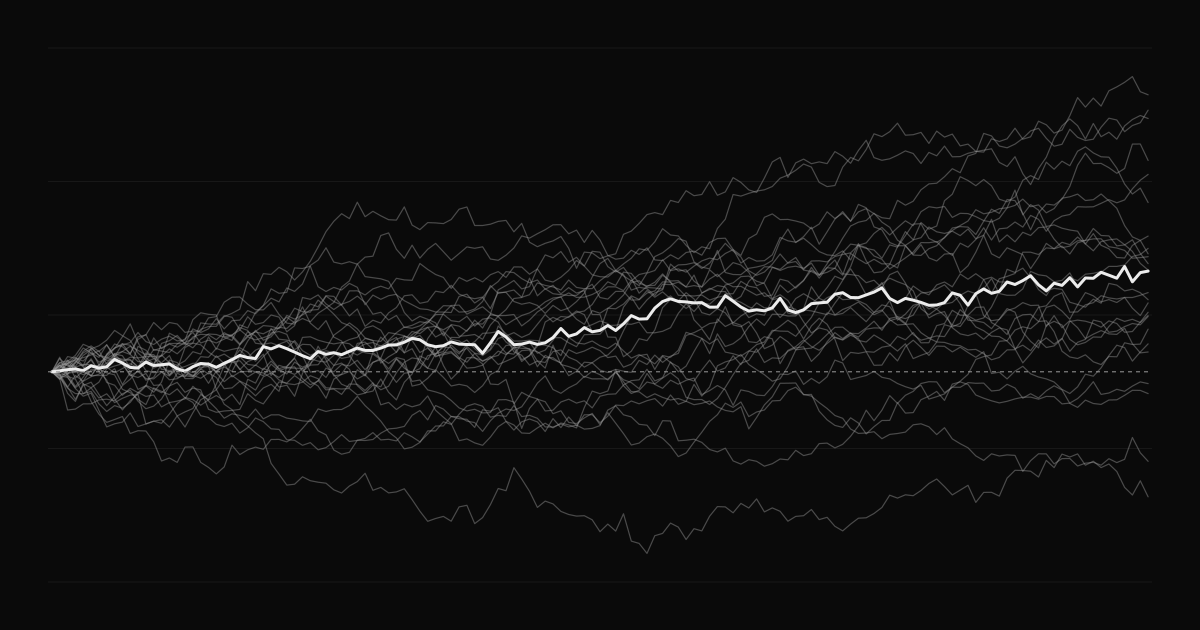
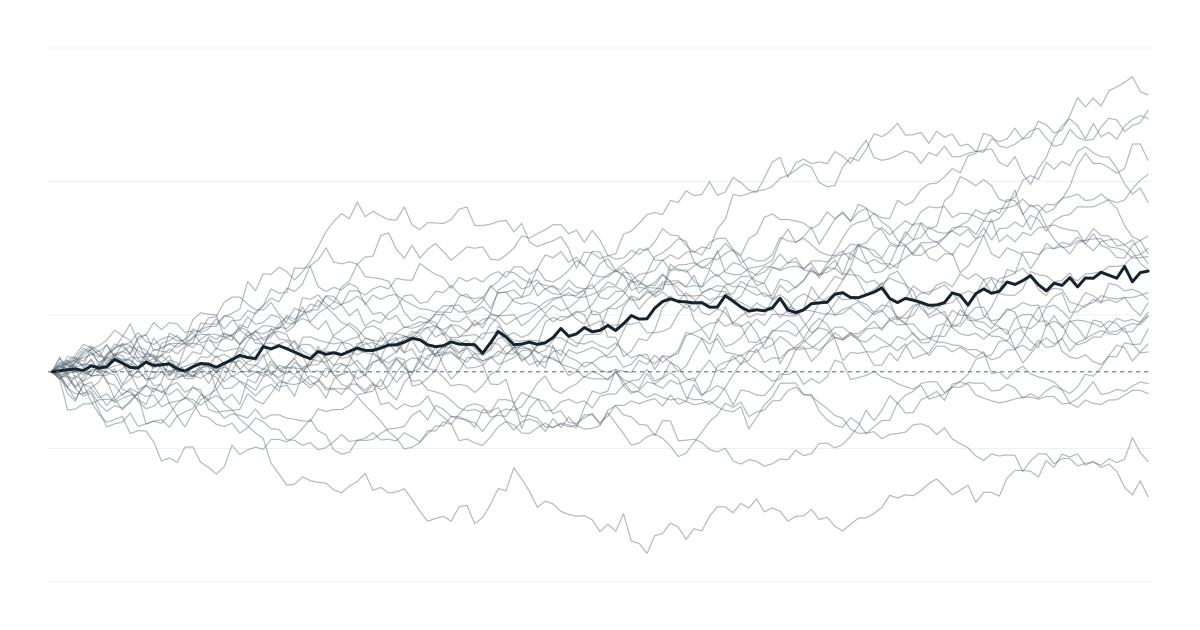
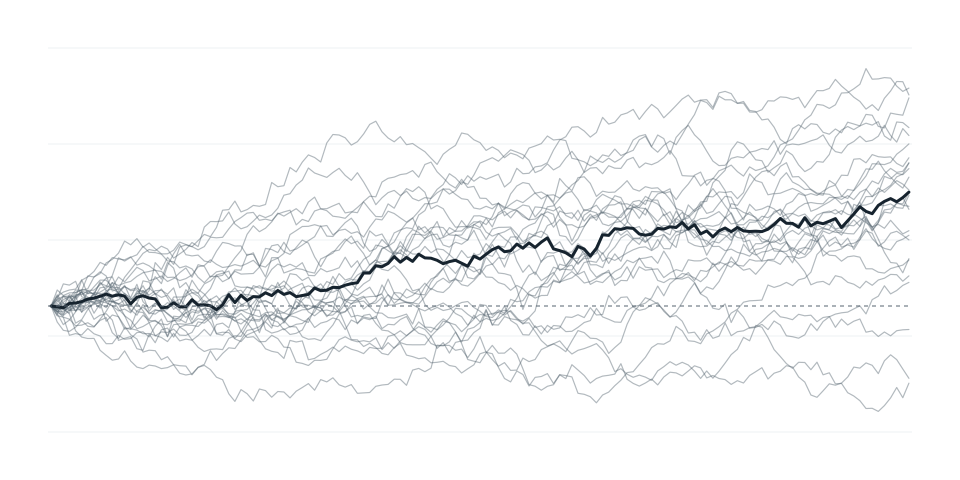
A trader breaks every rule, doubles his size, and makes $2,000. Another follows her plan perfectly and loses $300. Who made the better trade? The second one. In the short run, results are noisy. Over hundreds of trades, good decisions are what produce good results.
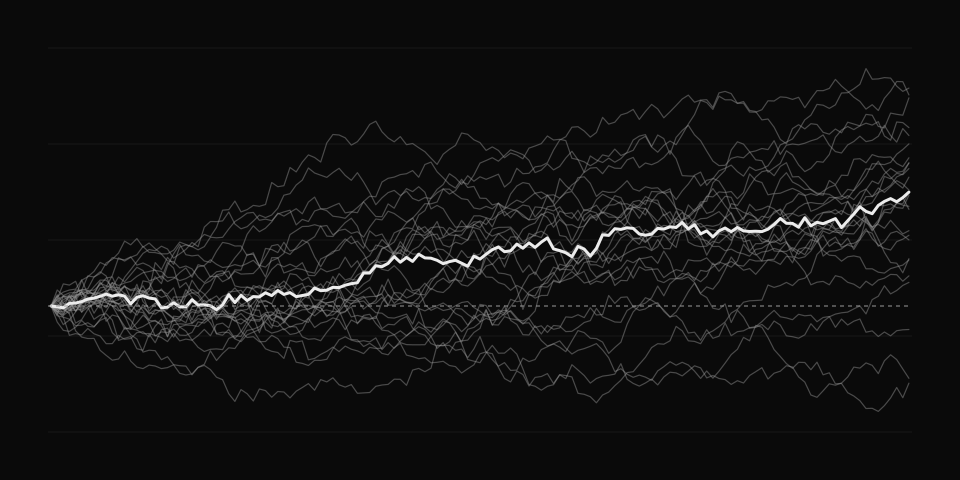
Even a strong edge loses often. A strategy with a 55% win rate loses 45% of the time, and the order of wins and losses is random. Judging each trade by its result teaches the wrong lessons:
Poker players call the habit of judging decisions by their outcomes "resulting". It is one of the most expensive errors in any game of chance and skill.
If all of these are true, the trade was good, whatever the result.
You cannot improve what you do not measure. Track:
Then look at the results grouped by these. Your highly rated trades should, over time, outperform the poorly rated ones. If they do not, the problem is the plan itself, not your execution, and that is just as valuable to know.
Process does not mean ignoring results. Over a large sample, results tell you whether your edge is real. The point is the timescale: judge decisions trade by trade, judge the strategy over hundreds of trades. See sample size in trading statistics.
Rate trades for execution from the trade menu, record whether you followed the plan in the daily journal, and compare results by rating in the reports. Related: trading discipline rules.
Your worst trading days often follow your best ones. Learn why overconfidence sets in after a big win and how to protect your gains.
What revenge trading is, why it happens after a loss, the warning signs, and practical rules that stop one bad trade from turning into a bad day.
Fear of missing out makes traders chase entries, skip their plan and buy tops. Learn the signs of FOMO and practical ways to trade calmly when a move takes off without you.