Strategy and analysis
Breakout Trading: How to Trade Breakouts and Avoid False Breaks
How breakout trading works, what makes a breakout more reliable, entries, stops and targets, and how to deal with false breakouts.
What support and resistance are, how to identify meaningful levels, why levels can flip, and how to use them for entries, stops and targets.
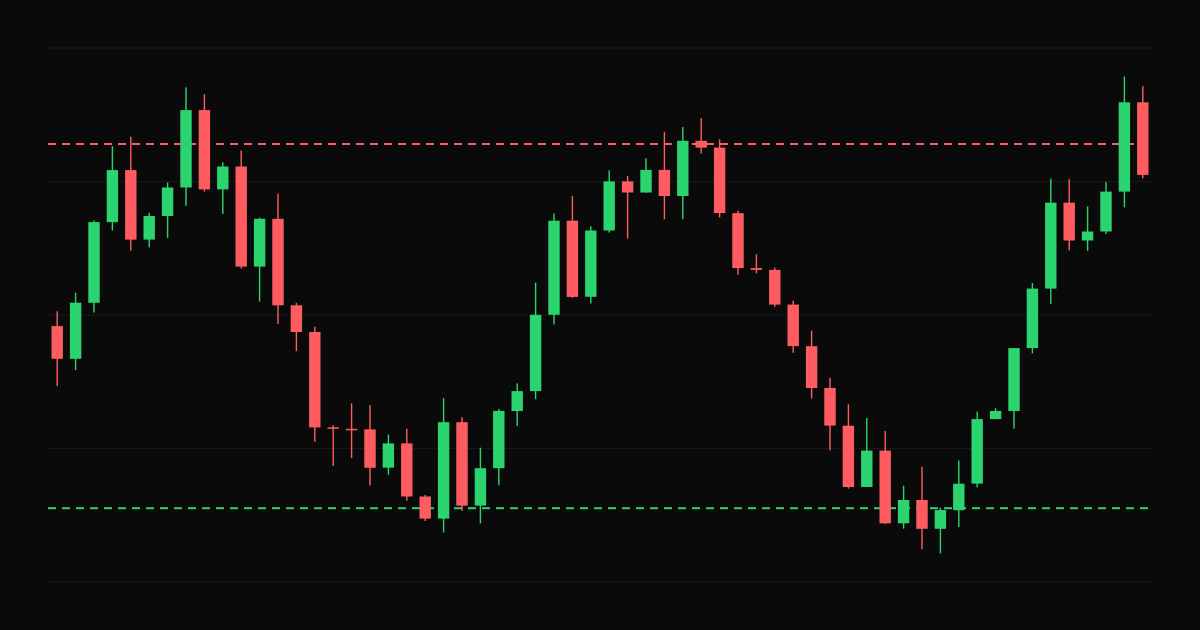
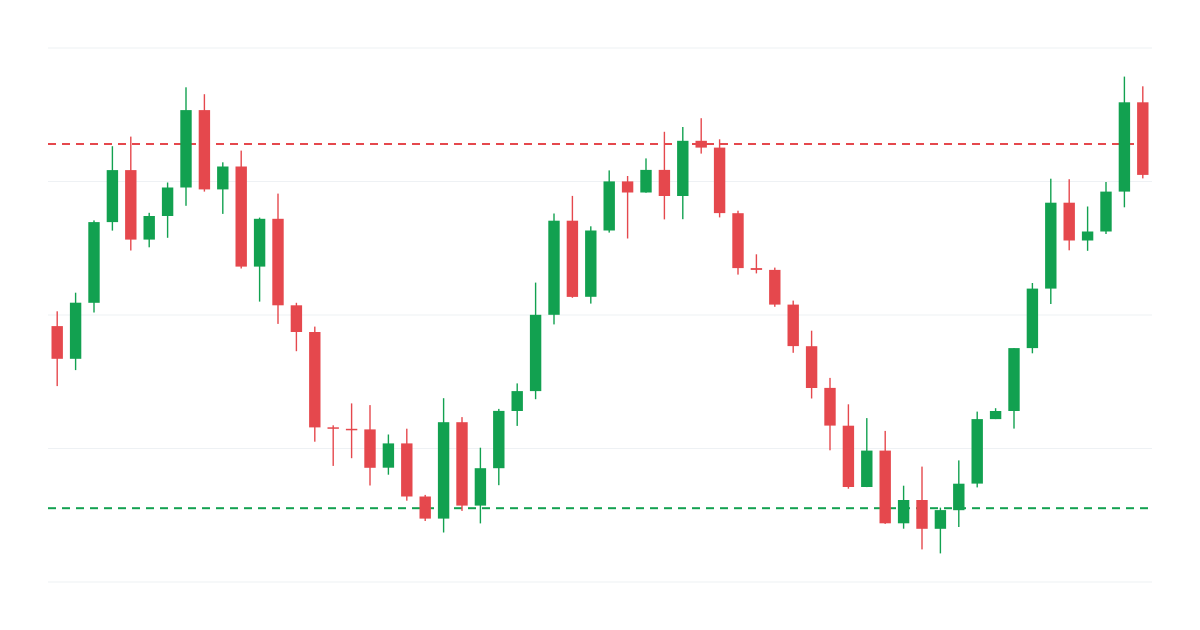
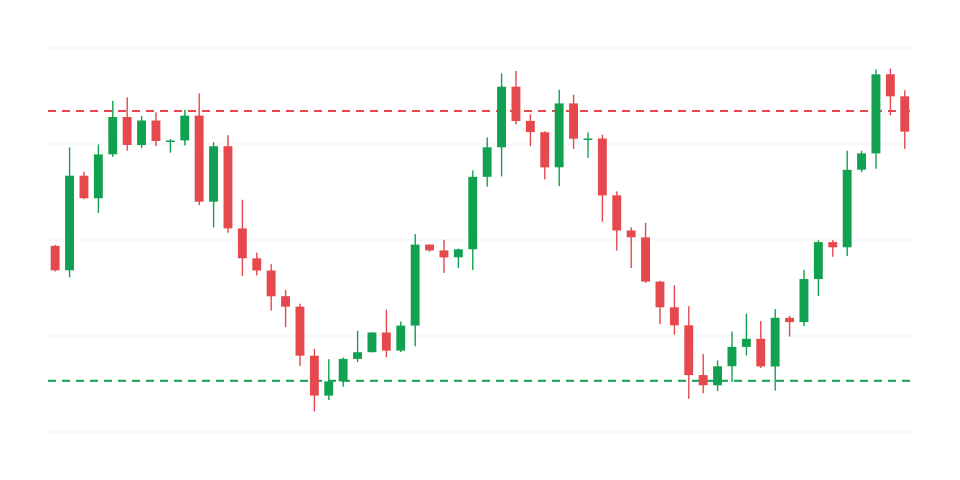
Support is a price area where buying has tended to stop declines. Resistance is an area where selling has tended to stop rallies. They are among the most widely used concepts in trading, because so many traders watch the same levels.
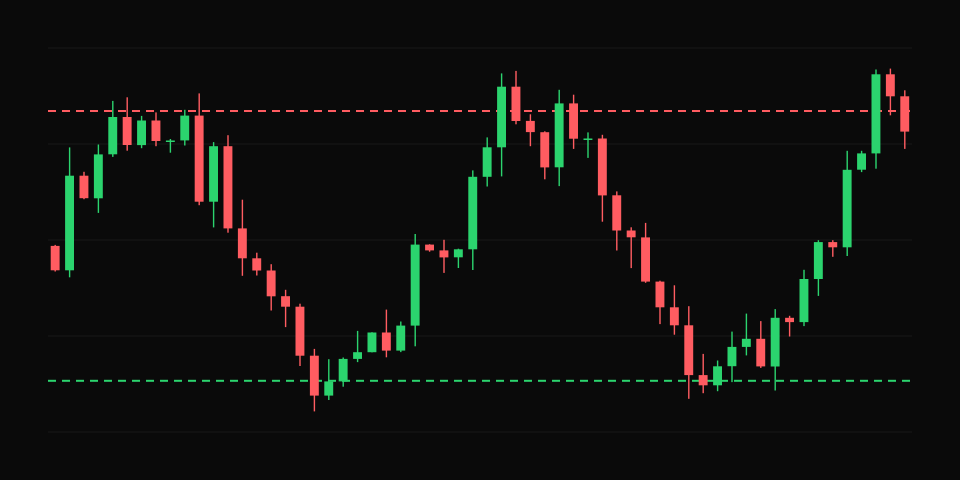
Strong levels usually have several of these:
Treat levels as zones, not exact prices. Price often pokes slightly through a level before reacting.
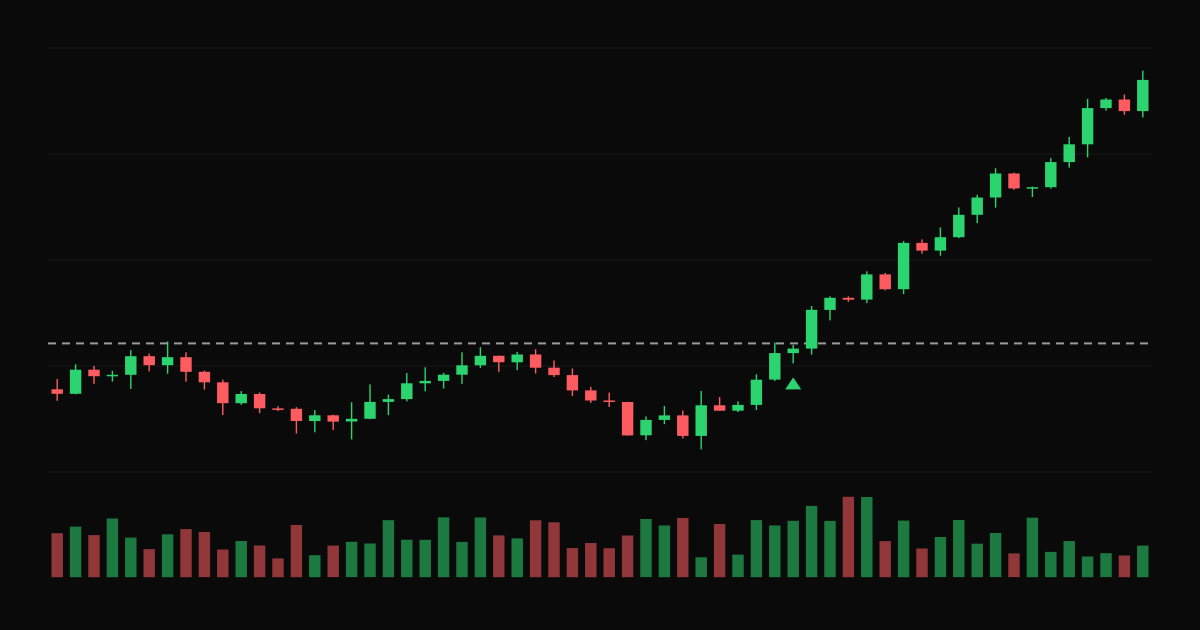
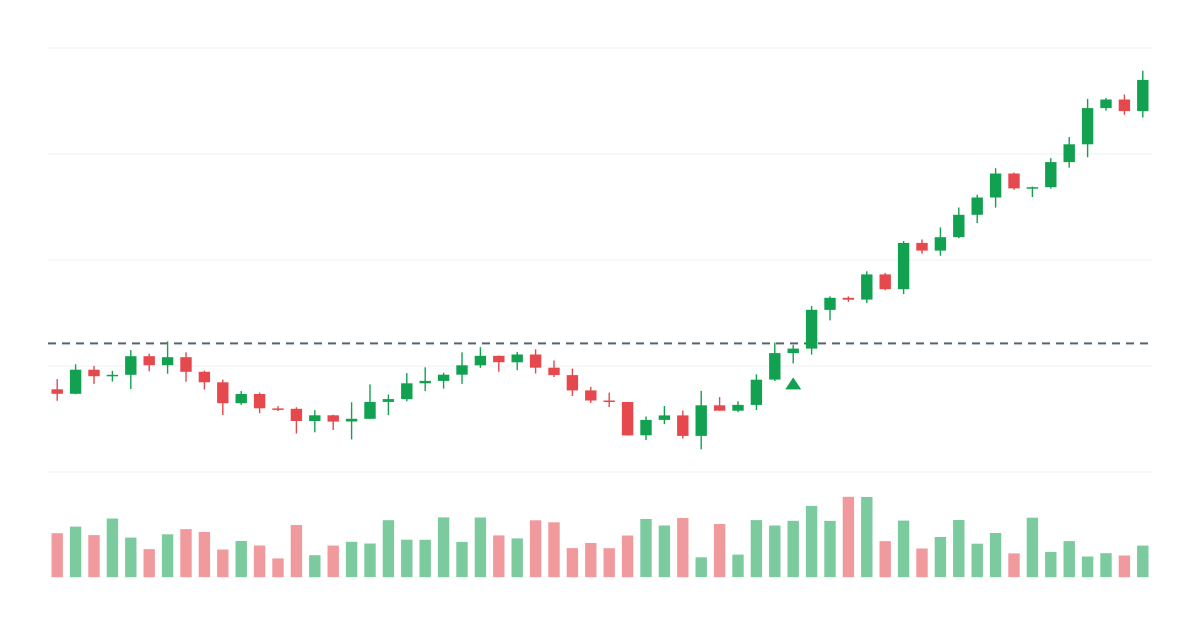
When resistance breaks, it often becomes support on a retest, and vice versa. Many breakout traders wait for this retest for a better entry. See breakout trading.
Levels look obvious on old charts. In real time, many potential levels exist. Write your levels in your pre-market routine before the session, then review afterwards which ones mattered.
Review your trades on the price chart with entries and exits plotted, and tag trades by the level traded, such as "previous day high", to see which levels give you the best results.
How breakout trading works, what makes a breakout more reliable, entries, stops and targets, and how to deal with false breakouts.
What VWAP is, how it is calculated, why institutions watch it, and how day traders use VWAP for trend bias, pullback entries and reclaim setups.
How the relative strength index is calculated, what overbought and oversold really mean, divergences, and how to use RSI as a filter rather than a signal on its own.