Risk management
Risk-Reward Ratio Explained: How It Connects to Your Win Rate
What the risk-reward ratio means, the break-even win rate for each ratio, and why a high ratio alone does not make a strategy profitable.
How to place a stop loss using structure, volatility, percentage, time and indicators, with the pros and cons of each and the common mistakes to avoid.
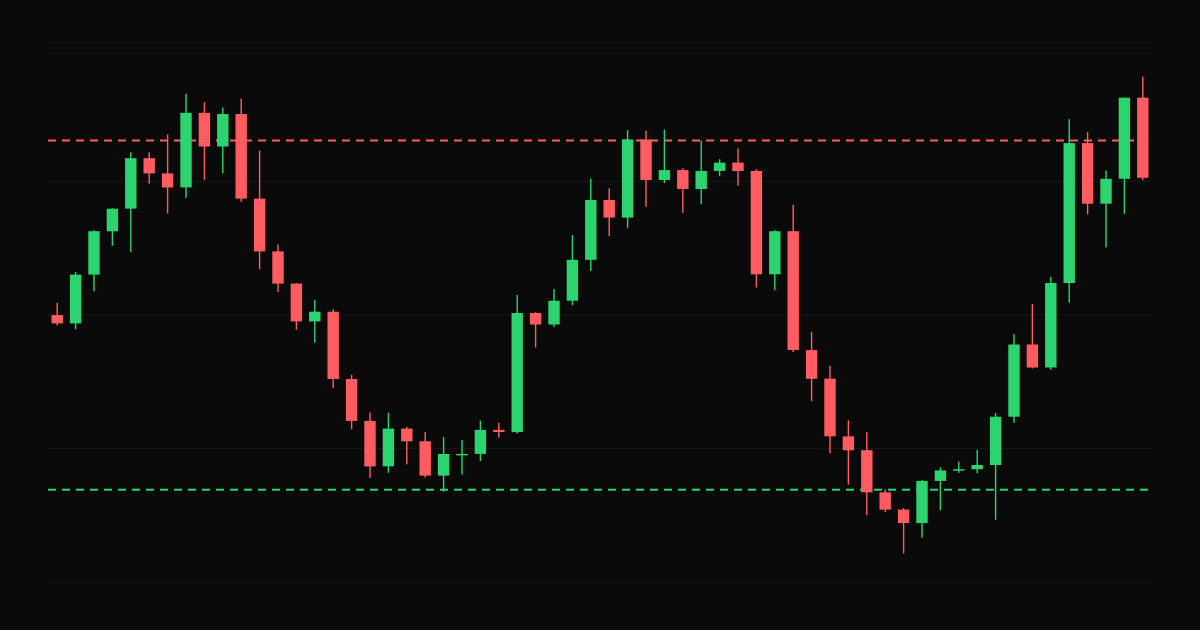
A stop loss defines the point where your trade idea is wrong. Place it too close and normal noise knocks you out. Place it too far and each loss is larger than it needs to be. There is no perfect method, but some are clearly better than others.
Place the stop beyond a level that, if broken, invalidates the idea: below support for a long, above resistance for a short, below the low of the breakout candle, below a swing low.
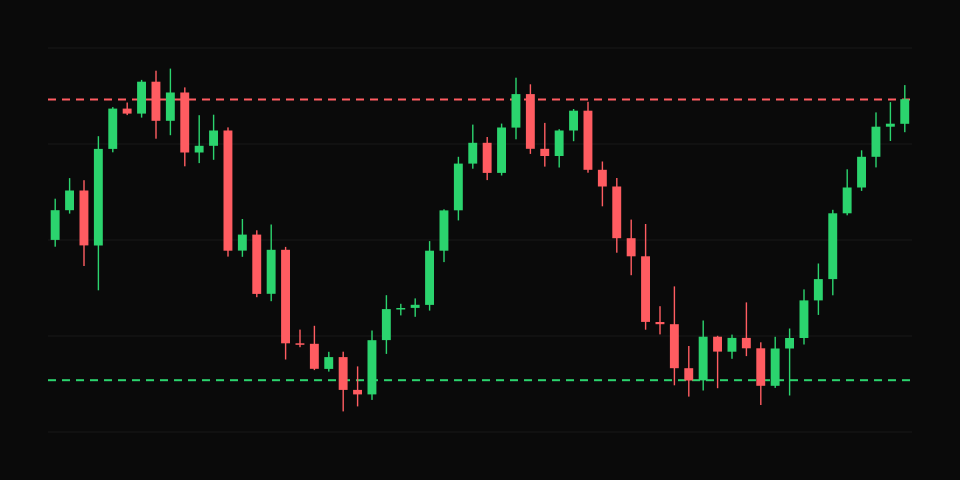
Set the stop a multiple of the average true range (ATR) away from entry, for example 1.5 or 2 ATR.
See ATR stop loss.
Exit if the price falls a fixed percentage, such as 5% or 8%, below entry.
Exit if the trade has not worked after a set time, such as 30 minutes for a day trade or 10 days for a swing trade.
Exit on a close below a moving average, or when an indicator crosses a threshold.
Your journal can tell you whether your stops are too tight. Look at MAE, the furthest a trade moved against you: if many stopped-out trades then went on to your target, your stops may be inside the normal noise. TradeThink records your planned stop on each trade and shows the price chart with your entries and exits, so you can review exactly where the stop was hit.
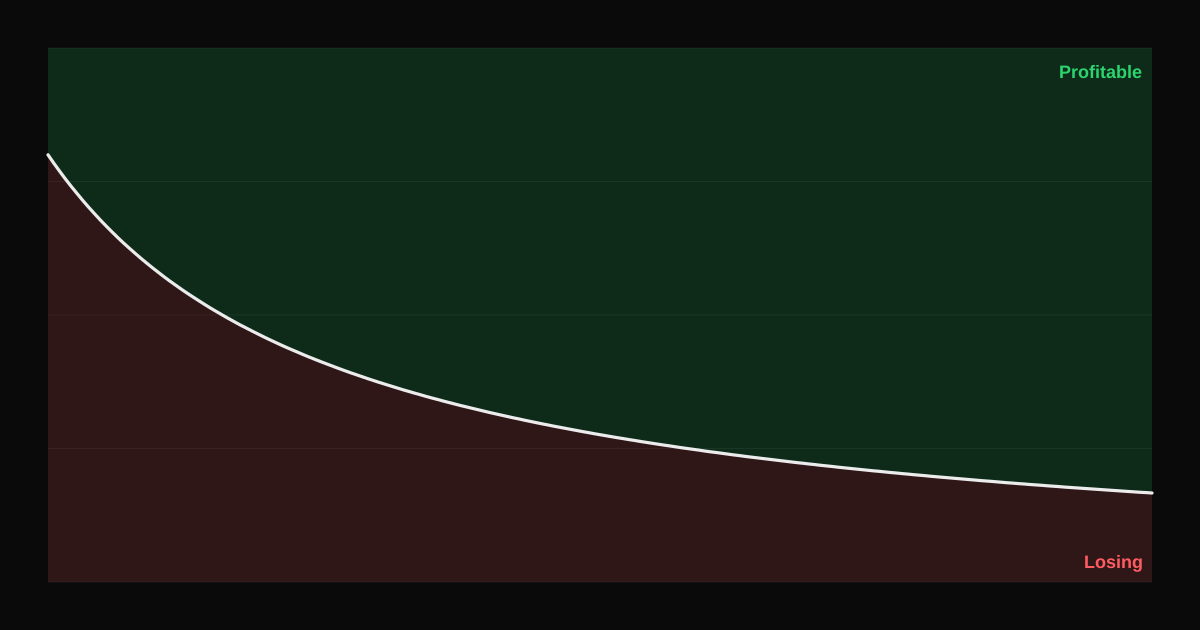
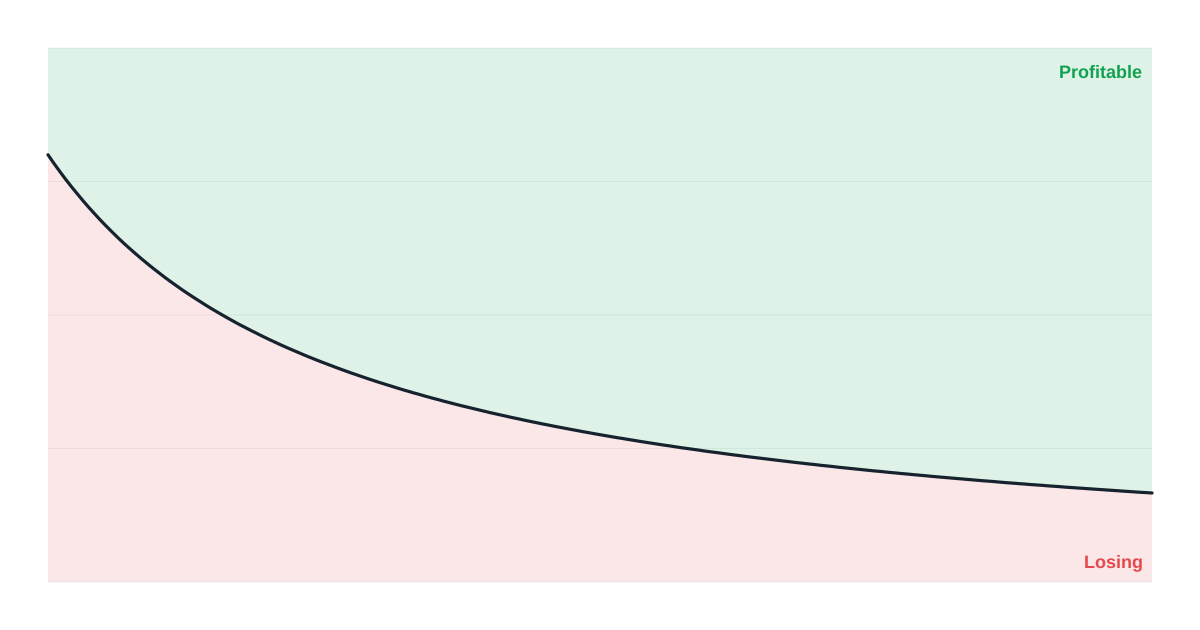
What the risk-reward ratio means, the break-even win rate for each ratio, and why a high ratio alone does not make a strategy profitable.
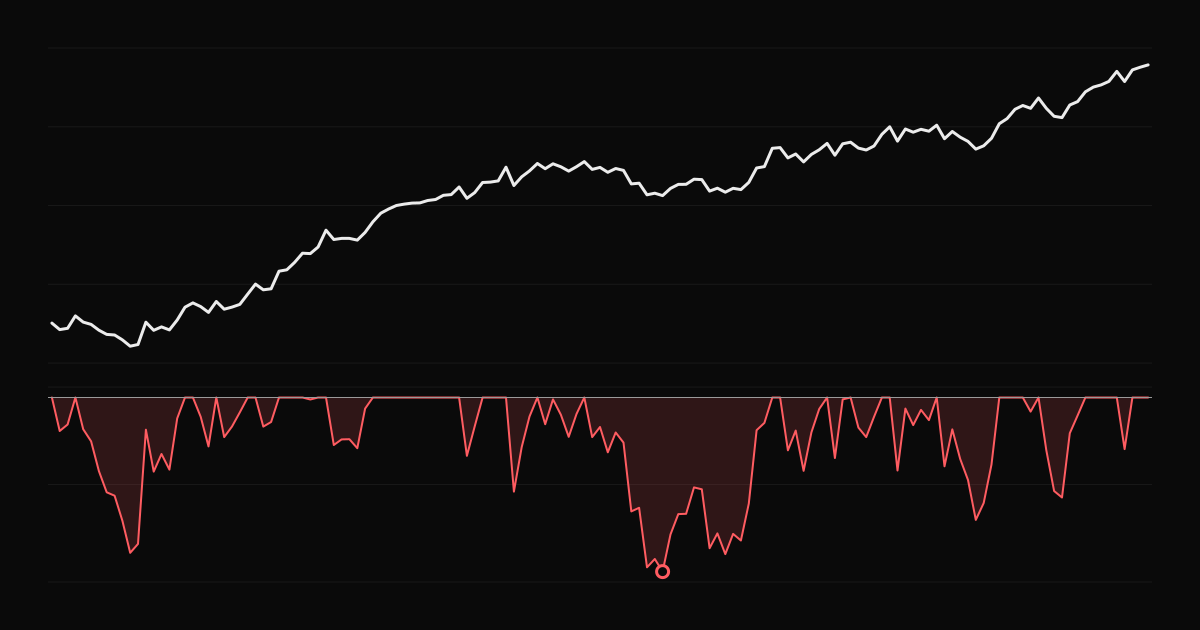
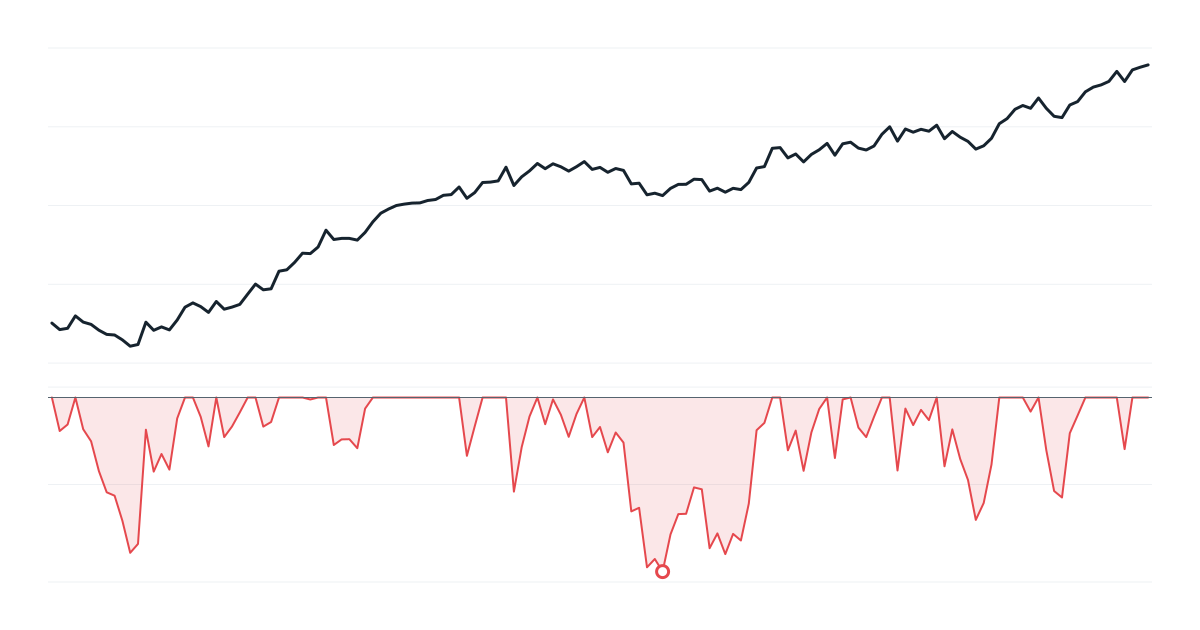
What maximum drawdown is, how to calculate it, the gain needed to recover from each drawdown, and how to keep drawdowns small enough to survive.
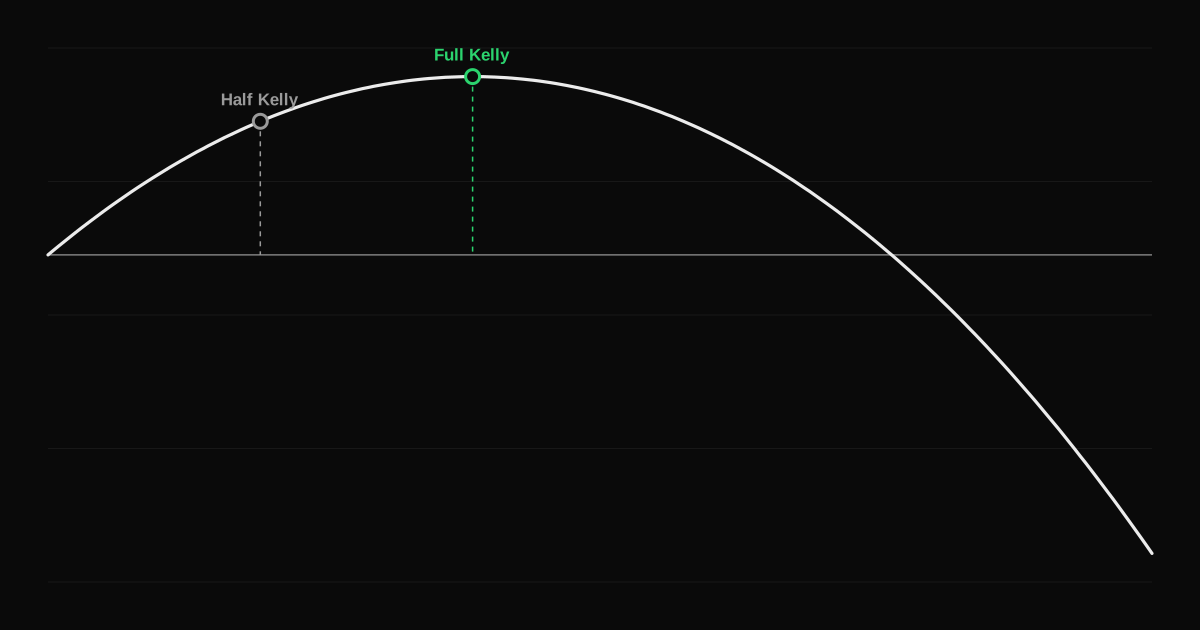
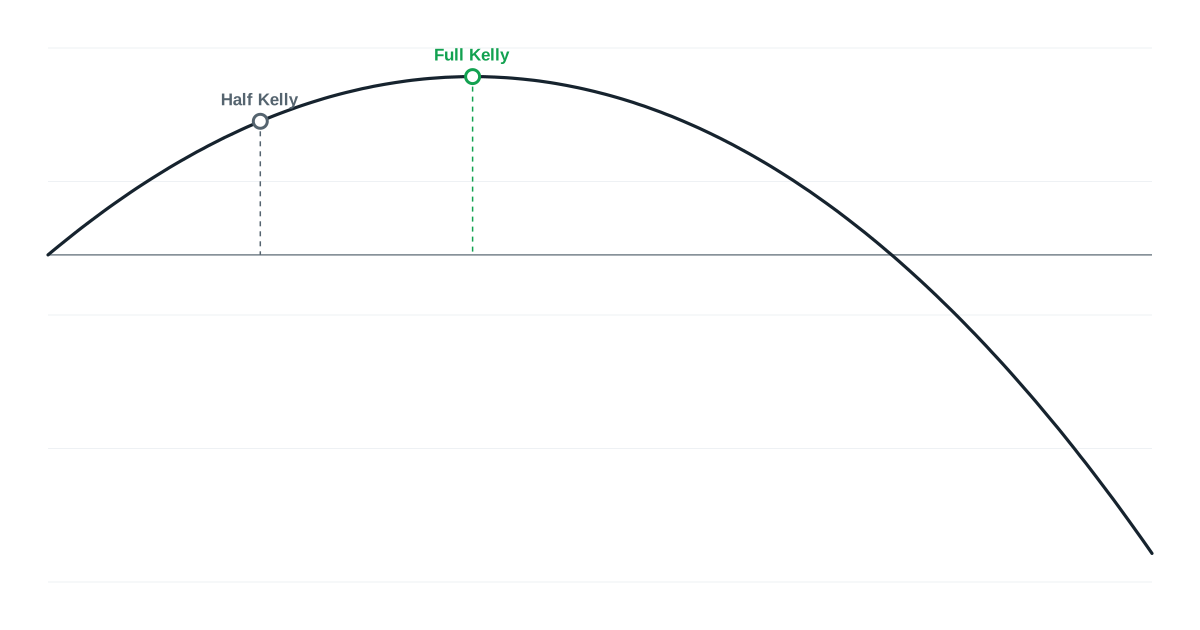
How the Kelly criterion calculates the bet size that maximizes long-term growth, how to apply it to trading, and why most traders use half Kelly or less.