Options trading
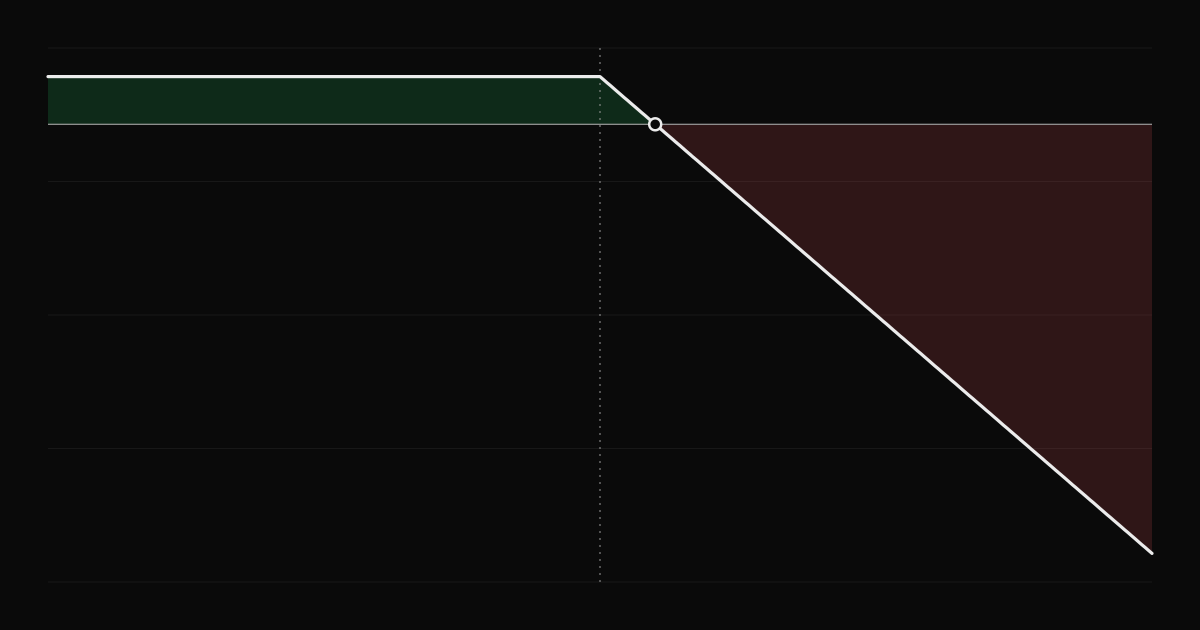
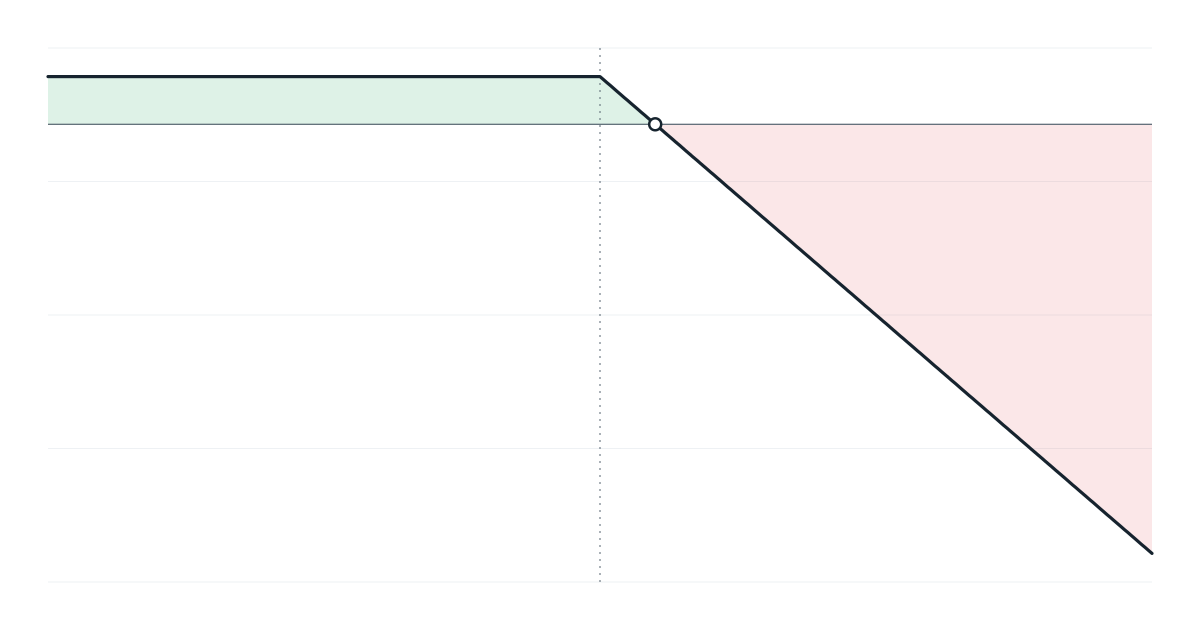
Protective Puts and Collars: Insuring a Stock Position
How a protective put limits downside on stock you own, how a collar pays for that protection by selling a call, with payoffs, examples and trade-offs.
How long call butterflies and iron butterflies work, their maximum profit, maximum loss and break-evens, with worked examples and management tips.
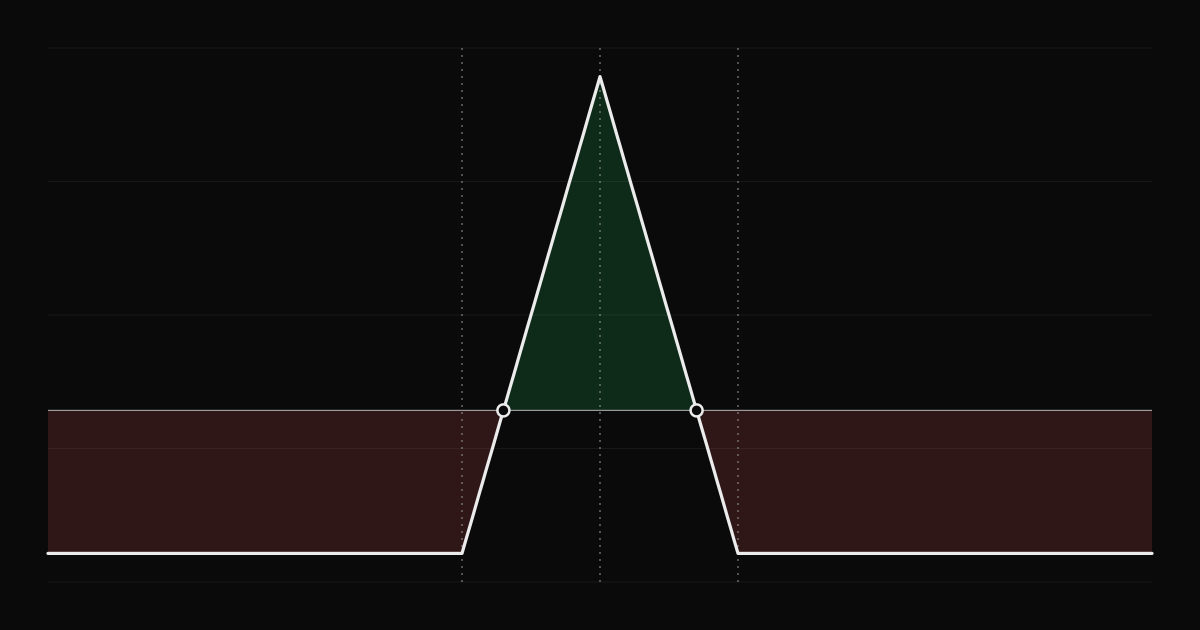
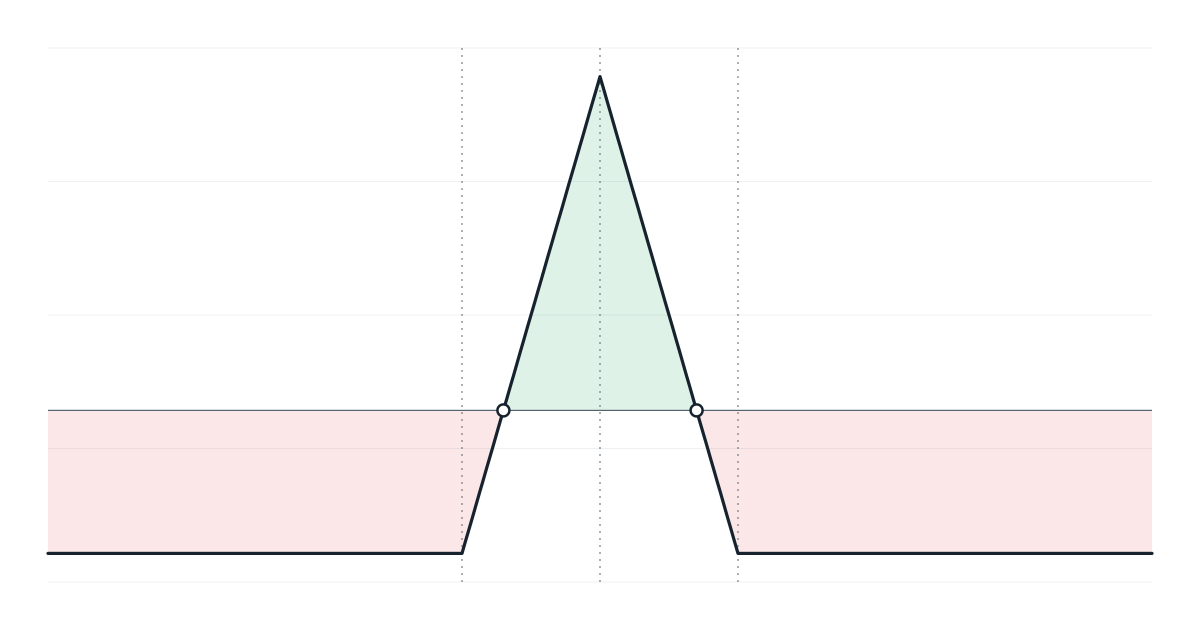
A butterfly spread is a defined-risk options position that profits most if the underlying finishes at a specific price at expiration. It is cheap relative to its potential payoff, but that payoff is concentrated in a narrow range.
Three strikes, equally spaced, same expiration:
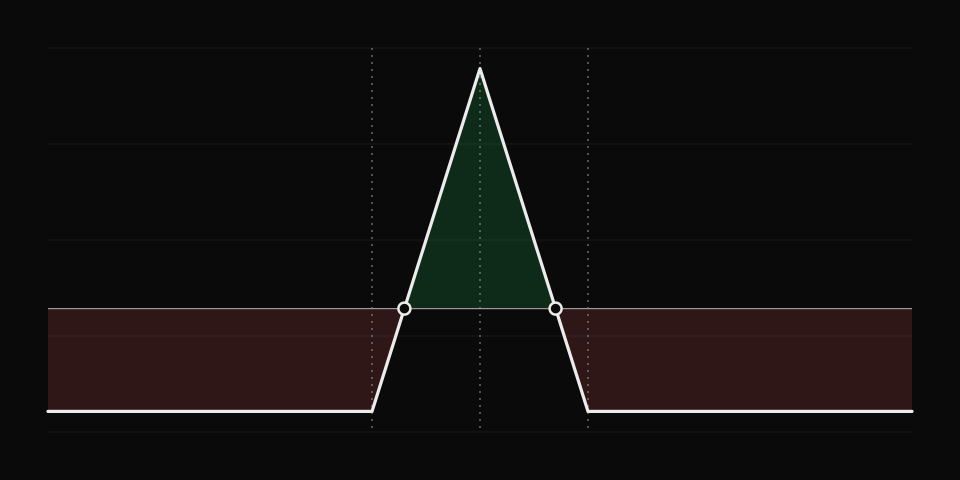
Example: buy the $90 call for $12.00, sell two $100 calls for $5.50 each, buy the $110 call for $2.00. Net debit: 12 − 11 + 2 = $3.00 ($300).
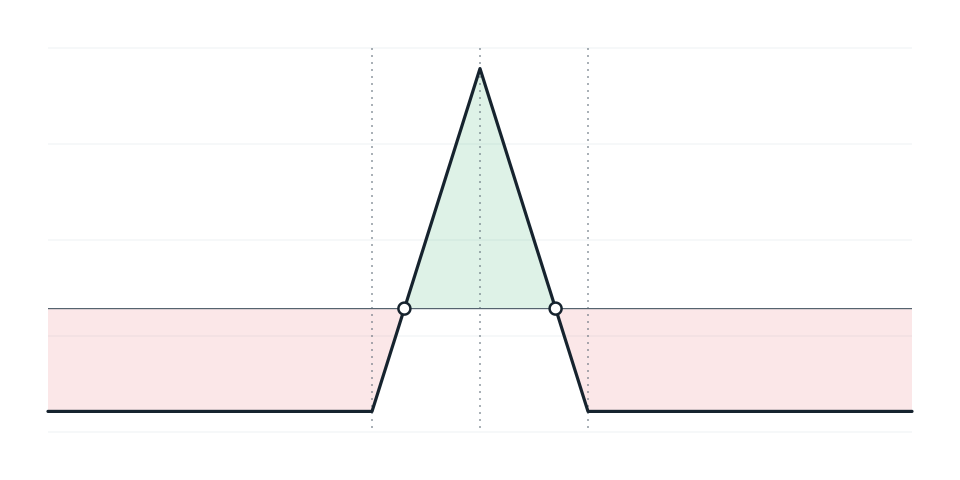
An iron butterfly uses puts and calls: sell an at-the-money put and call (a short straddle) and buy an out-of-the-money put and call as protection. It is opened for a credit.
Example: sell the $100 put and $100 call for $6.00 each, buy the $88 put and $112 call for $1.50 each. Net credit: 12 − 3 = $9.00.
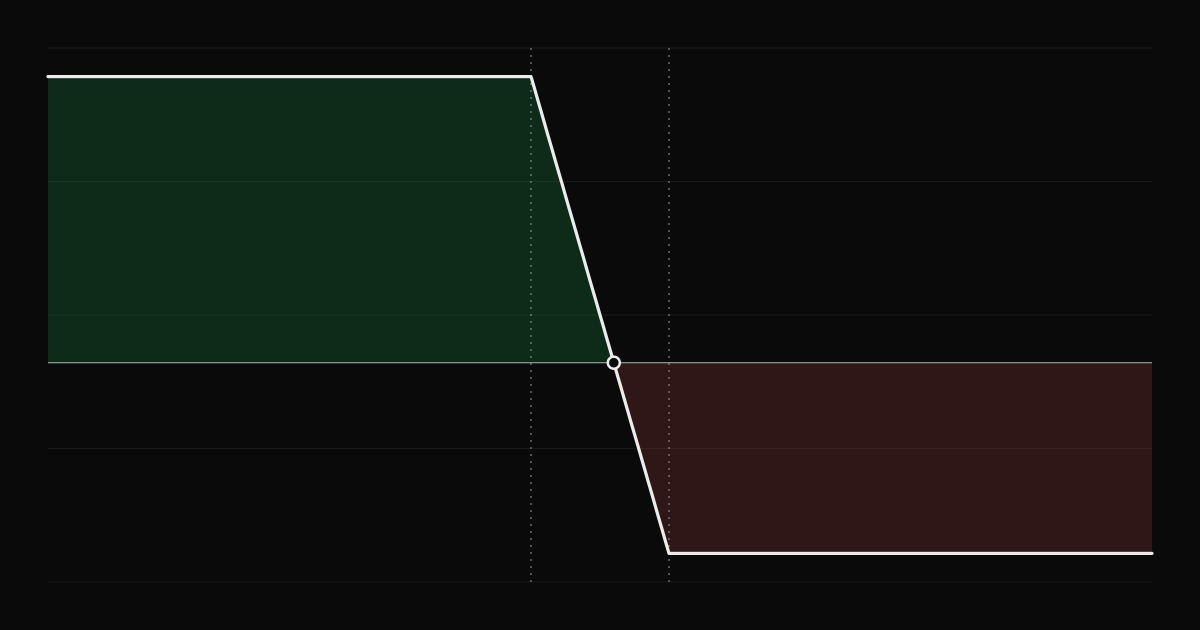
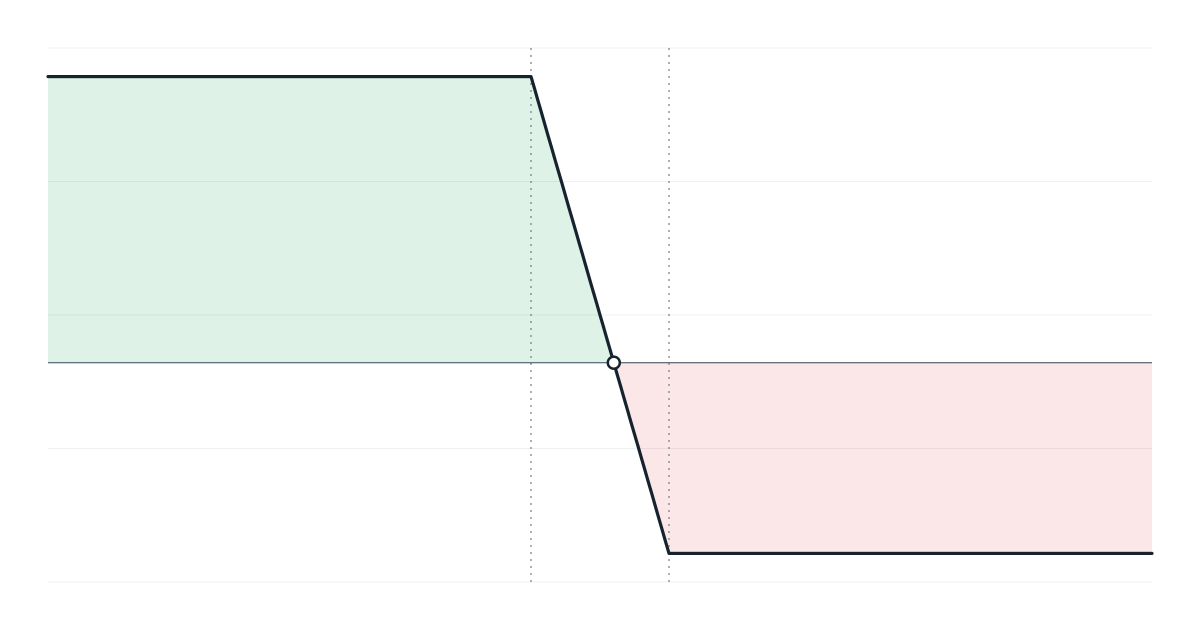
An iron condor has a wider, flatter profit zone and a smaller maximum profit. A butterfly has a narrow peak with a much higher maximum. Choose based on how precisely you can forecast the range.
Butterflies and iron butterflies are grouped as one trade, and the risk profile shows the peak, the wings, the break-evens and how the position looks today versus at expiration.
How a protective put limits downside on stock you own, how a collar pays for that protection by selling a call, with payoffs, examples and trade-offs.
What happens to options at expiration, how exercise and assignment work, early assignment risk, pin risk, and how to avoid surprises in your account.
What to record for options trades, how to handle multi-leg spreads, rolls, assignment and expiration in a journal, and which metrics matter for options traders.