
Options trading
The Options Greeks Explained: Delta, Gamma, Theta, Vega and Rho
A plain-English guide to the option greeks: what delta, gamma, theta, vega and rho measure, how they change, and how traders use them to understand risk.
What to record for options trades, how to handle multi-leg spreads, rolls, assignment and expiration in a journal, and which metrics matter for options traders.
Options trades are harder to journal than stock trades. A single position can have four legs, be rolled several times, end in assignment and leave you holding shares. A journal that handles these cases well shows you what your strategies really earn. One that does not can make your statistics meaningless.
For each options trade:
Multi-leg trades. Group all legs into one trade. Counting each leg separately inflates your trade count and distorts your win rate.
Rolls. When you roll a position to a new expiration or strike, you close one trade and open another. Many traders track the roll as a new trade and also keep a note linking the two, so the campaign's total result is visible.
Assignment. When a short put is assigned, the shares should appear in your account at the strike price, linked in your notes to the original trade.
Expiration worthless. An option that expires should be closed at zero, not left open forever.
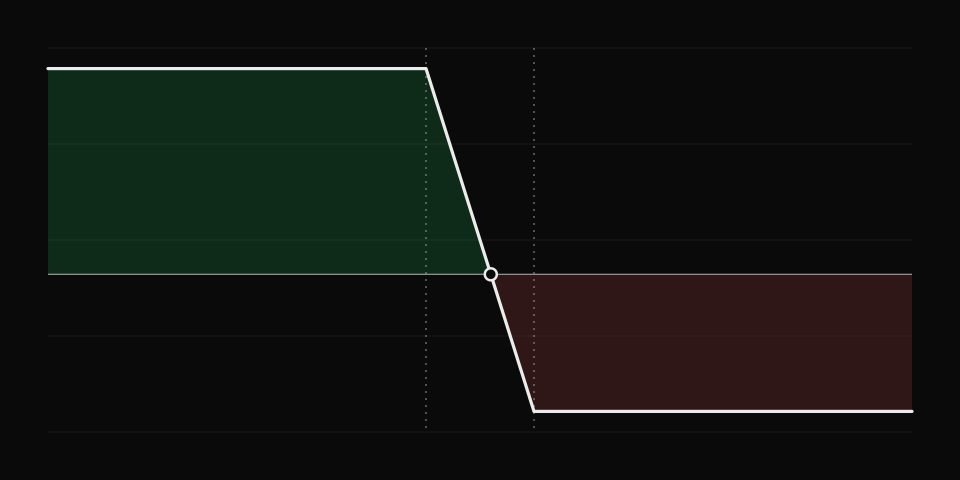
For R-multiples, use the maximum loss for defined-risk trades, or your planned stop for undefined-risk ones. Then results across strategies become comparable. See R-multiples.
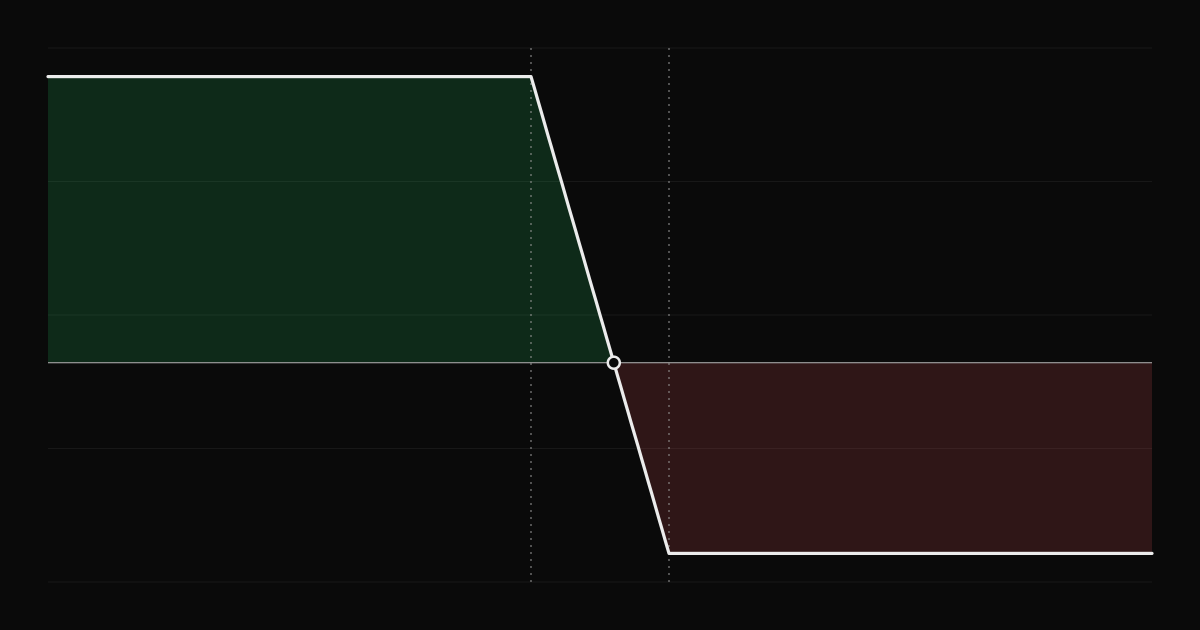
Doing this by hand is error-prone. TradeThink imports options trades from your broker, groups multi-leg spreads, handles multipliers, removes expired contracts from open positions and shows the risk profile for any options trade. Live greeks and implied volatility are on the open positions page.
A plain-English guide to the option greeks: what delta, gamma, theta, vega and rho measure, how they change, and how traders use them to understand risk.
How a covered call works, its payoff at expiration, a worked example, the risks of assignment and capped upside, and how to track covered calls in a journal.
How selling a cash-secured put works, its payoff, a worked example with break-even and assignment, the risks, and how it compares with a covered call.