Options trading
How to Track Options Trades in a Trading Journal
What to record for options trades, how to handle multi-leg spreads, rolls, assignment and expiration in a journal, and which metrics matter for options traders.
What happens to options at expiration, how exercise and assignment work, early assignment risk, pin risk, and how to avoid surprises in your account.
Every option eventually expires, is closed, or is exercised. Many traders close positions before expiration and never deal with exercise. But if you hold through expiration, or hold short options, you need to know how assignment works, because surprises here can be expensive.
In the US, equity options that are in the money by a small amount (commonly $0.01 or more) at expiration are generally exercised automatically unless the holder instructs otherwise. Check your broker's rules.
Out-of-the-money options expire worthless.
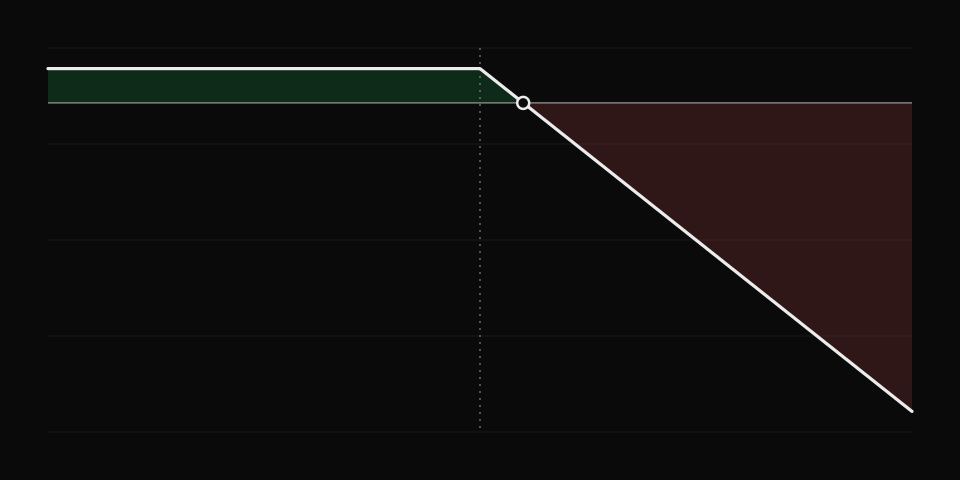
American-style options, including most US single-stock options, can be exercised any time before expiration. Early exercise is uncommon because it gives up the option's remaining time value, but it happens, most often:
Most index options are European-style and can only be exercised at expiration. Many are cash-settled.
If the underlying closes very near your short strike at expiration, you may not know whether you will be assigned. After-hours moves can change whether the holder exercises. Closing positions near the strike before expiration avoids this uncertainty.
In a spread, one leg can be assigned while the other remains open. For example, a short call in a credit spread may be assigned before a dividend while your long call is still open. Your maximum loss is still defined, but your account may temporarily hold stock, and margin requirements can change.
Expired contracts are no longer counted as open positions, and stock received or delivered through assignment shows in your trades and transactions. The open positions page shows days to expiration for each option. Related: covered calls and cash-secured puts.
What to record for options trades, how to handle multi-leg spreads, rolls, assignment and expiration in a journal, and which metrics matter for options traders.
A plain-English guide to the option greeks: what delta, gamma, theta, vega and rho measure, how they change, and how traders use them to understand risk.
How a covered call works, its payoff at expiration, a worked example, the risks of assignment and capped upside, and how to track covered calls in a journal.