Options trading
Options Assignment and Expiration: What Happens and How to Prepare
What happens to options at expiration, how exercise and assignment work, early assignment risk, pin risk, and how to avoid surprises in your account.
How a protective put limits downside on stock you own, how a collar pays for that protection by selling a call, with payoffs, examples and trade-offs.
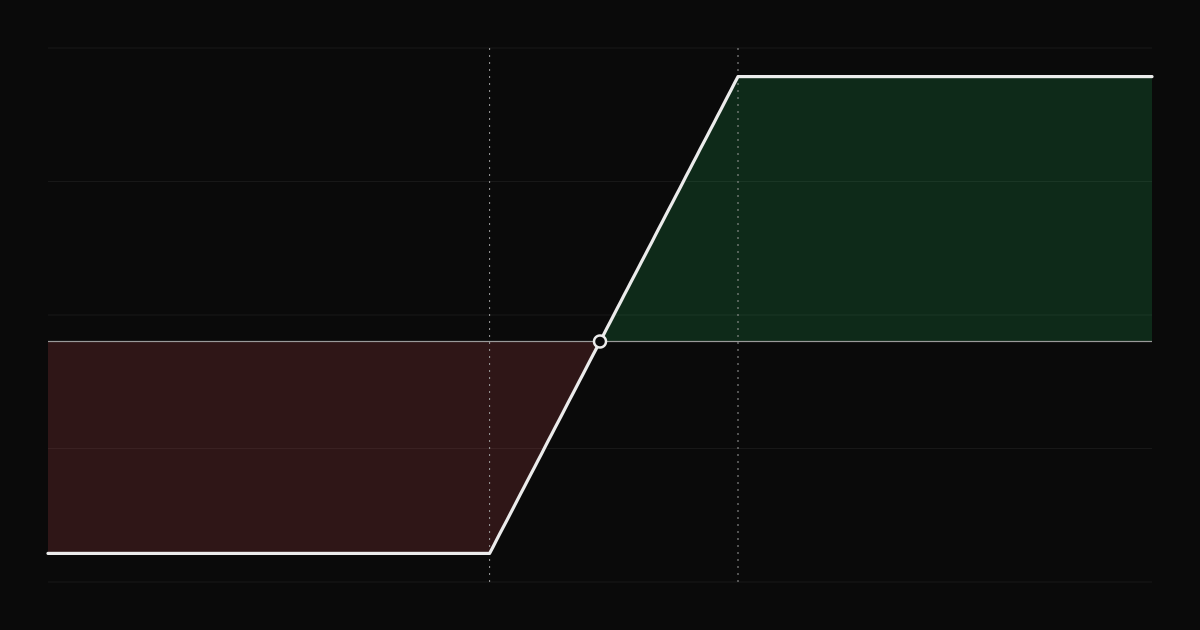
If you own a stock and fear a drop but do not want to sell, options can act as insurance. A protective put sets a floor under your position. A collar sets a floor and pays for it, at least partly, by capping your upside.
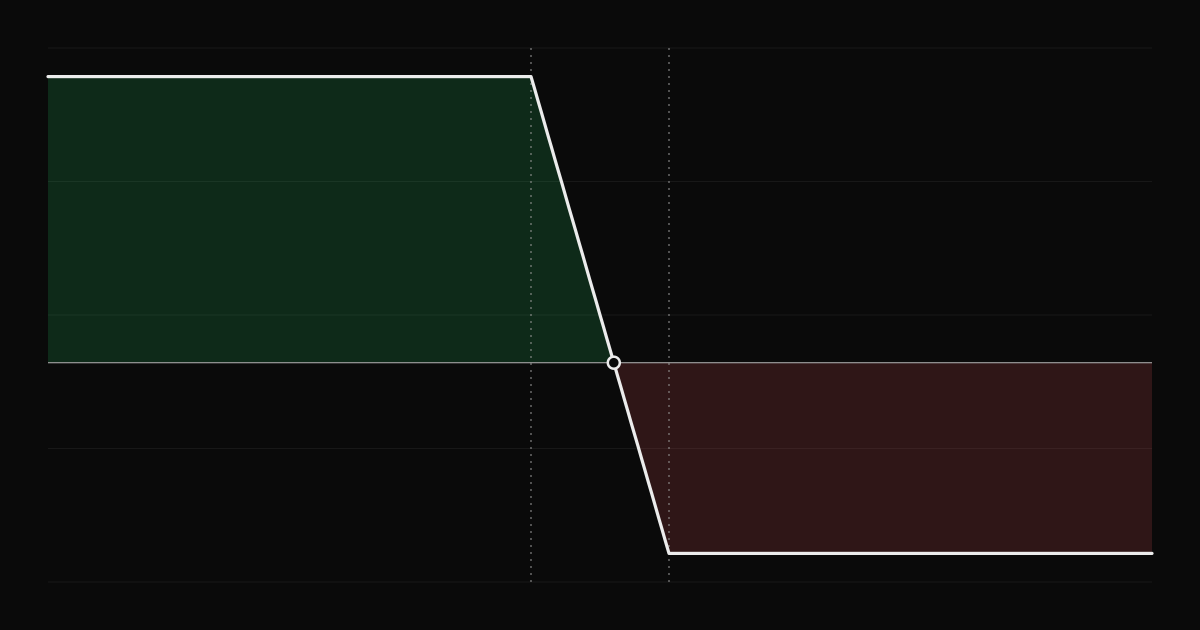
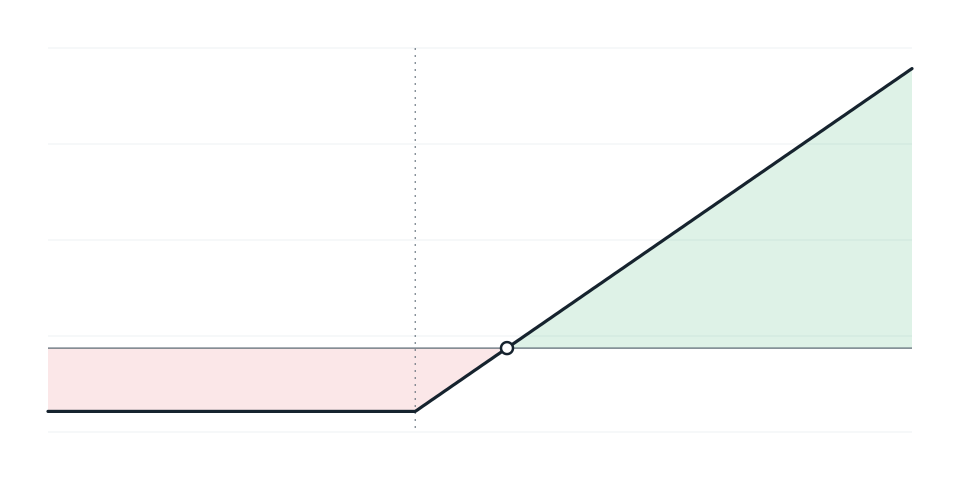
Own 100 shares and buy one put.
Example: you own 100 shares at $100. You buy a $94 put for $2.50.
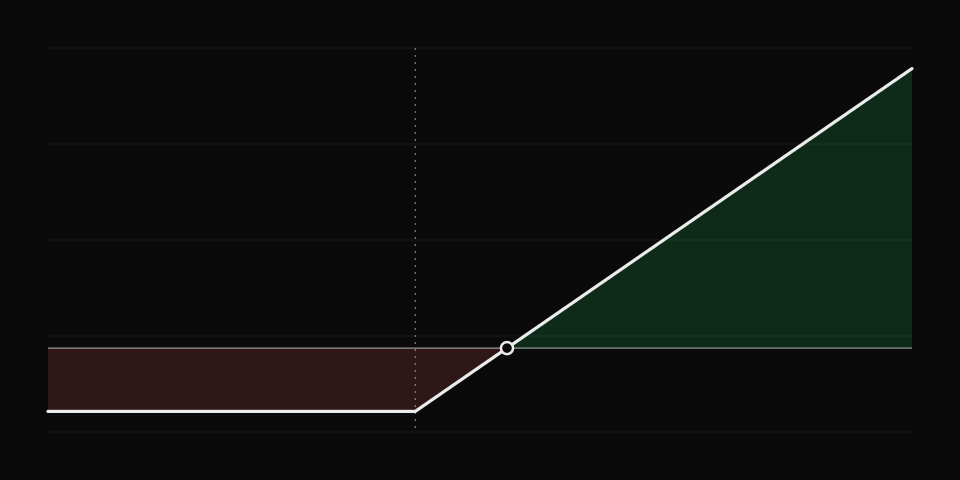
The put works like an insurance policy with a deductible ($6 here) and a premium ($2.50).
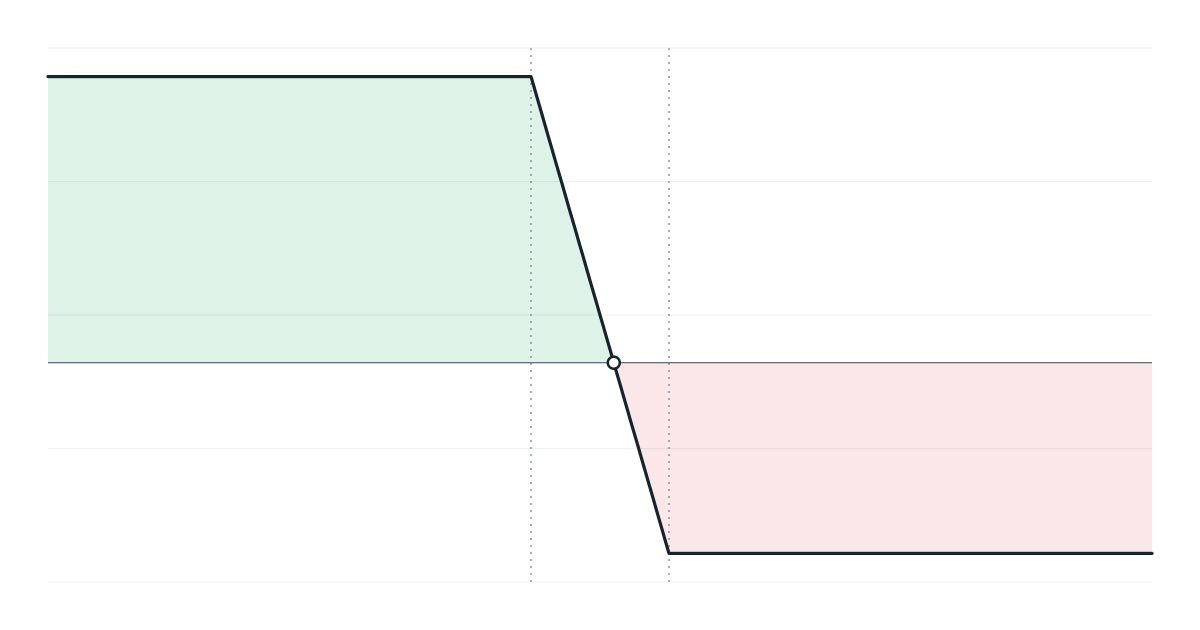
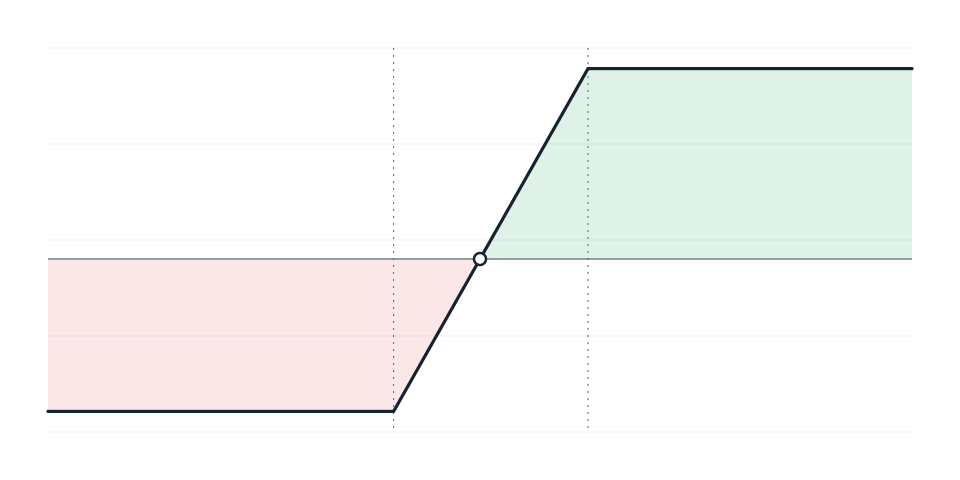
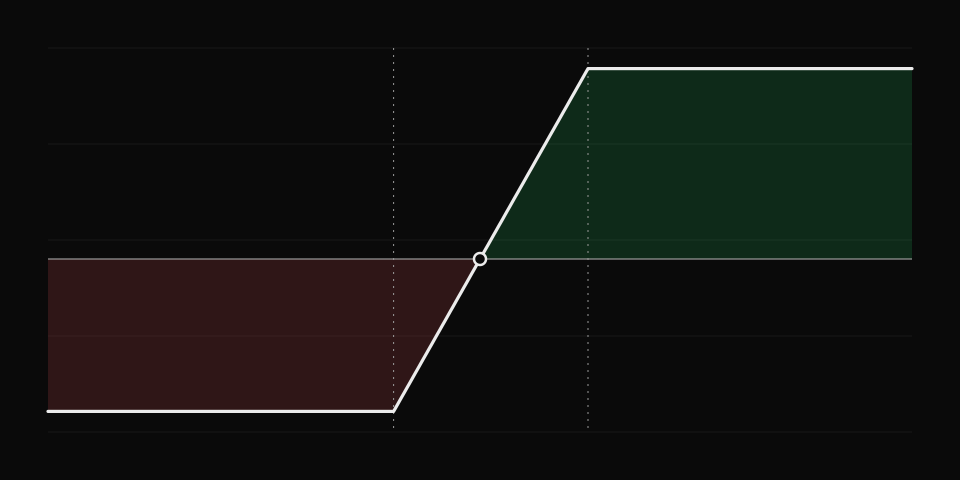
Own 100 shares, buy a put and sell a call.
Example: own shares at $100, buy the $92 put for $2.00, sell the $110 call for $2.00. Net cost: $0, a "zero-cost collar".
| Protective put | Collar | |
|---|---|---|
| Cost | Premium paid | Low or zero |
| Downside | Capped | Capped |
| Upside | Unlimited (less premium) | Capped at call strike |
| Good for | Strong upside conviction | Protecting gains, expecting modest moves |
The stock and option legs appear together on the open positions page, and the risk profile shows the combined payoff of the hedge. Related: covered calls.
What happens to options at expiration, how exercise and assignment work, early assignment risk, pin risk, and how to avoid surprises in your account.
What to record for options trades, how to handle multi-leg spreads, rolls, assignment and expiration in a journal, and which metrics matter for options traders.
A plain-English guide to the option greeks: what delta, gamma, theta, vega and rho measure, how they change, and how traders use them to understand risk.