Options trading
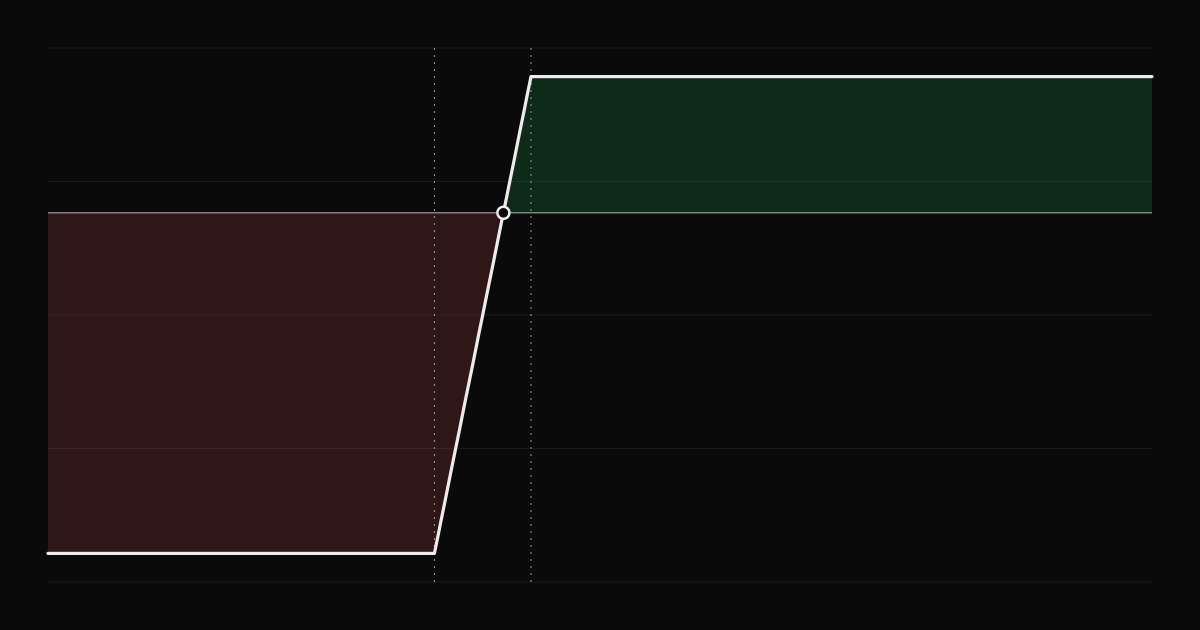
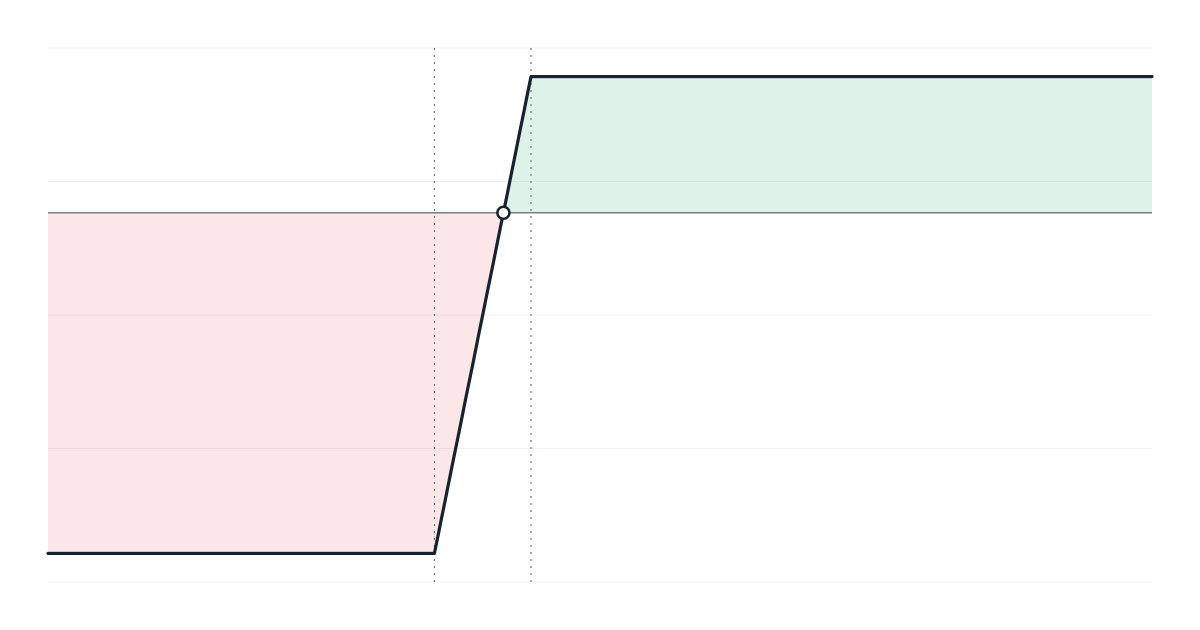
Vertical Spreads: Bull Call and Bear Put Debit Spreads Explained
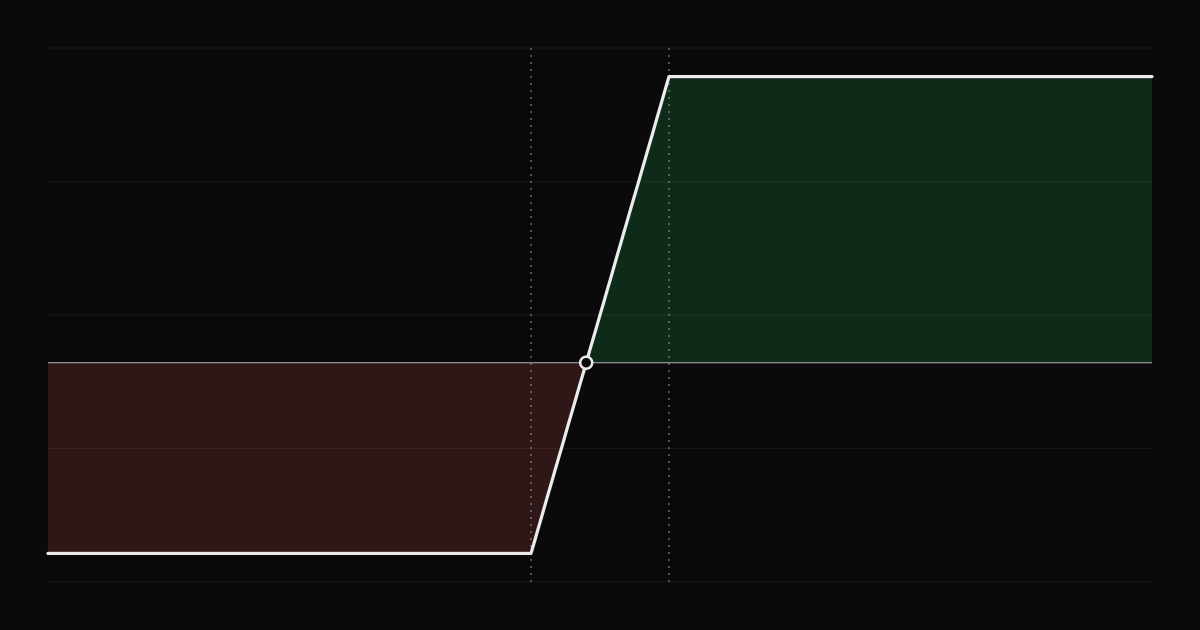
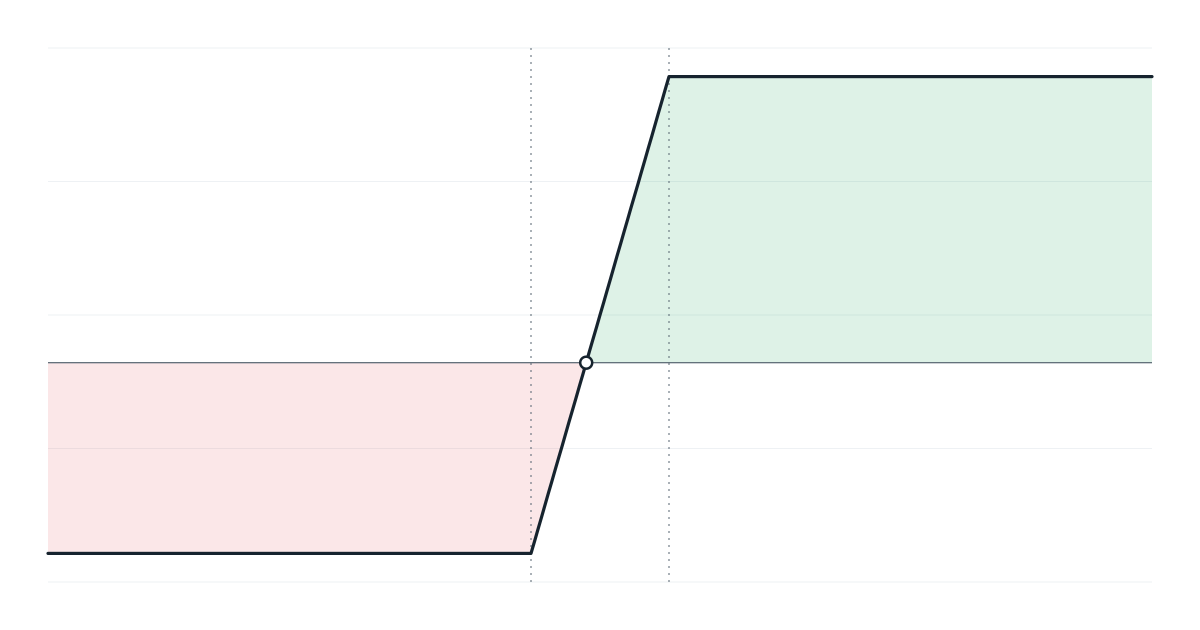
How debit vertical spreads work, how to calculate maximum profit, maximum loss and break-even, and why traders use spreads instead of single options.
How an iron condor works, its four legs, maximum profit and loss, break-even prices, a worked example, and how to manage it before expiration.
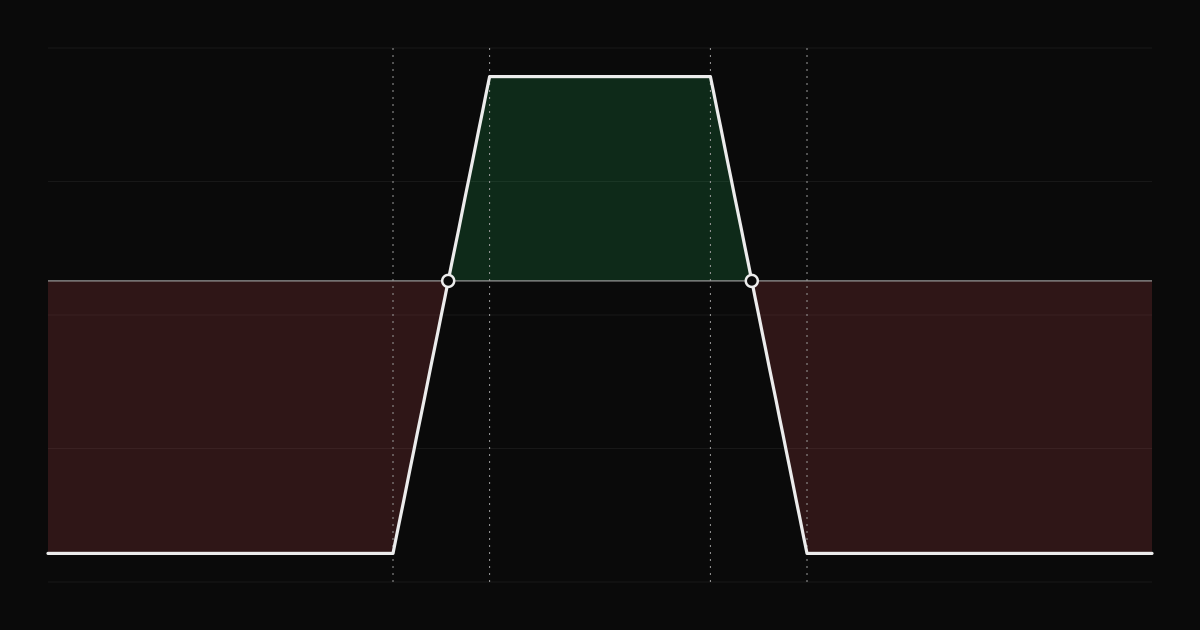
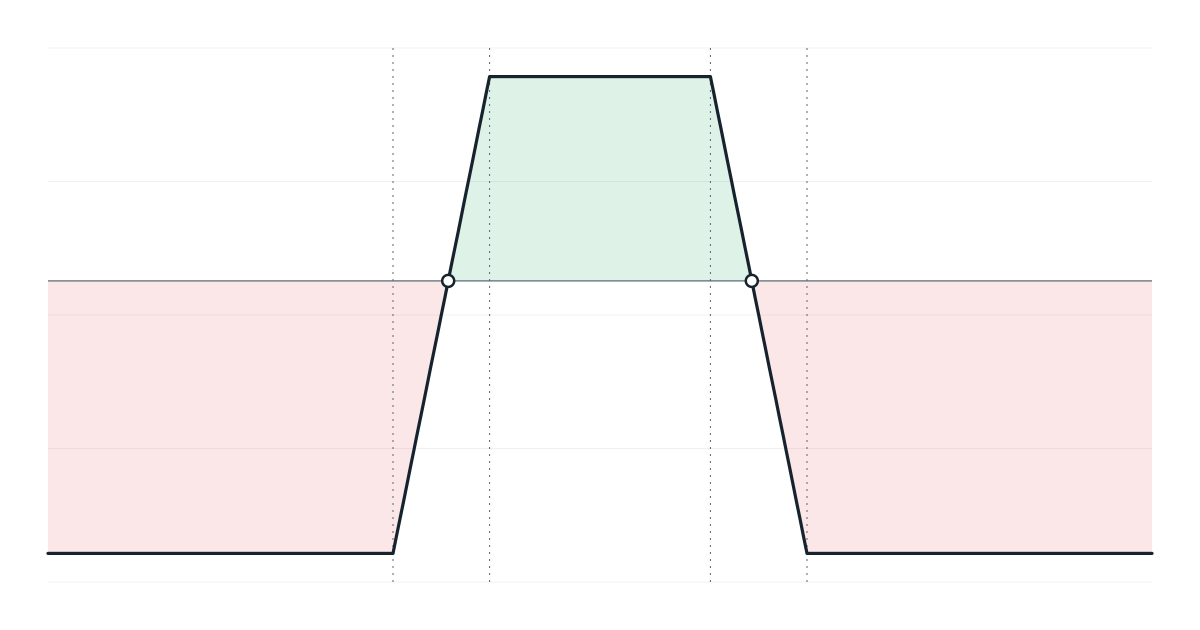
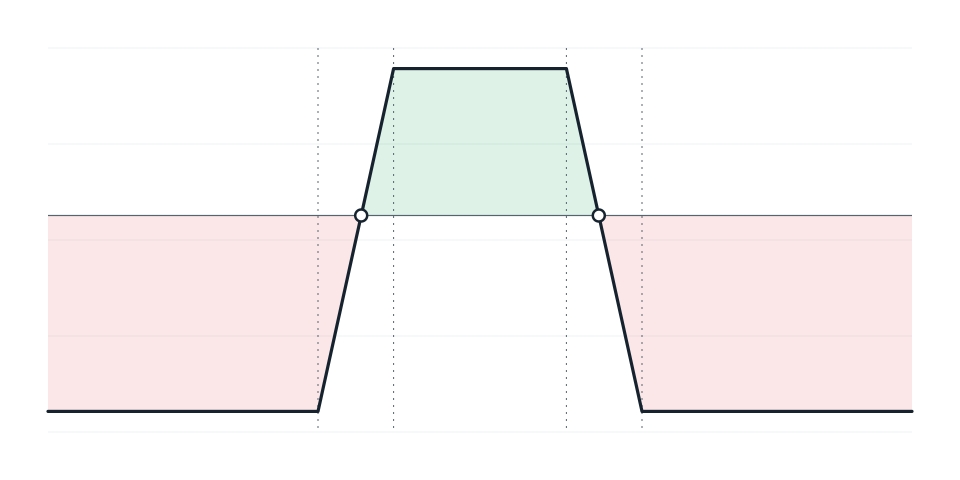
An iron condor is a neutral options strategy that profits when the underlying stays within a range until expiration. It combines a bull put spread below the price with a bear call spread above it. The risk is defined on both sides, which makes it popular with traders who want to sell premium without unlimited risk.
All with the same expiration. You receive a net credit.
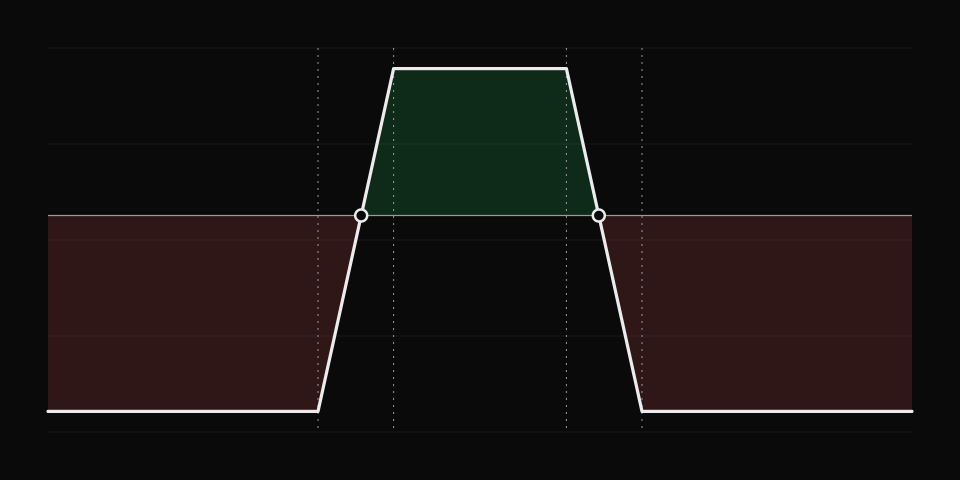
A stock trades at $100. You open a 30-day iron condor:
Net credit: $2.50 + $2.50 − $1.00 − $1.00 = $3.00, or $300 per condor.
An iron condor typically has:
Iron condors with wide strikes win often but lose more on losers than they make on winners. A 75% win rate with the payoff above is not automatically profitable. Track results in R and profit factor, not just win rate.
Multi-leg trades are grouped together, and the risk profile draws the payoff at expiration and today with break-evens, maximum profit and maximum loss. You can widen or pan the price range on the chart to see the full shape. Related: the iron butterfly and butterfly spreads.
How debit vertical spreads work, how to calculate maximum profit, maximum loss and break-even, and why traders use spreads instead of single options.
How credit spreads work, how to calculate the credit, maximum loss and break-even, how they compare with naked options, and how to manage them.
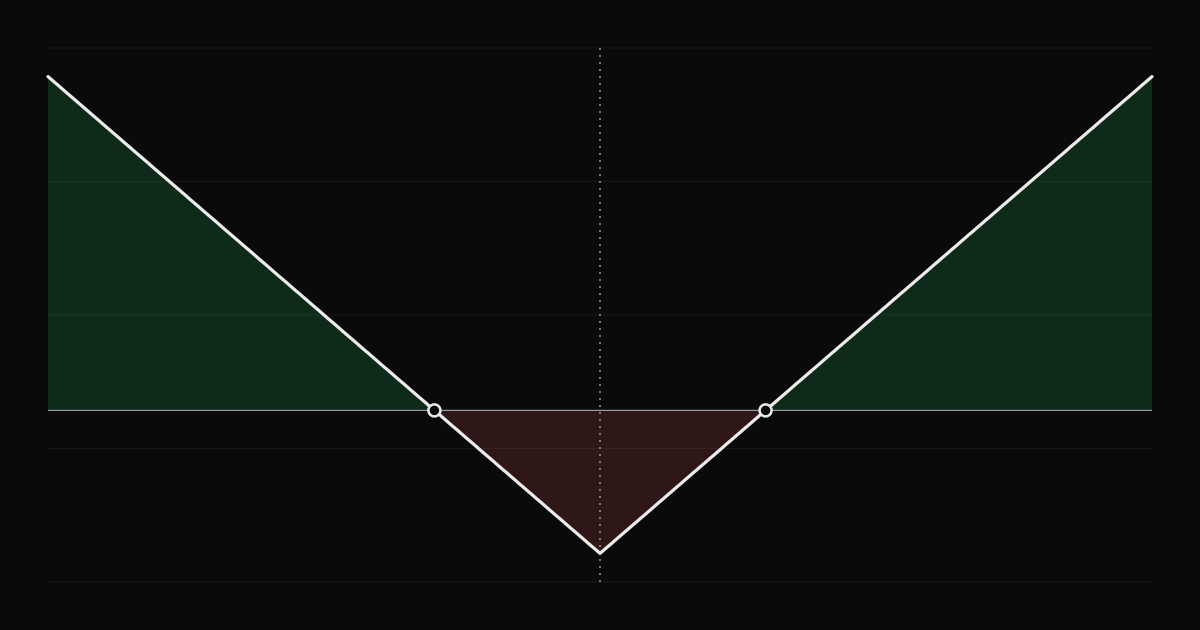
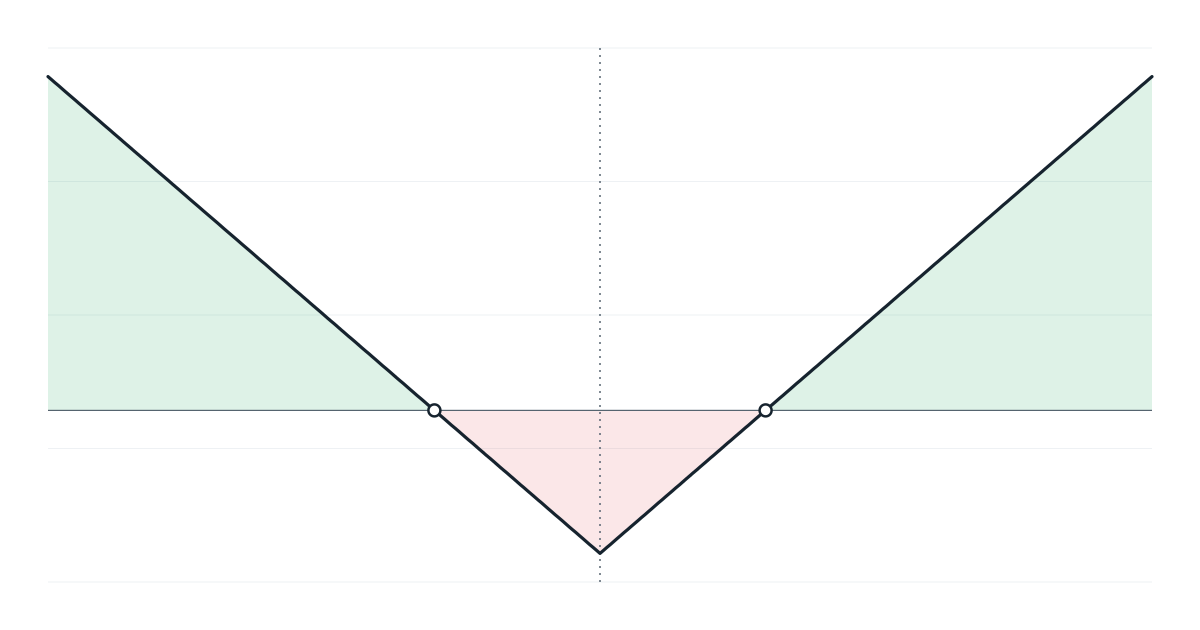
How long straddles and strangles work, their costs and break-evens, how volatility affects them, and when traders choose one over the other.