Options trading
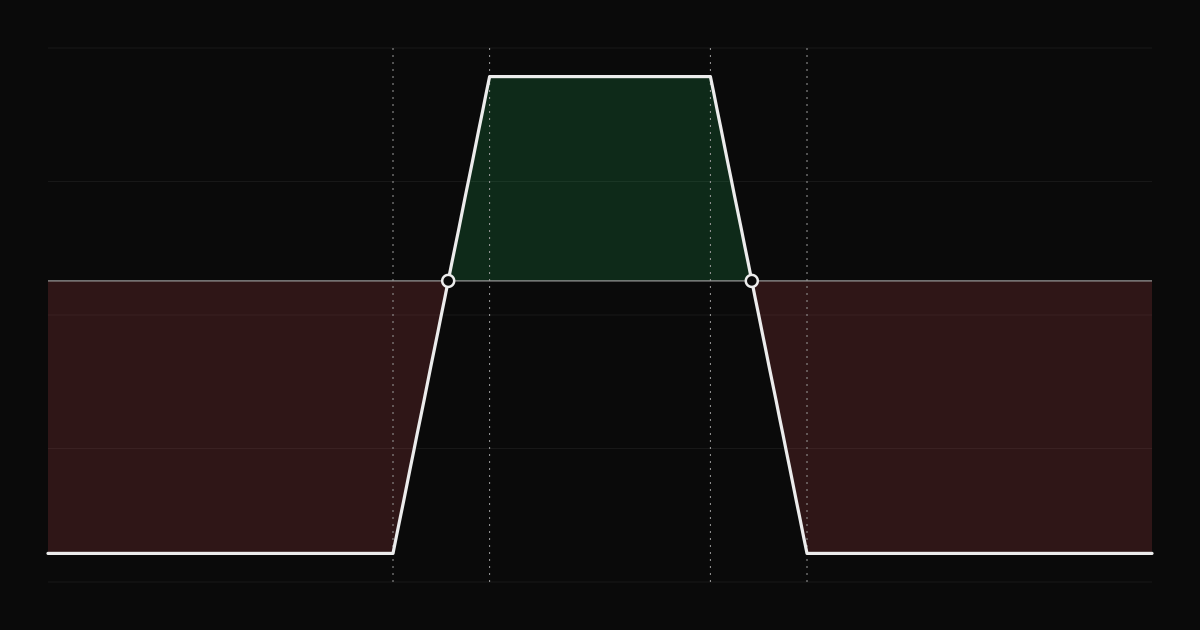
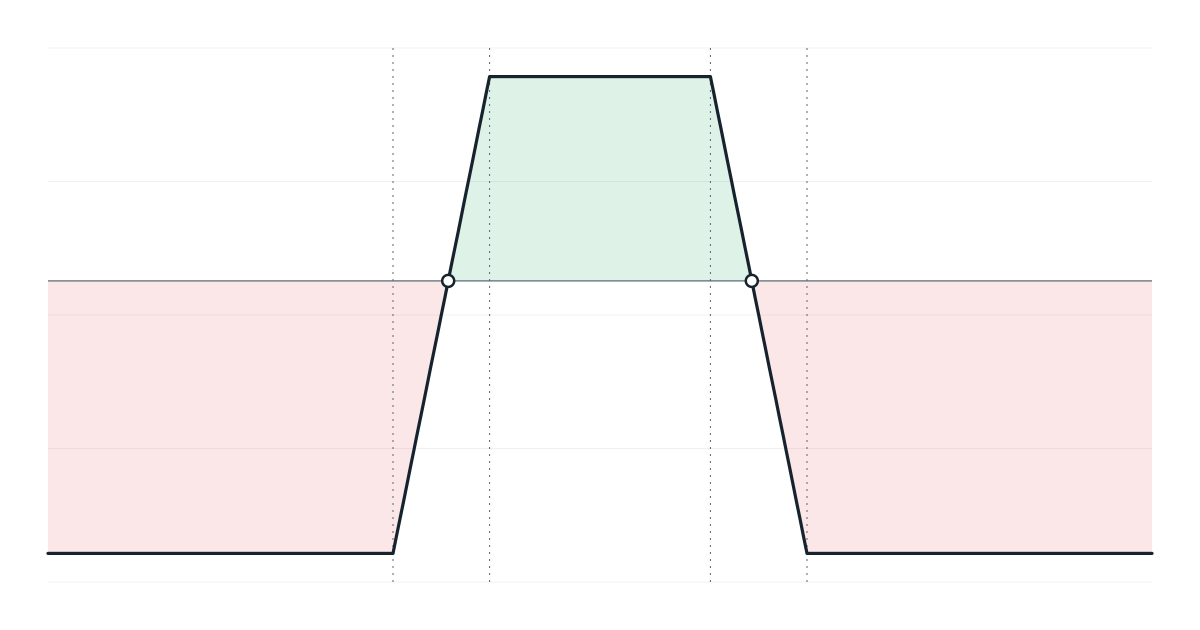
The Iron Condor: A Defined-Risk Strategy for Range-Bound Markets
How an iron condor works, its four legs, maximum profit and loss, break-even prices, a worked example, and how to manage it before expiration.
How selling a cash-secured put works, its payoff, a worked example with break-even and assignment, the risks, and how it compares with a covered call.
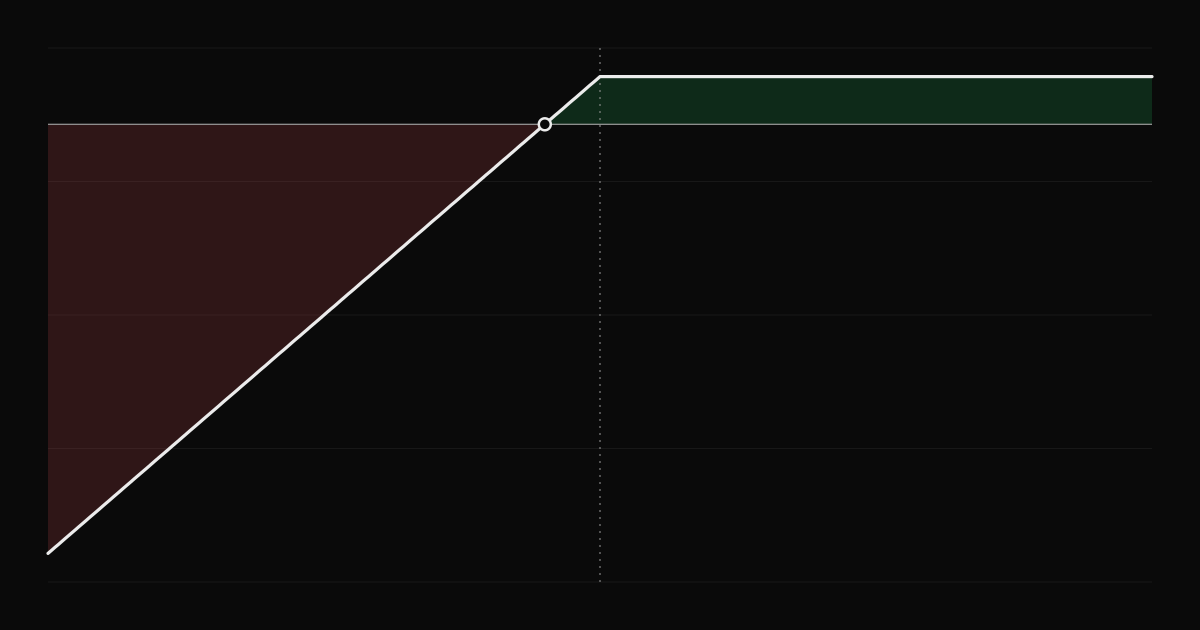
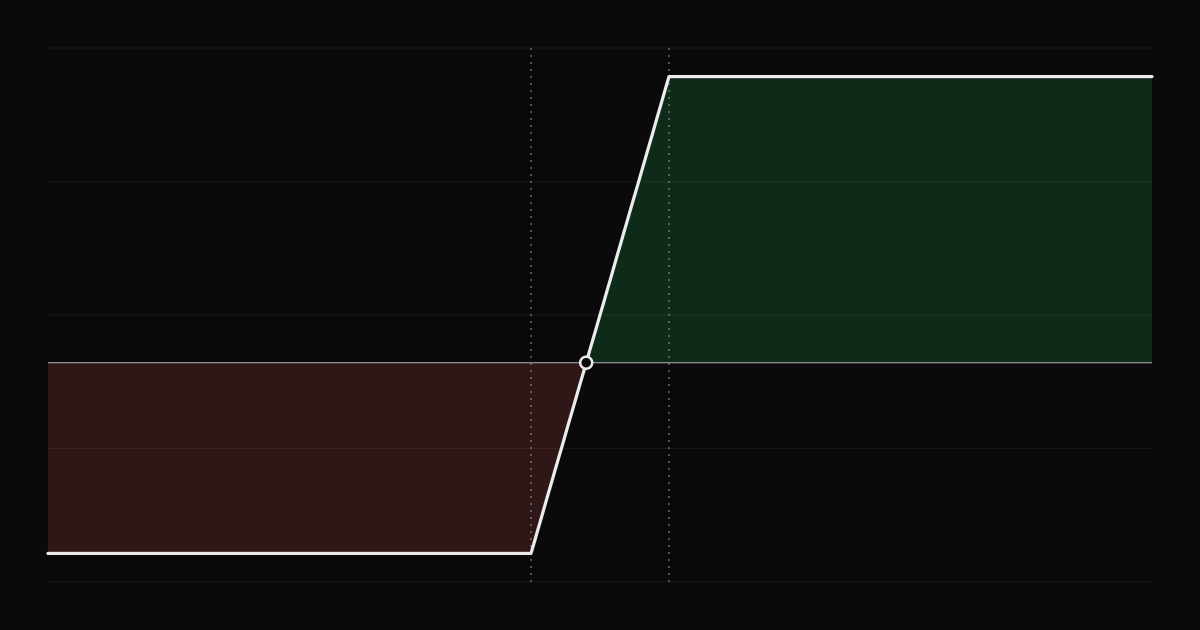
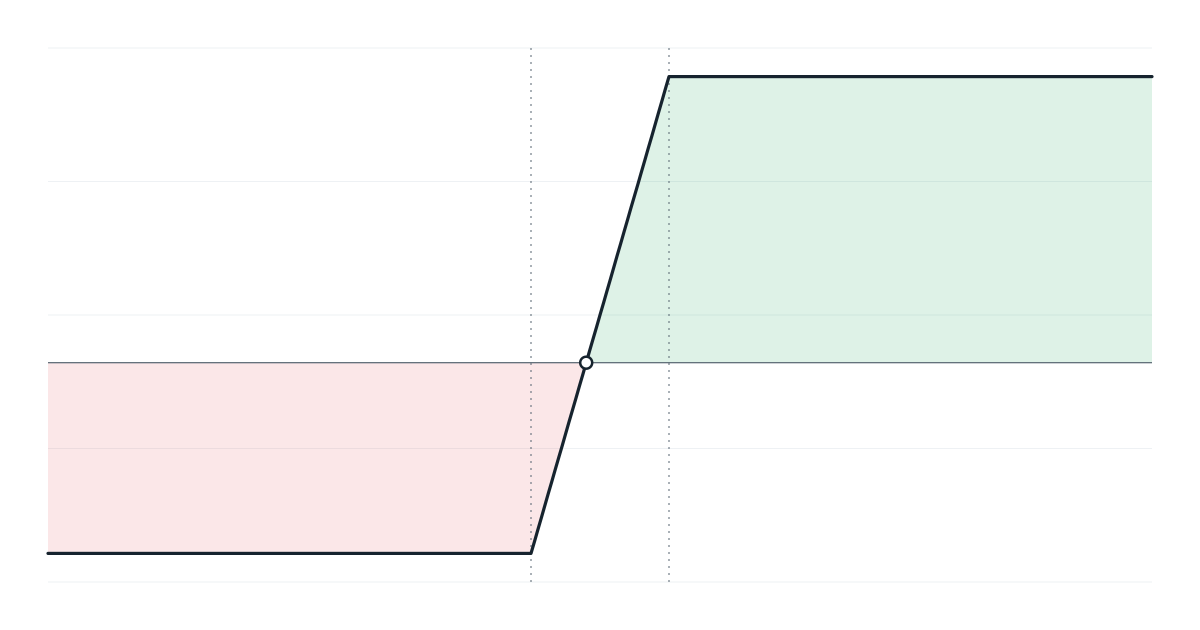
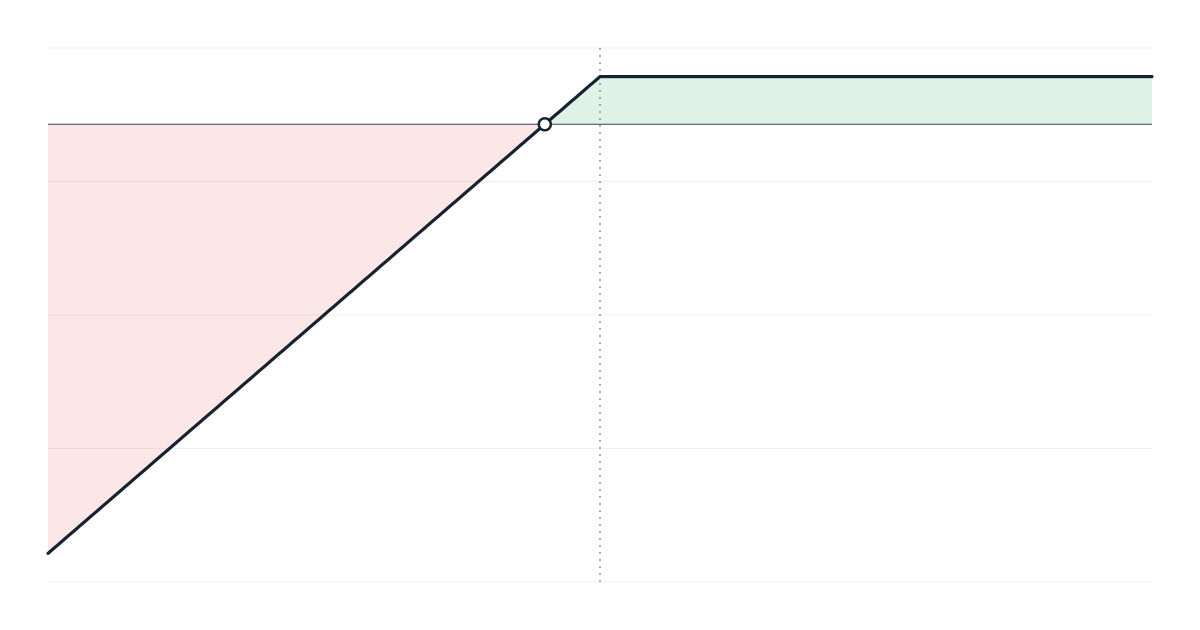
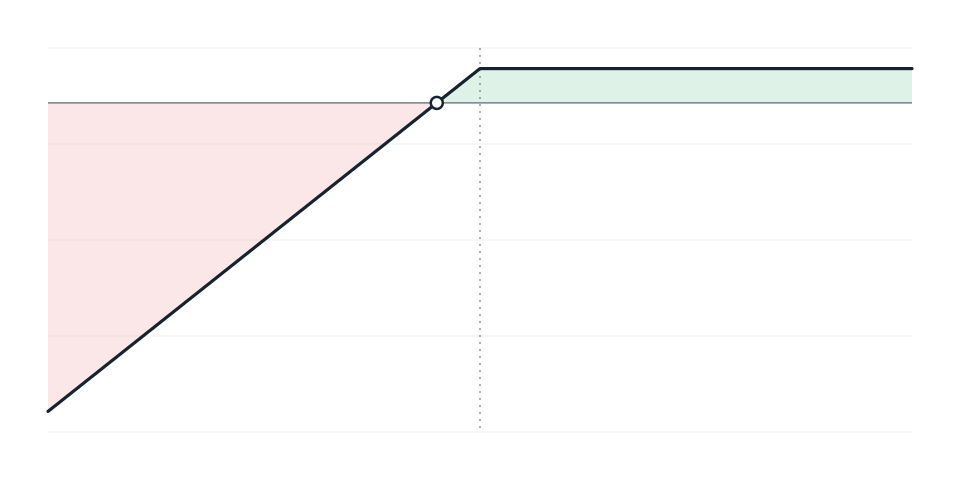
A cash-secured put means selling a put option while holding enough cash to buy the shares if you are assigned. You collect the premium now, and in return you agree to buy 100 shares at the strike price if the stock is below it at expiration.
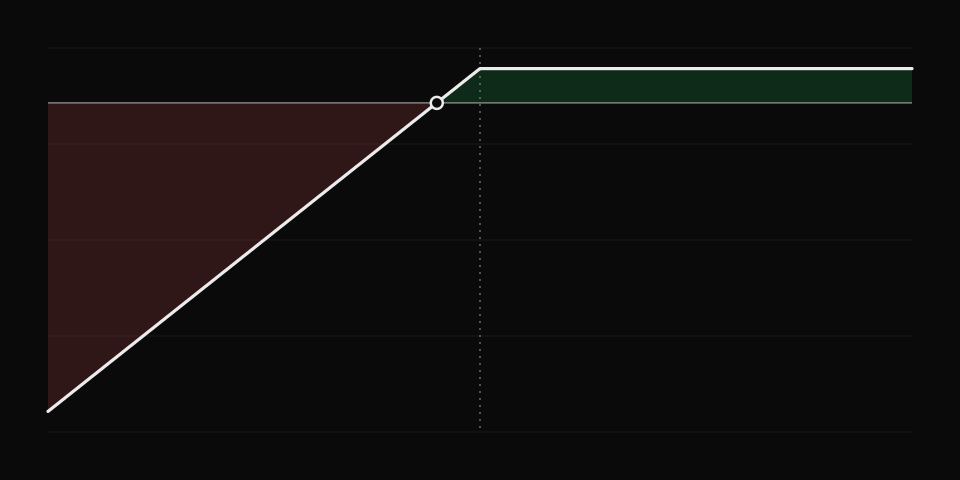
At expiration:
A stock trades at $52. You sell one 30-day put with a $50 strike for $1.50 ($150) and set aside $5,000 in cash.
The covered call and the cash-secured put have the same payoff shape at expiration; both are short-volatility, short-put-like positions.
Record the premium, strike, expiration, and any assignment, and link the assigned shares to the put trade so your total return is accurate. In TradeThink, short puts and the shares from assignment appear in your trades, and the risk profile shows the payoff at expiration and today. Related: the options greeks.
How an iron condor works, its four legs, maximum profit and loss, break-even prices, a worked example, and how to manage it before expiration.
How debit vertical spreads work, how to calculate maximum profit, maximum loss and break-even, and why traders use spreads instead of single options.
How credit spreads work, how to calculate the credit, maximum loss and break-even, how they compare with naked options, and how to manage them.