Options trading
Straddle vs Strangle: Trading Big Moves in Either Direction
How long straddles and strangles work, their costs and break-evens, how volatility affects them, and when traders choose one over the other.
How credit spreads work, how to calculate the credit, maximum loss and break-even, how they compare with naked options, and how to manage them.
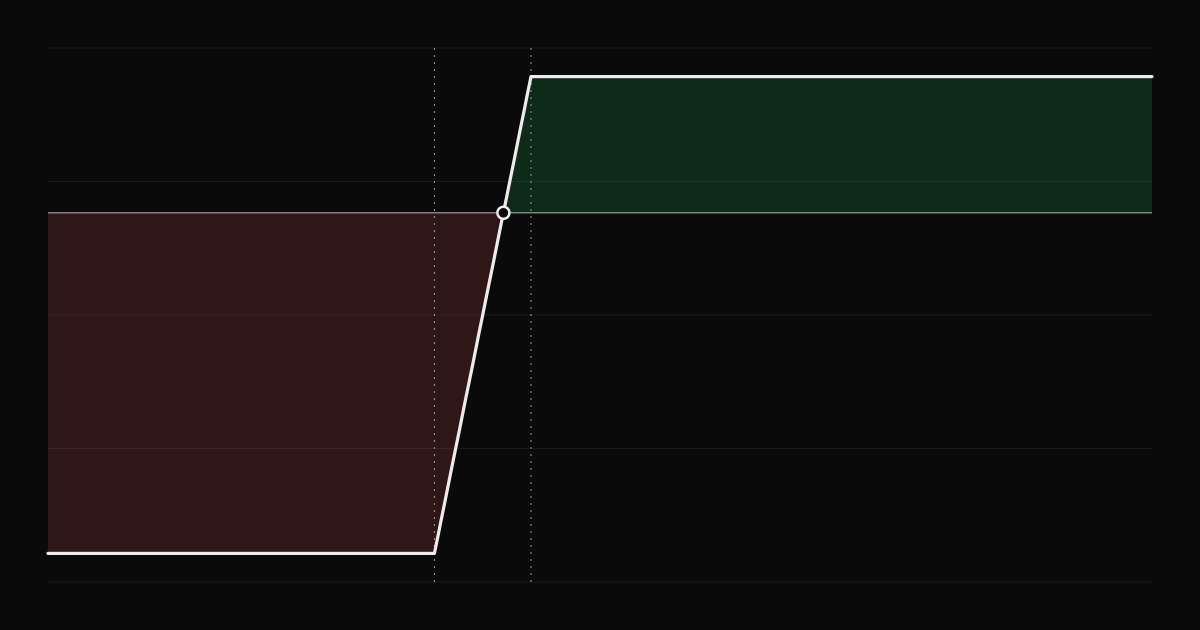
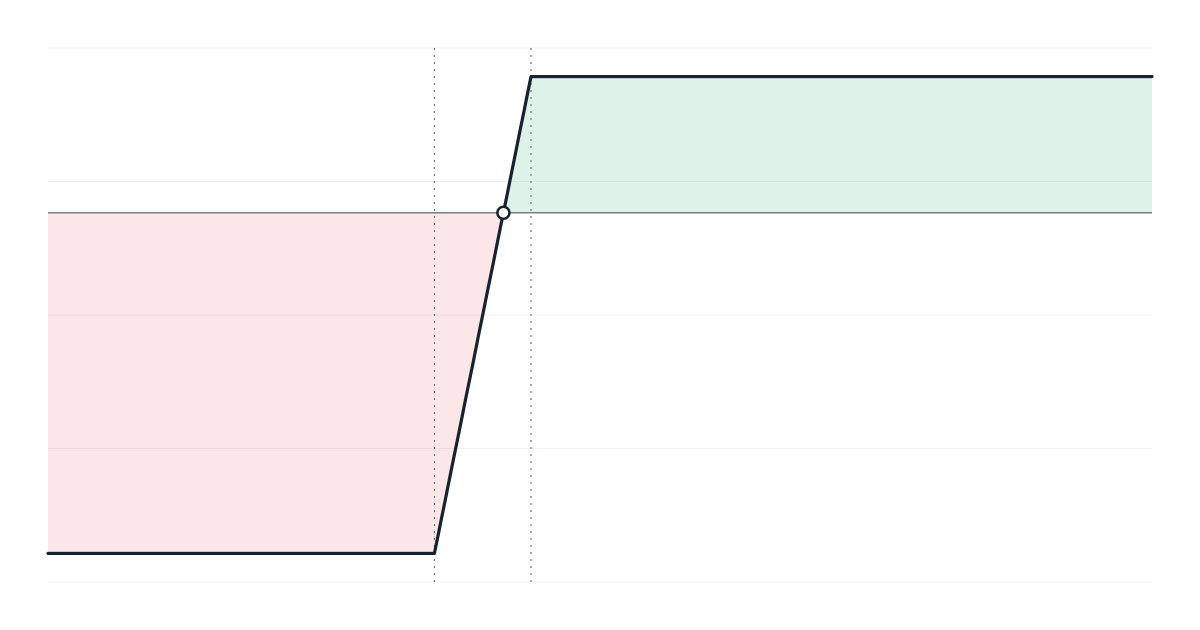
A credit spread is opened by selling an option and buying a cheaper option of the same type and expiration further out of the money. You receive a net credit. You keep it if the underlying stays on the right side of your short strike until expiration. The long option caps your risk.
Sell a put and buy a lower-strike put. You profit if the stock stays above the short strike.
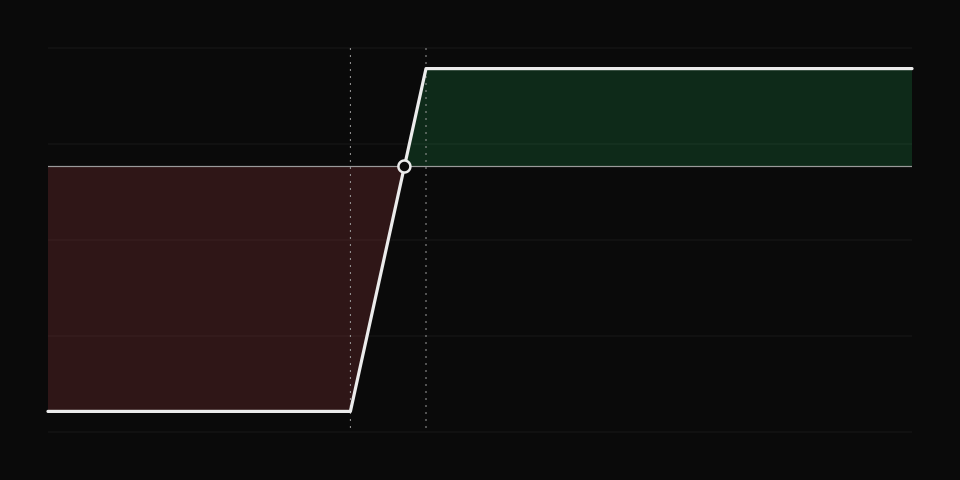
Example: stock at $100. Sell the $95 put for $4.00, buy the $88 put for $2.00. Net credit: $2.00 ($200).
Sell a call and buy a higher-strike call. You profit if the stock stays below the short strike. The calculations mirror the bull put spread: break-even is the short strike plus the credit.
Selling a put on its own has a much larger maximum loss. Adding the long put:
For many traders, the defined risk is worth the smaller credit. It makes position sizing straightforward: size by the maximum loss. See position sizing.
Credit spreads usually have:
So they can show a high win rate and still lose money overall if losses are not managed. Watch expectancy and profit factor, not just win rate.
A bull put spread and a bear call spread on the same underlying and expiration make an iron condor.
Credit spreads are grouped into one trade, and the risk profile shows the credit, maximum loss and break-even. Results by strategy in the reports show how your spreads perform over time.
How long straddles and strangles work, their costs and break-evens, how volatility affects them, and when traders choose one over the other.
What implied volatility is, how it relates to expected moves, IV rank and percentile, volatility crush after events, and how IV affects option strategies.
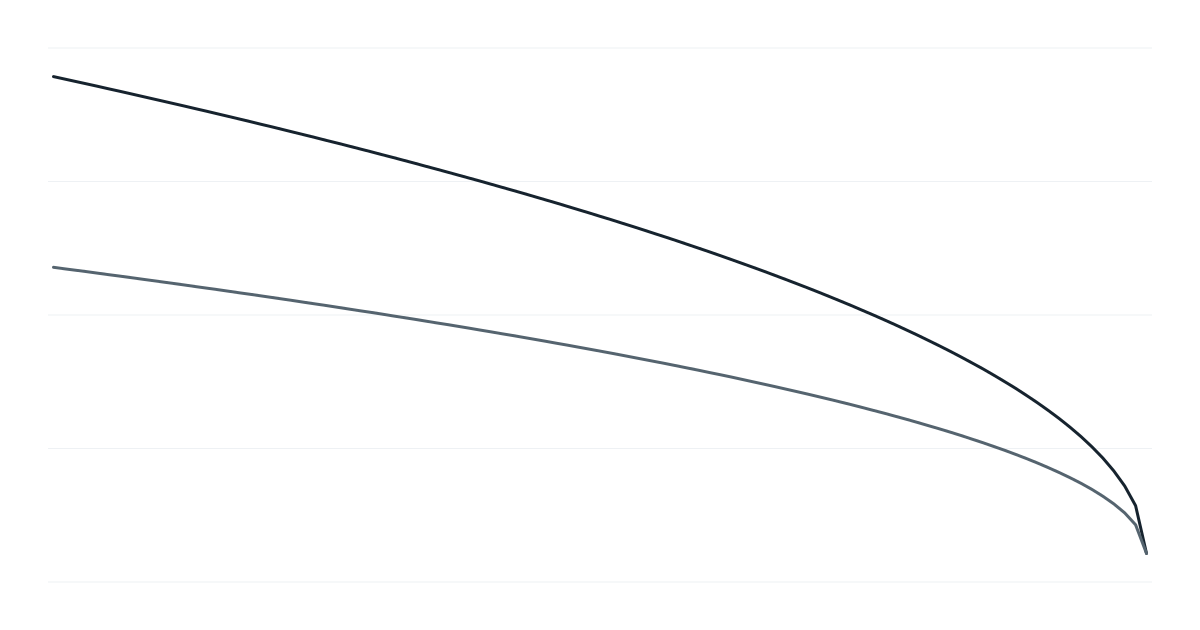
How theta and time decay work, why decay speeds up near expiration, how it affects long and short option positions, and how to use it in your strategy.