Options trading
The Covered Call: How It Works, Payoff, Risks and When to Use It
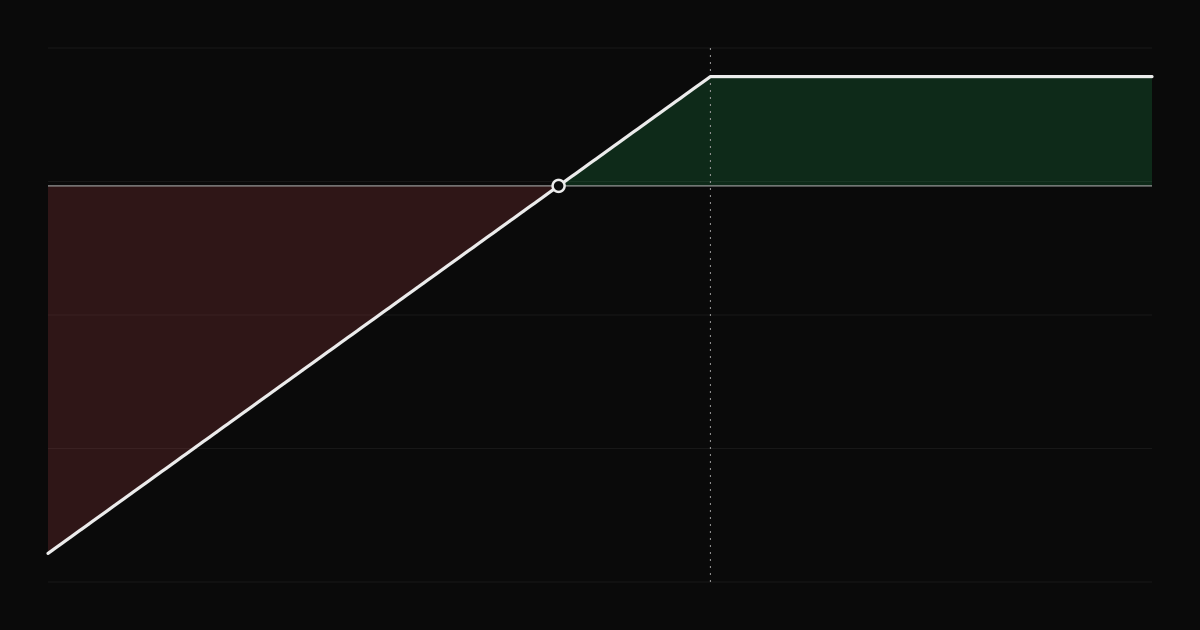
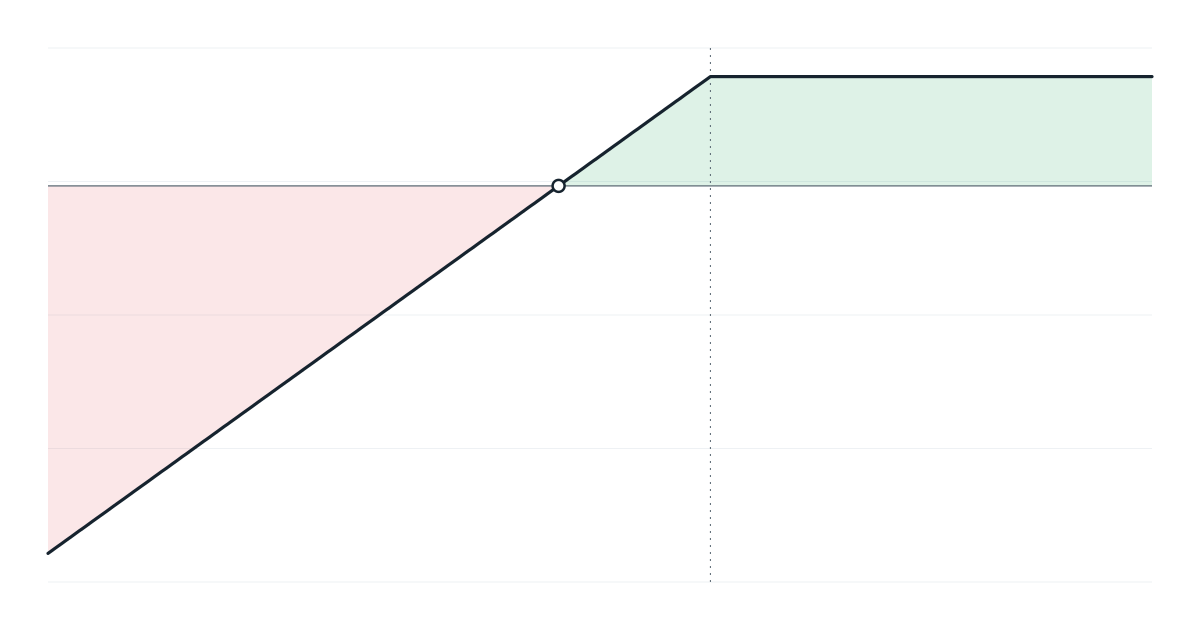
How a covered call works, its payoff at expiration, a worked example, the risks of assignment and capped upside, and how to track covered calls in a journal.
A plain-English guide to the option greeks: what delta, gamma, theta, vega and rho measure, how they change, and how traders use them to understand risk.
An option's price changes for several reasons at once: the stock moves, time passes, and expectations of volatility change. The greeks break that change into parts, so you can see which forces drive your position.
Delta estimates how much the option's price changes when the underlying moves by $1.
Example: a call with delta 0.40 on a stock that rises $2 gains about $0.80 in price, or $80 per contract with a 100 multiplier.
Delta is also used as a rough estimate of the probability an option finishes in the money, and as a measure of share-equivalent exposure: 10 calls with delta 0.40 behave like about 400 shares for small moves.
Gamma is the change in delta for a $1 move in the underlying. It is highest for at-the-money options close to expiration. High gamma means your exposure can change quickly, which works for long options holders and against short options sellers when the price moves sharply.
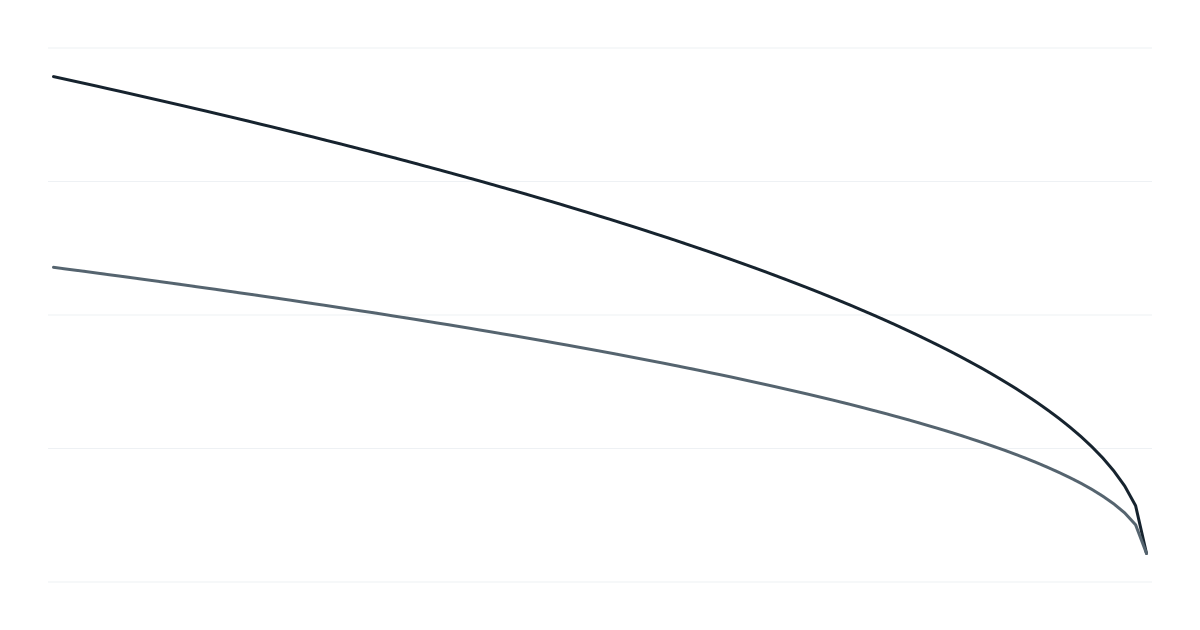
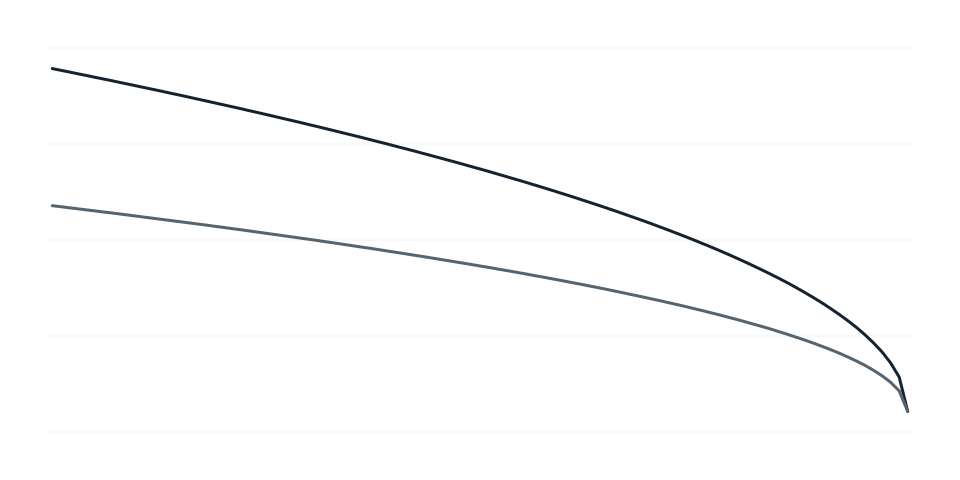
Theta estimates how much value an option loses per day, all else equal. Long options have negative theta; short options have positive theta. Time decay tends to accelerate as expiration approaches, especially for at-the-money options. See theta decay.
Vega estimates how much the option's price changes for a one percentage point change in implied volatility. Long options gain when implied volatility rises; short options gain when it falls. Longer-dated options have more vega.
Rho measures sensitivity to interest rates. It is usually the least important greek for short-term traders, but matters more for long-dated options.
Greeks add up across legs. A position's net delta, gamma, theta and vega describe how the whole trade behaves. An iron condor, for example, typically has near-zero delta, positive theta and negative vega: it profits from time passing and volatility falling, as long as the price stays in a range.
Greeks come from pricing models such as Black-Scholes and are estimates for small changes. For large moves, the risk profile chart is a better guide than any single greek.
The open positions page shows live delta, gamma, theta, vega and implied volatility for each option position, and the risk profile shows profit and loss across a range of underlying prices.
How a covered call works, its payoff at expiration, a worked example, the risks of assignment and capped upside, and how to track covered calls in a journal.
How selling a cash-secured put works, its payoff, a worked example with break-even and assignment, the risks, and how it compares with a covered call.
How an iron condor works, its four legs, maximum profit and loss, break-even prices, a worked example, and how to manage it before expiration.