Options trading
Credit Spreads: Bull Put and Bear Call Spreads for Income
How credit spreads work, how to calculate the credit, maximum loss and break-even, how they compare with naked options, and how to manage them.
How debit vertical spreads work, how to calculate maximum profit, maximum loss and break-even, and why traders use spreads instead of single options.
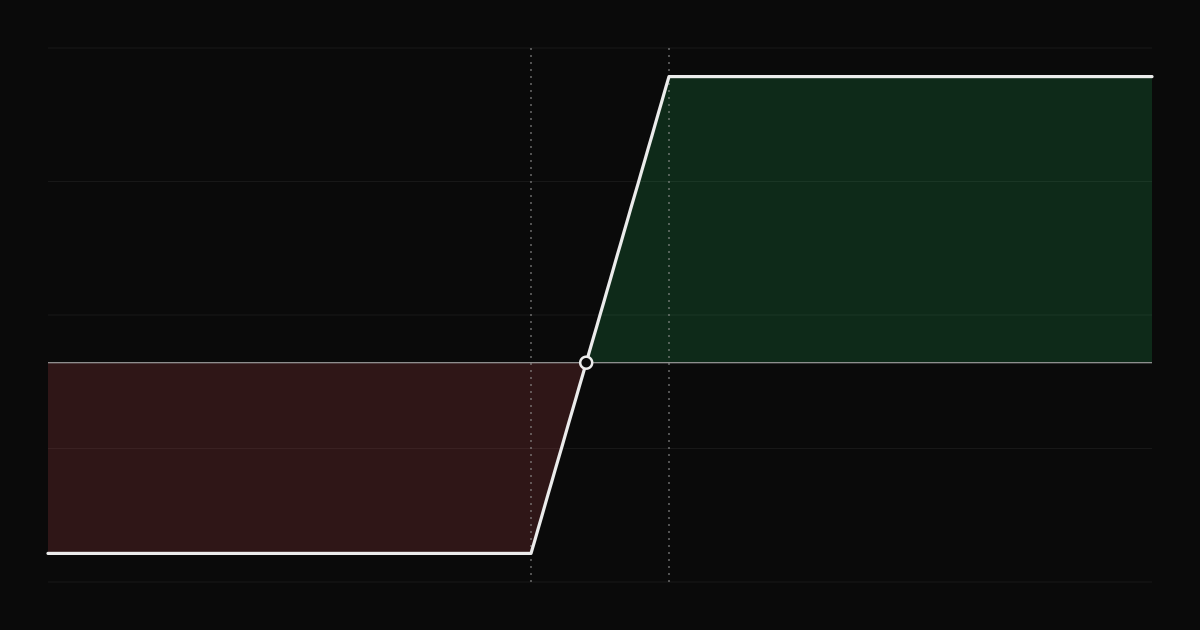
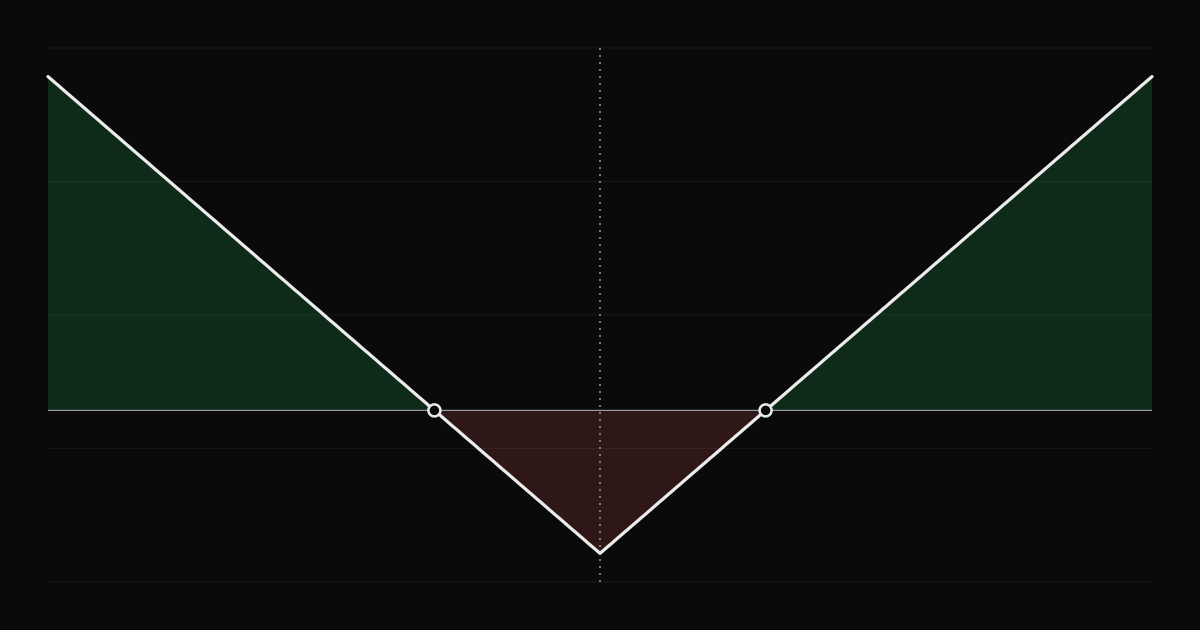
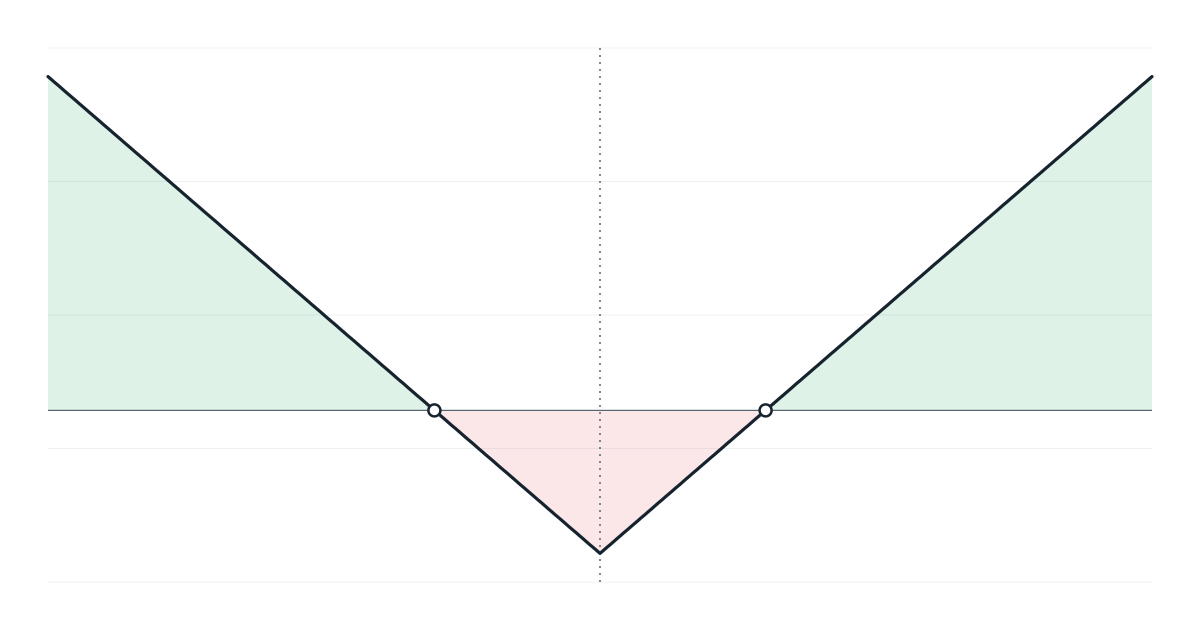
A vertical spread combines buying one option and selling another of the same type and expiration at a different strike. A debit spread costs money to open and profits from a move in your direction. It is a way to express a directional view with defined risk and a lower cost than buying a single option.
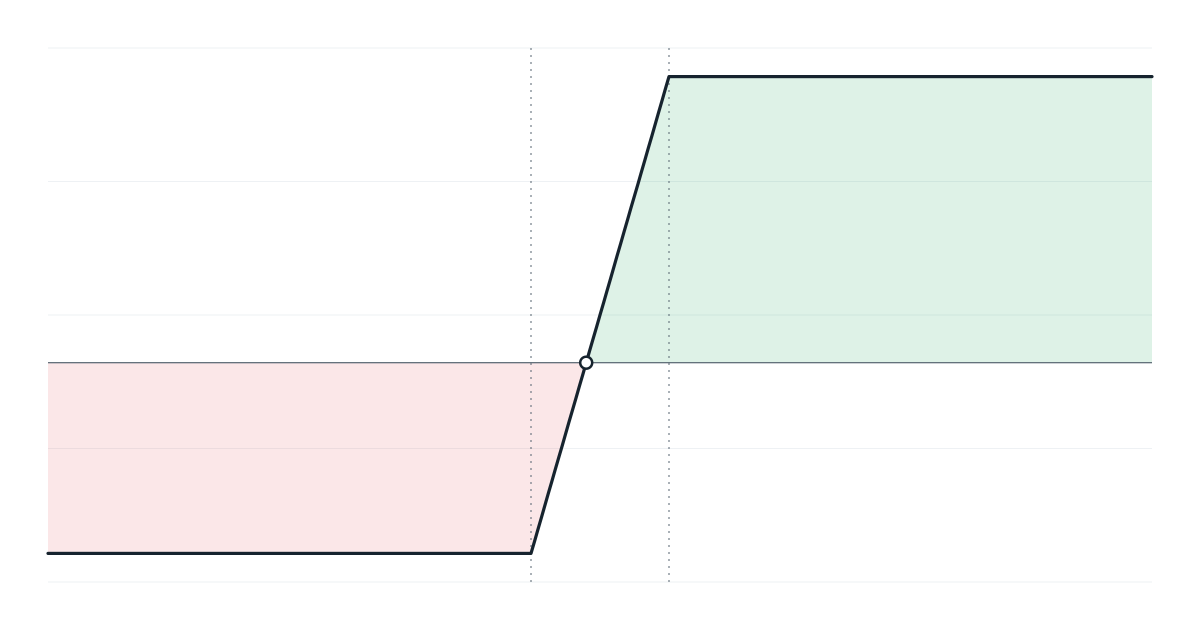
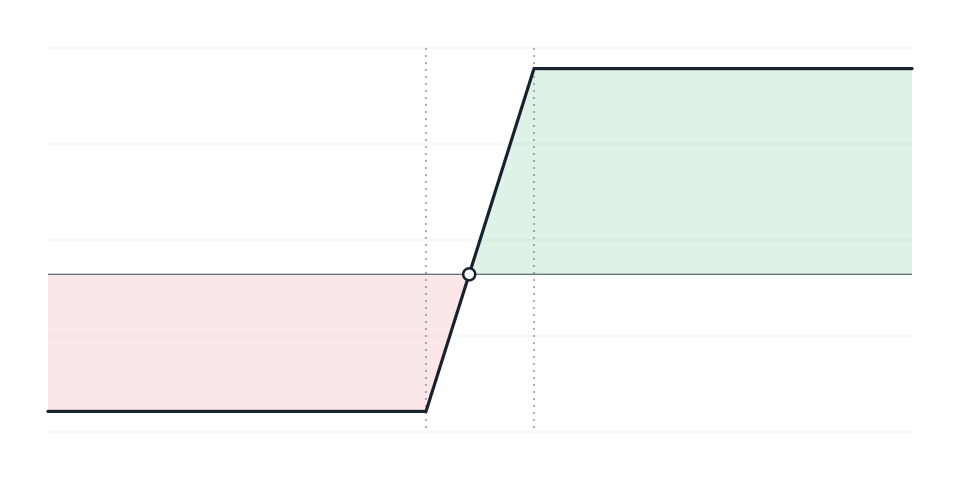
Buy a call at a lower strike and sell a call at a higher strike.
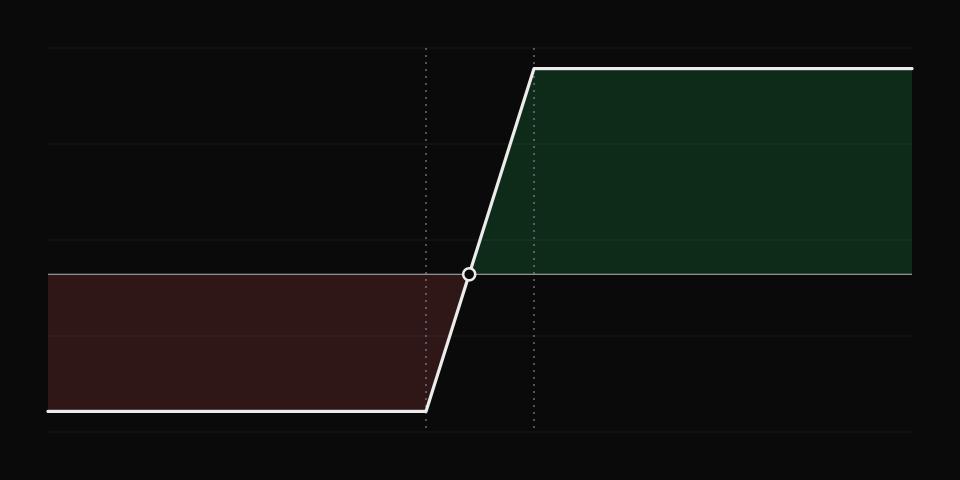
Example: stock at $97. Buy the $95 call for $7.00, sell the $105 call for $3.00. Net debit: $4.00 ($400).
The mirror image for a bearish view: buy a put at a higher strike and sell a put at a lower strike.
Example: buy the $105 put for $7.00 and sell the $95 put for $3.00. Net debit $4.00.
The trade-off is a capped profit. If the stock moves far beyond the short strike, a single option would have made more.
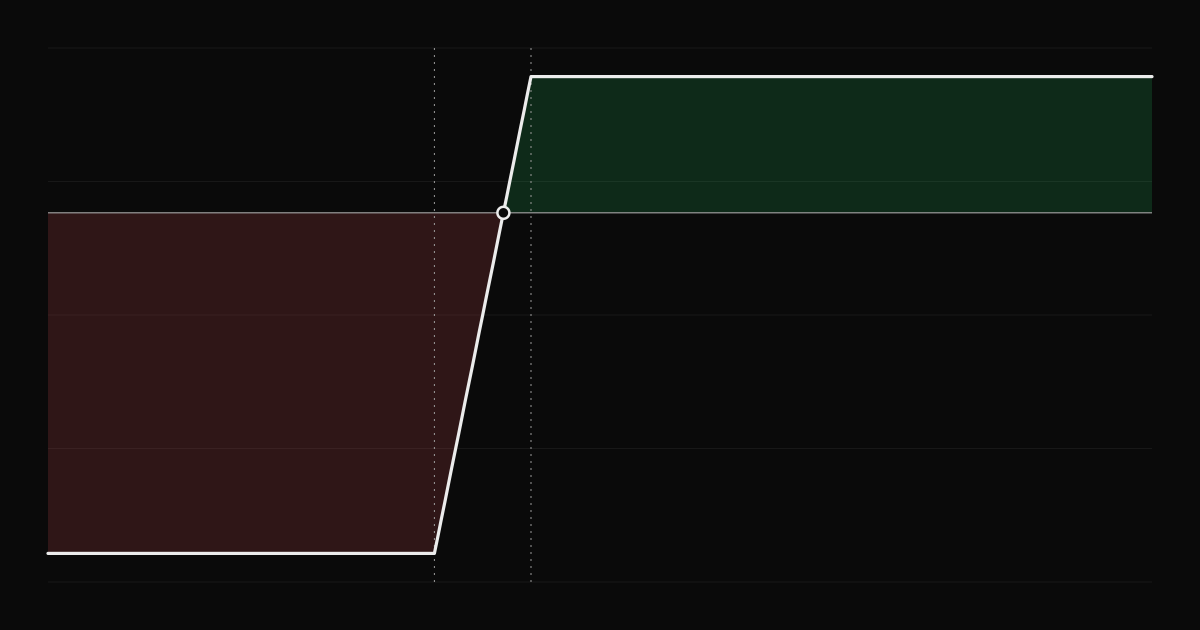
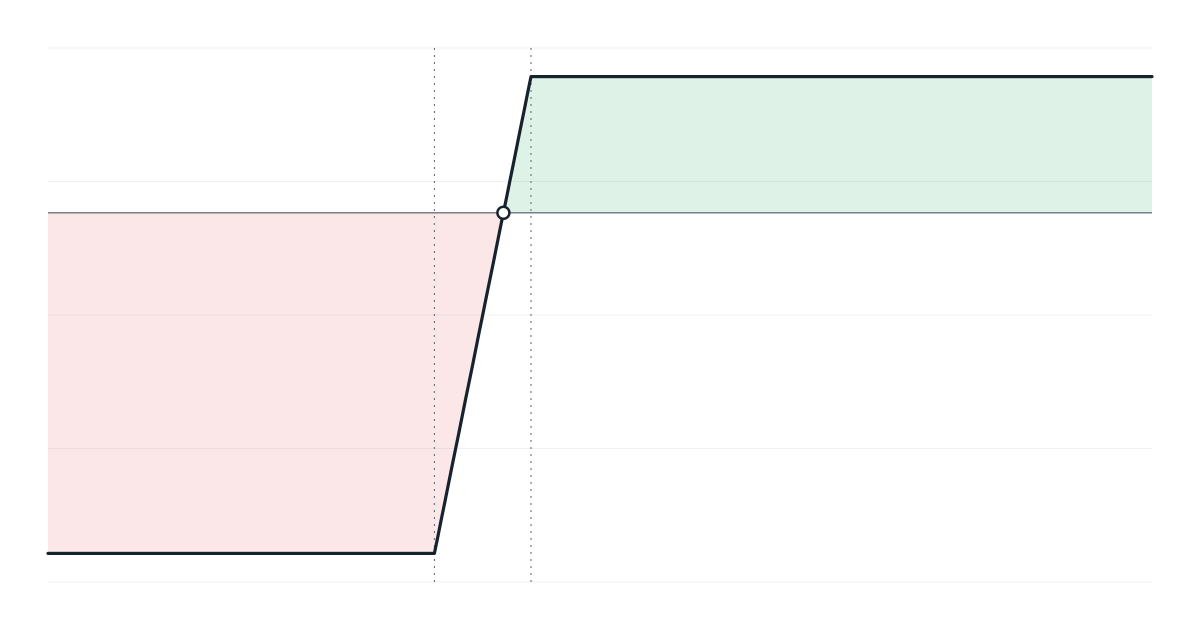
Selling the option closer to the money and buying the further one creates a credit spread, which profits if the price stays away from the short strike. See credit spreads.
Spreads are grouped as one trade with all legs, and the risk profile shows maximum profit, maximum loss, break-even and the payoff today and at expiration.
How credit spreads work, how to calculate the credit, maximum loss and break-even, how they compare with naked options, and how to manage them.
How long straddles and strangles work, their costs and break-evens, how volatility affects them, and when traders choose one over the other.
What implied volatility is, how it relates to expected moves, IV rank and percentile, volatility crush after events, and how IV affects option strategies.