Futures, forex and crypto
MT4 and MT5 Trading Journal: Analyze Your MetaTrader History
How to export your trading history from MetaTrader 4 and MetaTrader 5, what the built-in reports miss, and how to analyze forex and CFD trades in a journal.
What CFDs are, how they work, margin and leverage, overnight financing, the risks for retail traders, and how to track CFD trades from MT4, MT5 and other platforms.
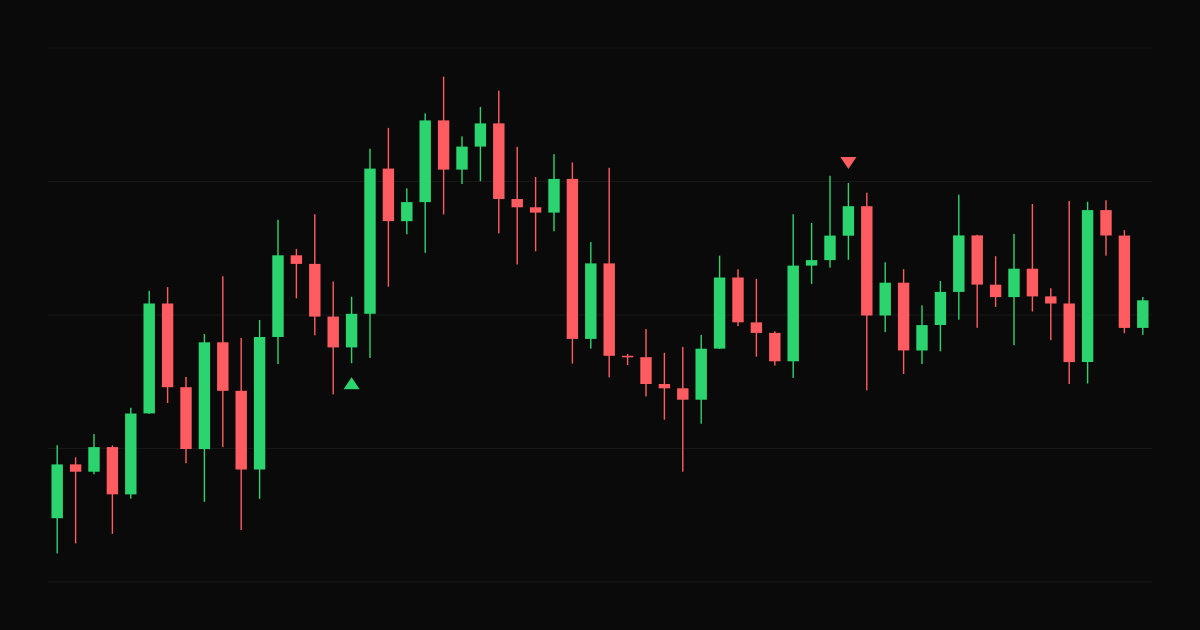
A contract for difference (CFD) is an agreement between you and a broker to exchange the difference in the price of an asset between the time you open and close the position. You never own the underlying share, index, commodity or currency. You only gain or lose based on its price change.
Example: you buy 10 CFDs on an index at 18,000 with a value of $1 per point per CFD, and close at 18,120. Profit: 120 points × 10 × $1 = $1,200, before spread and financing.
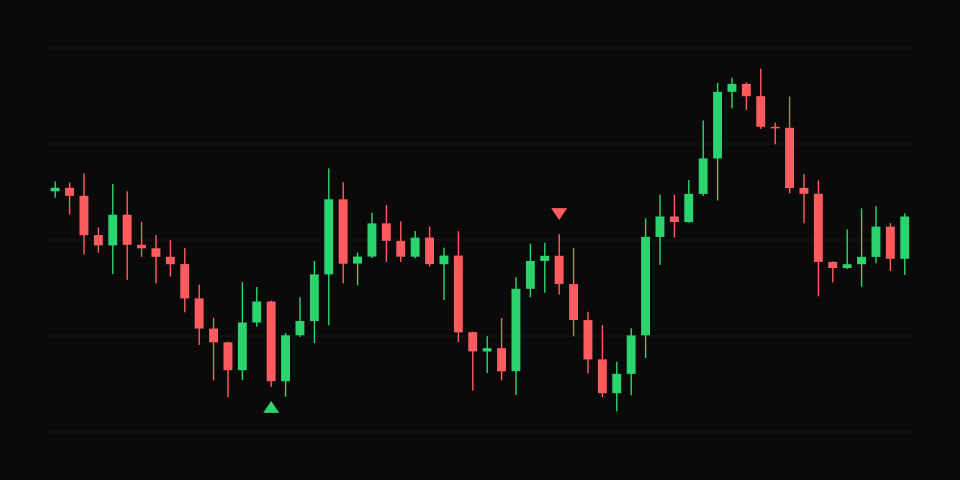
CFDs are leveraged and complex. Regulators require brokers in many regions to show the percentage of retail accounts that lose money trading CFDs, and these figures are often well above half. The European Securities and Markets Authority (ESMA) and national regulators such as the UK's FCA have introduced retail protections including leverage limits, margin close-out rules and negative balance protection.
Key risks:
CFDs are not available to retail traders in some countries, including the United States.
Many CFD traders use MetaTrader 4, MetaTrader 5, cTrader or broker platforms such as IG. TradeThink treats CFDs as their own asset class and can import CFD history from MT4, MT5, cTrader, IG and other CFD brokers, including commissions and swaps. See also journaling MT4 and MT5 trades.
How to export your trading history from MetaTrader 4 and MetaTrader 5, what the built-in reports miss, and how to analyze forex and CFD trades in a journal.
How to journal crypto trades across exchanges, handle fees paid in different coins, funding payments and 24/7 markets, and which metrics matter for crypto traders.
Why futures need to be rolled, how to identify the roll period, calendar spreads, the costs of rolling, and how rollover affects your charts and journal.