Risk management
The 1% Rule in Trading: Does It Still Make Sense?
The 1% rule says to risk no more than 1% of your account per trade. Learn the math behind it, when 2% or 0.5% may fit better, and how it protects you from ruin.
A step-by-step guide to position sizing for stocks, options and futures: the fixed-risk formula, worked examples, and the mistakes that make good strategies lose money.
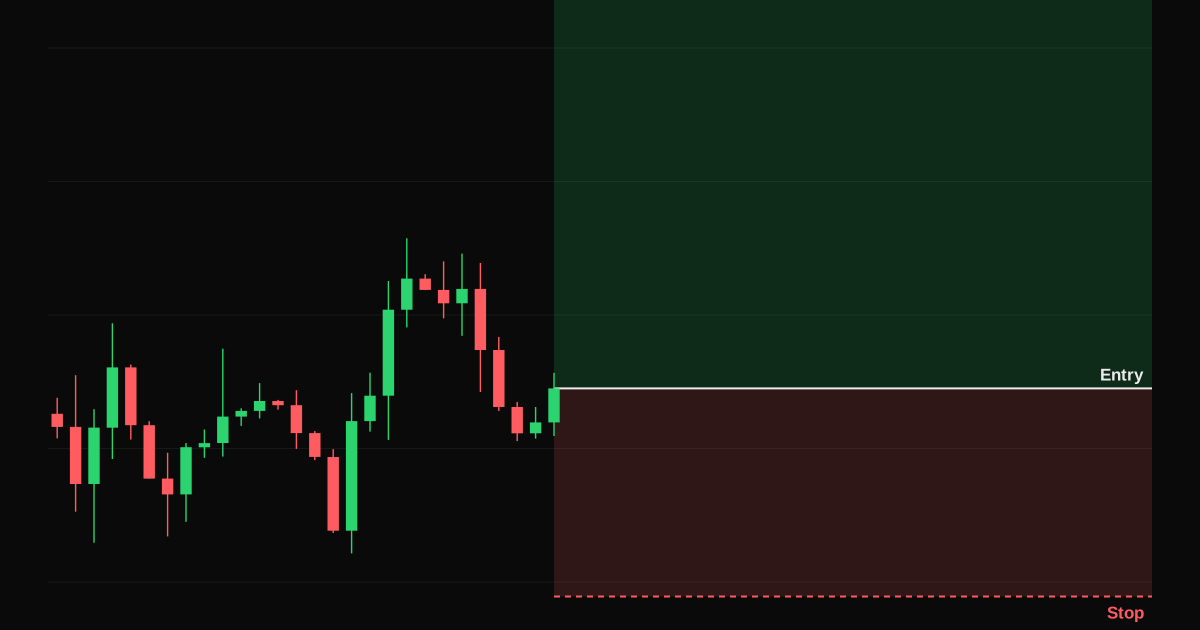
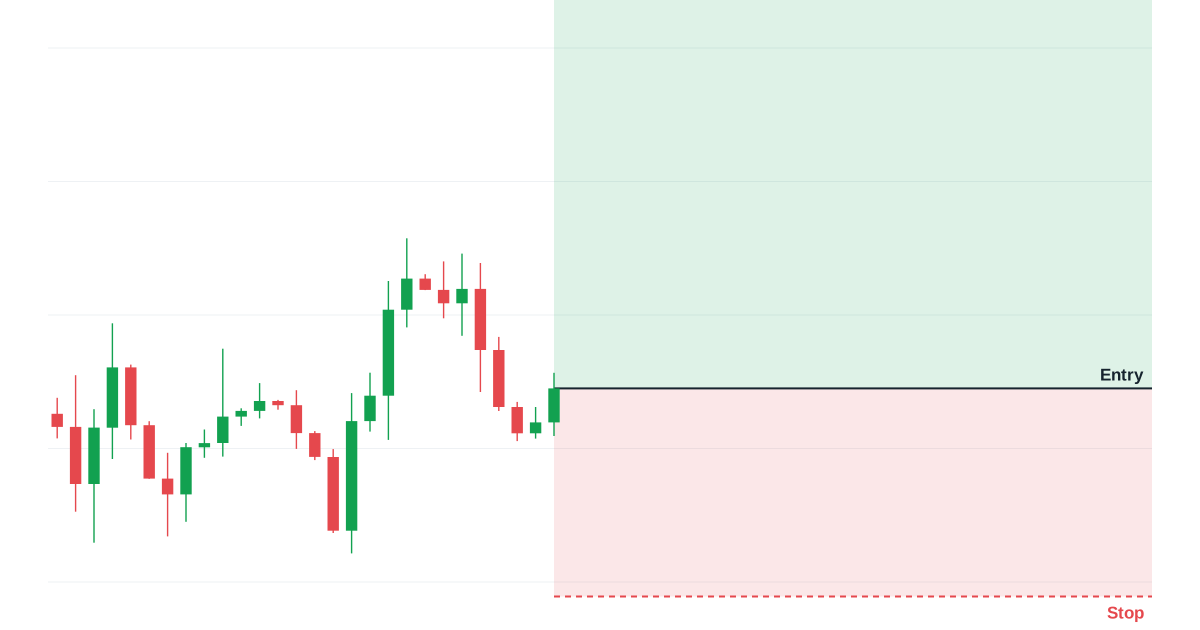
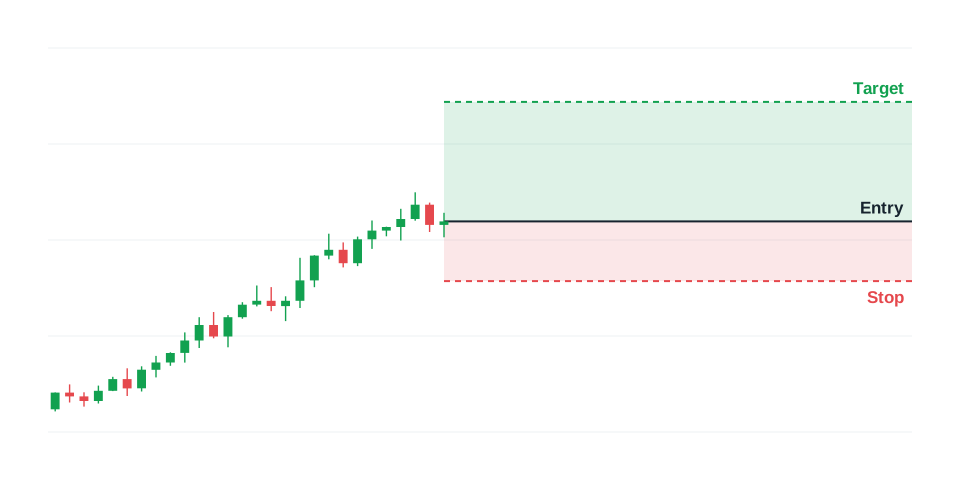
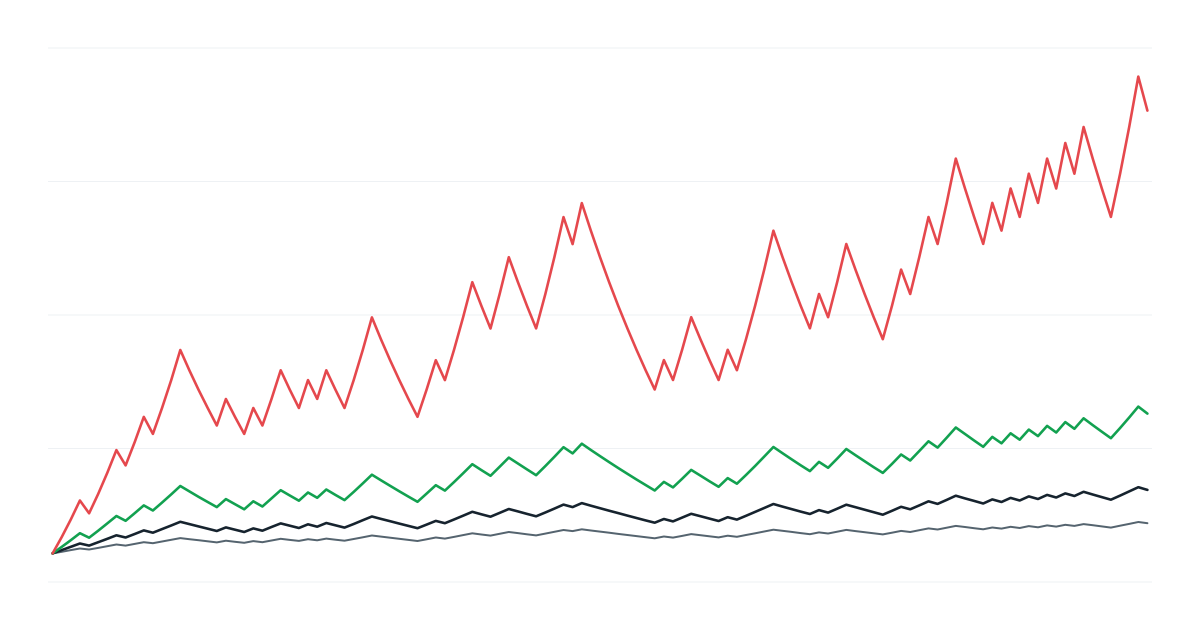
Two traders take the same trade with the same entry and stop. One risks 1% of the account, the other 10%. After a string of losses, one is fine and the other is finished. Position sizing decides how much you can lose, and it matters at least as much as your entries.
The most common method is to risk a fixed share of your account on each trade:
Position size = (Account × Risk %) ÷ (Entry − Stop)
Where:
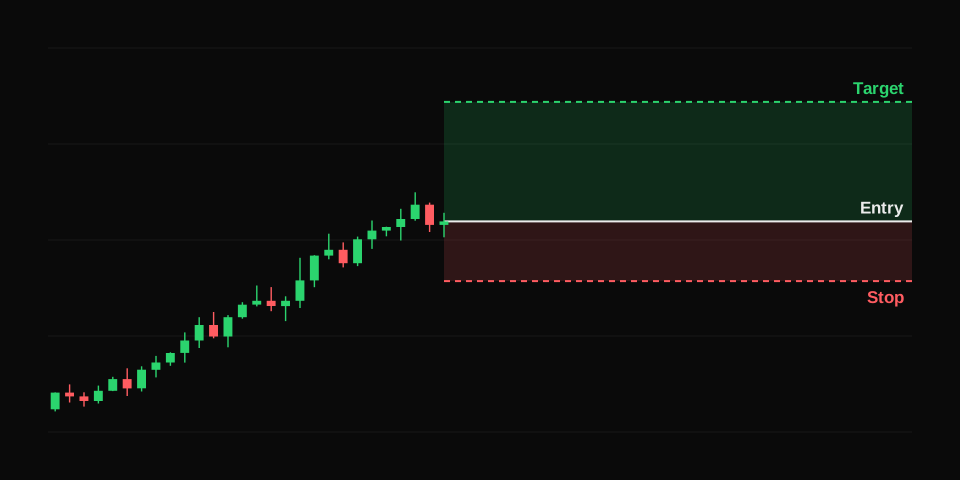
Size = $500 ÷ $1.50 = 333 shares.
If the stop is hit, you lose about $500, plus fees and any slippage. Notice that the size changes with the stop distance: a tighter stop allows more shares, a wider stop fewer. The dollar risk stays the same.
For futures, use the value of a point or tick. For example, an E-mini S&P 500 contract is worth $50 per index point, and a Micro E-mini is $5 per point.
Micro contracts make precise sizing much easier on smaller accounts. See micro futures.
For long options, the maximum loss is usually the premium paid, so you can size by premium: with $500 of risk and an option costing $2.50 ($250 per contract with a 100 multiplier), you could buy 2 contracts. For spreads, use the maximum loss of the spread. The risk profile shows it at a glance.
Doing this arithmetic while price is moving leads to mistakes. Our free Position Calculator works out shares or contracts from your account, risk and stop. In TradeThink, every trade's R-multiple is calculated from your planned risk, so you can check whether your sizing is consistent.
The 1% rule says to risk no more than 1% of your account per trade. Learn the math behind it, when 2% or 0.5% may fit better, and how it protects you from ruin.
How to place a stop loss using structure, volatility, percentage, time and indicators, with the pros and cons of each and the common mistakes to avoid.
What the risk-reward ratio means, the break-even win rate for each ratio, and why a high ratio alone does not make a strategy profitable.