Futures, forex and crypto
Futures Rollover: When and How to Roll Your Contracts
Why futures need to be rolled, how to identify the roll period, calendar spreads, the costs of rolling, and how rollover affects your charts and journal.
How to journal crypto trades across exchanges, handle fees paid in different coins, funding payments and 24/7 markets, and which metrics matter for crypto traders.
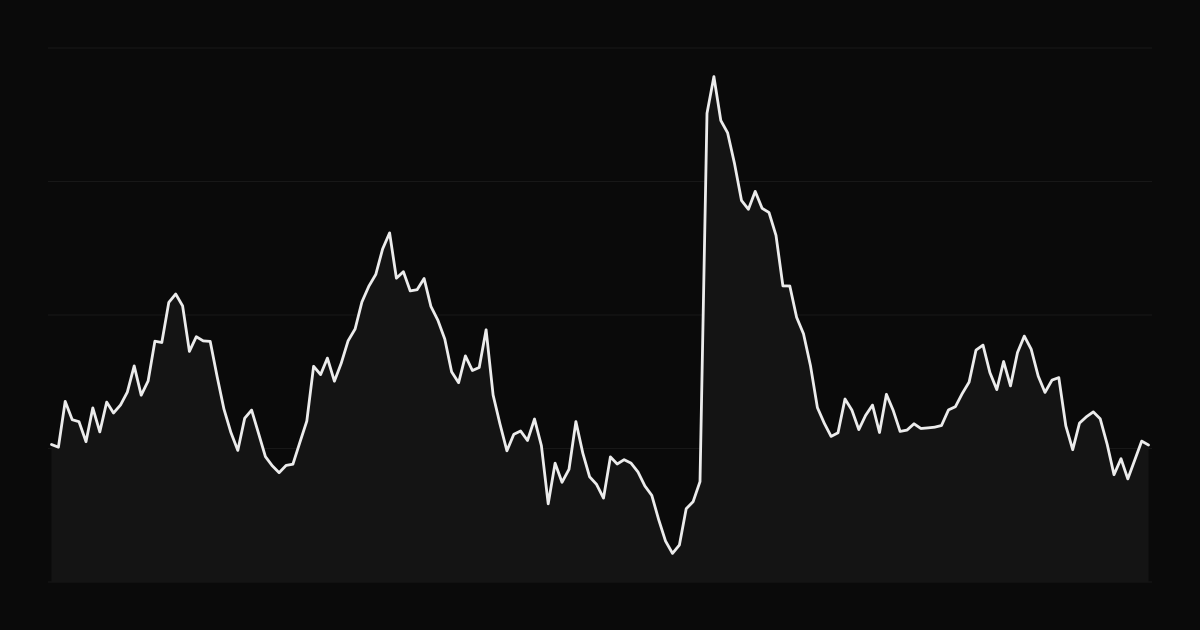
Crypto markets trade every hour of every day, across many exchanges, with spot, futures and perpetual contracts. That makes journaling both more important and more complicated than for stocks.
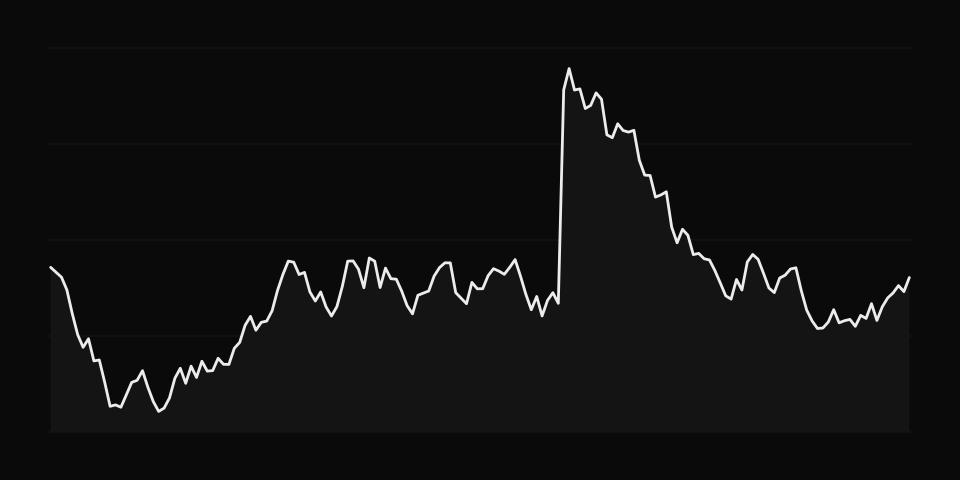
Pick a daily cut-off, such as midnight UTC or midnight in your time zone, and use it consistently for daily P&L and your calendar. Without it, daily statistics are ambiguous.
Because volatility varies so much, fixed position sizes give wildly different risk. Use your stop distance or ATR to size each trade. See ATR stop loss.
In many countries, crypto trades are taxable events, including swaps between coins. Keep complete records from every exchange. See trading records to keep.
TradeThink imports from Coinbase, Binance, Kraken, Bybit and OKX, and can sync automatically with supported exchanges using read-only API keys. Crypto appears as its own asset class, so you can compare it with the rest of your trading.
Why futures need to be rolled, how to identify the roll period, calendar spreads, the costs of rolling, and how rollover affects your charts and journal.
The Sydney, Tokyo, London and New York forex sessions, when they overlap, how volatility changes through the day, and how to find the session that suits you.
How funded trader and prop firm evaluations typically work, the common rules on daily loss, trailing drawdown and consistency, and how to track them so you do not fail on a technicality.