Trading psychology
Revenge Trading: How to Recognize It and Stop It Before It Costs You
What revenge trading is, why it happens after a loss, the warning signs, and practical rules that stop one bad trade from turning into a bad day.
Your worst trading days often follow your best ones. Learn why overconfidence sets in after a big win and how to protect your gains.
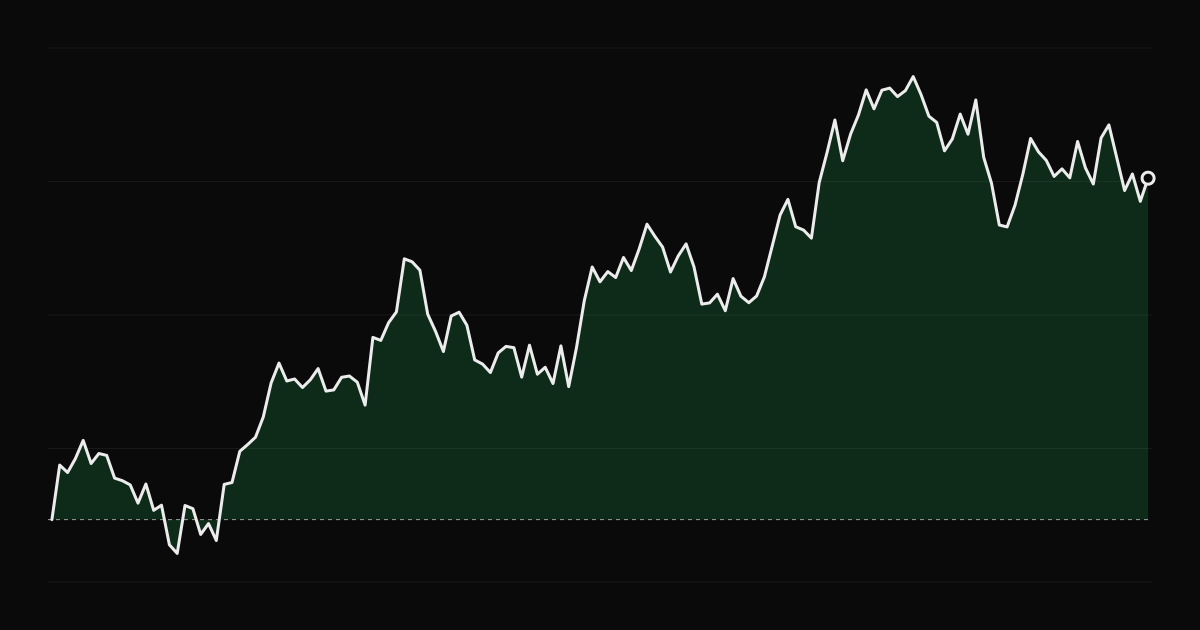
A big winning day feels like proof you have figured it out. The next morning, you size up, take trades you would normally skip, and give back a large part of the gain. If that pattern sounds familiar, you are not alone. Overconfidence after a win is one of the most common patterns in trading journals.
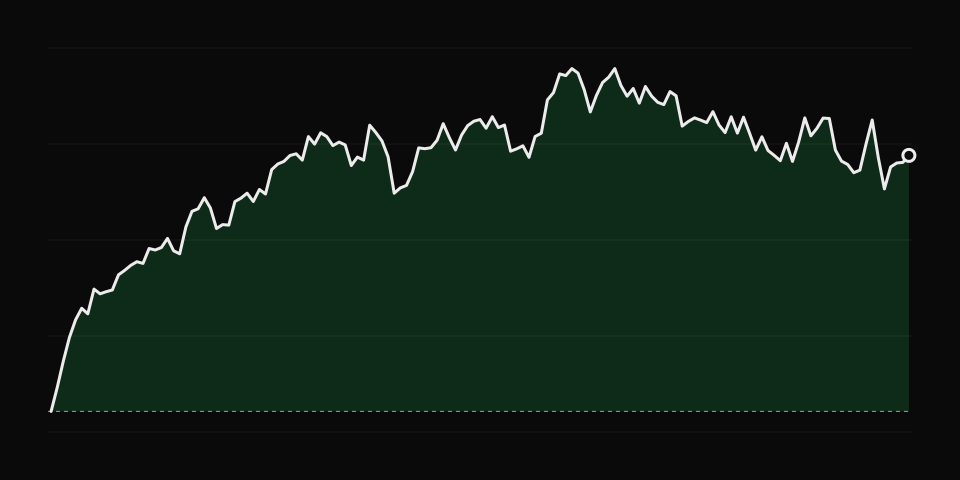
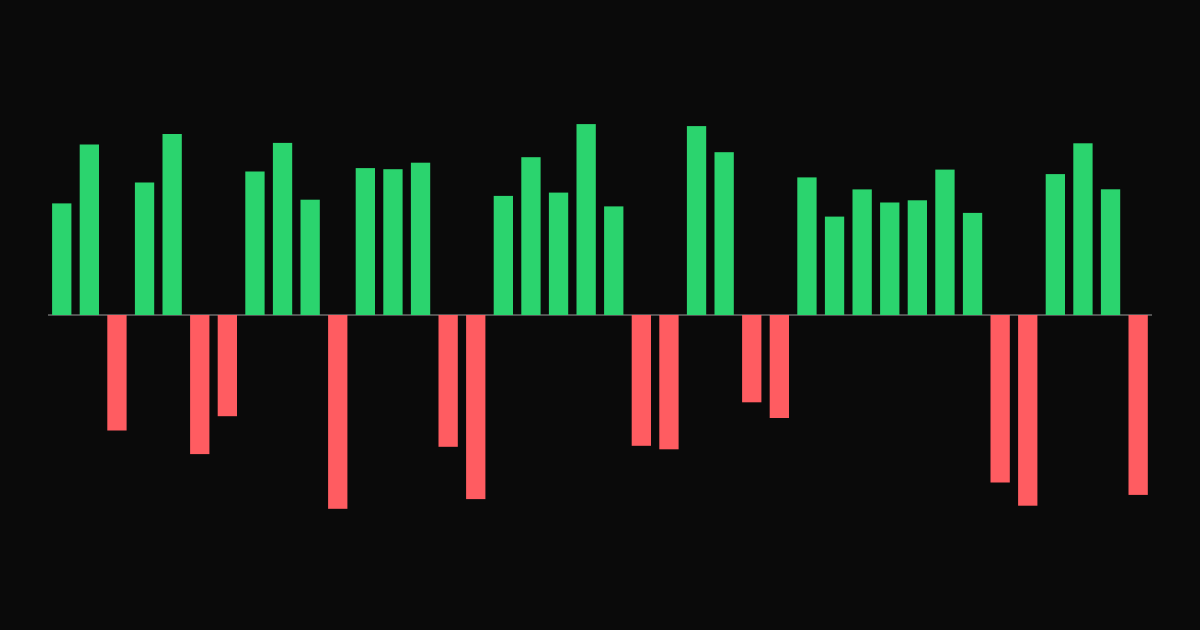
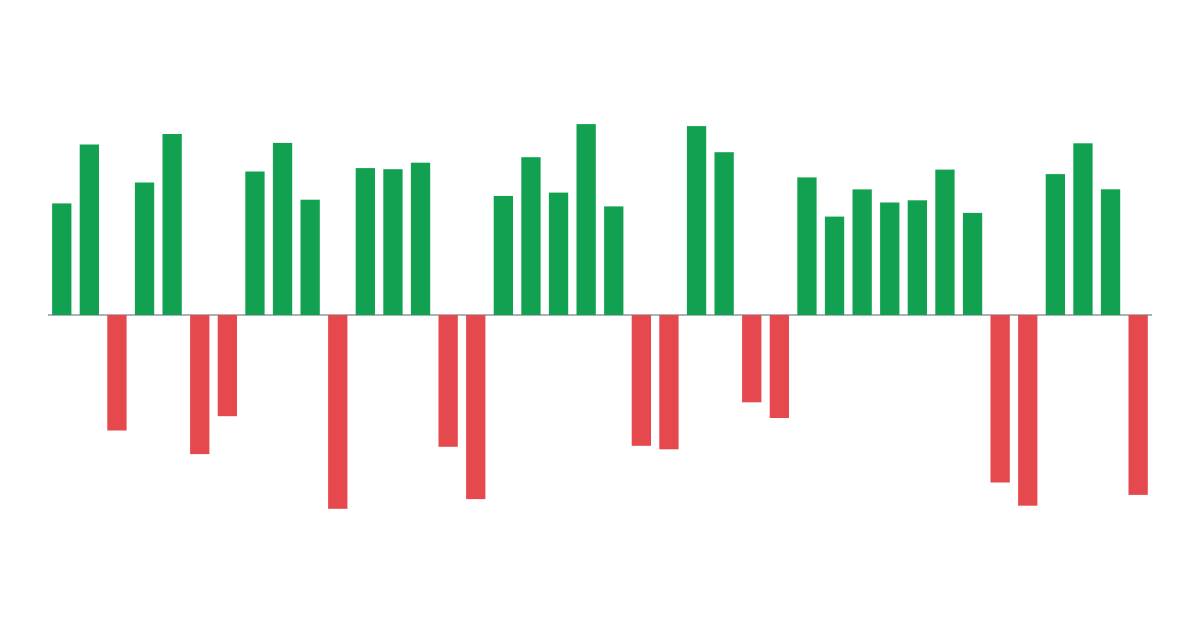
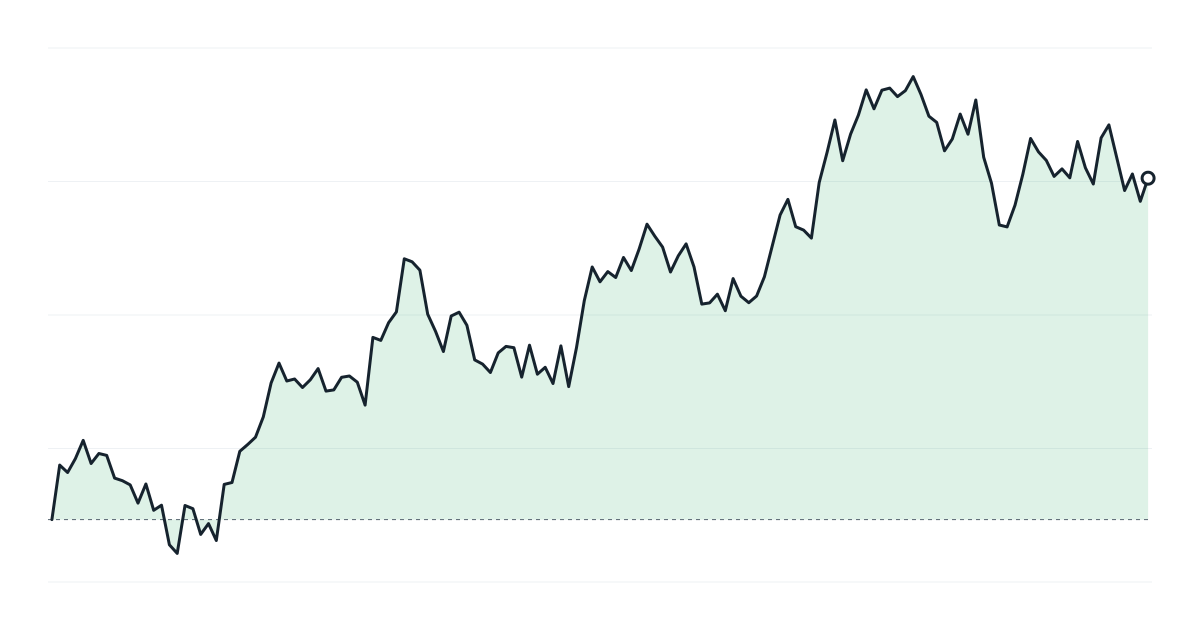
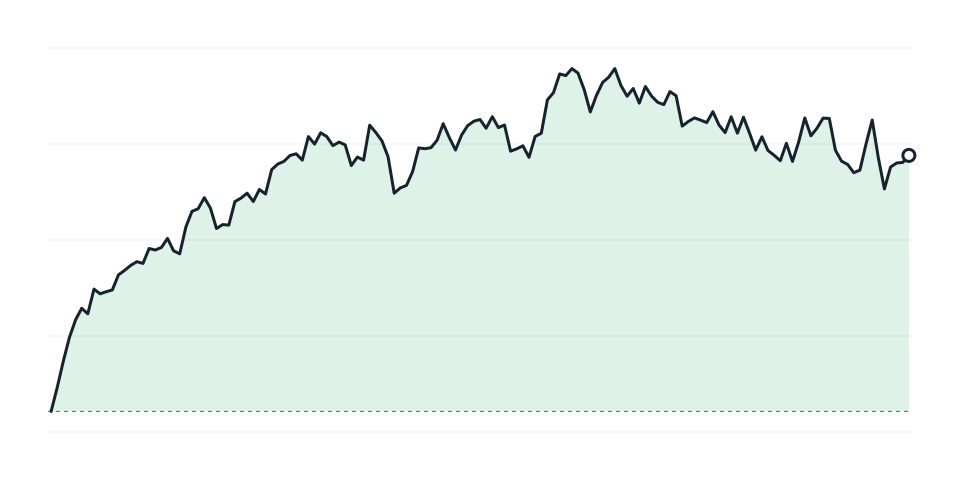
Look at what happens after your best days. In your calendar, find your ten best days and look at the following day. Is the next day's average P&L worse than your normal day? Do you take more trades? See the trading calendar heatmap. If there is a pattern, you now have a rule to write.
Treat your best day the way you treat your worst: review it, ask whether the process was good, and ask what was luck. A big win from a well-executed plan is a reason to keep doing what you did, not to do more of it. See process vs outcome.
The calendar makes it easy to look at the day after your best days, and the daily journal records mood before and after each session, including "overconfident". The journal insights compare your results by mood over time.
What revenge trading is, why it happens after a loss, the warning signs, and practical rules that stop one bad trade from turning into a bad day.
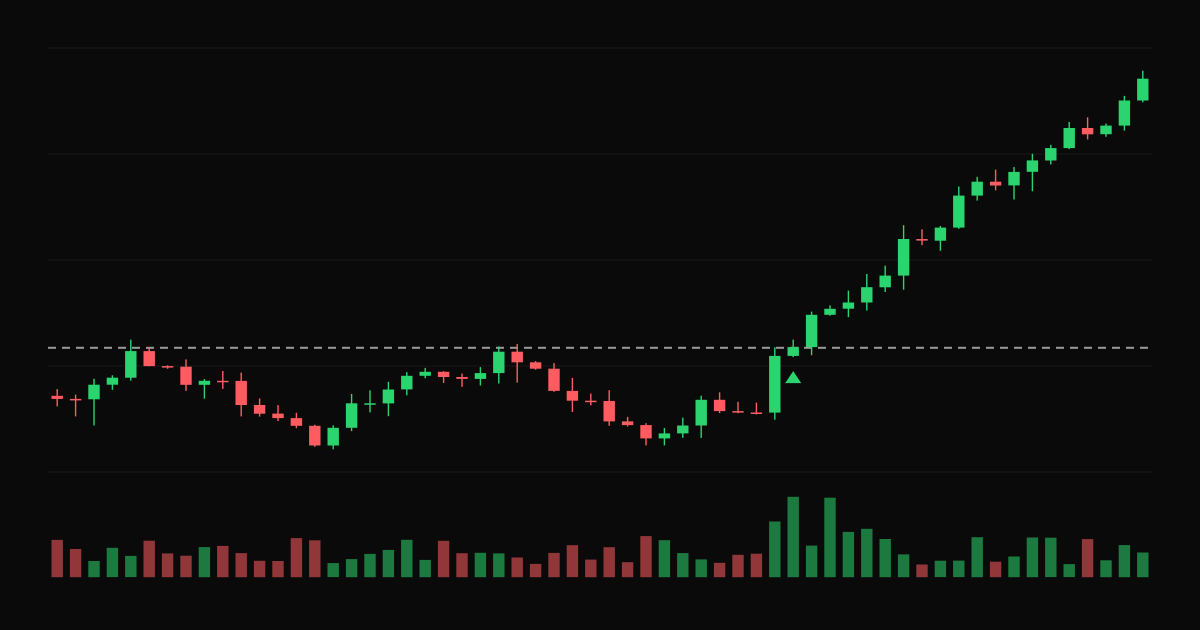
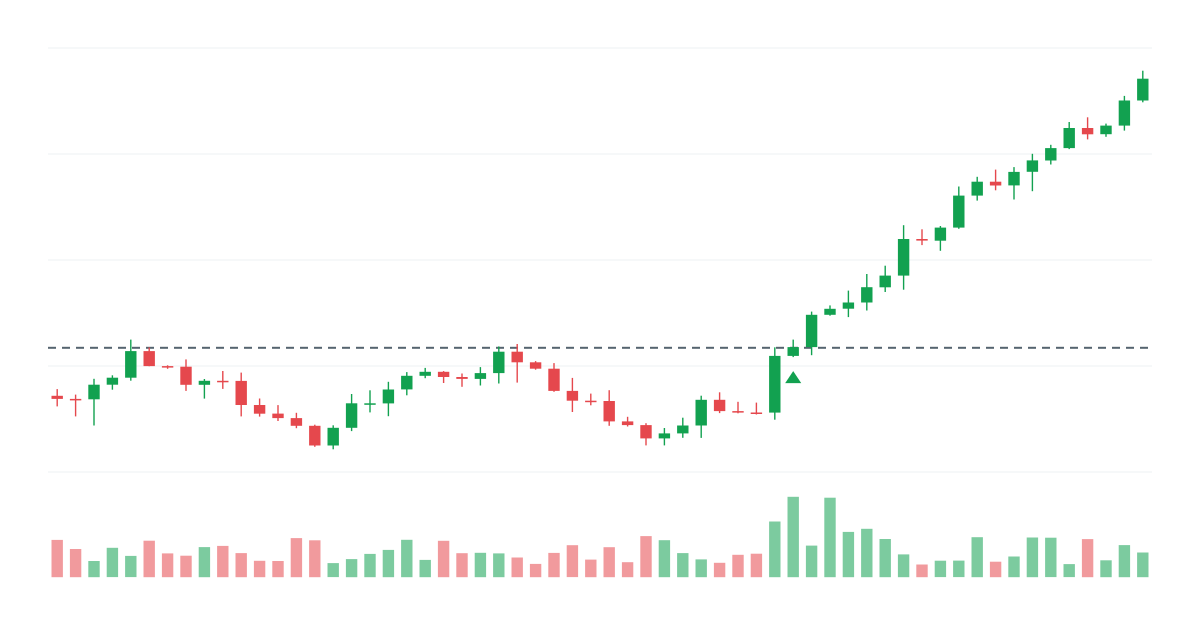
Fear of missing out makes traders chase entries, skip their plan and buy tops. Learn the signs of FOMO and practical ways to trade calmly when a move takes off without you.
How to tell if you are overtrading, why more trades often means lower profits, and practical limits that keep you focused on your best setups.