Trading psychology
Overtrading: 7 Signs You Trade Too Much and How to Fix It
How to tell if you are overtrading, why more trades often means lower profits, and practical limits that keep you focused on your best setups.
Fear of missing out makes traders chase entries, skip their plan and buy tops. Learn the signs of FOMO and practical ways to trade calmly when a move takes off without you.
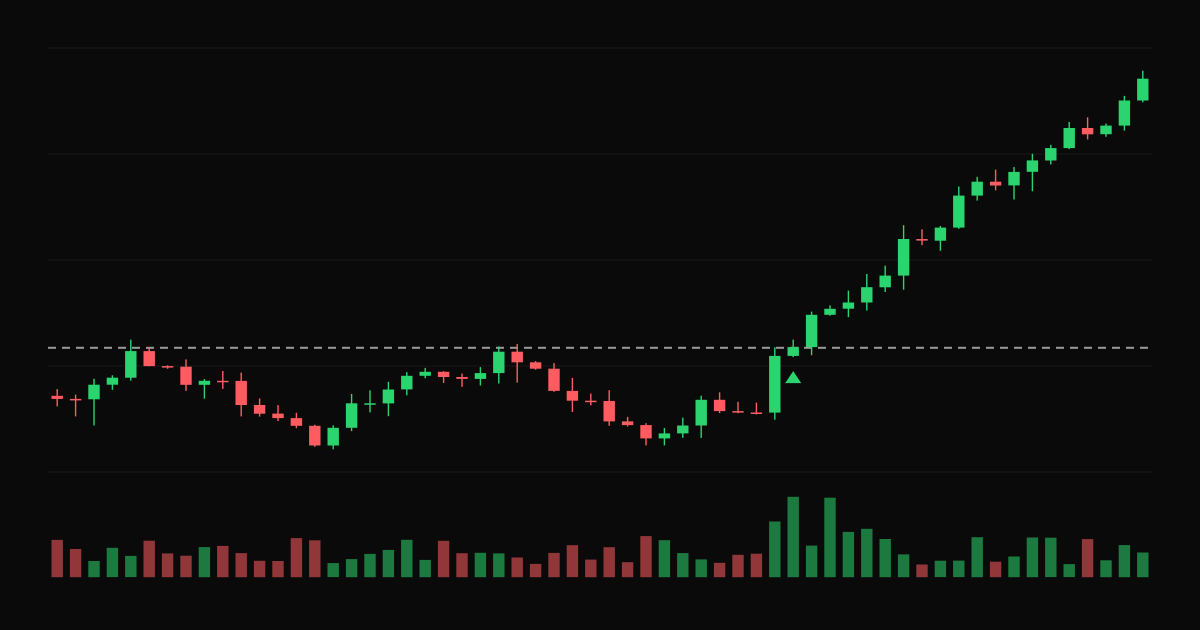
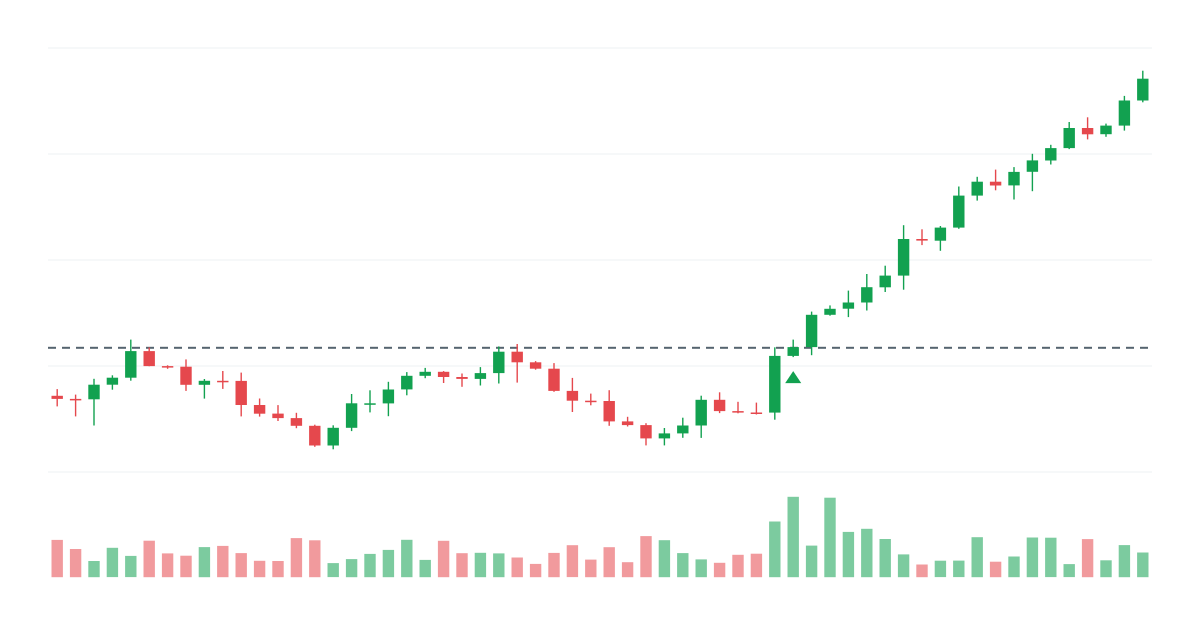
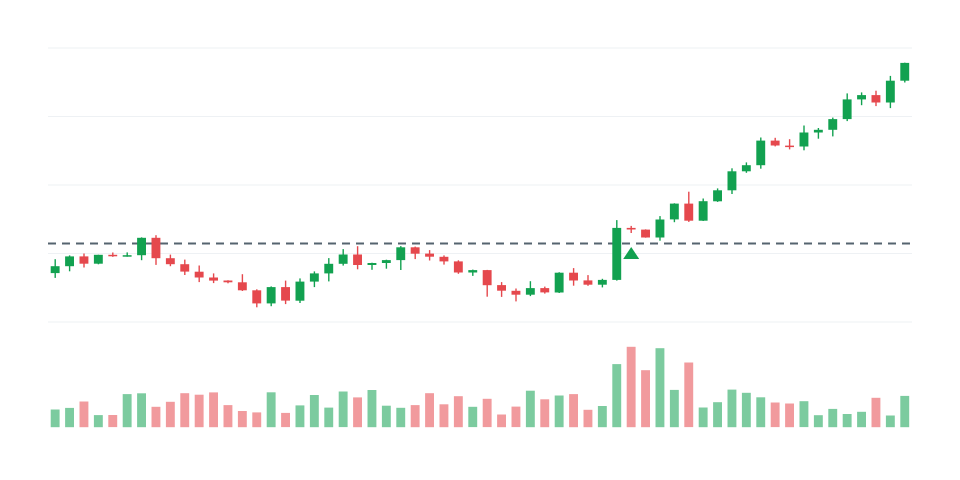
A stock breaks out without you. It is up 3%, then 5%. Every tick higher feels like money you are losing. You buy, near the high, without a stop planned, and it reverses. Fear of missing out is one of the most common reasons traders enter late and at poor prices.
Chasing changes the math of a trade:
A setup that has a good risk-reward ratio at the planned entry can have a terrible one 3% higher.
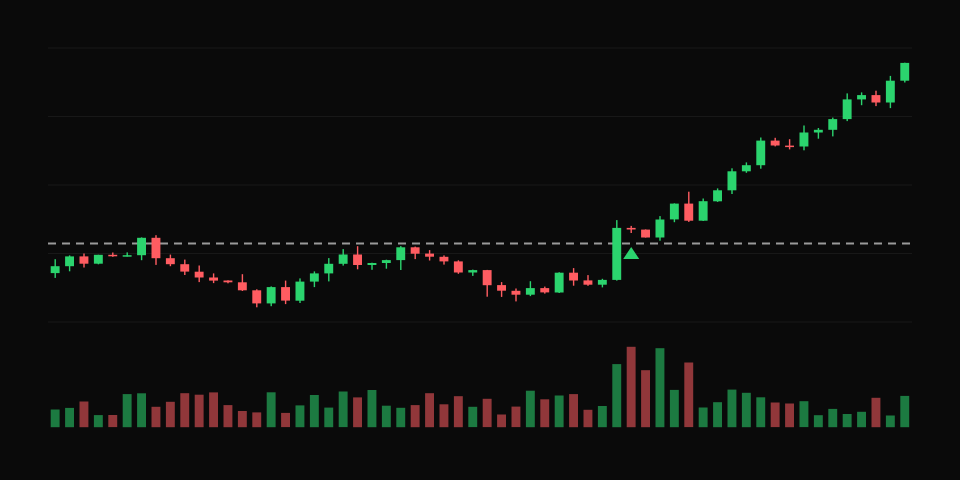
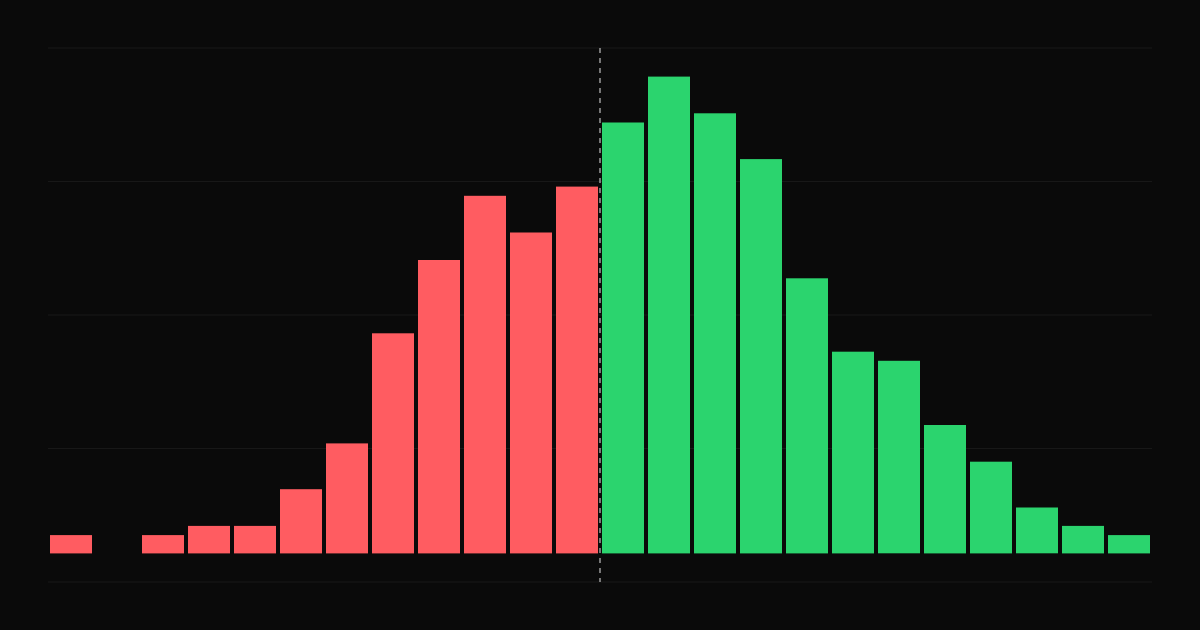
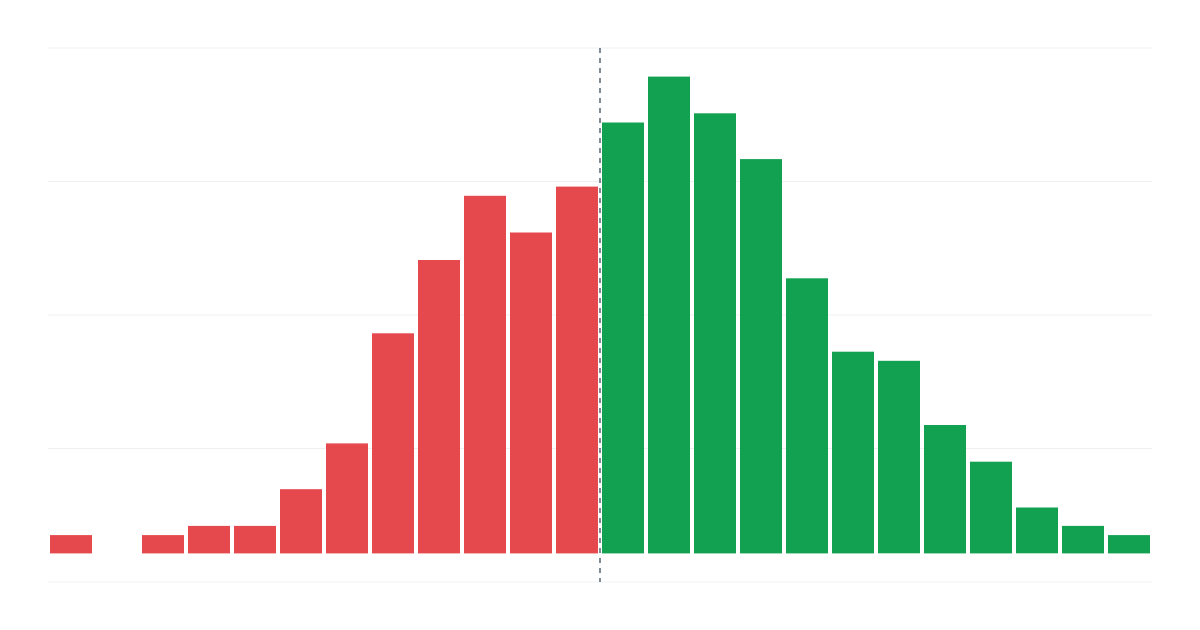
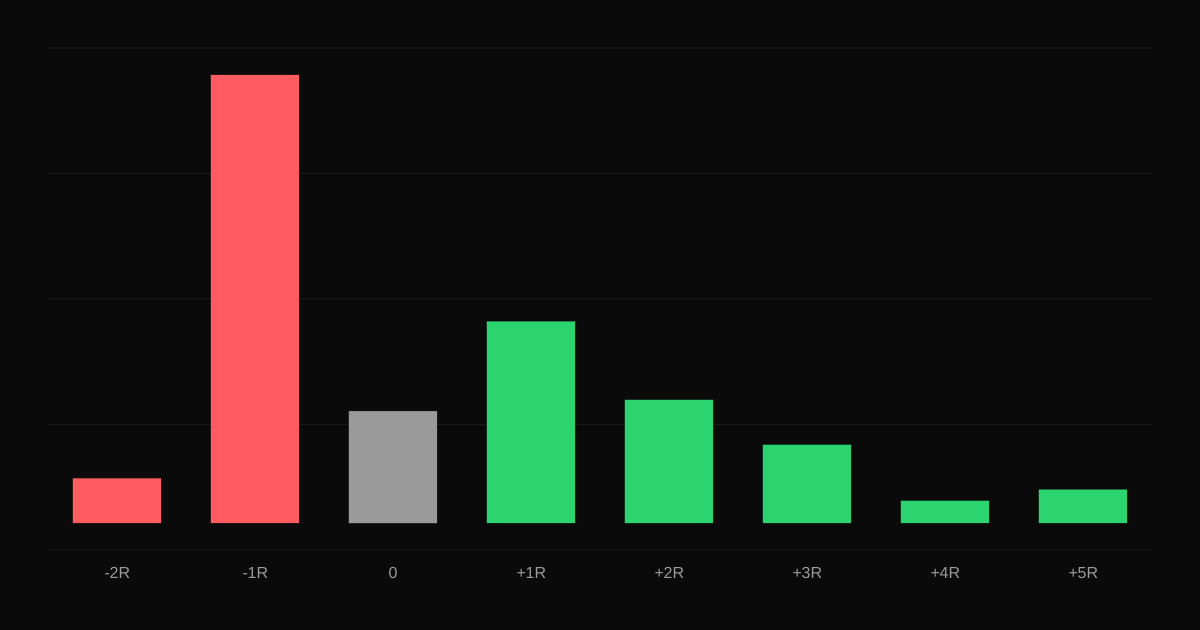
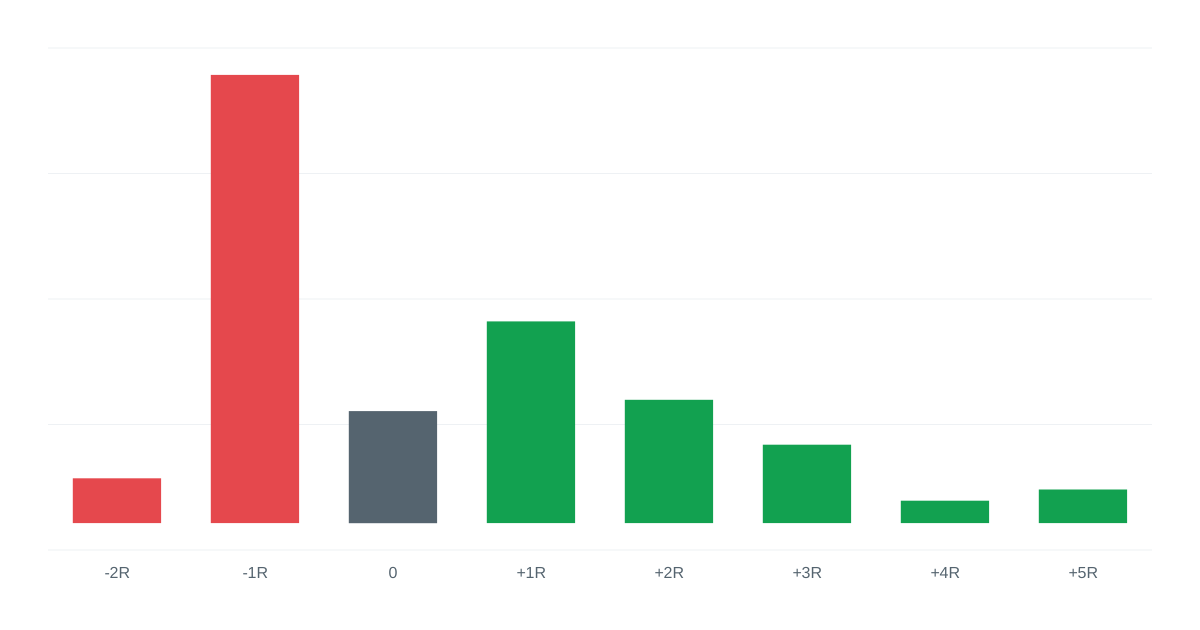
Tag chased entries in your journal. After a month, compare the average R of chased trades with planned ones. For most traders, chased entries have clearly negative expectancy, and seeing that number makes the next missed move much easier to let go.
Write "FOMO" as your mood when you feel it, even if you do not trade. TradeThink's daily journal includes FOMO in its mood list, and its insights compare your results on days with and without it. Related: overtrading and revenge trading.
How to tell if you are overtrading, why more trades often means lower profits, and practical limits that keep you focused on your best setups.
Loss aversion makes traders hold losers and sell winners too early. Learn how this bias shows up in your trades and how to counter it with rules and data.
Taking profits too soon is one of the most common reasons traders with a good win rate still lose money. Here is how to diagnose it and fix it with exit rules.