Overtrading: 7 Signs You Trade Too Much and How to Fix It
How to tell if you are overtrading, why more trades often means lower profits, and practical limits that keep you focused on your best setups.
By the TradeThink team··3 min read
More trades feels like more opportunity. For most traders it means more fees, more mistakes and lower-quality setups. Overtrading is one of the easiest problems to spot in a trading journal, and one of the most profitable to fix.
Seven signs of overtrading
Your number of trades varies wildly from day to day without a clear reason in the market.
Your worst days have the most trades. Check this in your journal. It is very common.
Many trades have no setup tag, or the setup is vague.
You trade out of boredom, often in slow midday markets.
You feel you must be in a position to be "working".
Your average trade is shrinking: more trades, similar total P&L.
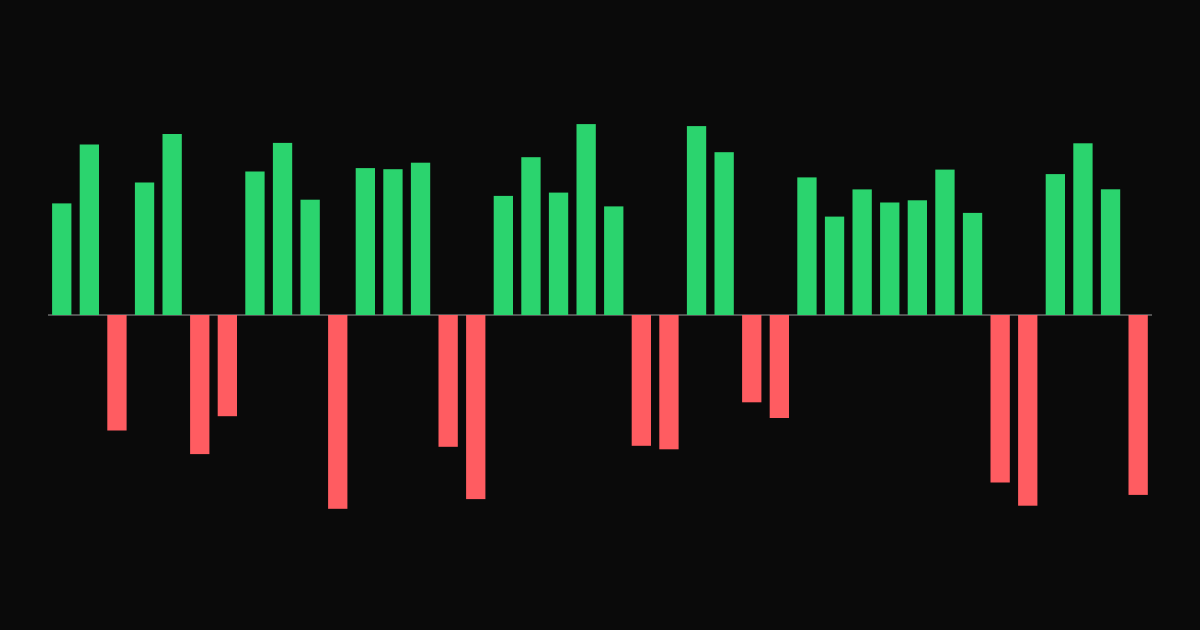
A day with many small trades. Each one looks harmless; together they add up.
Why it hurts results
Quality drops. Your best setups do not appear twenty times a day. Extra trades are, by definition, lower quality.
Costs add up. Commissions, spreads and slippage are paid on every trade.
Decision fatigue. Each trade uses attention, and the later trades of the day are made with less of it.
Emotional swings. More trades mean more small losses and more chances for tilt.
Check it in your data
Look at two things:
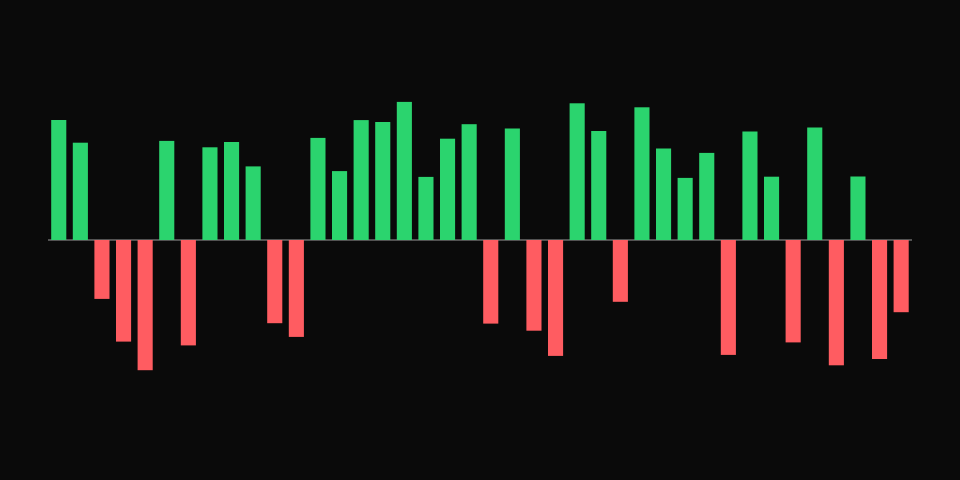
P&L by number of trades per day. Group days by how many trades you took: 1 to 3, 4 to 6, 7 or more. Many traders find their profitable days are the ones with fewer trades.
Results by trade number within the day. Is your first trade of the day better than your sixth? If later trades are clearly worse, cap the count.
How to fix it
Set a maximum number of trades per day, based on what your data shows.
Only trade setups on your list. If it does not have a setup tag, do not take it.
Use a daily loss limit, which also caps overtrading on bad days.
Track boredom. Record "bored" as your mood when it appears. Boredom trades are rarely good ones.
In TradeThink
The calendar shows the number of trades each day next to the P&L, and the reports break down results by hour and setup so you can see where the extra trades come from. Combine this with a weekly review and one clear limit.
Loss aversion makes traders hold losers and sell winners too early. Learn how this bias shows up in your trades and how to counter it with rules and data.
Taking profits too soon is one of the most common reasons traders with a good win rate still lose money. Here is how to diagnose it and fix it with exit rules.
Discipline in trading comes from clear rules and simple routines, not willpower. Here are ten rules most consistent traders use, and how to make them stick.