Trading psychology
FOMO in Trading: Why You Chase Moves and How to Stop
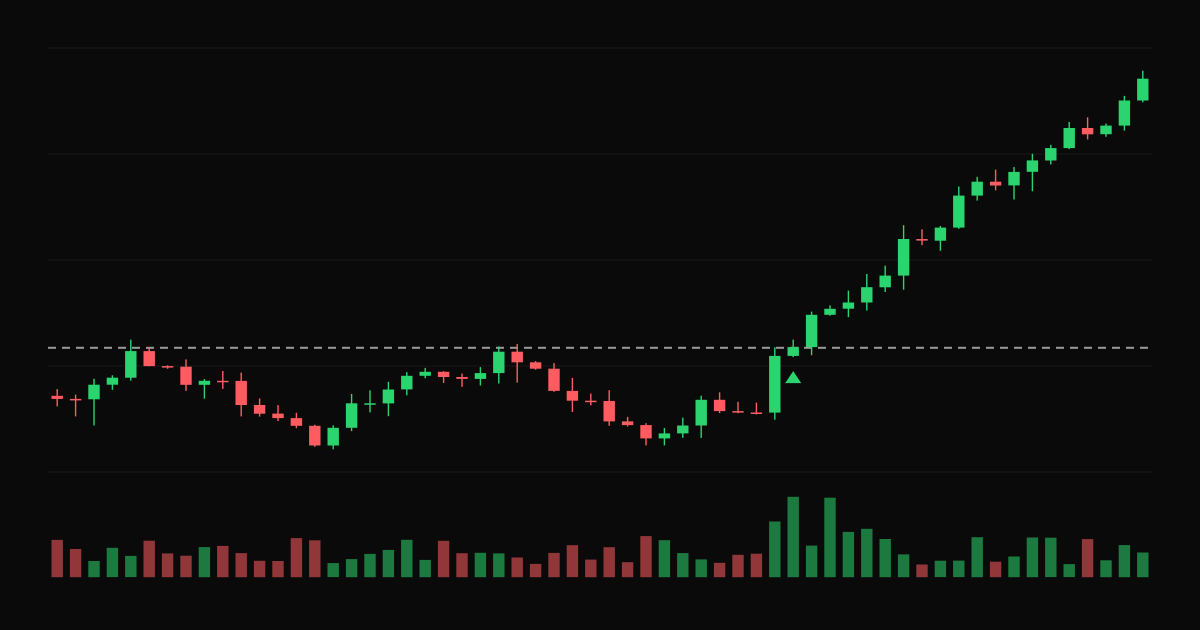
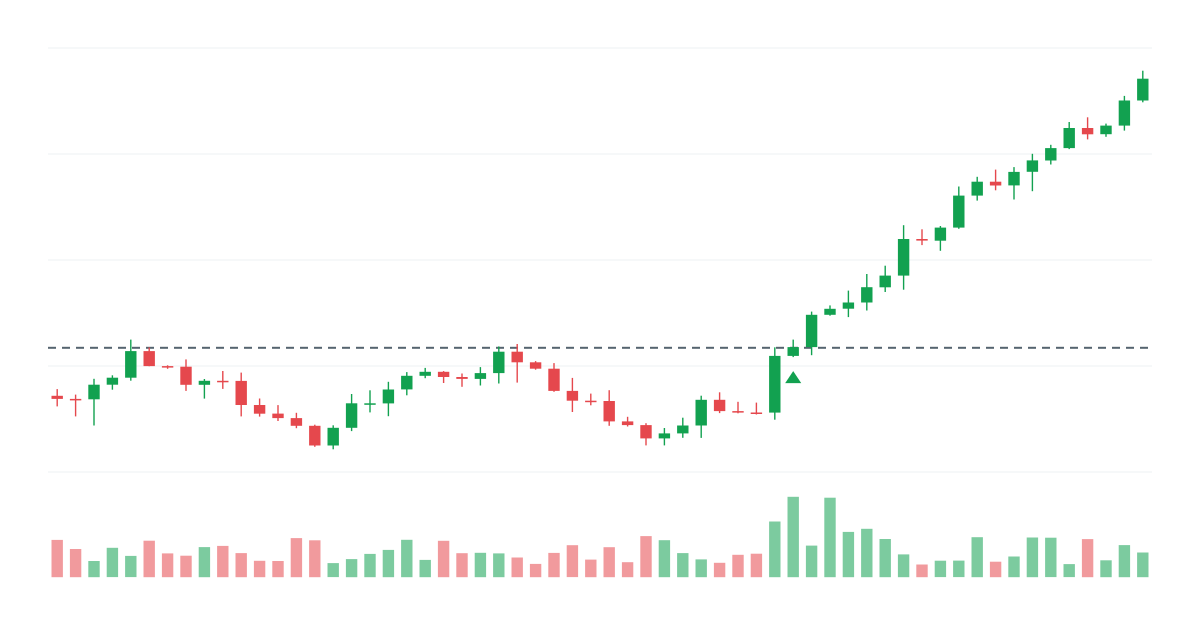
Fear of missing out makes traders chase entries, skip their plan and buy tops. Learn the signs of FOMO and practical ways to trade calmly when a move takes off without you.
What revenge trading is, why it happens after a loss, the warning signs, and practical rules that stop one bad trade from turning into a bad day.
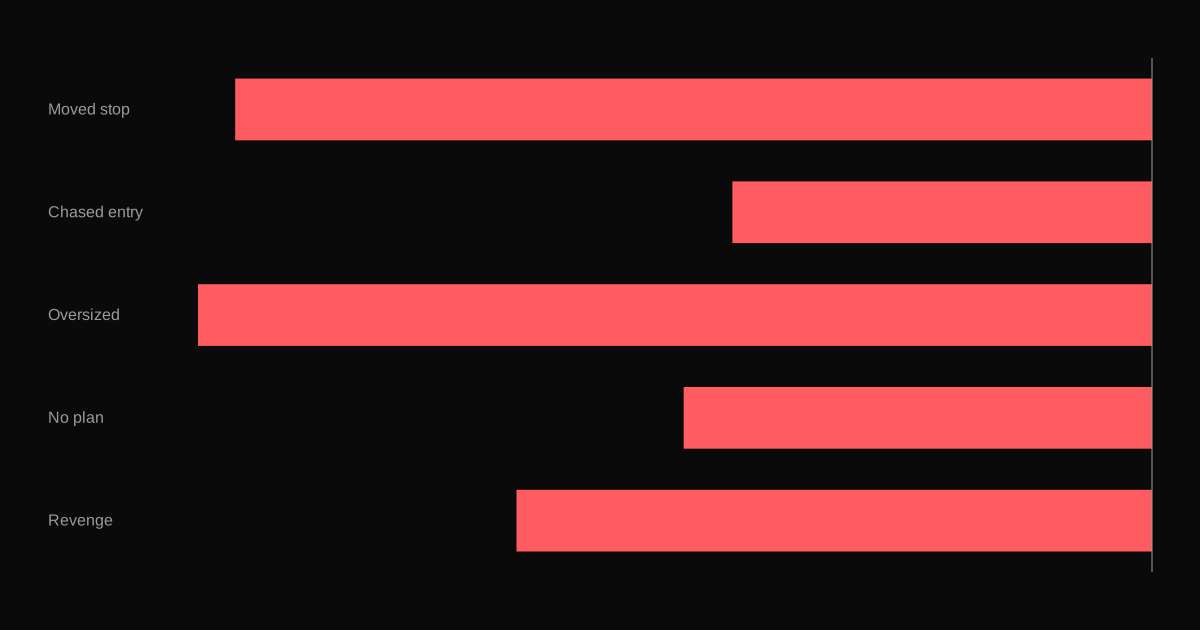
You take a loss. It stings, maybe because the stop was hit by a few cents, maybe because you broke a rule. Within minutes you are in another trade, bigger than usual, in a setup you would normally skip. You want the money back. That is revenge trading, and it turns small losses into the worst days in most traders' journals.
Losses hurt more than equal gains feel good. Psychologists call this loss aversion. After a loss, the urge to "get back to even" is strong, and it pushes you toward exactly the wrong behavior:
The market does not know you lost. The next trade has the same odds as any other, and only your size and discipline have changed, both for the worse.
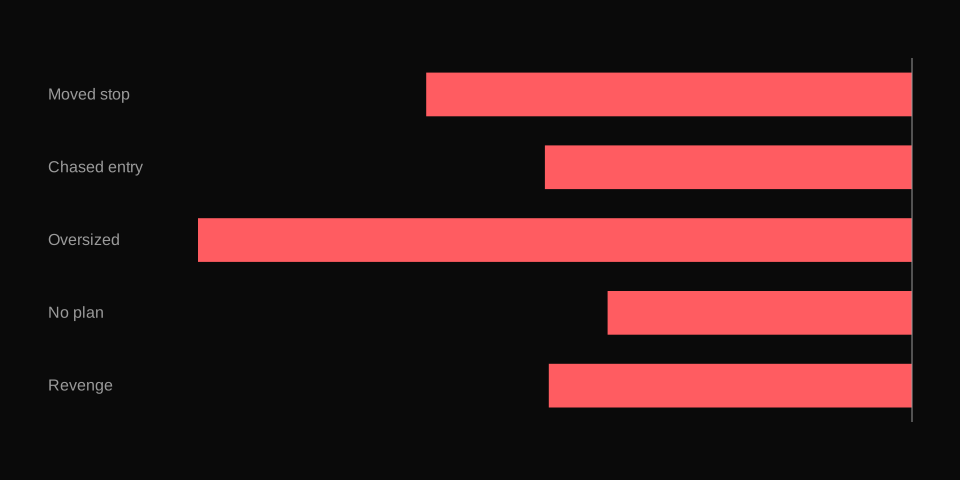
The fix has to be decided before you are upset, because in the moment you will not want to stop.
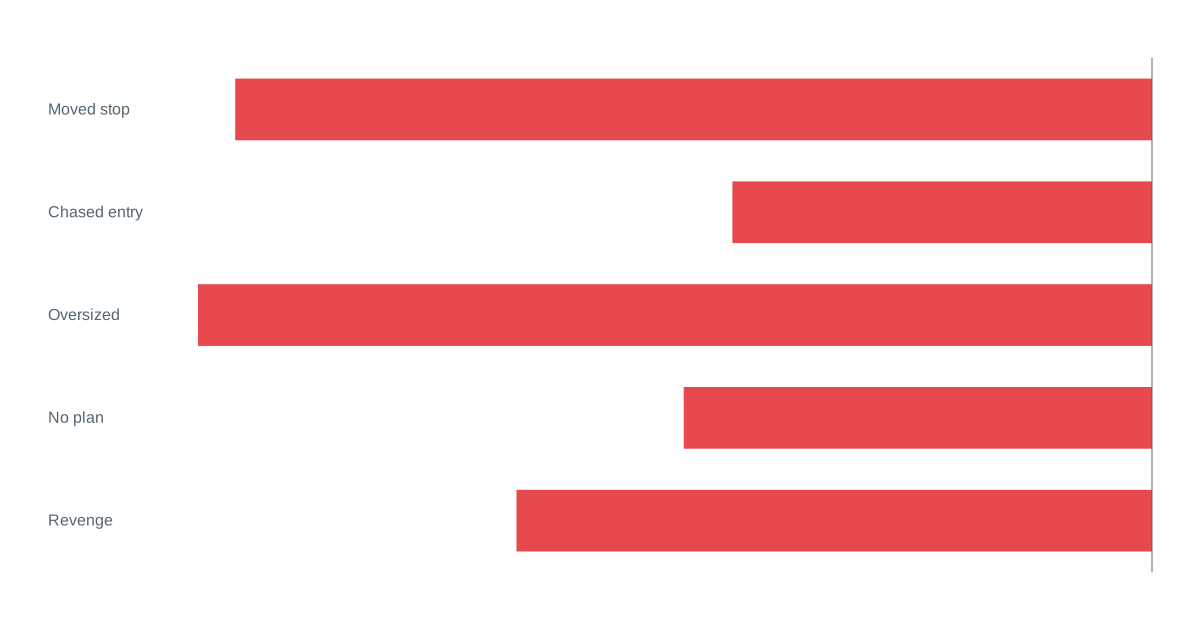
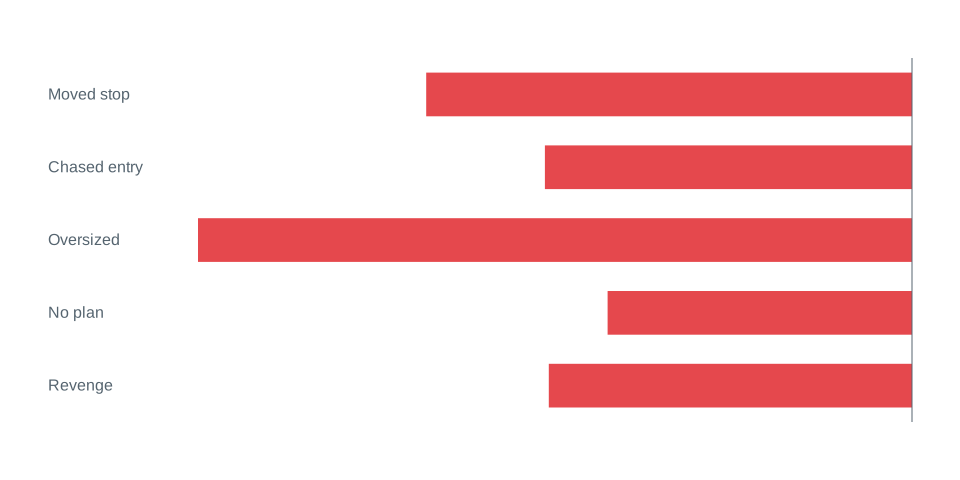
Tag trades taken shortly after a loss, or tag them "revenge" honestly when you review. After a month, add up the P&L of those trades. Seeing the real number, often larger than your entire monthly profit, is more convincing than any rule. See tagging trades.
Write about the trigger in your journal: what happened before the revenge trade and how you felt. Over time you will notice your triggers, such as a stop hit by a wick or a missed winner, and you can plan for them. The trading tilt article covers the broader version of this state.
Tag revenge trades from the trade menu, filter for them, and check the reports to see what they cost. The daily journal records your mood before and after each session, and the calendar makes the red days after a loss easy to spot.
Fear of missing out makes traders chase entries, skip their plan and buy tops. Learn the signs of FOMO and practical ways to trade calmly when a move takes off without you.
How to tell if you are overtrading, why more trades often means lower profits, and practical limits that keep you focused on your best setups.
Loss aversion makes traders hold losers and sell winners too early. Learn how this bias shows up in your trades and how to counter it with rules and data.