Trading journal
The Trading Calendar Heatmap: Seeing Your Results Day by Day
How a P&L calendar heatmap helps you spot losing streaks, overtrading and patterns in your trading, and what to look for when you review it.
How to analyze your trading results by weekday, the common patterns traders find, and how to use them without overfitting.
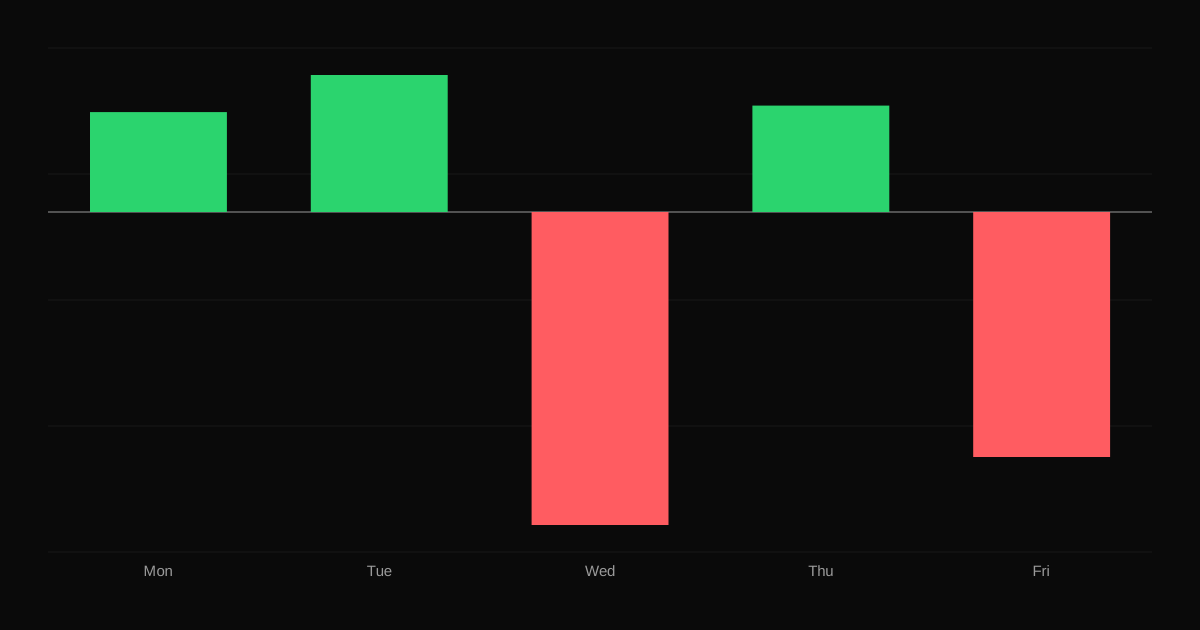
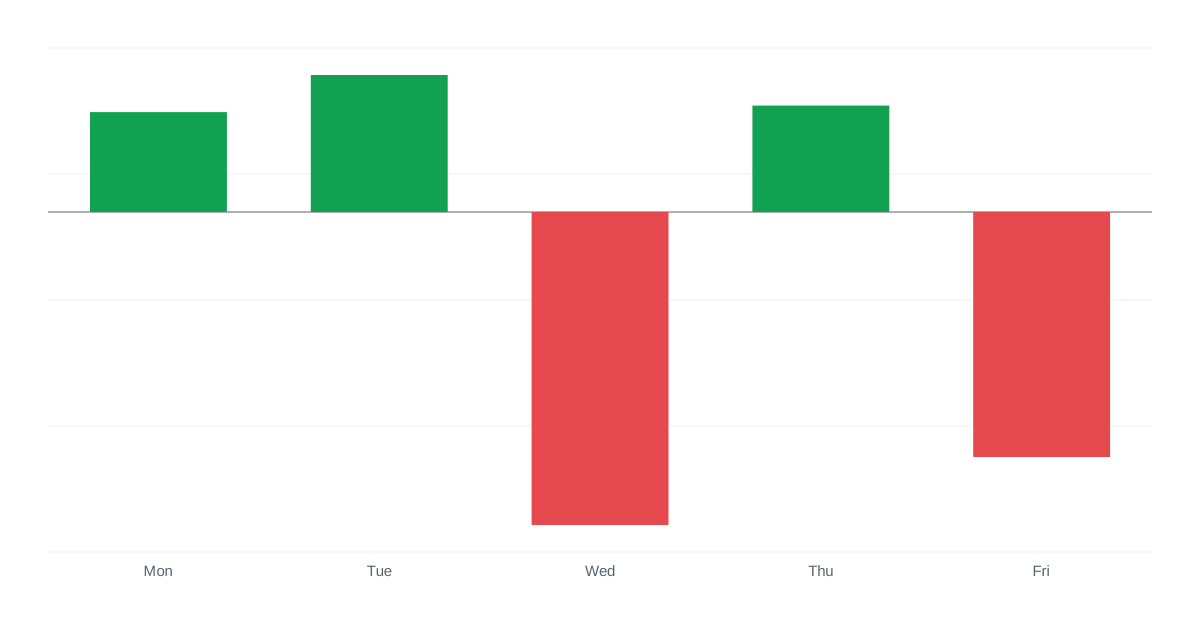
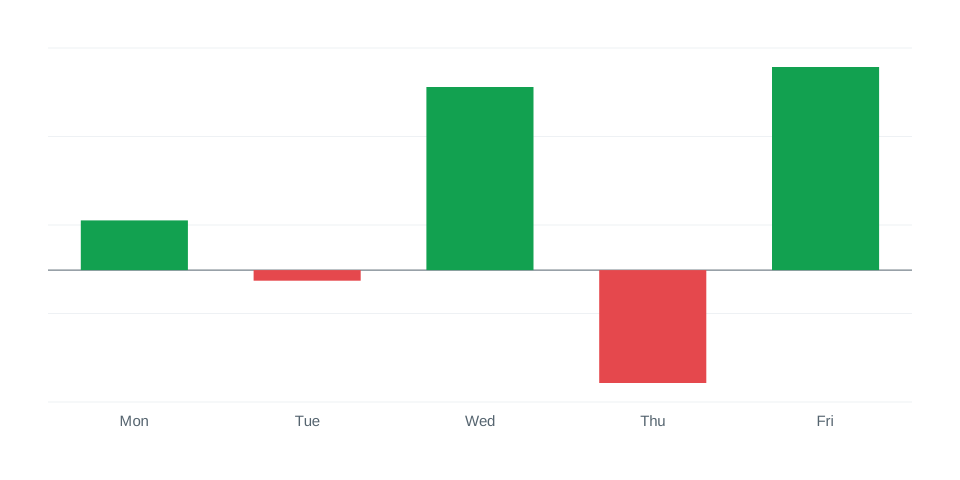
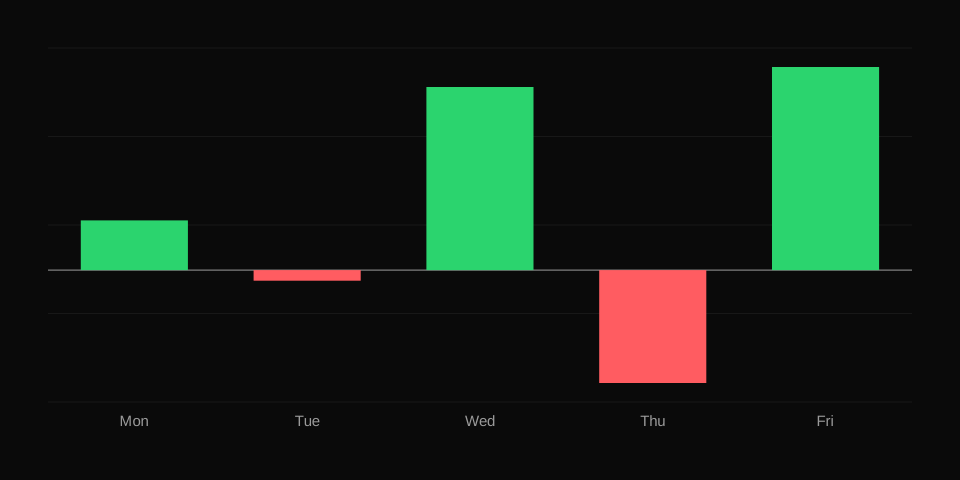
Some traders consistently lose on Mondays. Others give back their weekly profit on Fridays. Splitting your results by weekday takes a minute and sometimes reveals a pattern that is easy to act on.
Group your trades by the weekday they were opened, and for each day look at:
As with any breakdown, make sure each day has enough trades to mean something. Forty trades per weekday is a reasonable minimum before drawing conclusions. See sample size.
Weak Mondays. Weekend news creates gaps and uncertain opens. Some traders also come back rusty or overeager after two days off.
Weak Fridays. Lower afternoon volume in some markets, positions being closed before the weekend, and traders pushing to hit a weekly goal. Trying to "make the week green" on Friday is a classic source of revenge trading.
Strong midweek. Many traders do their best work Tuesday to Thursday, once they have a feel for the week's market.
Event days. Days with major scheduled releases, such as central bank decisions or employment reports, often behave differently. Tag them in your journal so you can separate them.
Weekday patterns are easy to over-read. Before changing your schedule:
If a weak day is caused by a handful of large losses, the problem is risk management, not the weekday.
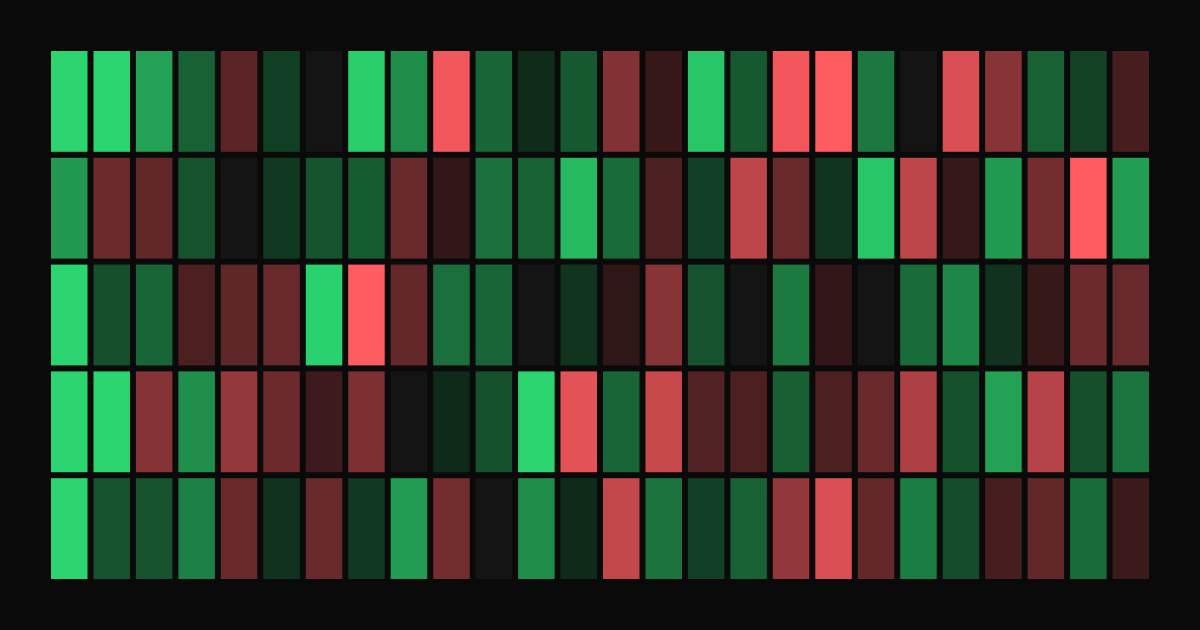
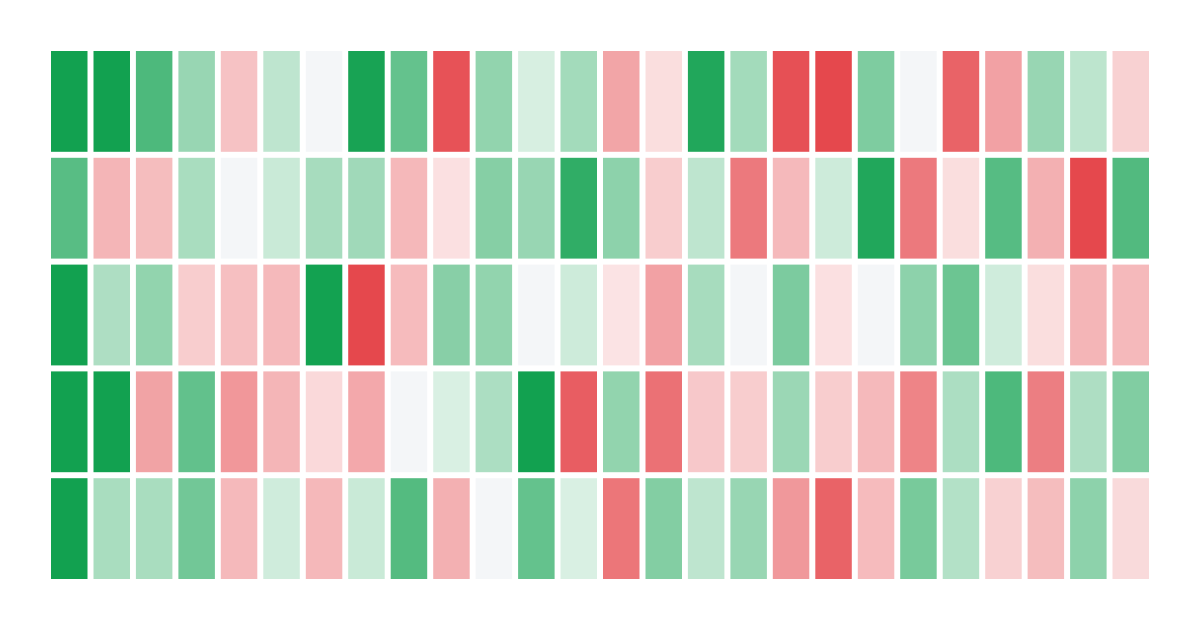
Then compare. The calendar view makes this easy: see the trading calendar heatmap.
The reports include P&L, win rate and trade count by weekday, and the calendar shows each day's result so clusters stand out. Combine weekday with time of day for the full picture.
How a P&L calendar heatmap helps you spot losing streaks, overtrading and patterns in your trading, and what to look for when you review it.
A practical guide to keeping a trading journal: what to record, when to write, how to review it each week and how to turn your notes into better rules.
The fields every trading journal should have, from entry and exit details to setup, mistakes, emotions and execution rating, with examples of each.