Trading journal
What to Record in a Trading Journal: 15 Fields That Matter
The fields every trading journal should have, from entry and exit details to setup, mistakes, emotions and execution rating, with examples of each.
A practical guide to keeping a trading journal: what to record, when to write, how to review it each week and how to turn your notes into better rules.
Most traders know they should keep a trading journal. Far fewer keep one for longer than a few weeks, and fewer still use it to change how they trade. The problem is rarely discipline alone. It is that the journal is set up as a chore instead of a tool: too many fields, no review routine, and no link between what you write and what you do next.
This guide covers a journal that works: a short record of every trade, a few notes on your state of mind, and a weekly review that turns what you find into rules.
Your broker statement tells you what happened. A journal tells you why. Without the why, you can see that you lost money in March but not whether it came from a bad setup, a bad week, oversized positions or trading while tired.
A good journal does three things:
Keep the required fields short so you actually fill them in. The numbers can be imported automatically; the notes are the part only you can add.
| Field | Why it matters |
|---|---|
| Date, time, symbol, side | The basics, usually imported from your broker |
| Entry, exit, size, fees | Needed for accurate P&L and R-multiples |
| Setup | Lets you compare results setup by setup |
| Planned stop and target | Shows whether you followed the plan |
| Reason for entry | One sentence, written before or right after entry |
| Mistakes | Tags such as "chased entry" or "moved stop" |
| Emotion | One word: calm, anxious, bored, FOMO |
| Rating | How well you executed, not whether you made money |
The full list, with examples, is in what to record in a trading journal.
Notes written days later are rewritten history. Write the reason for a trade before you enter or straight after, and write the review the same day, while you still remember what you were thinking. A daily journal entry with a plan before the open and a short review after the close takes about ten minutes.
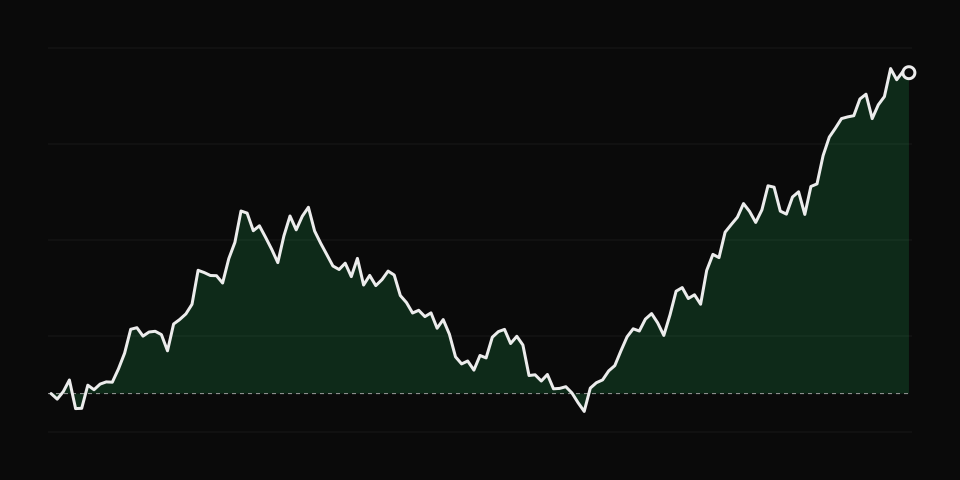
Daily notes catch the details. The weekly review catches the patterns. Once a week, look at:
Then write one change for next week. One, not five. The weekly trading review article has a full template.
The point of a journal is to change behavior. When the same note appears three times, it should become a rule. "Lost on the first trade after a big loss" becomes "after a loss of more than 2R, no new trade for 30 minutes." Put the rule on your pre-market checklist so you see it before you trade.
The best journal is the one you keep. Import trades automatically instead of typing them, use tags instead of long paragraphs, and keep the daily entry short. In TradeThink you can import from 20+ brokers, tag setups and mistakes on each trade, and write a daily journal with a plan, checklist, mood and review next to the day's P&L. The reports then show your results by setup, tag, hour and mood without any spreadsheet work.
The fields every trading journal should have, from entry and exit details to setup, mistakes, emotions and execution rating, with examples of each.
A free trading journal template for daily, per-trade and weekly entries, with the exact questions to answer and how to adapt it for stocks, options and futures.
How to run a weekly trading review: the numbers to check, the questions to ask, and how to pick one change for next week. Includes a step-by-step routine.