
Strategy and analysis
Backtesting vs Journaling: Why You Need Both to Prove Your Edge
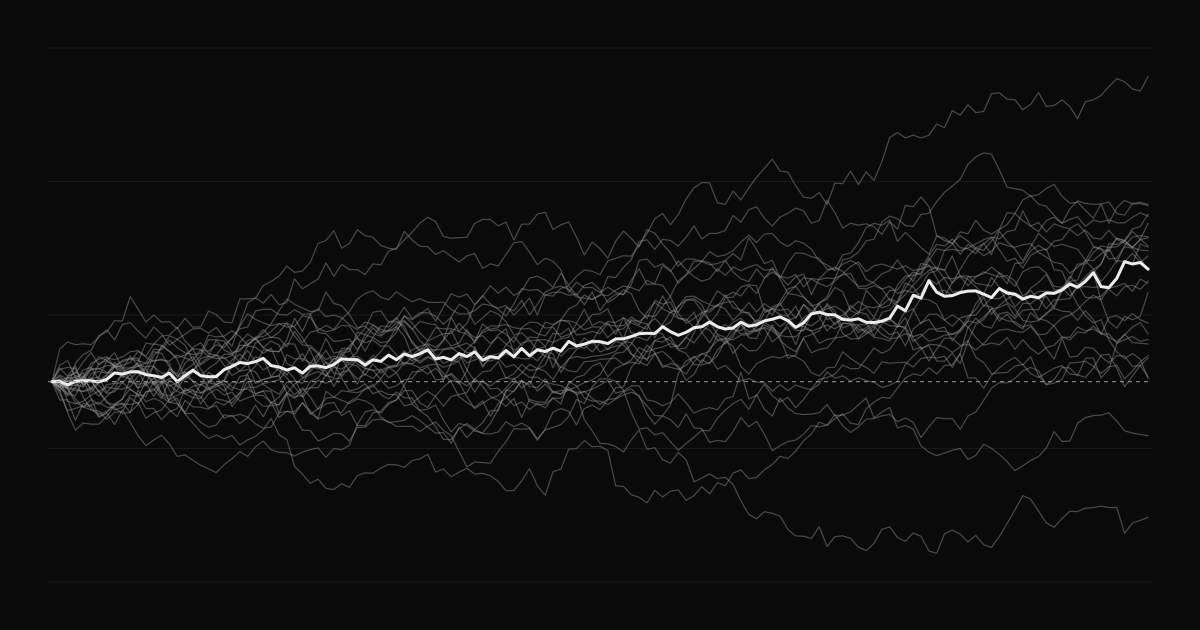
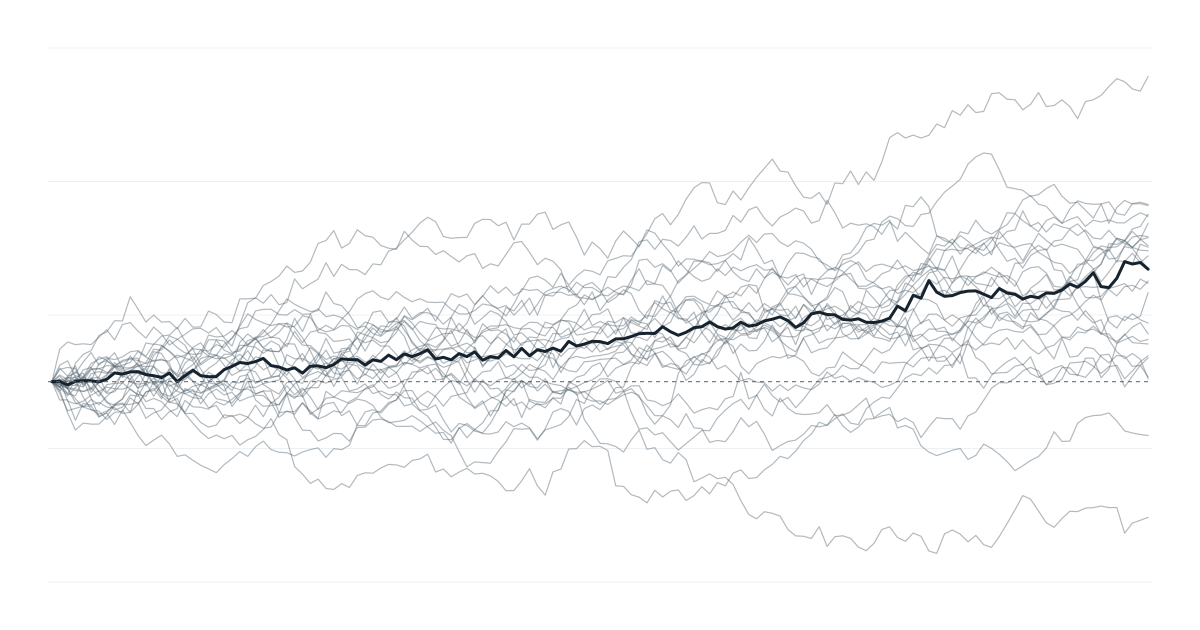
What backtesting tells you, what it cannot, why live trading results differ, and how a trading journal closes the gap between a strategy on paper and in practice.
What a trading plan should include, from goals and markets to setups, risk rules, routines and review, with a template you can adapt.
A trading plan is a written set of rules for how you trade. It decides in advance what you trade, when, how much you risk and how you review. Without one, every decision is made in the moment, under pressure. With one, most decisions are already made.
Write process goals, not just profit goals. See process vs outcome.
For each setup, one page:
Keep the list short. Three well-defined setups beat ten vague ones. See tagging trades.
The rules that address your specific weaknesses, from your journal:
Set a regular date, such as monthly, to review the plan against your results. Change one thing at a time, so you can tell what helped.
A plan you never read does not help. Keep it short, keep it where you trade, and read the key rules every morning.
Put your daily checklist in the journal, record whether you followed the plan each day, and use setups and tags so the reports measure each part of your plan.
What backtesting tells you, what it cannot, why live trading results differ, and how a trading journal closes the gap between a strategy on paper and in practice.
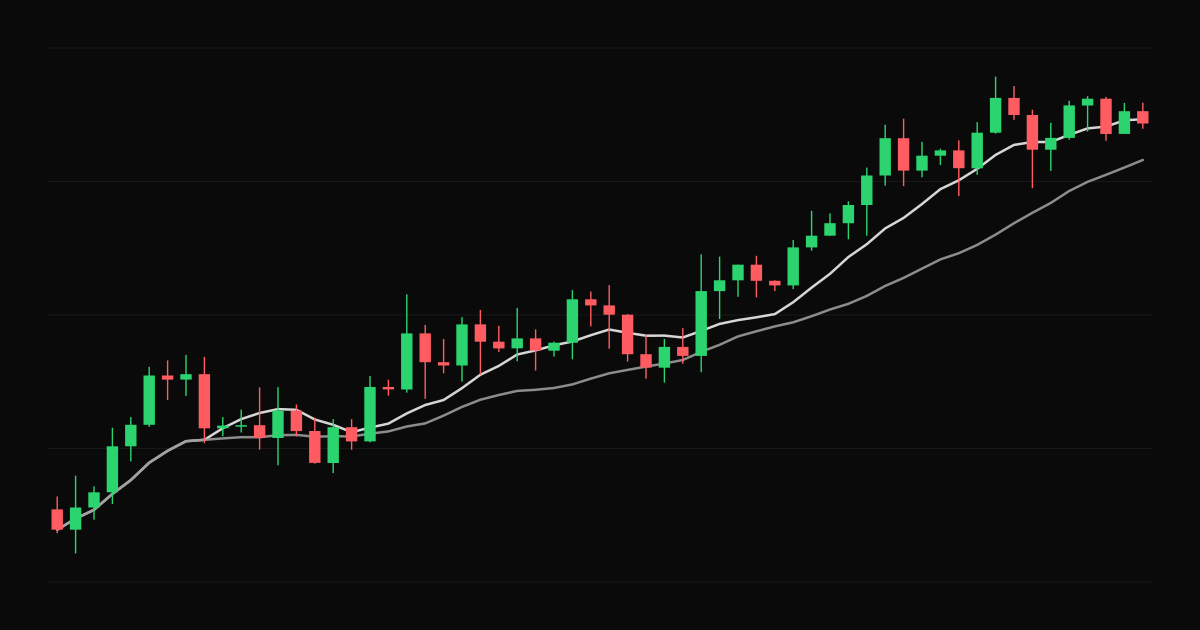
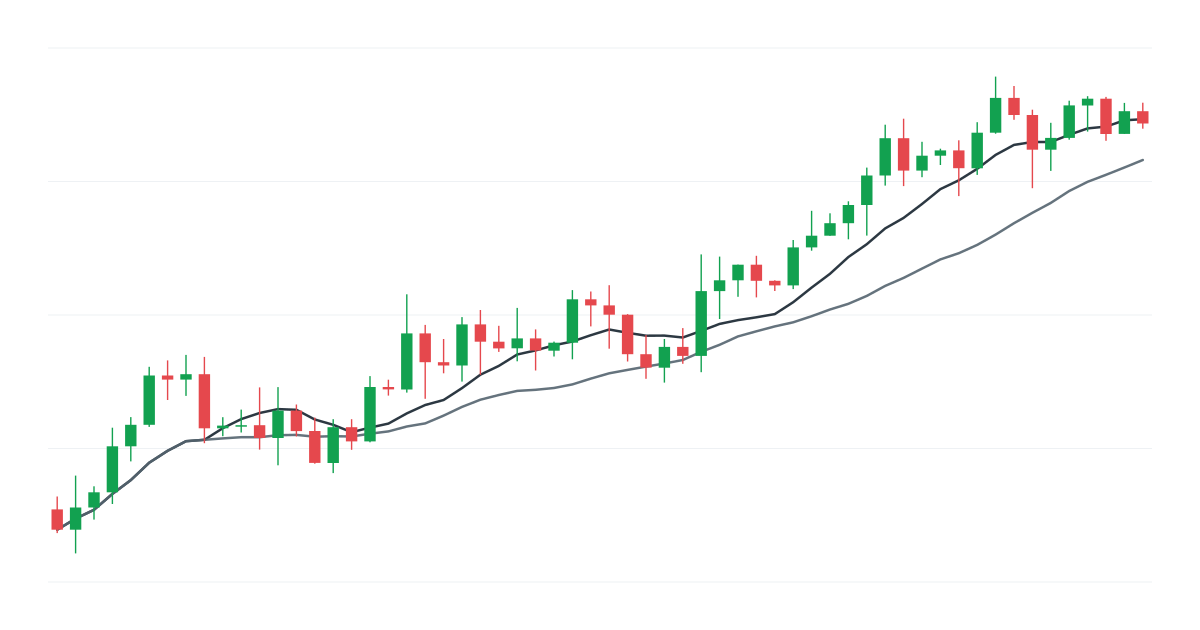
How traders use simple and exponential moving averages for trend direction, crossover signals, pullback entries and trailing stops, and the trade-offs of each approach.
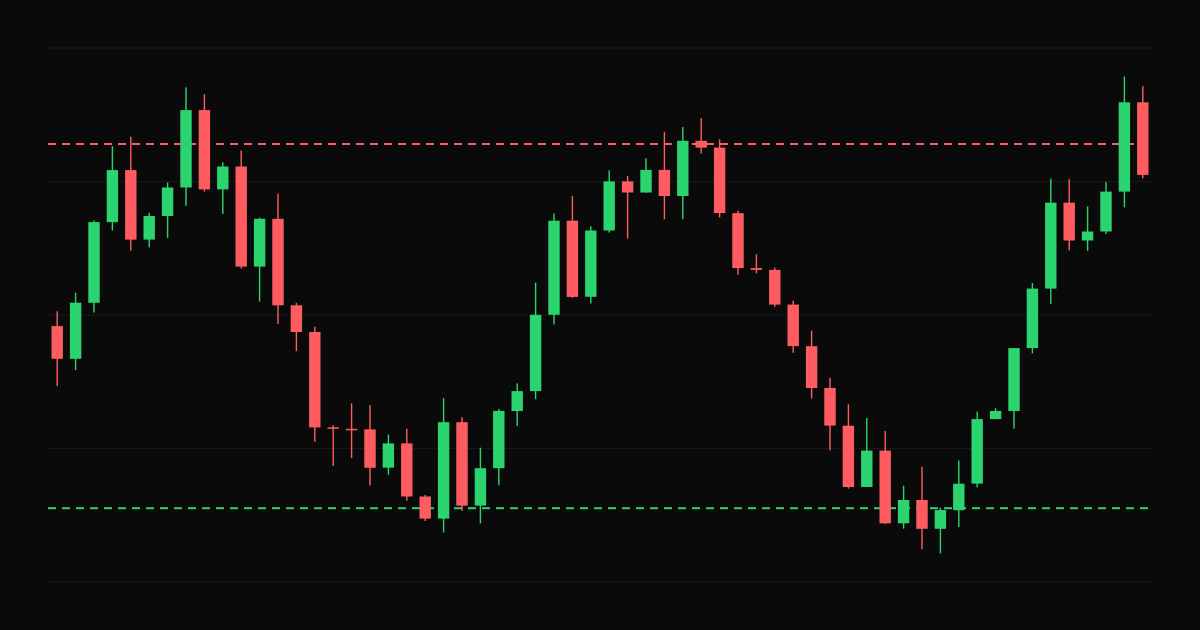
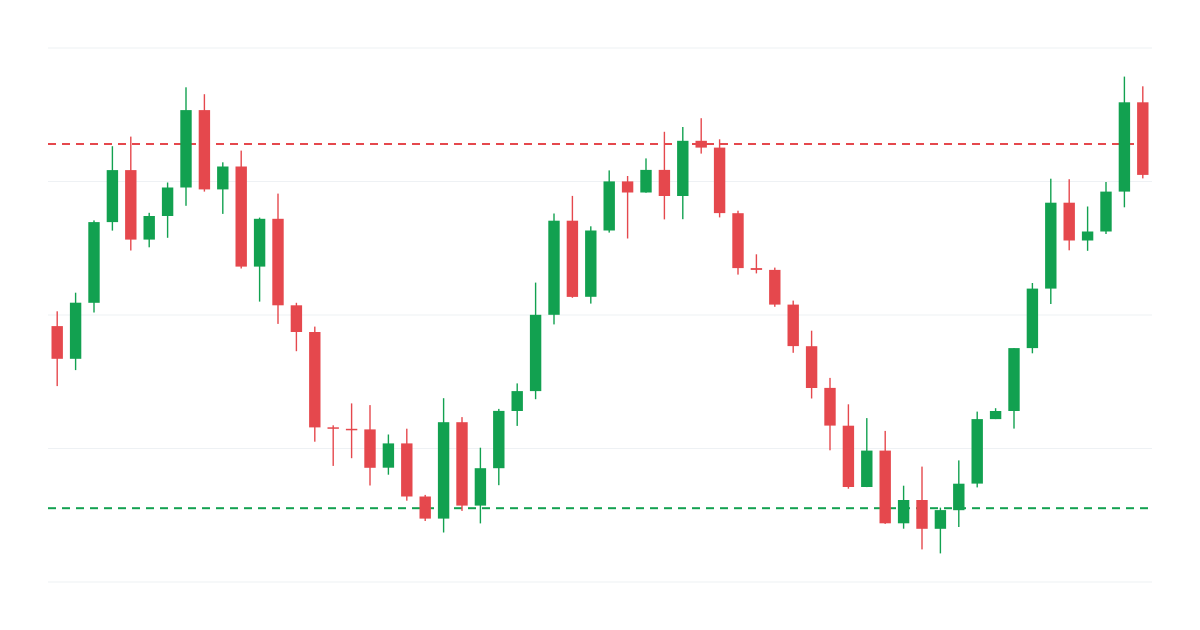
What support and resistance are, how to identify meaningful levels, why levels can flip, and how to use them for entries, stops and targets.