Futures, forex and crypto
Forex Pips, Lots and Leverage: The Math Every FX Trader Needs
How pips, pipettes and lot sizes work in forex, how to calculate pip value and position size, and how leverage and swap affect your results.
How micro futures contracts work, how they compare with standard and E-mini contracts, and why they make risk management easier for smaller accounts.
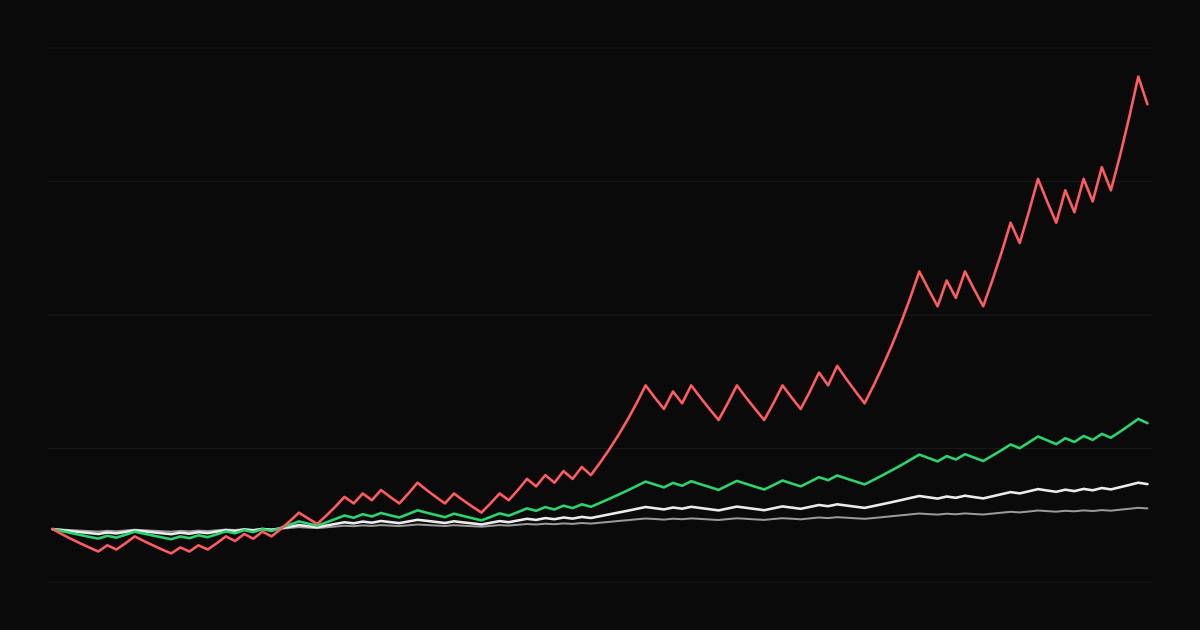
For years, the smallest stock index futures contract was the E-mini, worth $50 per point on the S&P 500. For many traders, one contract was simply too large to fit sensible risk limits. Micro contracts, launched by CME Group in 2019 for equity indexes and later for other markets, are one tenth the size.
For the S&P 500 index futures:
| Contract | Point value | Tick (0.25 pt) value |
|---|---|---|
| E-mini S&P 500 | $50 | $12.50 |
| Micro E-mini S&P 500 | $5 | $1.25 |
Micro versions exist for several major index, commodity, currency and crypto futures. Check the exchange's specifications for each, as sizes vary by product.
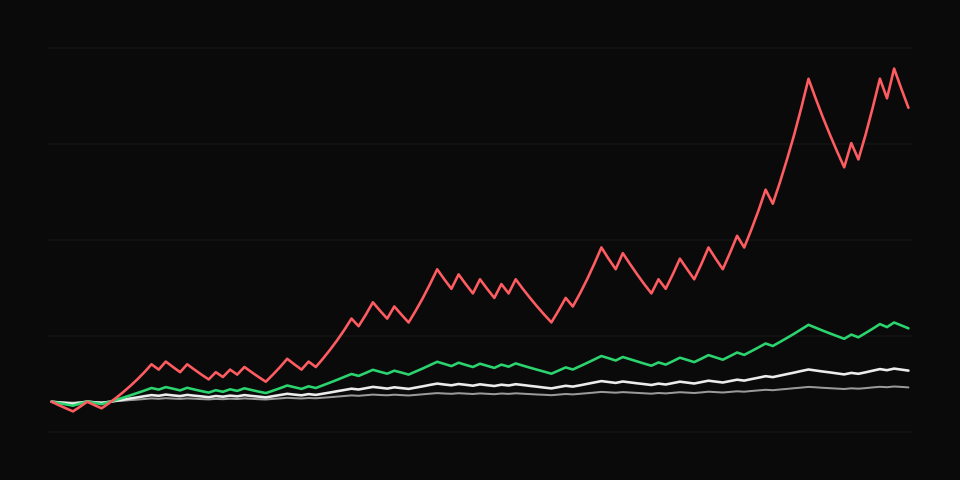
Say your account is $25,000 and you risk 1% per trade: $250. Your stop is 8 points away.
Micros let you follow your position sizing rules instead of rounding up to a size that is too large.
If you trade both, your journal should apply the right multiplier to each and let you compare results. TradeThink applies each contract's multiplier automatically, so P&L is correct whether you trade minis or micros. Related: futures basics.
How pips, pipettes and lot sizes work in forex, how to calculate pip value and position size, and how leverage and swap affect your results.
What CFDs are, how they work, margin and leverage, overnight financing, the risks for retail traders, and how to track CFD trades from MT4, MT5 and other platforms.
How to export your trading history from MetaTrader 4 and MetaTrader 5, what the built-in reports miss, and how to analyze forex and CFD trades in a journal.