Trading psychology
Confirmation Bias in Trading: Seeing Only What You Want to See
How confirmation bias leads traders to ignore warning signs, hold losing positions and overrate their ideas, and practical habits that counter it.
Losing streaks are normal even for profitable traders. Learn how long they can last, how to tell bad luck from a broken strategy, and what to do while you are in one.
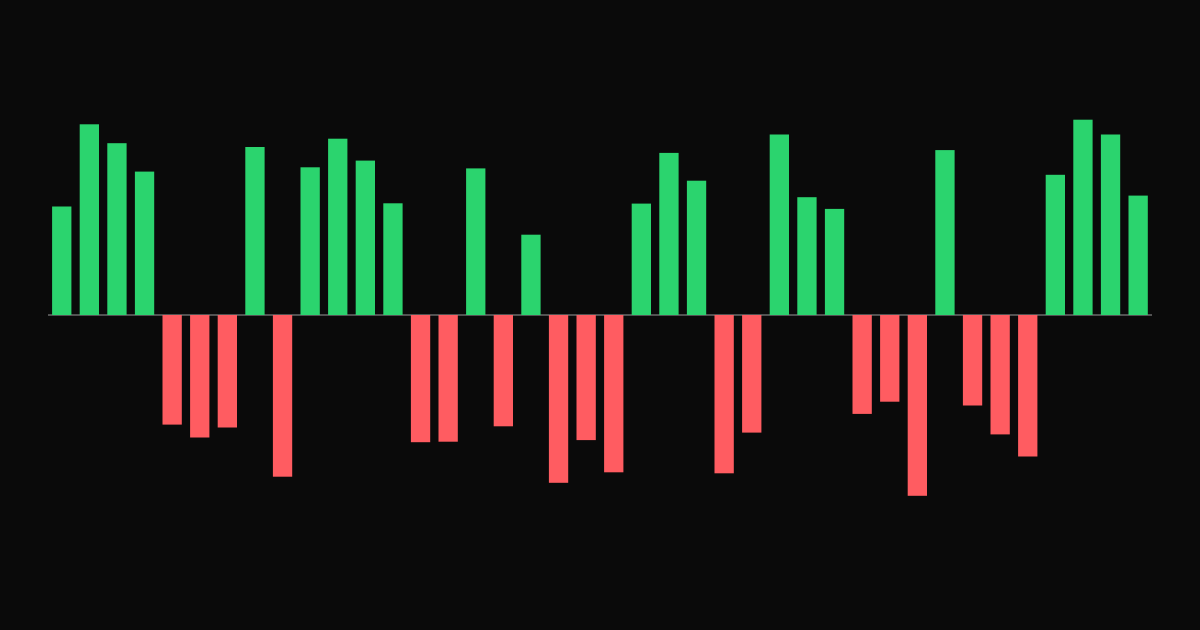
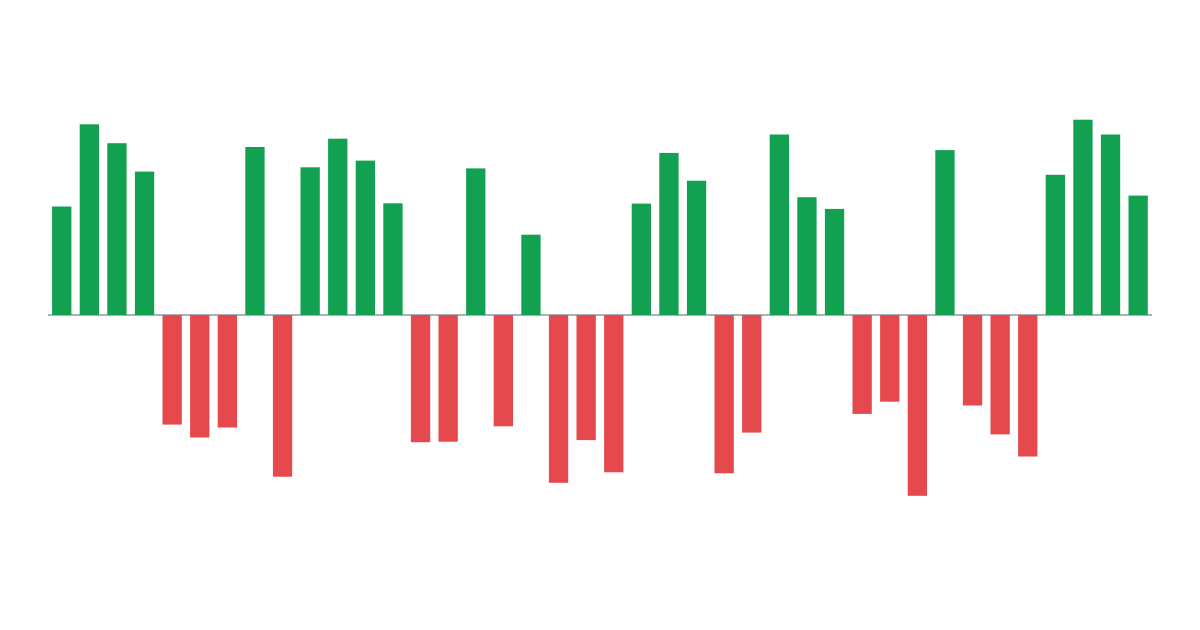
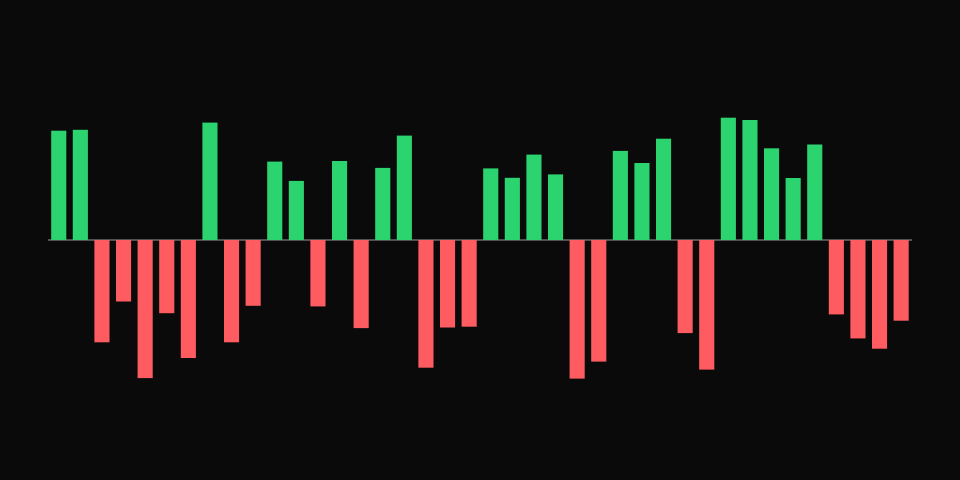
Every trader has losing streaks. A strategy that wins 55% of the time will, over enough trades, produce long runs of consecutive losses. The question is not whether you will have one, but whether you will handle it in a way that keeps you in the game.
With a 50% win rate, the chance of any given run of 5 trades being all losers is about 3%. That sounds rare, but over 200 trades you will very likely see a run of 6 or more losses somewhere. Even at a 60% win rate, streaks of 5 losses in a few hundred trades are normal.
Knowing this in advance matters. It means a streak, by itself, is not proof that something is broken.
Ask these questions:
Increase size step by step as you return to your normal results: for example, back to full size after a winning week. Avoid the temptation to win it all back quickly. That is how a drawdown turns into a much deeper one.
TradeThink shows your current and longest win and loss streaks, your drawdown and your results by setup, so you can check quickly whether the current streak is unusual. The journal helps you separate rule-breaking from bad luck.
How confirmation bias leads traders to ignore warning signs, hold losing positions and overrate their ideas, and practical habits that counter it.
Tilt is the emotional state where frustration takes over your trading. Learn the triggers, the warning signs, and a step-by-step plan to stop before the damage is done.
Long hours, constant screen time and emotional swings can lead to trading burnout. Here are the signs and the habits that keep trading sustainable for the long run.