Trading psychology
Trading on Tilt: What It Is and a Simple Plan to Stop It
Tilt is the emotional state where frustration takes over your trading. Learn the triggers, the warning signs, and a step-by-step plan to stop before the damage is done.
How confirmation bias leads traders to ignore warning signs, hold losing positions and overrate their ideas, and practical habits that counter it.
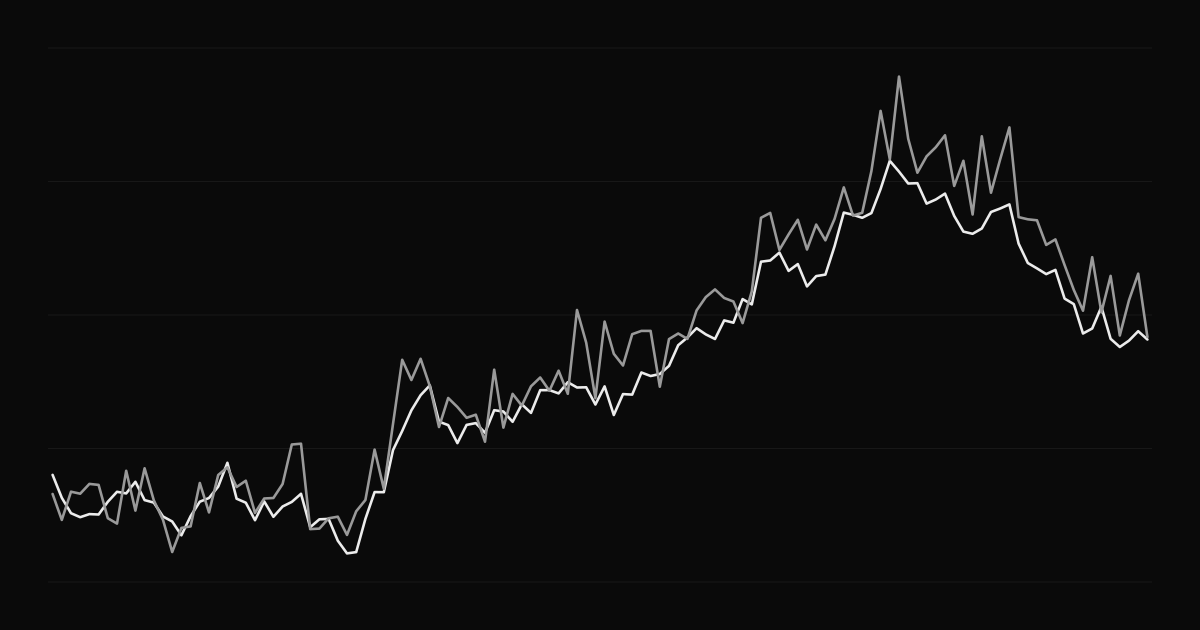
Once you have a position, your brain starts working as its lawyer. Bullish news looks important, bearish news looks like noise. This tendency to seek out and favor information that supports what you already believe is called confirmation bias, and it affects every trader.
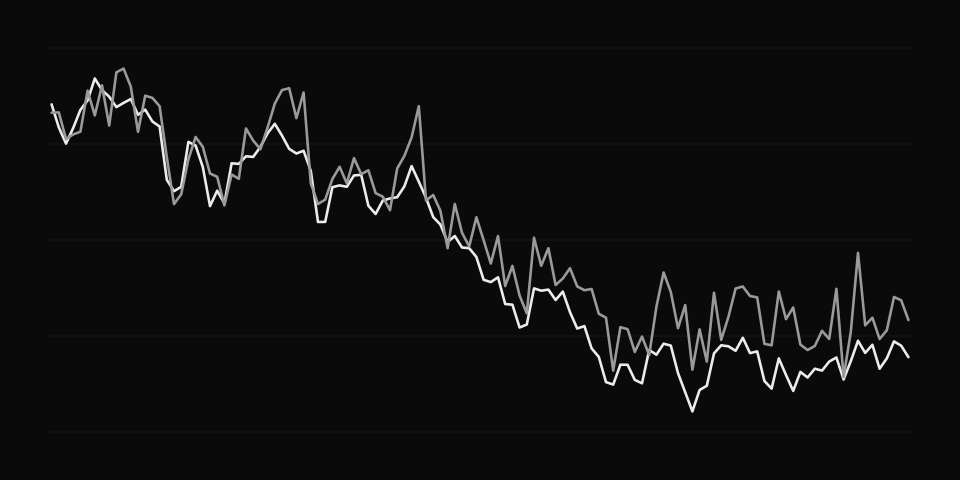
Memory is biased. A journal is not. When you think "this setup always works", your journal can tell you it worked 48% of the time with an average win of 1.1R. That is the most direct way to correct a belief.
Social media feeds and chat rooms tend to show you more of what you already engage with. If you only follow traders who share your view, you will rarely see a strong counterargument. Diversify what you read, or read less during market hours.
Use setup tags and the reports to check what each setup really earns, and use notes on each trade to record the invalidation level you wrote before entry. When the data disagrees with your memory, trust the data.
Tilt is the emotional state where frustration takes over your trading. Learn the triggers, the warning signs, and a step-by-step plan to stop before the damage is done.
Long hours, constant screen time and emotional swings can lead to trading burnout. Here are the signs and the habits that keep trading sustainable for the long run.
A single trade's result is mostly luck. Learn why judging trades by process leads to better long-term results, and how to measure your process in a journal.