Trading psychology
Process vs Outcome: Judging Your Trades by Decisions, Not Results
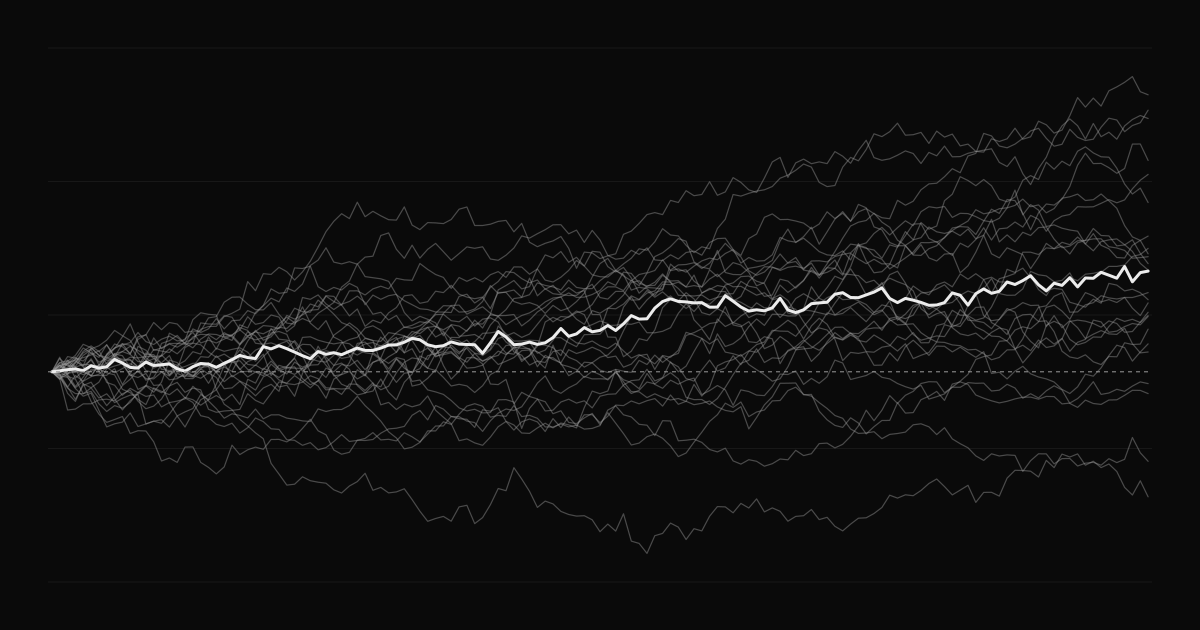
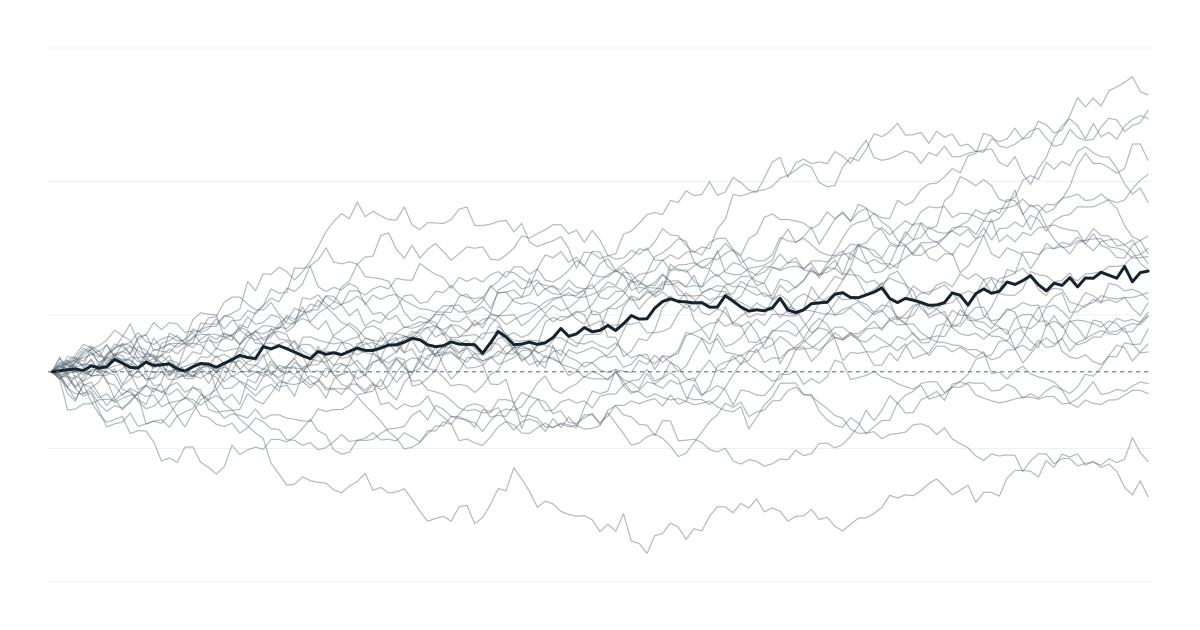
A single trade's result is mostly luck. Learn why judging trades by process leads to better long-term results, and how to measure your process in a journal.
Long hours, constant screen time and emotional swings can lead to trading burnout. Here are the signs and the habits that keep trading sustainable for the long run.
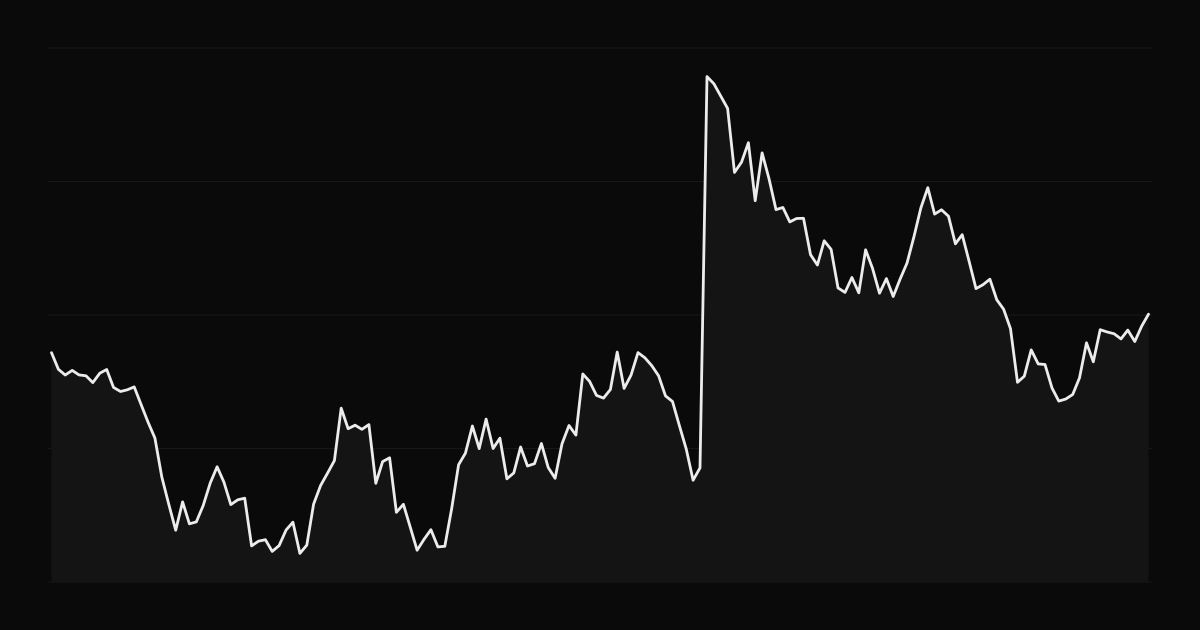
Trading looks like sitting in front of a screen. It is also hours of focused attention, constant small decisions and regular emotional swings. Over months, without breaks, that adds up. Burnout rarely shows up in a single day. It shows up as a slow decline in focus, discipline and results.
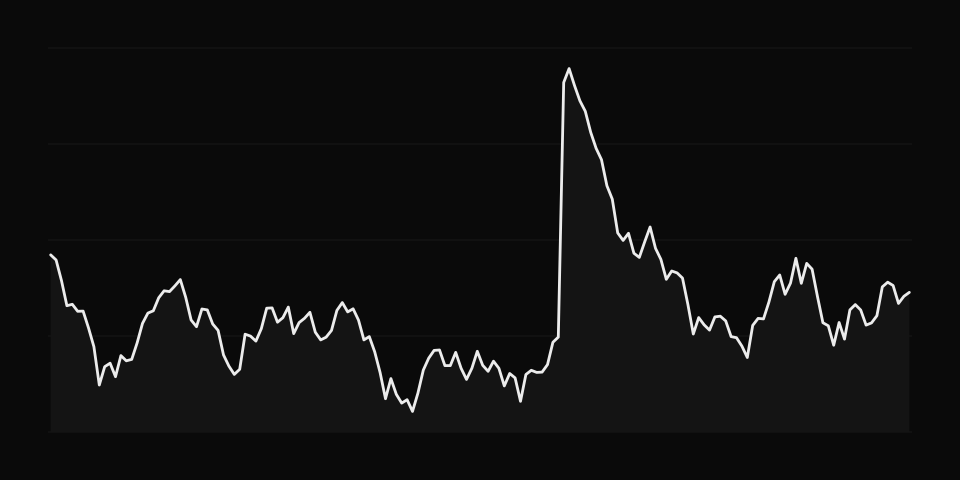
Tired, stressed traders make worse decisions. They are more prone to tilt, overtrading and abandoning their rules. Your journal can show this directly: compare your results on days you recorded "tired" or "frustrated" with the rest.
Burnout is a slow trend, so look at it like one. Once a month, look at your mood records, the number of days you followed your plan and your journal consistency. A gradual decline across all three is a signal to take a break before it shows up in your P&L.
If stress from trading is affecting your sleep, relationships or wellbeing, talk to someone you trust, and consider professional support. No trading result is worth your health.
The daily journal tracks your mood before and after each session and shows your journaling streak, so a slow decline is easier to spot. The calendar helps you see whether you are trading every single day without a break.
A single trade's result is mostly luck. Learn why judging trades by process leads to better long-term results, and how to measure your process in a journal.
Your worst trading days often follow your best ones. Learn why overconfidence sets in after a big win and how to protect your gains.
What revenge trading is, why it happens after a loss, the warning signs, and practical rules that stop one bad trade from turning into a bad day.