Risk management
ATR Stop Loss: Using Average True Range to Set Smarter Stops
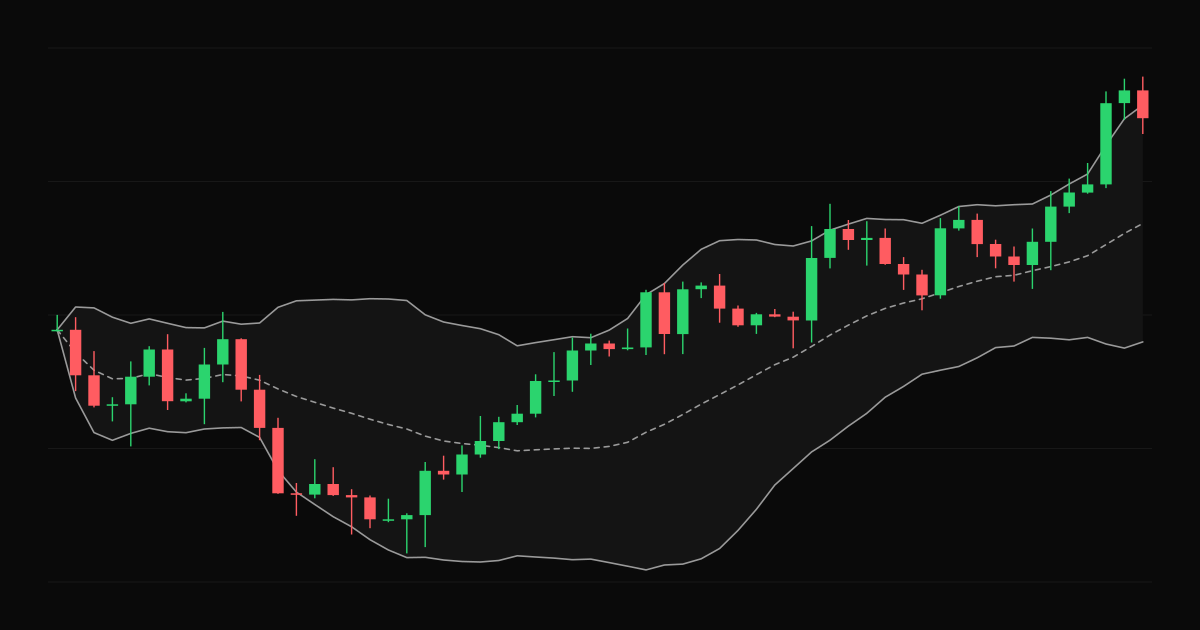
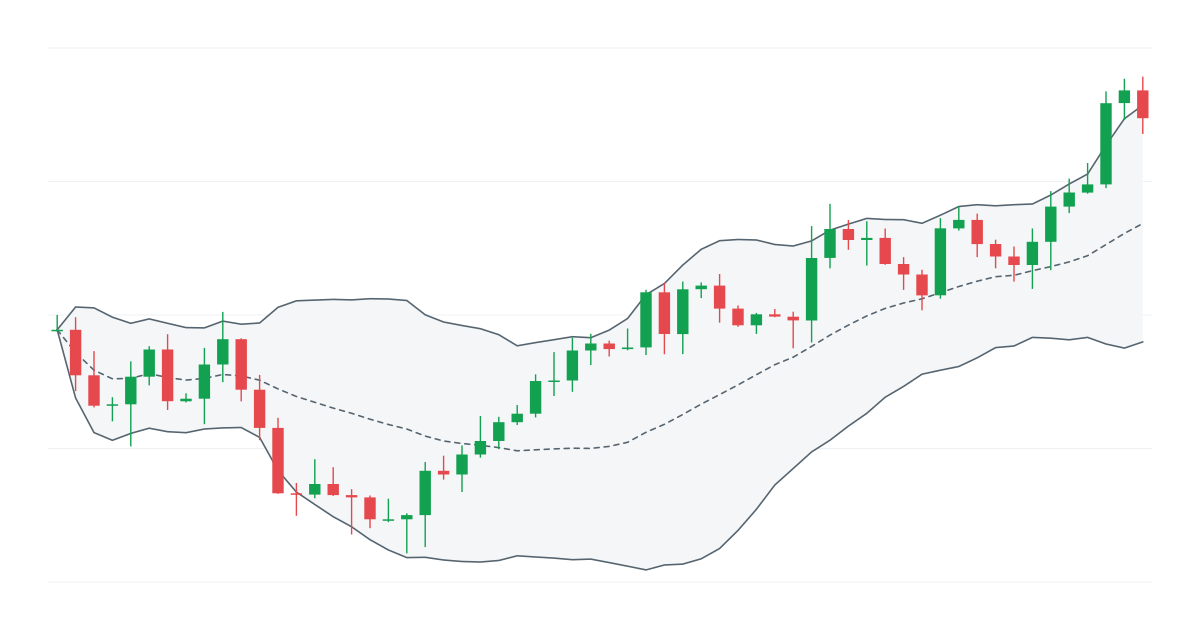
How to use the average true range (ATR) to set stop losses and position sizes that adapt to volatility, with formulas, multipliers and examples.
How to set a daily loss limit for day trading, why it works, how big it should be, and how to make sure you actually stop when you hit it.
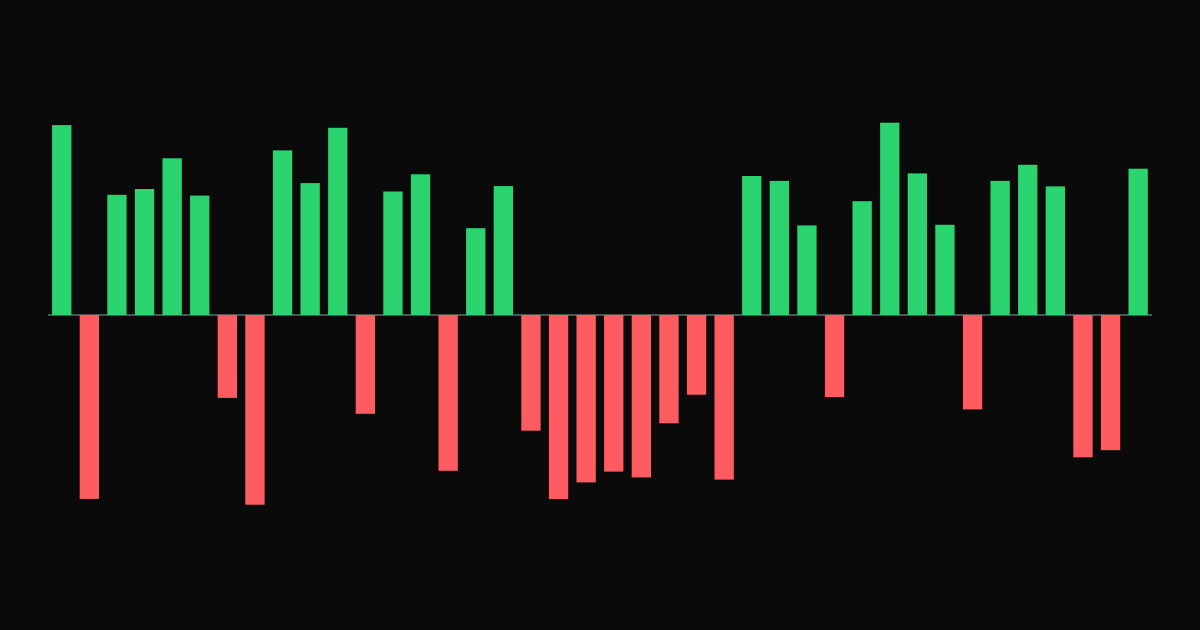
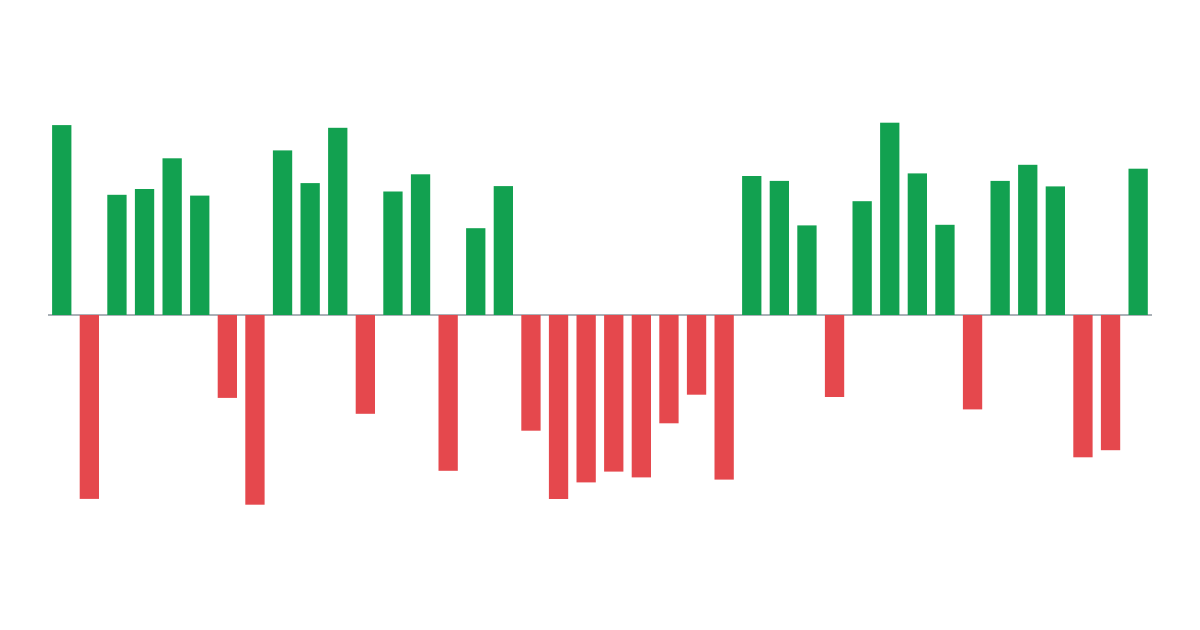
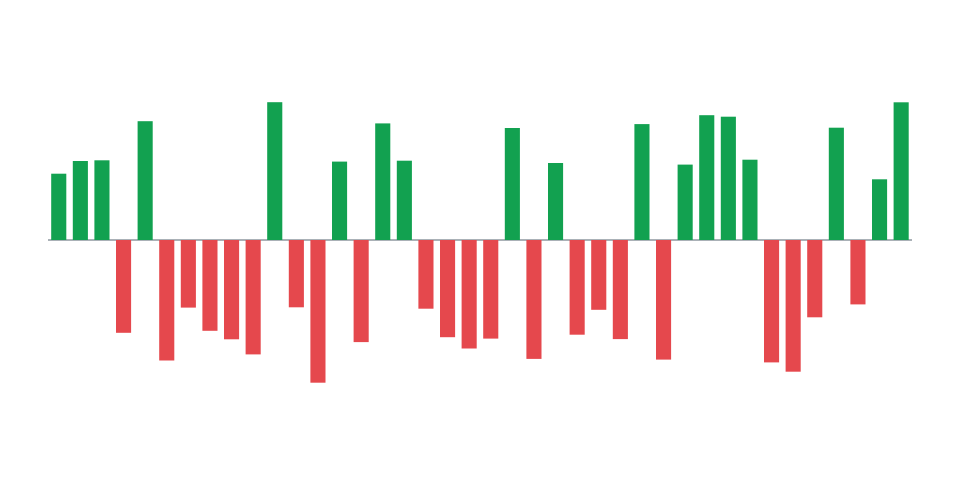
Look at your trading journal and find your five worst days. For most traders, those few days cost more than many weeks of normal trading. A daily loss limit puts a ceiling on them. When you lose a set amount in a day, you stop. No more trades until tomorrow.
Bad days rarely come from one bad trade. They come from what follows it: revenge trading, tilt, bigger size, worse setups. A daily loss limit stops that chain before it gets going. It also protects you on days when the market simply does not suit your strategy.
Common approaches:
The right number is small enough that hitting it is annoying but not damaging, and large enough that you are not stopped out by normal variance on a typical day.
A limit you can override when you are upset is not a limit.
Some traders add a second rule: if you give back half of the day's peak profit, stop. It protects good days from turning into bad ones, especially after a big win. See overconfidence after a big win.
If you trade a prop firm or funded account, the daily loss limit is usually a hard rule set by the firm, and breaking it can end the account. Set your personal limit well inside the firm's. See prop firm rules.
After a month with a daily loss limit, compare your worst days and your total P&L with the month before. Most traders see their largest losses shrink and their total improve. TradeThink's calendar makes it easy to see your daily results and spot the days the limit saved.
How to use the average true range (ATR) to set stop losses and position sizes that adapt to volatility, with formulas, multipliers and examples.
What risk of ruin means in trading, the factors that drive it, and how risk per trade, win rate and payoff ratio change your chance of a catastrophic drawdown.
What R-multiples are, how to calculate them, and why measuring trades in units of risk makes your results comparable, honest and easier to improve.