Trading psychology
Trading Burnout: How to Spot It and Keep a Sustainable Routine
Long hours, constant screen time and emotional swings can lead to trading burnout. Here are the signs and the habits that keep trading sustainable for the long run.
Tilt is the emotional state where frustration takes over your trading. Learn the triggers, the warning signs, and a step-by-step plan to stop before the damage is done.
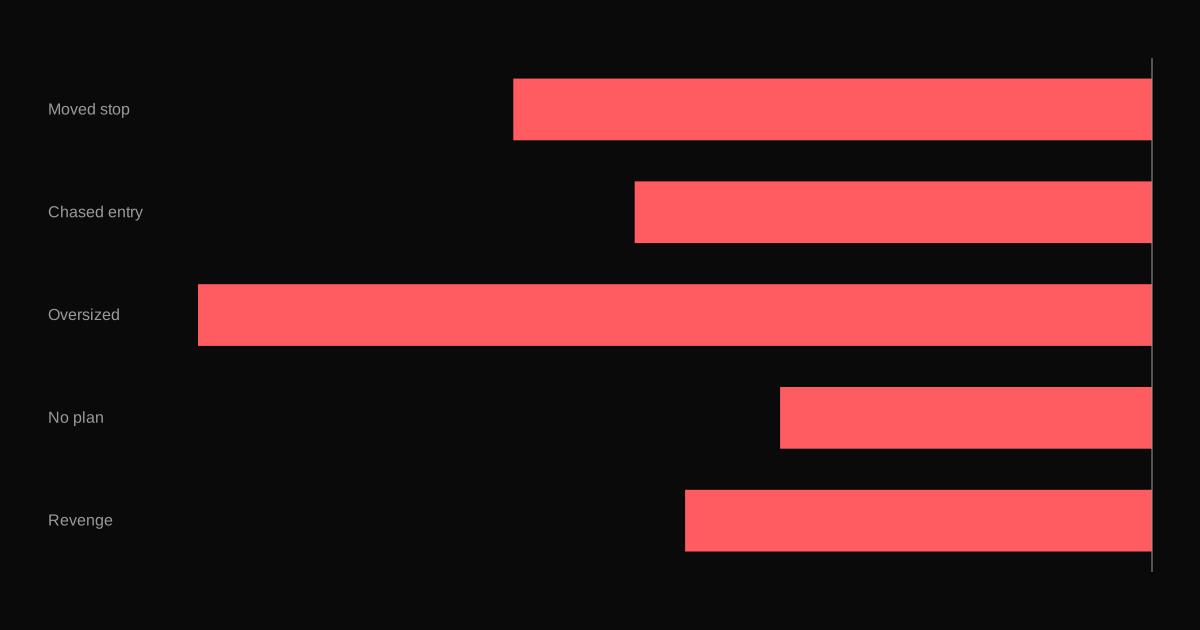
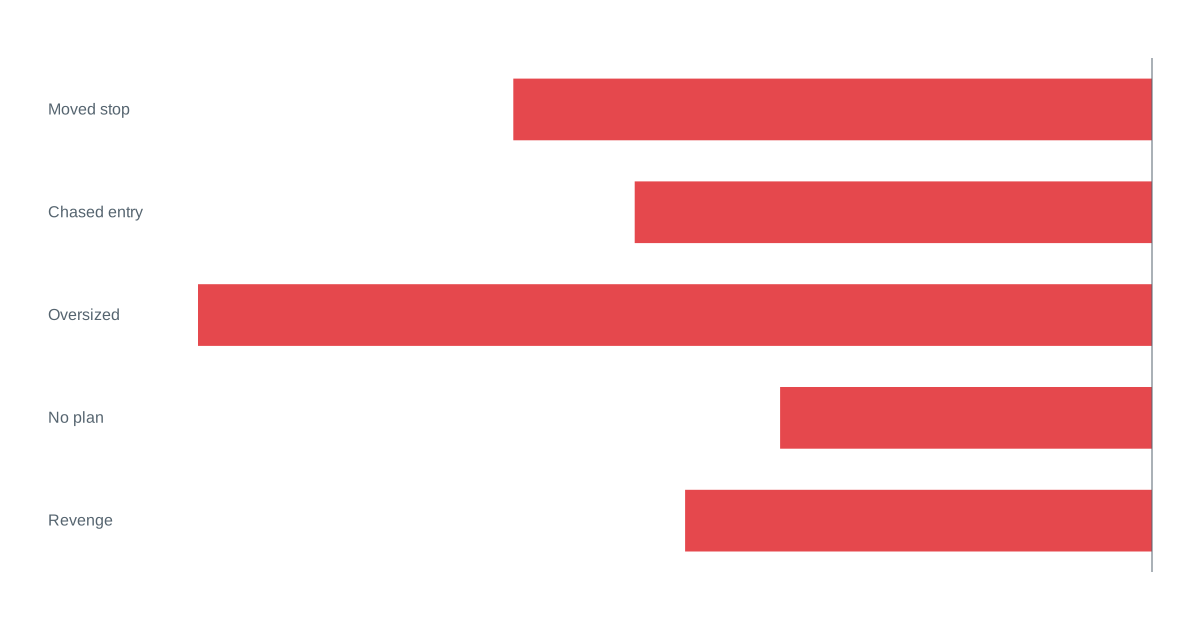
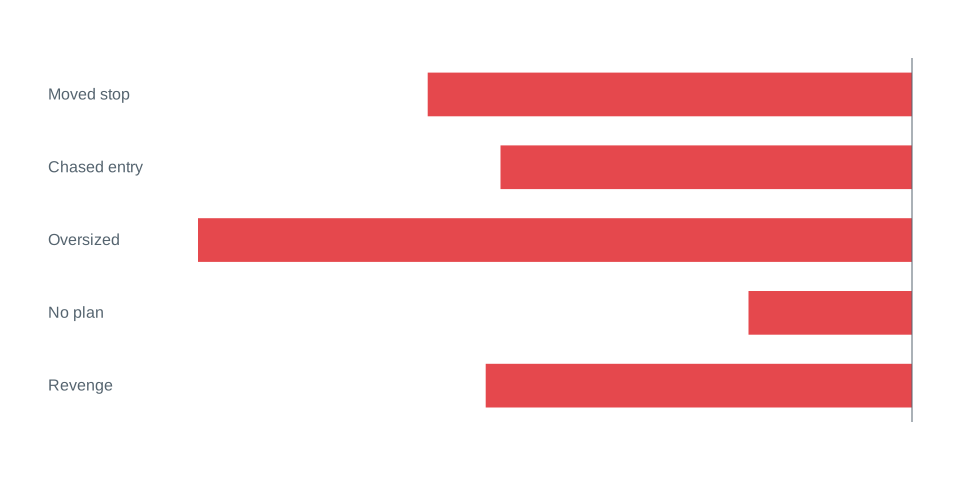
"Tilt" comes from poker. It describes a player who, after a bad beat, starts playing recklessly. Traders tilt too: a few frustrating trades and suddenly the plan is gone, size is up, and every decision is driven by emotion. Tilt is responsible for many of the worst days in trading journals.
Knowing your own triggers is half the battle. Your journal notes will show them.
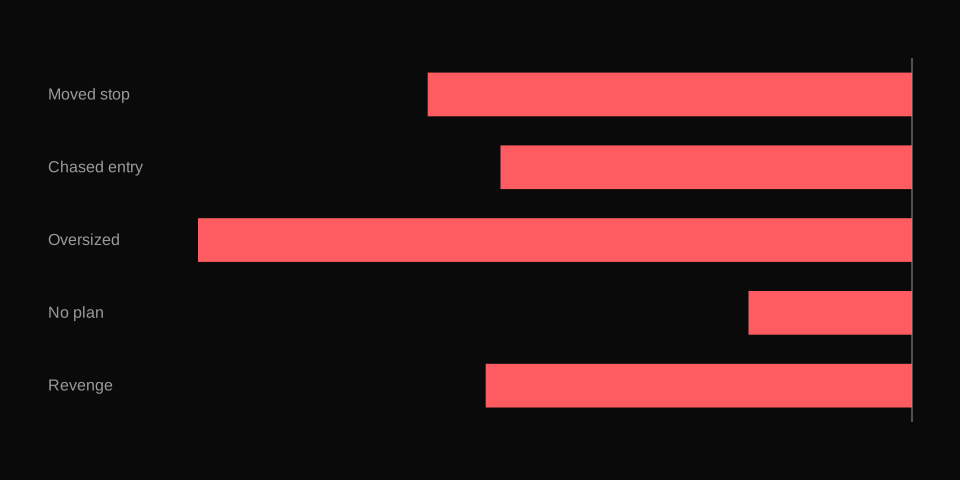
Write this plan down when you are calm. Use it when you are not.
Step 1: Recognize. When you notice a warning sign, say it out loud: "I am on tilt."
Step 2: Stop. Close the order entry window. Flatten positions if they are outside your plan. Stand up and leave the desk for at least 15 minutes.
Step 3: Decide calmly. When you come back, ask: am I fit to trade? If there is any doubt, stop for the day. A day off costs nothing. A tilt day can cost a month of profits.
Some brokers and platforms let you set a daily loss limit that blocks new orders. If yours does, use it.
After a tilt day, write down: the trigger, the first warning sign you noticed, how long it took to stop, and what it cost. Over time the time-to-stop gets shorter, and that is real progress. Record your mood in the daily journal and tag tilt trades, so you can see the cost in the reports. Related: handling a losing streak.
Long hours, constant screen time and emotional swings can lead to trading burnout. Here are the signs and the habits that keep trading sustainable for the long run.
A single trade's result is mostly luck. Learn why judging trades by process leads to better long-term results, and how to measure your process in a journal.
Your worst trading days often follow your best ones. Learn why overconfidence sets in after a big win and how to protect your gains.